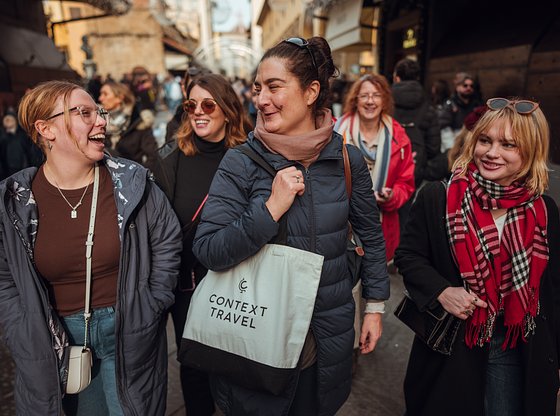





Alessandra was exactly what we wanted - her historical insight was perfect. I would recommend her confidently to any person interested in Florence, the Medici family and the Renaissance Masters

Florence Tours
Expert-led Florence private tours that turn Renaissance masterpieces and Medici ambition into meaningful discoveries
Let Your Curiosity Shape Your Journey
Join passionate experts on intimate walking tours that reveal a city's unique stories, spark conversations, and leave you seeing the world—and yourself—a little differently.
Experts, not guides
Explore with 1,200+ Experts, from historians and architects to chefs and archaeologists.
Crafted for conversation
With fewer than ten guests, engage your Expert through questions and immerse fully.
Structured, never scripted
Your interests guide your Expert, leading to stories and perspectives that matter to you.
Curious or connoisseur
First-time visitor or seasoned explorer, our tours span city highlights to deep-dives.
Florence, Seen with Context
Florence isn’t only Renaissance beauty. Walk with an expert to discover how artists, bankers, and rival families shaped a city that changed the course of art and ideas.
Hear from our customers
The most perfect way to start our first day in Florence!!! Valentina was super knowledgeable and a delight!!
Antonio was a wonderful guide. Very knowledgeable and entertaining.
Florence Tours
Florence is often described as the birthplace of the Renaissance, but that phrase only begins to explain the city. Here, art, politics, religion, and commerce were deeply intertwined, shaping not only Florence itself but much of Western culture.
The challenge isn’t deciding what to see. It’s understanding how everything connects.
The right tour helps turn Florence from a beautiful backdrop into a city that feels alive with ideas, ambition, and human stories.
Best for First-Time Visitors
If it’s your first time in Florence, begin with experiences that introduce both the city’s layout and its historical importance.
These tours connect major landmarks, neighborhoods, and public spaces, helping you understand how Florence developed from a medieval trading city into a center of artistic innovation.
Best for Renaissance Art
Florence holds some of the most important works of Renaissance art in the world, but context matters.
With an art historian, works by Michelangelo, Botticelli, and Leonardo become part of a larger story about patronage, power, and the rediscovery of classical ideas.
Best for History & Civic Power
Florence’s history is not just artistic, it is political.
These experiences explore how banking, trade, and influential families shaped the city’s identity and influence across Europe.
Best for Food, Wine & Local Culture
Florence’s food culture reflects Tuscany’s agricultural traditions and slower rhythms of life.
Meals, markets, and wine tastings become ways to understand regional identity, not just local flavor.
Best for Neighborhood Exploration
Florence reveals itself gradually through its streets, workshops, and everyday spaces.
In neighborhoods beyond the busiest monuments, cafés, wine windows, artisan workshops, and quieter piazzas reveal how the city continues to balance tourism with local life.
Best for Day Trips from Florence
Some of Tuscany’s most memorable experiences happen beyond Florence itself.
These tours expand the story of Florence outward into the surrounding region that helped shape its wealth and culture.
Florence sits along the Arno River in the heart of Tuscany, a city whose influence on art, politics, and intellectual life reshaped Europe. During the 14th and 15th centuries, Florence became the center of the Renaissance, where artists, architects, and thinkers reimagined the relationship between humanity, science, and beauty. The city’s wealth, fueled by banking and trade, allowed powerful families such as the Medici to support painters, sculptors, and scholars whose ideas transformed Western culture.
Today, Florence remains one of the world’s most important centers of art and architecture. Masterpieces by Michelangelo, Leonardo da Vinci, Botticelli, and Brunelleschi are woven into the city’s streets, churches, and museums. Context Travel’s Florence tours are led by art historians, archaeologists, and cultural experts who help travelers understand how Florence became the cradle of the Renaissance and why its legacy still shapes the modern world.
Florence is known for Renaissance art, Medici patronage, and some of the most influential architecture and museums in the world.
The Birthplace of the Renaissance
Florence fostered a cultural movement that transformed art, science, and philosophy across Europe during the 14th and 15th centuries.
Masterpieces of Art History
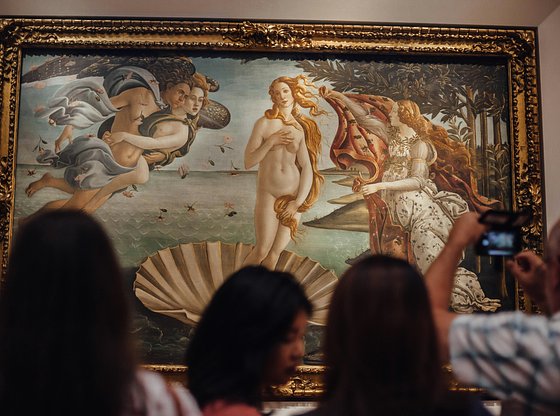
Works by artists such as Michelangelo, Botticelli, Leonardo da Vinci, and Raphael define Florence as one of the world’s most important artistic centers.
The Medici Family
Florence’s powerful banking dynasty funded artists, scholars, and architects who shaped Renaissance culture.
Iconic Architecture
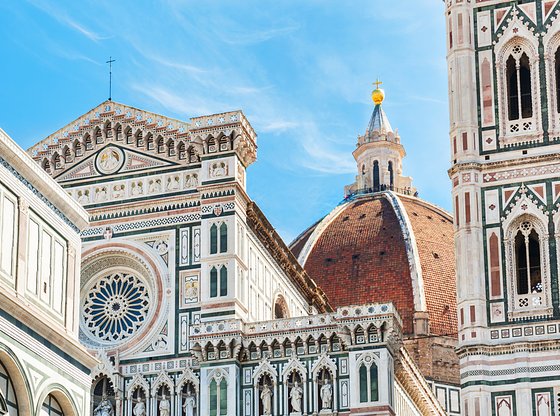
Landmarks like the Florence Cathedral (Duomo), Palazzo Vecchio, and Ponte Vecchio reflect centuries of civic ambition and artistic innovation.
Museums and Cultural Institutions
Museums such as the Uffizi Gallery and Accademia house some of the most important artworks in Western history.
For many travelers, it comes down to how they want to experience Florence.
It’s possible to visit Florence’s museums and landmarks independently. But without context, it can be difficult to understand why this relatively small city had such an outsized impact on art, politics, and intellectual life.
Context Travel’s walking tours in Florence are designed to make those connections clearer.
Led by art historians, historians, and local experts, our tours focus on explaining how Florence’s churches, galleries, and streets fit into a larger story about creativity, ambition, and cultural change. A visit to the Uffizi becomes more than seeing famous paintings. A walk through the city reveals how trade, patronage, and family rivalries shaped Renaissance Florence.
We also offer different ways to explore depending on your travel style:
- Audio guides for independent travelers (under $20)
- Small group tours beginning around $99 per person
- Private tours from approximately $360+
If you’re looking to go beyond checking off landmarks and want a deeper understanding of Florence and Tuscany, many travelers find that value well worth it.
Florence appeals to travelers interested in art, architecture, and cultural history. First-time visitors benefit from expert-led introductions to major landmarks and museums that explain how Renaissance ideas reshaped European culture. Lifelong learners are drawn to Florence’s extraordinary concentration of art and intellectual history, while couples and repeat visitors often explore neighborhoods, markets, and Tuscan culinary traditions that reveal the city beyond its famous masterpieces.
Florence’s historic center is compact and highly walkable, with most major landmarks located within a short distance of one another. Many of the city’s most important sites—including the Duomo, Uffizi Gallery, and Palazzo Vecchio—are located in the UNESCO-listed historic center.
Most travelers spend two to three days exploring Florence’s museums, churches, and historic neighborhoods. Many visitors also use Florence as a base for exploring Tuscany’s countryside and nearby cities.
Italian is the primary language spoken in Florence, though English is widely used in tourism settings. Italy uses the euro (€) as its currency.
Spring and autumn offer particularly pleasant weather for walking tours, while summer can be warm and busy due to Florence’s popularity.
What is Florence known for?
Florence is known as the birthplace of the Renaissance and for its extraordinary concentration of art, architecture, and cultural heritage.
Is Florence worth visiting?
Yes. Florence offers some of the most important artworks, museums, and historic architecture in the world.
How many days should you spend in Florence?
Most travelers spend two to three days exploring Florence’s major museums, churches, and historic streets.
Is Florence walkable?
Yes. Florence’s historic center is compact and ideal for walking tours.
What are the best things to do in Florence?
Visitors often explore the Uffizi Gallery, see Michelangelo’s David at the Accademia, visit Florence Cathedral, and walk through historic piazzas and neighborhoods.
Why is Florence important to art history?
Florence was the center of the Renaissance, where artists such as Michelangelo, Leonardo da Vinci, and Botticelli developed new artistic techniques that influenced Western art for centuries.
Is Florence suitable for families?
Yes. Florence works well for families when tours are tailored to younger travelers, using visual storytelling, short walking distances, and focused highlights rather than exhaustive coverage.
Is Florence safe for travelers?
Florence is generally very safe. As in any major tourist destination, visitors should be mindful of pickpocketing in crowded areas. Local guides can help navigate busy zones and quieter alternatives.
What Food is Florence Known For?
Florentine cuisine is rustic, hearty, and seasonal. Signature dishes include bistecca alla fiorentina (a thick-cut, grilled T-bone steak), ribollita (a rich bread and vegetable soup), lampredotto (a traditional tripe sandwich sold at street stalls), and cantucci e vin santo for dessert. Our food tours and pre-trip lectures offer a deeper understanding of these regional specialties and how they reflect local life.