




We loved the guide, Nur, but we had to improvise due to rain so we did the Ottoman mosques. We loved it

Istanbul Tours
Expert-led Istanbul walking tours that turn empires, mosques, and crossroads of culture into meaningful discoveries
Let Your Curiosity Shape Your Journey
Join passionate experts on intimate walking tours that reveal a city's unique stories, spark conversations, and leave you seeing the world—and yourself—a little differently.
Experts, not guides
Explore with 1,200+ Experts, from historians and architects to chefs and archaeologists.
Crafted for conversation
With fewer than ten guests, engage your Expert through questions and immerse fully.
Structured, never scripted
Your interests guide your Expert, leading to stories and perspectives that matter to you.
Curious or connoisseur
First-time visitor or seasoned explorer, our tours span city highlights to deep-dives.
Istanbul, Seen with Context
Istanbul isn’t just a meeting point of continents. Walk with an expert to discover how Byzantine emperors, Ottoman sultans, and generations of traders shaped this extraordinary city.
Hear from our customers
Suleyman answered our million questions with his deep knowledge of Topkapi and the history of Istanbul. It was fascinating! Plus, he knew exactly how to navigate the crowds and queues for the best experience.
Reyan is extremely knowledgeable, shares the history in a way that holds your attention, and speaks very clear English. You can tell she is passionate about her work. We loved every minute of the tour. She's very personable.
Istanbul Tours
Istanbul is a city of crossings. Empires, religions, languages, and trade routes have all met here, not neatly, but in layers. Byzantine churches became Ottoman monuments. Markets still carry the logic of old caravan routes. Neighborhoods shift from Greek Orthodox churches to synagogues, mosques, coffeehouses, ferries, and food stalls within a few streets.
The challenge isn’t finding something notable to see. It’s understanding how so many histories can occupy the same city at once.
The right tour helps Istanbul feel less overwhelming and more connected, revealing how power, faith, commerce, and daily life shaped a city that has remained at the center of several worlds.
Best for First-Time Visitors
If it’s your first time in Istanbul, begin with the places that explain the city’s imperial and religious foundations.
These experiences introduce the monuments many travelers come to see first, while helping connect them to the deeper story of Constantinople, Ottoman Istanbul, and the modern city around them.
Best for Byzantine & Ottoman History
Istanbul’s past is not divided cleanly between Byzantine and Ottoman chapters. One often sits inside the other.
- Hidden Traces of the Byzantine Empire with Chora Church
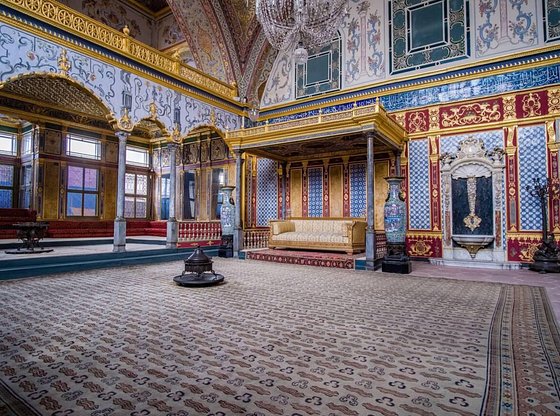
- Topkapi Palace Tour
- Istanbul Ottoman Architecture Tour
These tours explore how imperial power expressed itself through mosaics, domes, courtyards, mosques, palaces, and sacred spaces. With a historian or architectural expert, the city’s famous monuments begin to speak to each other.
Best for Food, Markets & Trade
Istanbul’s food culture reflects its geography: one city, two continents, and centuries of exchange.
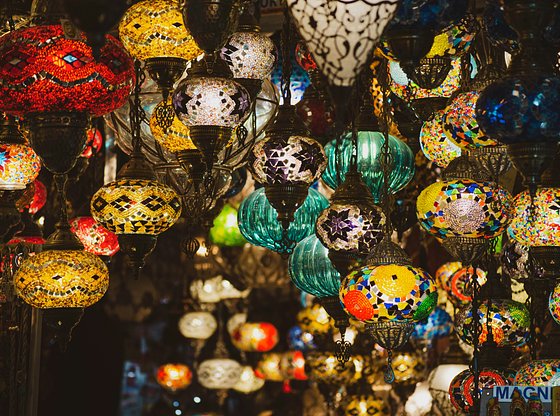
Markets, ferries, spices, street food, and family-run stalls reveal how trade still shapes the city’s daily rhythm. Food becomes a way to understand migration, empire, neighborhood identity, and the Bosphorus itself.
Best for Neighborhood Exploration & Local Life
Some of Istanbul’s richest stories unfold away from the most famous monuments.
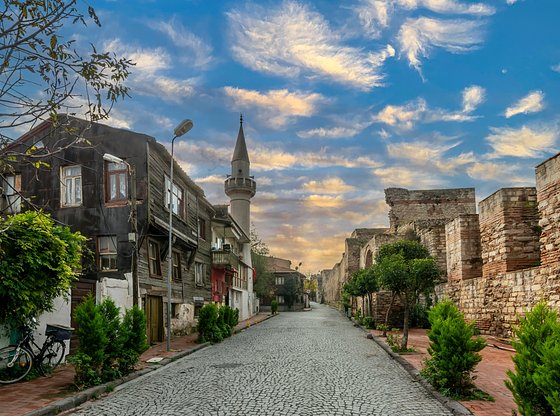
Beyoglu introduces a more modern, cosmopolitan Istanbul shaped by embassies, cafés, cinemas, churches, shops, and political gatherings. Across the Bosphorus, Kadikoy and the Asian side reveal a different rhythm of local markets, waterfront life, and neighborhood culture.
Istanbul sits at one of the most strategic crossroads in the world, straddling Europe and Asia along the Bosphorus Strait. For more than two thousand years, the city has served as a political and cultural center for powerful empires. First known as Byzantium, it later became Constantinople, the capital of the Byzantine Empire, before transforming into Istanbul under Ottoman rule in the 15th century.
Across these eras, the city absorbed influences from Christianity, Islam, and global trade networks linking Europe, Asia, and the Middle East. Churches became mosques, palaces rose beside ancient forums, and markets connected merchants across continents. Today, Istanbul remains one of the world’s most layered cities, where monumental architecture and vibrant neighborhoods reveal the legacy of successive empires. Context Travel’s Istanbul tours are led by historians and cultural experts who help travelers understand how religion, politics, and commerce shaped this remarkable city.
Istanbul is known for its imperial history, monumental religious architecture, and its role as a bridge between Europe and Asia.
Hagia Sophia
Originally built as a Byzantine cathedral in the 6th century, Hagia Sophia later became an Ottoman mosque and today stands as one of the most influential architectural monuments in the world.
The Blue Mosque (Sultan Ahmed Mosque)
This iconic Ottoman mosque is known for its cascading domes and intricate blue İznik tiles.
Topkapi Palace and Ottoman Power
For centuries, Topkapi Palace served as the residence of the Ottoman sultans and the center of imperial administration.
The Grand Bazaar and Trade Networks
One of the oldest and largest covered markets in the world, the Grand Bazaar reflects Istanbul’s long role in global commerce.
The Bosphorus Strait
The waterway dividing Europe and Asia shaped the city’s strategic importance and continues to define Istanbul’s geography.
Istanbul appeals to travelers interested in history, religion, and cultural exchange. First-time visitors benefit from expert-led introductions to the city’s imperial landmarks, helping them understand how Byzantine and Ottoman traditions shaped Istanbul’s identity. Lifelong learners are drawn to the city’s extraordinary architectural heritage and its role as a bridge between continents. Repeat visitors often explore markets, neighborhoods, and cultural traditions that reveal the rhythms of everyday life in this dynamic city.
Istanbul is a large city, but many of its most important historic landmarks are concentrated in the Sultanahmet district. Guided walking tours are one of the most effective ways to understand the city’s dense concentration of monuments and historical layers.
Most travelers spend three to four days exploring Istanbul’s historic sites, markets, and neighborhoods. Many visitors combine time in the city with excursions along the Bosphorus or to other regions of Turkey.
Turkish is the primary language spoken in Istanbul, though English is widely spoken in tourism areas. Turkey uses the Turkish lira (TRY) as its currency.
Spring and autumn offer particularly comfortable weather for walking tours, while summer can be warm and busy due to Istanbul’s popularity.
For many travelers, it comes down to how they want to experience Istanbul.
It’s possible to visit Hagia Sophia, the Blue Mosque, Topkapi Palace, and the Grand Bazaar independently. But Istanbul’s deeper stories are easy to miss without expert local insight. A mosque may carry traces of Byzantine engineering. A market stall may point back to centuries of trade. A neighborhood street may reveal Greek, Armenian, Jewish, Ottoman, and modern Turkish histories layered together.
Context Travel’s Istanbul private tours are designed to bring those connections into focus.
Led by historians, architectural experts, foodies, and local scholars, our tours help travelers understand how Istanbul became a city of empires, religions, markets, and crossings. Whether you’re standing beneath the dome of Hagia Sophia, tasting your way across the Bosphorus, or tracing the multicultural history of Fener and Balat, the goal is not simply to see Istanbul, but to understand how its worlds fit together.
At the moment, our Istanbul experiences are available as private tours only. That means each tour can move with more flexibility, adapt to your interests, and allow more space for conversation than a standard large-group itinerary.
Private tours are a stronger fit in Istanbul because the city rewards questions. Why did the Ottoman court choose this hill? How did Byzantine churches become mosques? What makes one market feel local while another feels ceremonial? With a Context Expert, the answers unfold as part of the walk rather than as a script delivered from a few steps ahead.
If you’re looking to move beyond landmark-hopping and experience Istanbul with more historical, cultural, and human depth, many travelers find Context Travel's value well worth it.
What is Istanbul known for?
Istanbul is known for its imperial history, monumental mosques, historic markets, and its unique position between Europe and Asia.
Is Istanbul worth visiting?
Yes. Istanbul offers an extraordinary combination of architecture, history, food culture, and vibrant urban life.
How many days should you spend in Istanbul?
Most travelers spend three to four days exploring Istanbul’s historic districts, markets, and cultural landmarks.
Is Istanbul walkable?
Many historic areas such as Sultanahmet are walkable, though the city is large and public transportation is often useful.
Why is Hagia Sophia important?
Hagia Sophia is one of the most influential architectural monuments in the world, reflecting both Byzantine and Ottoman history.
What food is Istanbul known for?
Istanbul is known for dishes such as kebabs, meze, baklava, and a rich culinary tradition influenced by Ottoman and regional cuisines.