Alan was a great guide to the early history of London. He also covered much more with the tour focused on the City of London. We learned about Roman’s and wall construction, the great fire, the impact of the bombing and much more. The tour was very thorough and left us wanting more in another session. Perfect.

London History Tour: Portrait of a City
Discover the city's development from Ancient Roman times to today




The Finer Details
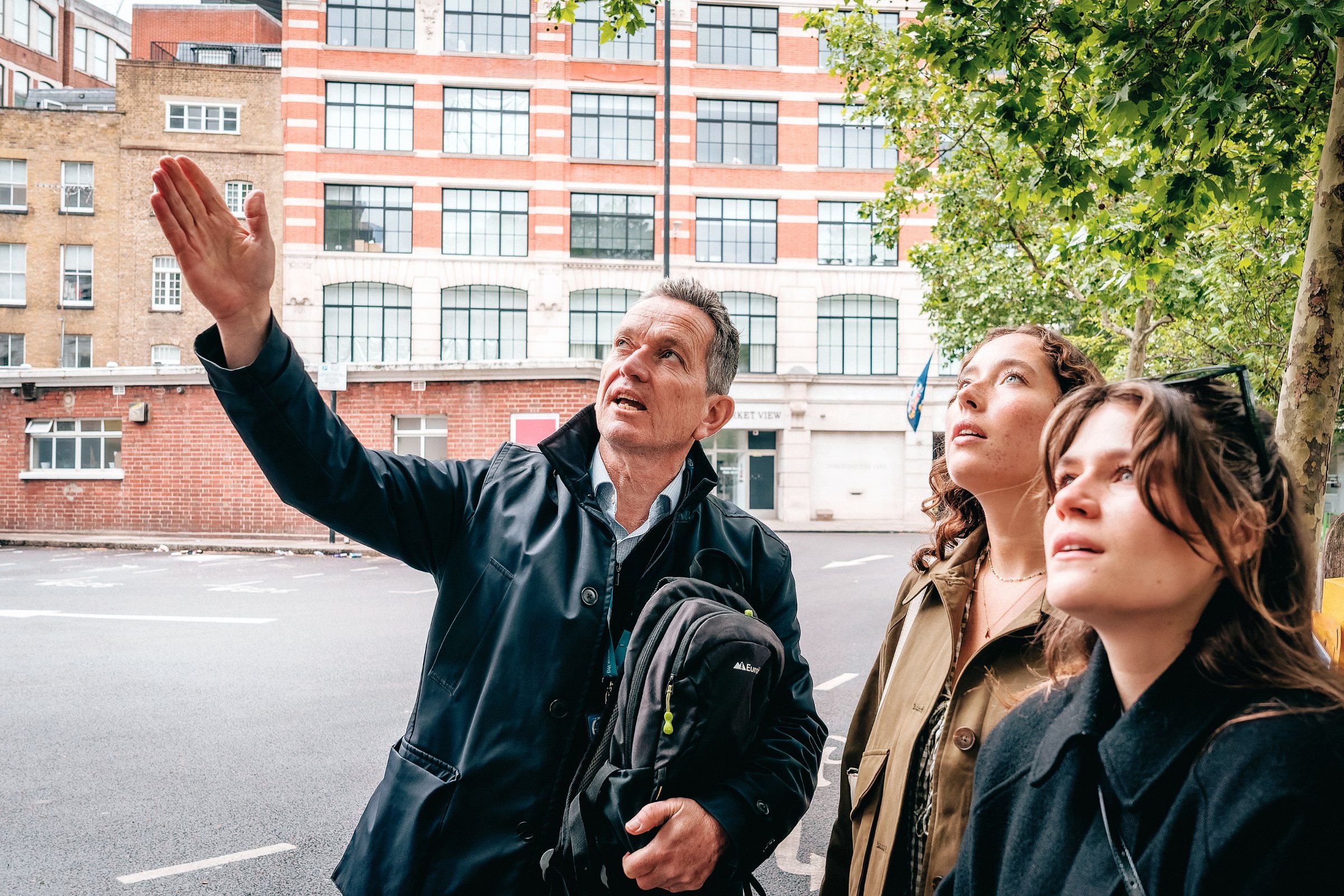
Discover London’s 2,000-year journey from a Roman outpost to the cutting-edge capital it is today. This London history tour explores the nuanced difference between London the city, and the City of London. Steeped in the city’s rich, turbulent history, you’ll explore the pivotal events that defined England’s capital, from its early days to its rise as a global financial center.
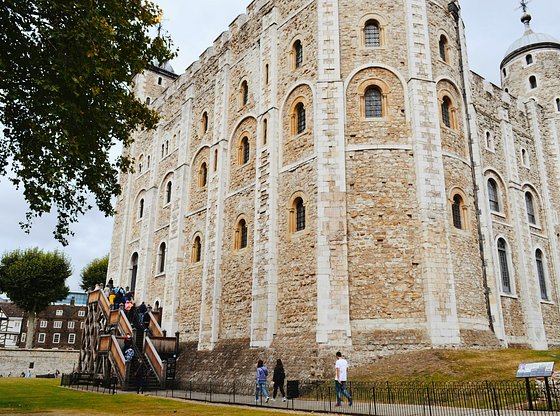
Start at the Tower of London, built in 1078. This fortress was designed to protect against Norman invaders and serves as a symbol of the city’s deep-rooted history. This site has witnessed pivotal moments in British history, setting the stage for much of what follows.
Start at the Tower of London, built in 1078. This fortress was designed to protect against Norman invaders and serves as a symbol of the city’s deep-rooted history. This site has witnessed pivotal moments in British history, setting the stage for much of what follows.
A visit to All Hallows-by-the-Tower introduces you to the oldest known church in the area. A portal into the city’s Roman, Saxon, and medieval past, the church is where Samuel Pepys watched the Great Fire spread, where William Penn was christened, and where John Quincy Adams was married.
Wandering the winding medieval streets, past remnants of Roman walls that once fortified the city, watch as the architecture evolves. Medieval St. Andrew Undershaft Church stands proudly beside the modern, unique Lloyd’s Building and the divisive Gherkin. What does this architectural mix tell us about the city’s constant reinvention?
Monument, the towering obelisk commemorating the spot where the Great Fire of London is believed to have begun in 1666, offers a moment for reflection, questions, and discussion with your Expert. How did fire and Sir Christopher Wren transform London into a city of iconic landmarks we know today?
If time allows, you may venture to Guildhall, the medieval town hall. Beneath lies a Roman amphitheater, offering another glimpse at London’s layered past. Depending on the day, there’s also a chance to explore the Roman Mithraeum, an ancient Roman temple hidden beneath modern London, or to take a walk through Eastcheap, where London’s mercantile roots run deep.
By the end of the tour, you’ll have a deeper understanding of London’s history and heritage, from its Roman roots to financial dominance today. Beyond the typical tourist traps, you’ll see and hear what has shaped modest marshland into a metropolis of over 9 million people.













































%20-%202026-05-18T122730.868.png)
Where You’ll Go
From iconic landmarks to tucked-away local favorites, these are the places you’ll explore and experience firsthand with your Expert.
-
GuildhallMedieval civic building serving as London’s historic centre of government and ceremony.
-
All Hallows by the TowerHistoric church with Roman origins, linked to major events in the City’s history.
What’s Included As Standard
Here’s a look at what your tour covers, plus anything you’ll want to consider arranging separately, so you can plan with confidence.
Included
-
English-speaking expert guideTours led in English, offering you unbroken understanding throughout.
-
Intentionally sized groupsA smaller group means more time for conversations and questions.
-
Tickets and entrance feesAll entry tickets included (unless clearly stated otherwise).
-
HeadsetsHeadsets are included on tours that need them, so every word can be heard.
Not Included
-
GratuitiesWe encourage tipping as a way to thank your guide after your experience.
-
Food and drinkRefreshments are only included during a tour when clearly noted.
-
Transportation to and from the meeting pointUnless noted, pre- and post-tour transport isn’t included - this service can be added by request.
-
Hotel pickup or drop-offUnless noted, travel to or from accommodation isn’t included - this service can be added by request.
Where You'll Explore
Make the Most of Your Tour
Some helpful advice for getting the most from your experience, from practical prep to small on-the-day tips.
Dos:
- Wear comfortable footwear
- Check the weather and dress appropriately
- Bring a bottle of water (no glass)
- Feel free to ask your Expert anything
Don'ts:
- Bring firearms or weapons
- Bring sharp objects (e.g. knives, swiss army knives, switchblades, hiking sticks)
- Dress inappropriately to enter religious sites or sacred monuments
Any questions? You can always
contact us.
Frequently Asked Questions
While we do not go inside the Tower of London on this tour, we start the walk very near it, and we briefly discuss its role in the creation of the City. If you are interested in visiting the Tower, please see our Secrets of the Tower of London tour.
Book with confidence — see Context's flexible cancellation policy here.
Most sites we visit are free, however, they welcome donations. For this reason, we recommend carrying some local currency.
Tours operate rain or shine, but in the case of inclement weather, your guide will modify the tour so more time is spent indoors. It never hurts to have an umbrella on hand.
Is this walk accessible to wheelchairs?
Yes, the City is fully accessible, so wheelchairs are not a problem.
Don’t just take our word for it
Andrew was incredibly accommodating to our interests and needs. It was a wonderful introduction to London.
Andrew was outstanding. He engaged our group from beginning to end and left us wanting to know more. We all - a group ranging in age from 13 to 56 - thoroughly enjoyed our tour!
Let Your Curiosity Shape Your Journey
Join passionate experts on intimate walking tours that reveal a city’s unique stories, spark conversations, and leave you seeing the world—and yourself—a little differently.
Structured, never scripted
Your interests guide your Expert, leading to stories and perspectives that matter to you.
Crafted for conversation
With ten or fewer guests, ask questions, engage with your Expert, and fully immerse yourself.
Experts, not guides
Explore with 1,200+ Experts—from historians and architects to archaeologists and chefs.


%20-%202026-04-28T085208.440.png)