


.png)


Riccardo was an exceptional guide. He is highly knowledgeable and passionate which made for the most impressive tour. We cannot thank him enough!!

Naples Tours
Expert-led Naples guided tours that turn historic streets and ancient roots into meaningful discoveries
Let Your Curiosity Shape Your Journey
Join passionate experts on intimate walking tours that reveal a city's unique stories, spark conversations, and leave you seeing the world—and yourself—a little differently.
Experts, not guides
Explore with 1,200+ Experts, from historians and architects to chefs and archaeologists.
Crafted for conversation
With fewer than ten guests, engage your Expert through questions and immerse fully.
Structured, never scripted
Your interests guide your Expert, leading to stories and perspectives that matter to you.
Curious or connoisseur
First-time visitor or seasoned explorer, our tours span city highlights to deep-dives.
Naples, Seen with Context
Naples isn’t only lively streets beneath Vesuvius. Walk with an expert to uncover how ancient cultures, royal dynasties, and Neapolitan traditions shaped this vibrant city.

Find your perfect pair this summer
Save 10% when you book 2 or more tours.
Hear from our customers
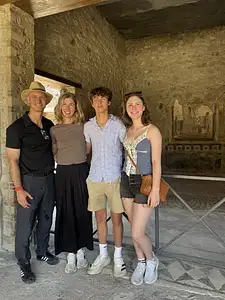
My goodness, amazing!! Roberta is so knowledgeable and passionate and truly brought Pompeii to life! Our context tour guides have all been wonderful, these tours are the best investment you can make in your trip.
This was hands down the best tour we have ever been on! Fiorella was extremely knowledgeable and responsive to everyone in our family. She was fantastic at connecting with each of us and went out of her way to help us arrange dinner reservations and travel after the tour. The sites themselves were breathtaking!
Naples Tours
Naples sits along the Bay of Naples beneath Mount Vesuvius, where its strategic Mediterranean location helped shape the city’s history for more than two thousand years. Originally founded by Greek settlers in the 8th century BCE as Neapolis, or “new city,” Naples later became an important center of Roman culture and commerce. Over the centuries, it grew into one of Europe’s largest and most influential cities under Spanish and Bourbon rule.
Today, Naples is a complex city where ancient ruins, Baroque churches, and lively street life coexist. Its historic center, a UNESCO World Heritage Site, preserves centuries of architecture, art, and daily life. Context Travel’s Naples tours are led by historians and cultural experts who help travelers understand how ancient civilizations, royal dynasties, and local traditions shaped the character of this remarkable Italian city.
Naples is known for its ancient heritage, historic center, culinary traditions, and its dramatic setting near Mount Vesuvius.
Ancient Greek and Roman Origins
Naples began as a Greek settlement and later became an important city of the Roman Empire, leaving behind archaeological sites and urban layouts still visible today.
Historic Center (Centro Storico)
Naples’ historic center is one of Europe’s largest and best-preserved old towns, filled with churches, palaces, and narrow streets.
Pizza and Culinary Culture
Naples is the birthplace of pizza and remains one of Italy’s most celebrated food cities.
Royal and Bourbon History
The city served as the capital of the Kingdom of Naples and later the Kingdom of the Two Sicilies, shaping its grand architecture and royal palaces.
Gateway to Pompeii and Mount Vesuvius
Naples serves as the starting point for visiting the archaeological site of Pompeii and the volcano that shaped the region’s history.
Naples appeals to travelers interested in history, archaeology, and authentic Italian culture. First-time visitors often begin with guided introductions to the historic center and nearby archaeological sites. Lifelong learners explore Naples’ layered history and artistic heritage, while food-focused travelers enjoy discovering the city’s markets, street food, and traditional pizzerias that define Neapolitan cuisine.
Naples’ historic center is dense and highly walkable, though streets can be busy and lively. Guided tours are one of the best ways to understand the city’s history and architecture.
Most travelers spend one to two days in Naples, often combining their visit with excursions to Pompeii, Mount Vesuvius, or the Amalfi Coast.
Italian is the primary language spoken in Naples, though English is widely spoken in tourism areas. Italy uses the euro (€) as its currency.
Spring and autumn are particularly pleasant times to visit due to comfortable weather for guided private tours.
What is Naples known for?
Naples is known for its historic center, ancient Greek and Roman heritage, its role as the birthplace of pizza, and its location near Mount Vesuvius.
How many days should you spend in Naples?
Most travelers spend one to two days exploring Naples before visiting nearby destinations such as Pompeii or the Amalfi Coast.
Is Naples walkable?
Yes. The historic center is compact and best explored on foot, though streets can be lively and crowded.
Is Naples safe for travelers?
Naples is generally safe for visitors, particularly in central areas and popular attractions, though travelers should stay aware of their surroundings in busy streets.
Is Naples worth visiting?
Yes. Naples offers remarkable history, vibrant culture, and some of the best food in Italy.
Why is Naples famous for pizza?
Naples is the birthplace of pizza, where traditional Neapolitan pizza was developed using simple ingredients and wood-fired ovens.
Is Naples a good base for visiting Pompeii?
Yes. Naples is the main gateway to Pompeii and Mount Vesuvius, both located a short distance from the city.