About the Philadelphia Public Art, from William Penn to Rocky Balboa Walk in Philadelphia
Philadelphia has more public art than any other city in the world outside of Paris. How did this come to be? From the tallest statue atop any building in the nation, to murals and landscape-altering contemporary sculpture, over the course of this three hour walking tour in the company of an art historian, we will discuss the political and social changes in Philadelphia over the past 250 years which propelled the city to become an international cultural leader and a steadfast supporter of public art.
We begin our walk at the intersection of Broad and Market Streets- formerly Center Square on William Penn's grid- with a discussion of the creation of civic identity on the eve of the country's centennial celebration. Our discussion will delve into Philadelphia’s pride in and projection of economic prominence on a national level with the massive city hall and its series of over 400 sculptures by Alexander Milne Calder as our visual textbook.
From here we may consider the enduring importan
read more
Philadelphia has more public art than any other city in the world outside of Paris. How did this come to be? From the tallest statue atop any building in the nation, to murals and landscape-altering contemporary sculpture, over the course of this three hour walking tour in the company of an art historian, we will discuss the political and social changes in Philadelphia over the past 250 years which propelled the city to become an international cultural leader and a steadfast supporter of public art.
We begin our walk at the intersection of Broad and Market Streets- formerly Center Square on William Penn's grid- with a discussion of the creation of civic identity on the eve of the country's centennial celebration. Our discussion will delve into Philadelphia’s pride in and projection of economic prominence on a national level with the massive city hall and its series of over 400 sculptures by Alexander Milne Calder as our visual textbook.
From here we may consider the enduring importance of public art in creating community through such spaces as LOVE Park, featuring Robert Indiana’s famous LOVE sculpture, or, through community-based initiatives such as the Mural Arts program, which has brought over three thousand works by local artists to buildings across the city. In the shadow of Claes Oldenburg’s towering Clothespin, we’ll discuss Philadelphia’s progressive and ongoing commitment to commissioning public art by being the first city in the country to adopt a “Percent for Art” program, initiated in 1959.
As we move towards the Benjamin Franklin Parkway, designed by Jacques Greber and Paul Cret in 1917, we’ll explore urban planning beyond William Penn, and Philadelphia’s parallels with Paris through sites such as Swann Memorial Fountain at Logan Square, designed by the second of three generations of Calder artists. Traversing the length of the Parkway, we’ll discuss the role of memorials and monuments along the way, the difference between the two, and how politics can determine their location, and re-location across the city. Depending on time and the interest of the group, we may also pay a visit to the Rodin Museum to view Philadelphia’s Thinker and learn about the city’s historic role as art custodian.
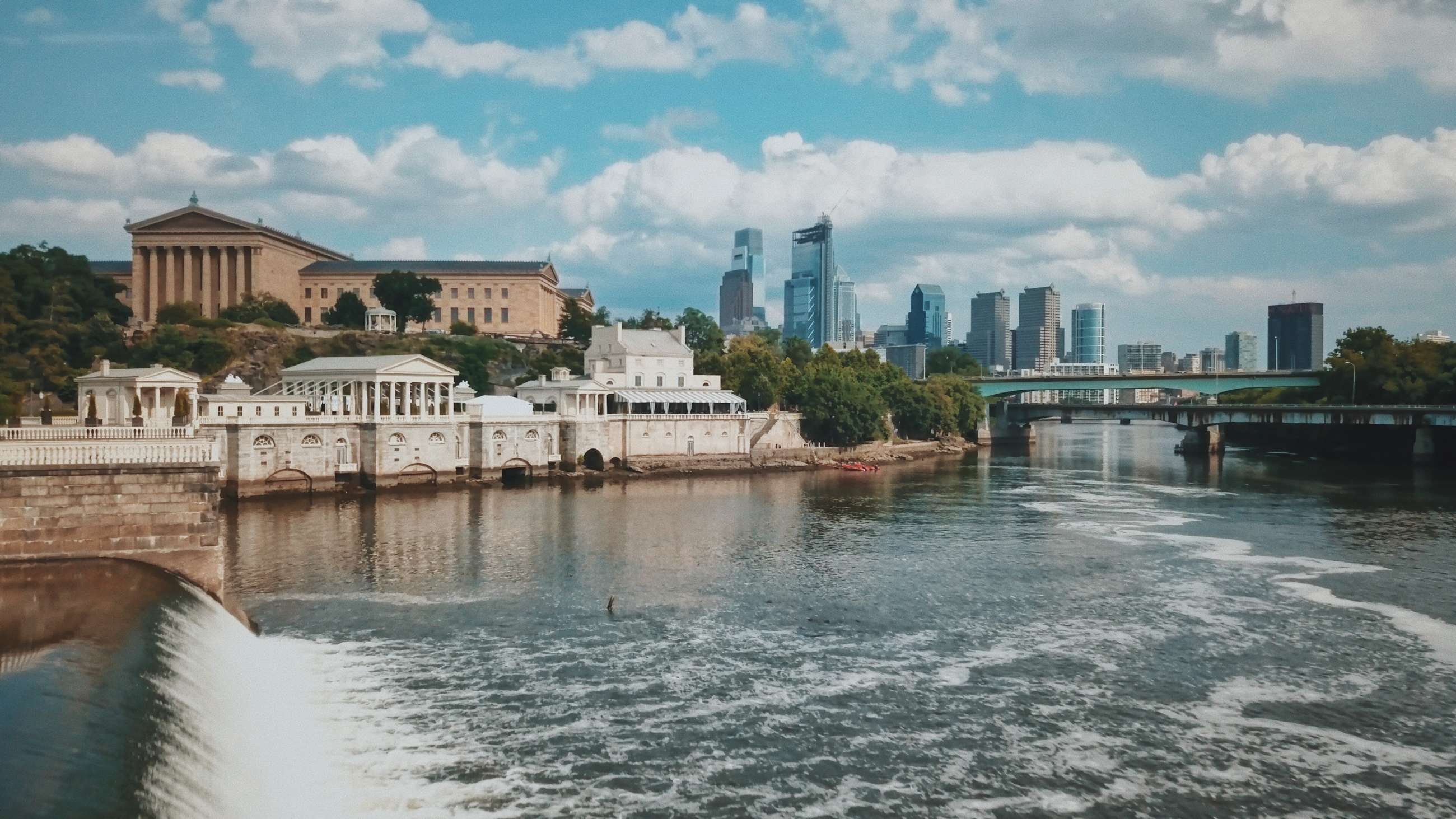
As we approach the base of the famous steps of the Philadelphia Museum of Art, we’ll pause to consider the larger than life statue of Rocky and how the worlds of high art and popular culture can collide. We’ll end our time together looking over the Schuylkill River and the Fairmount Waterworks, adorned by two carvings by 18th century sculptor and public servant William Rush, arguably the founding father of Philadelphia’s public art movement.