


Rui was a fantastic, knowledgeable guide who made our tour worthwhile and informative. We couldn’t possibly recommend his tours more highly! Thank you, Rui.

Washington D.C. Tours
Expert-led Washington walking tours that turn monuments and political history into meaningful discoveries
Let Your Curiosity Shape Your Journey
Join passionate experts on intimate walking tours that reveal a city's unique stories, spark conversations, and leave you seeing the world—and yourself—a little differently.
Experts, not guides
Explore with 1,200+ Experts, from historians and architects to chefs and archaeologists.
Crafted for conversation
With fewer than ten guests, engage your Expert through questions and immerse fully.
Structured, never scripted
Your interests guide your Expert, leading to stories and perspectives that matter to you.
Curious or connoisseur
First-time visitor or seasoned explorer, our tours span city highlights to deep-dives.
Washington D.C., Seen with Context
Washington isn’t only monuments and government buildings. Walk with an expert to uncover how leaders, movements, and civic ideals shaped the nation’s capital.
.png)
Discover the founding of a nation
Celebrate America’s 250th with $250 Tours
Hear from our customers
Our tour of the National Mall with Mary Jo was a highlight of our trip to DC! She is a warm, knowledgeable historian with endless knowledge of past presidents, architecture and how DC has evolved over time and why. We loved our afternoon with Mary Jo.
Such a great time learning and strolling DC with Derek!! He was exceptional.
Washington D.C. Tours
Washington, D.C., sits along the Potomac River between Maryland and Virginia, established in 1790 as the capital of the United States. Designed by French architect Pierre Charles L’Enfant, the city’s layout reflects Enlightenment ideals about civic space, governance, and democratic institutions. From its beginning, Washington was intended to symbolize the new republic and the principles that shaped it.
Over the centuries, the city has grown into the center of American political life while preserving an extraordinary concentration of monuments, museums, and historic landmarks. From the National Mall to the Capitol and the White House, Washington’s architecture reflects the evolution of the United States and its democratic institutions. Context Travel’s Washington DC tours are led by historians and scholars who help travelers understand how the city’s monuments, memorials, and museums connect to the broader story of American history.
Washington D.C. is known for its national monuments, political institutions, and world-class museums.
The National Mall and Memorials
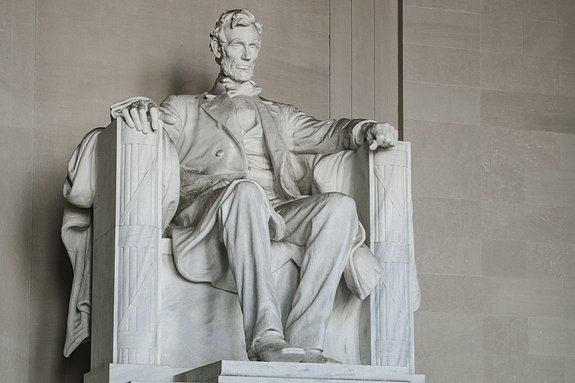
Landmarks such as the Lincoln Memorial, Washington Monument, and World War II Memorial commemorate pivotal moments in American history.
Government Institutions
The White House, U.S. Capitol, and Supreme Court represent the central branches of the United States government.
Smithsonian Museums
Washington hosts one of the world’s largest museum networks, covering art, science, culture, and history.
Founding History and American Democracy
The city was designed to reflect the ideals of the American republic and continues to serve as the nation’s political center.
Historic Neighborhoods and Cultural Life
Districts such as Georgetown and Capitol Hill reveal layers of urban life beyond the city’s monuments.
Washington DC appeals to travelers interested in history, politics, and national identity. First-time visitors often begin with guided introductions to the National Mall to understand the city’s major monuments and memorials. Lifelong learners appreciate deeper conversations about American political institutions and historical events, while travelers interested in culture and education explore the city’s museums, historic neighborhoods, and public spaces.
Washington D.C. is highly walkable, particularly around the National Mall and central monuments. Walking tours are one of the best ways to explore the city’s historic and political landmarks.
Most travelers spend two to three days in Washington D.C., allowing time to visit monuments, museums, and historic neighborhoods.
English is the primary language spoken in Washington D.C., and the United States uses the U.S. dollar (USD).
Spring and autumn are especially pleasant times to visit, while summer can be warm and humid.
What is Washington DC known for?
Washington DC is known for its national monuments, political institutions, and world-renowned museums.
Is Washington DC worth visiting?
Yes. Washington DC offers a remarkable concentration of historic landmarks, museums, and cultural institutions.
How many days should you spend in Washington DC?
Most travelers spend two to three days exploring the National Mall, museums, and historic neighborhoods.
Is Washington DC walkable?
Yes. Many major landmarks are located near the National Mall and can be explored on foot.
Is Washington DC safe for travelers?
Washington DC is generally safe for visitors, especially in central areas near major landmarks and museums.
What are the most famous places to visit in Washington DC?
Major landmarks include the White House, U.S. Capitol, Lincoln Memorial, Washington Monument, and the Smithsonian museums.