Great historical review of beer and its London origins. Our guide, Chris, did a fantastic job and made it a great experience, even for my wife who loves history and only likes beer.
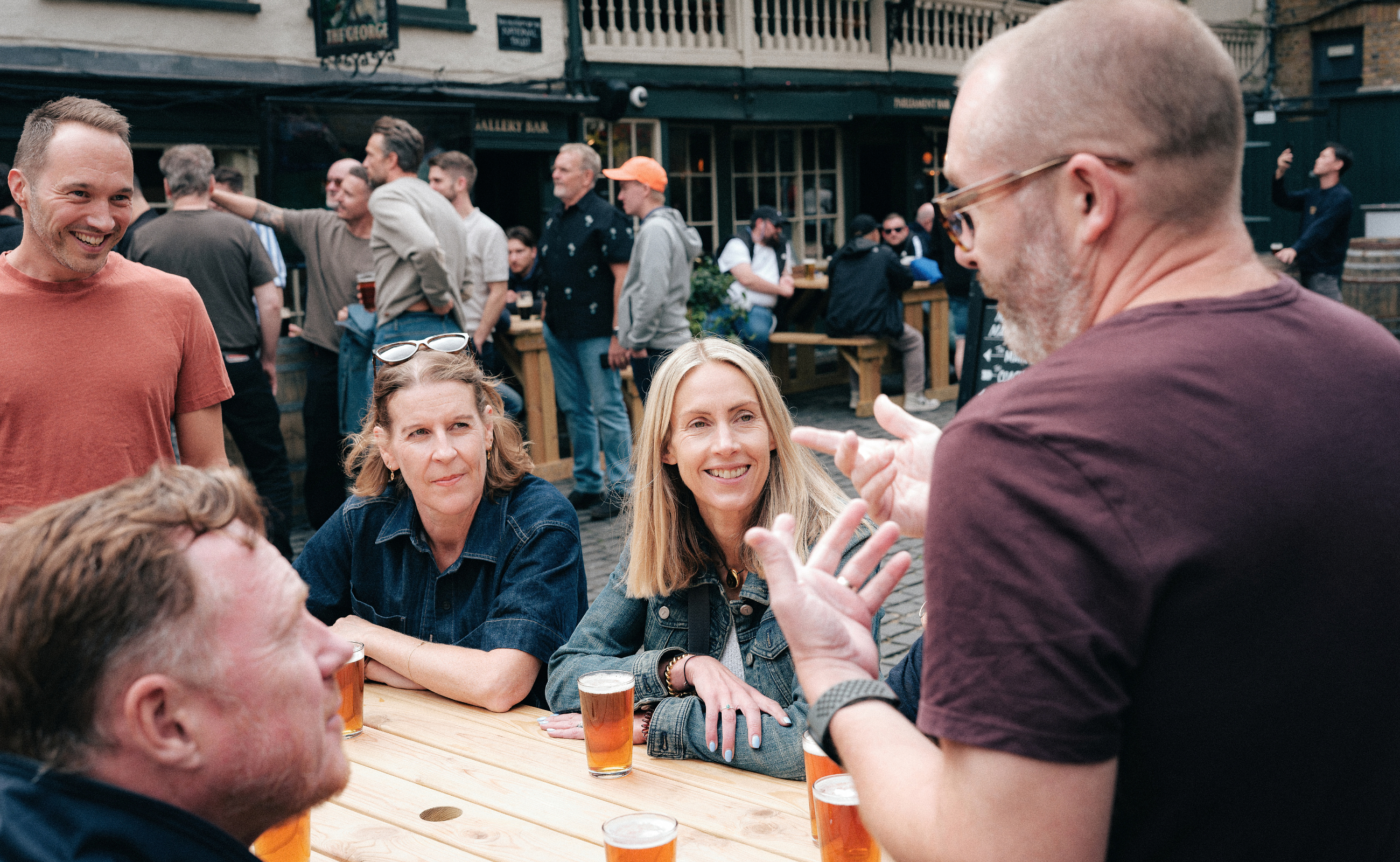
London Beer Tour: Cask Ales to Craft Beer
Taste British beer culture from historic pubs to craft pours
The Finer Details
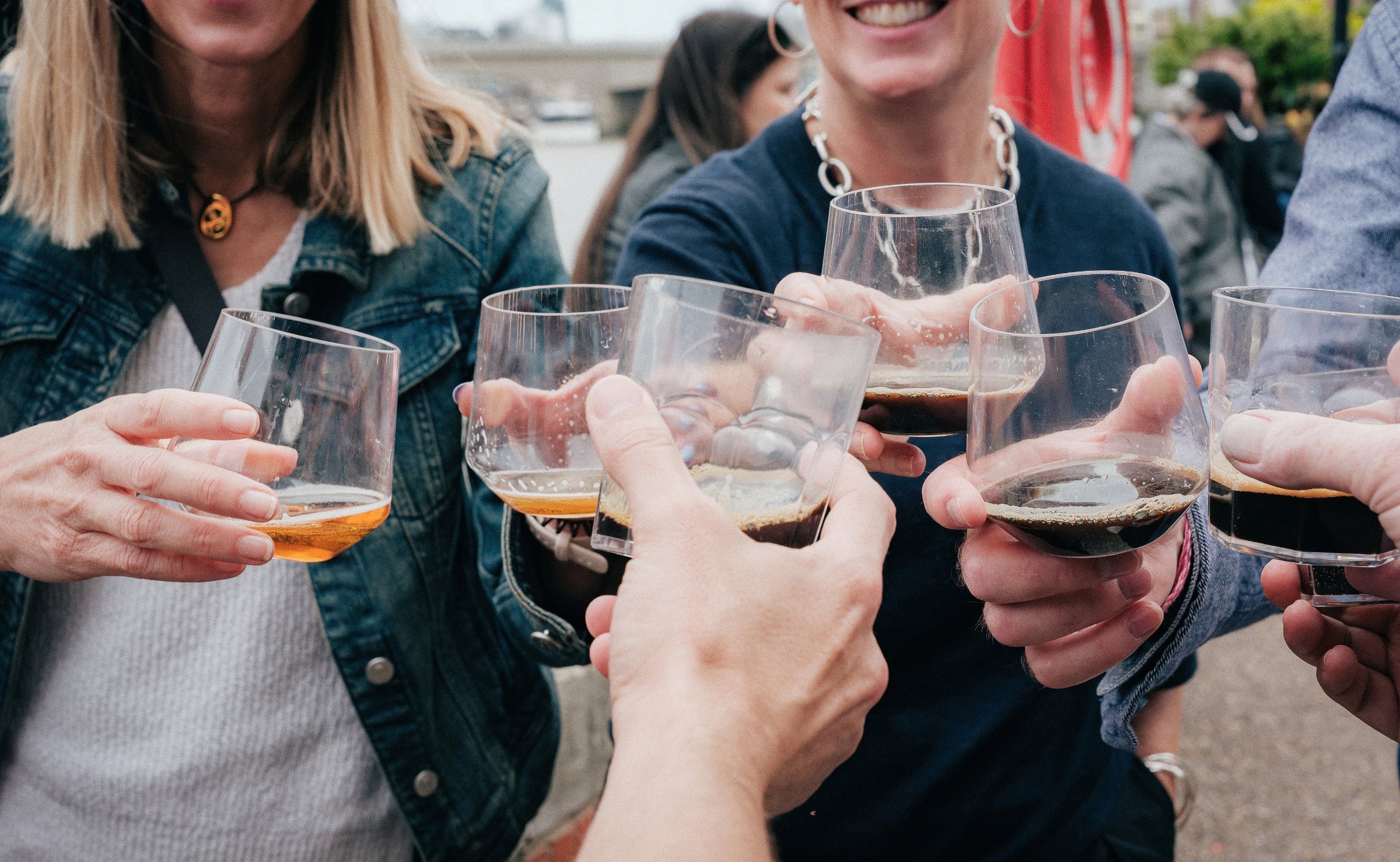
Pubs and beer are a symbol of British society and tradition as much as tea and cakes, and fish and chips. But beyond the stereotypes, do you know what lies behind the tradition of beer and pubs? This 3-hour historic London Beer & Pub Tour offers a new perspective and appreciation of beer as we enjoy ample tastings at various pubs and breweries located in the Southwark/Borough area. Led by an expert in the beer and brewing industry, we’ll focus on the history of brewing in London, highlighting beer’s evolution from a dietary staple to the almost lost tradition of cask ales, to today’s renaissance of craft beer and brewing.
Tour Description
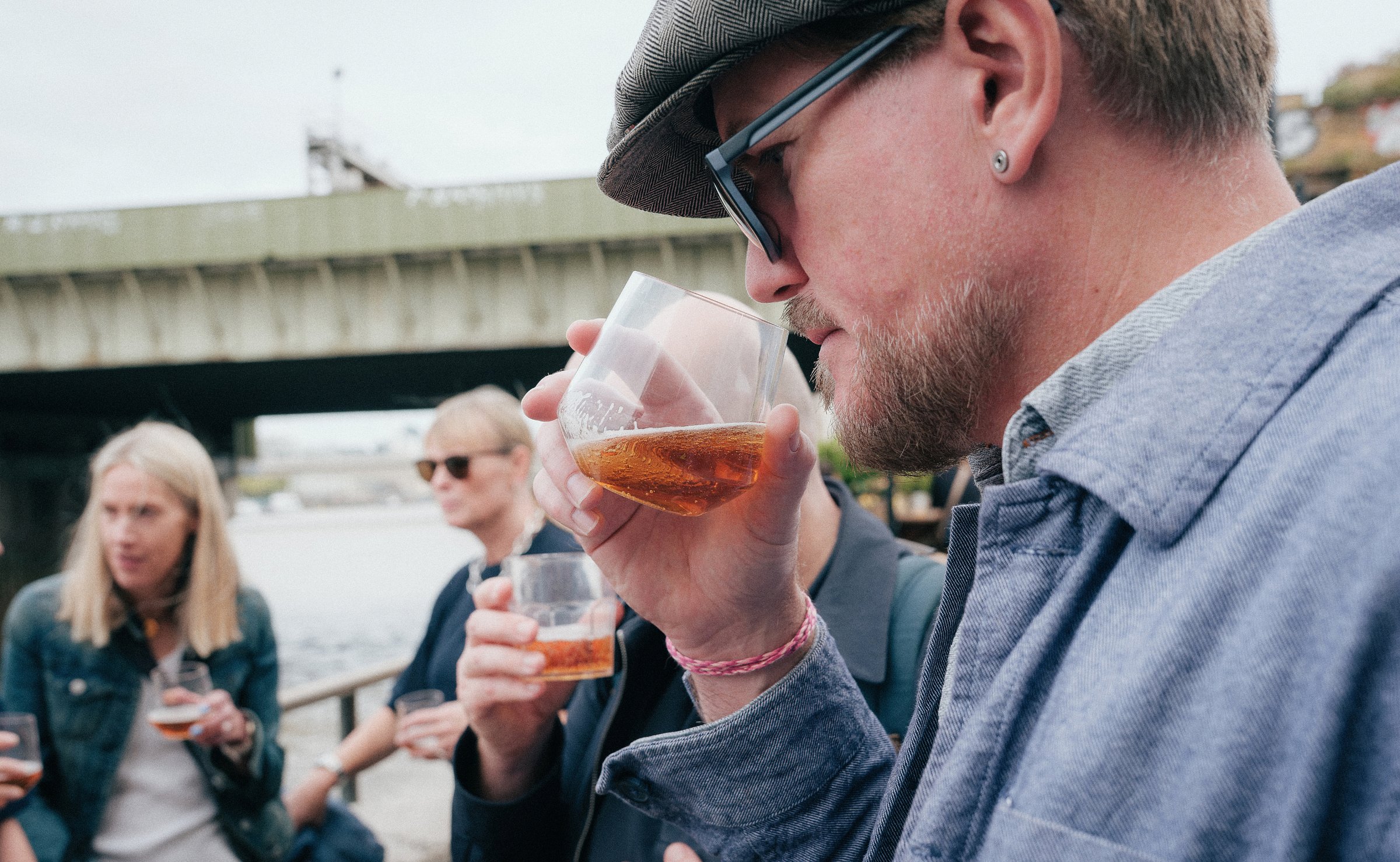
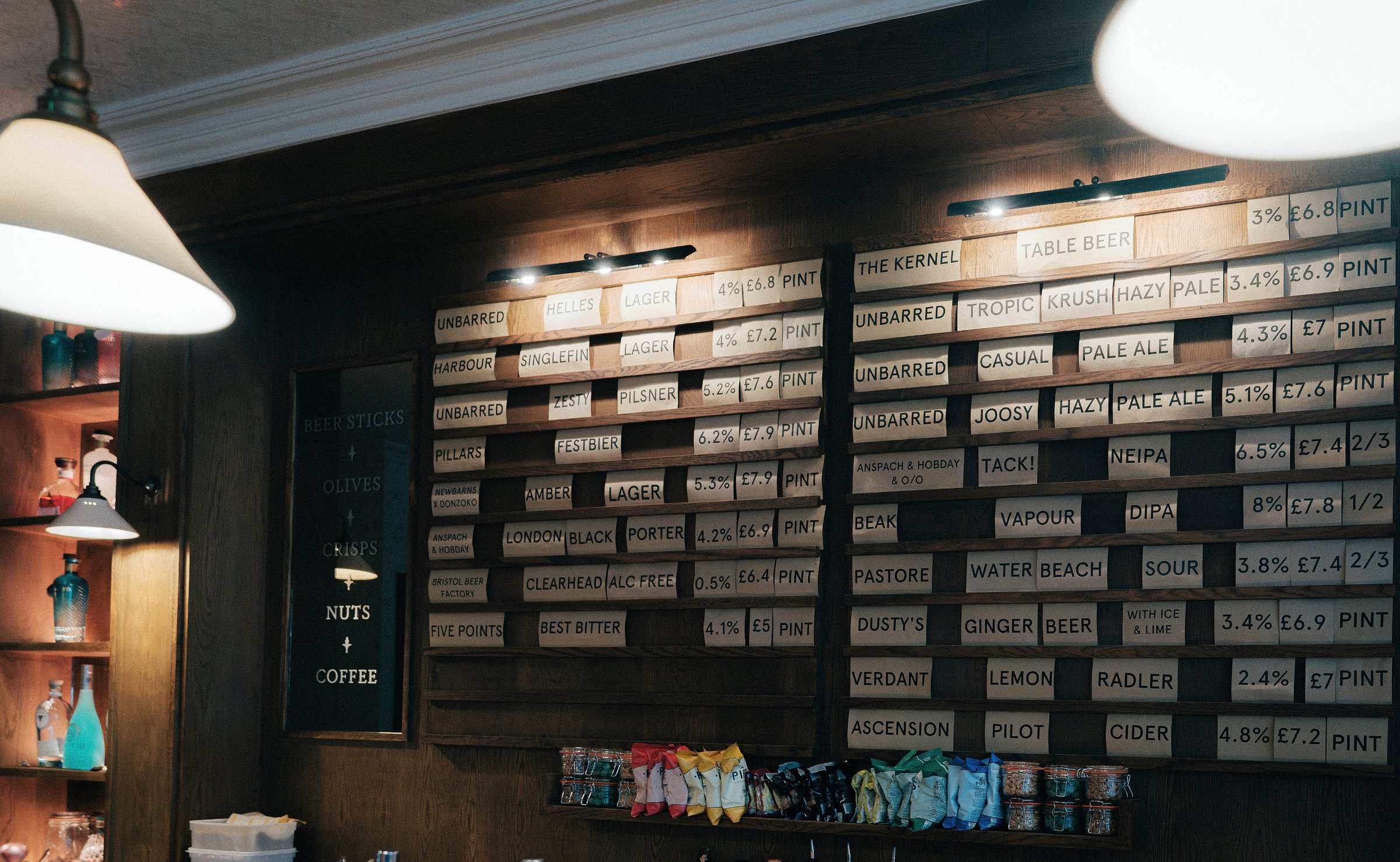
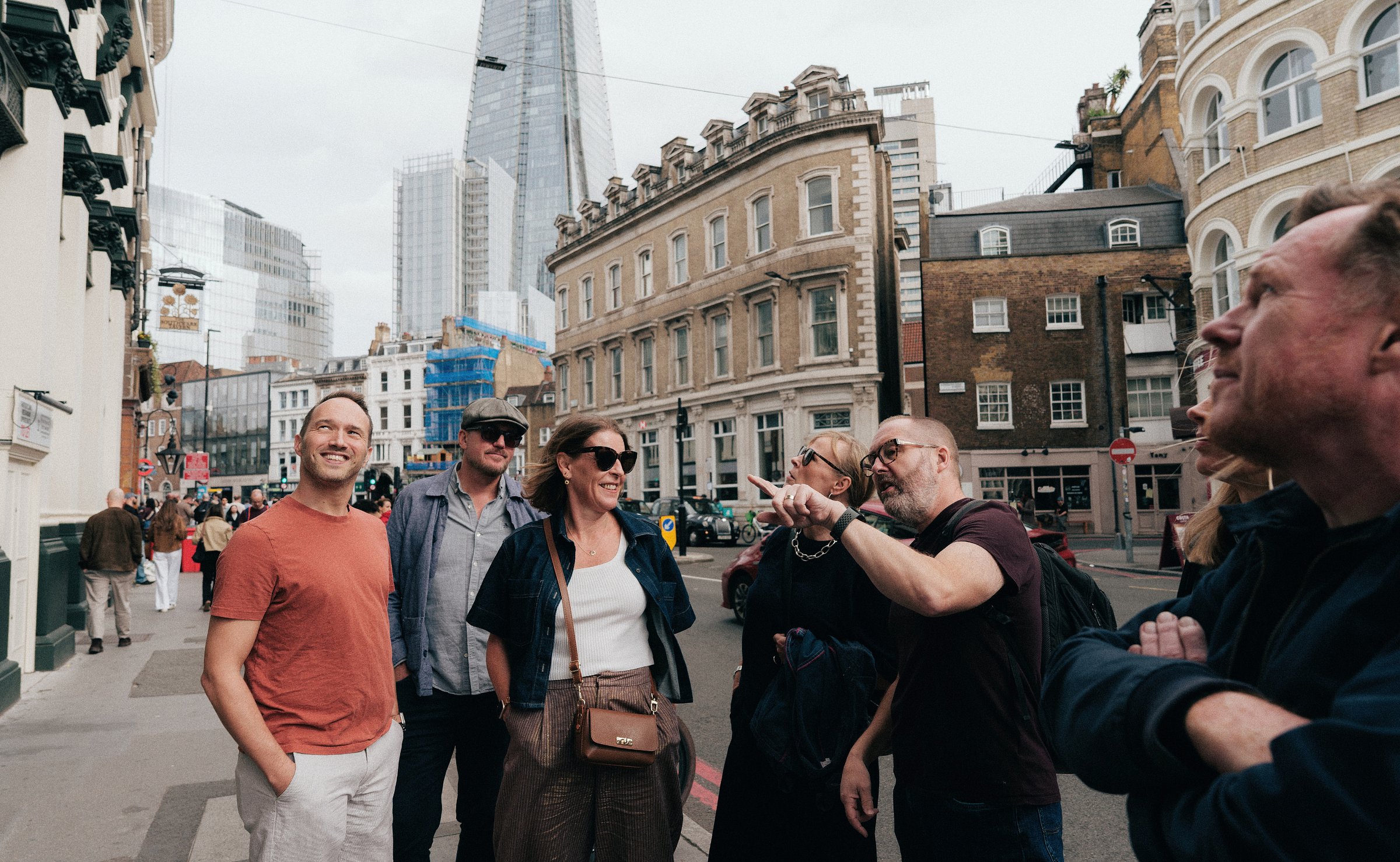
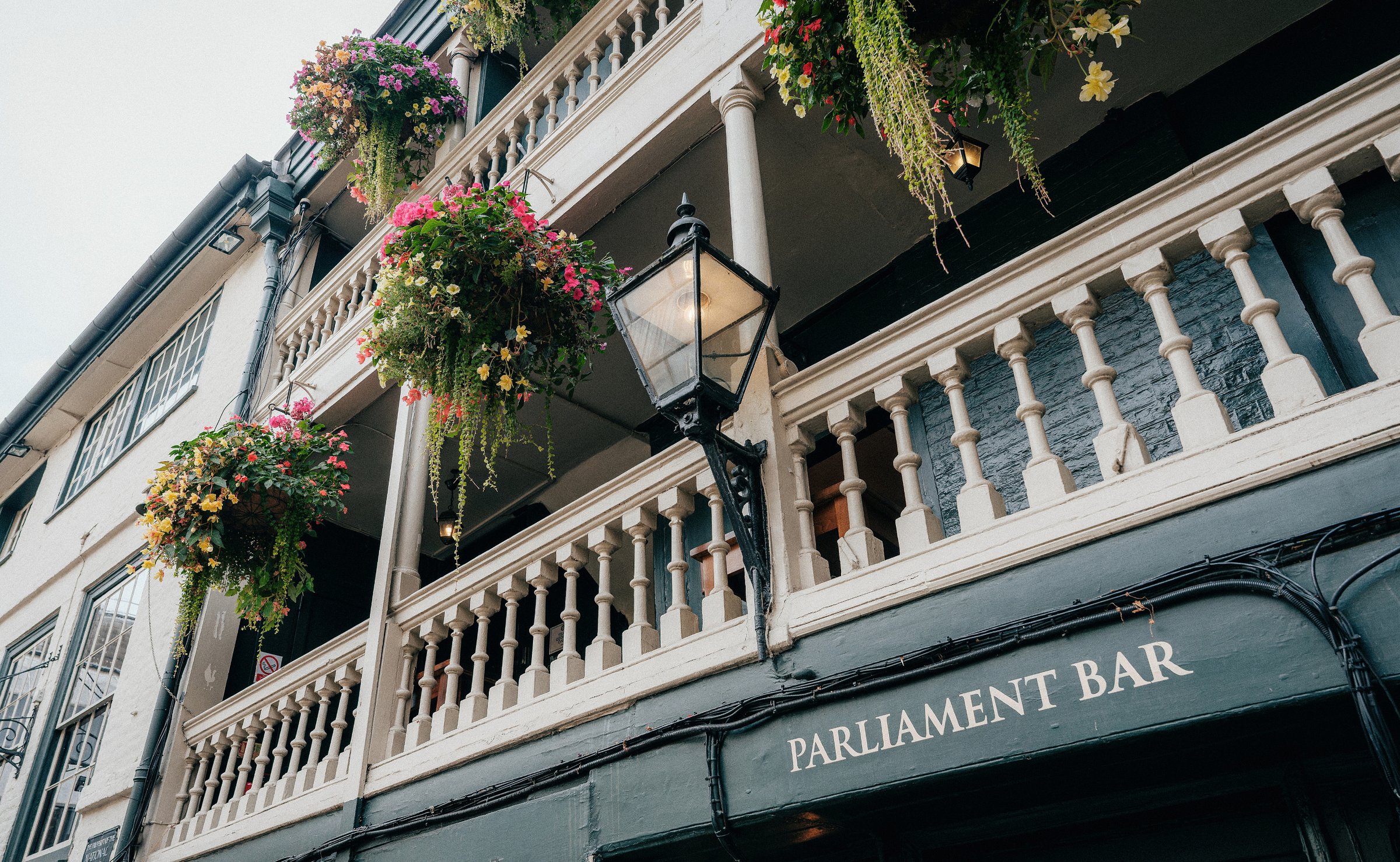
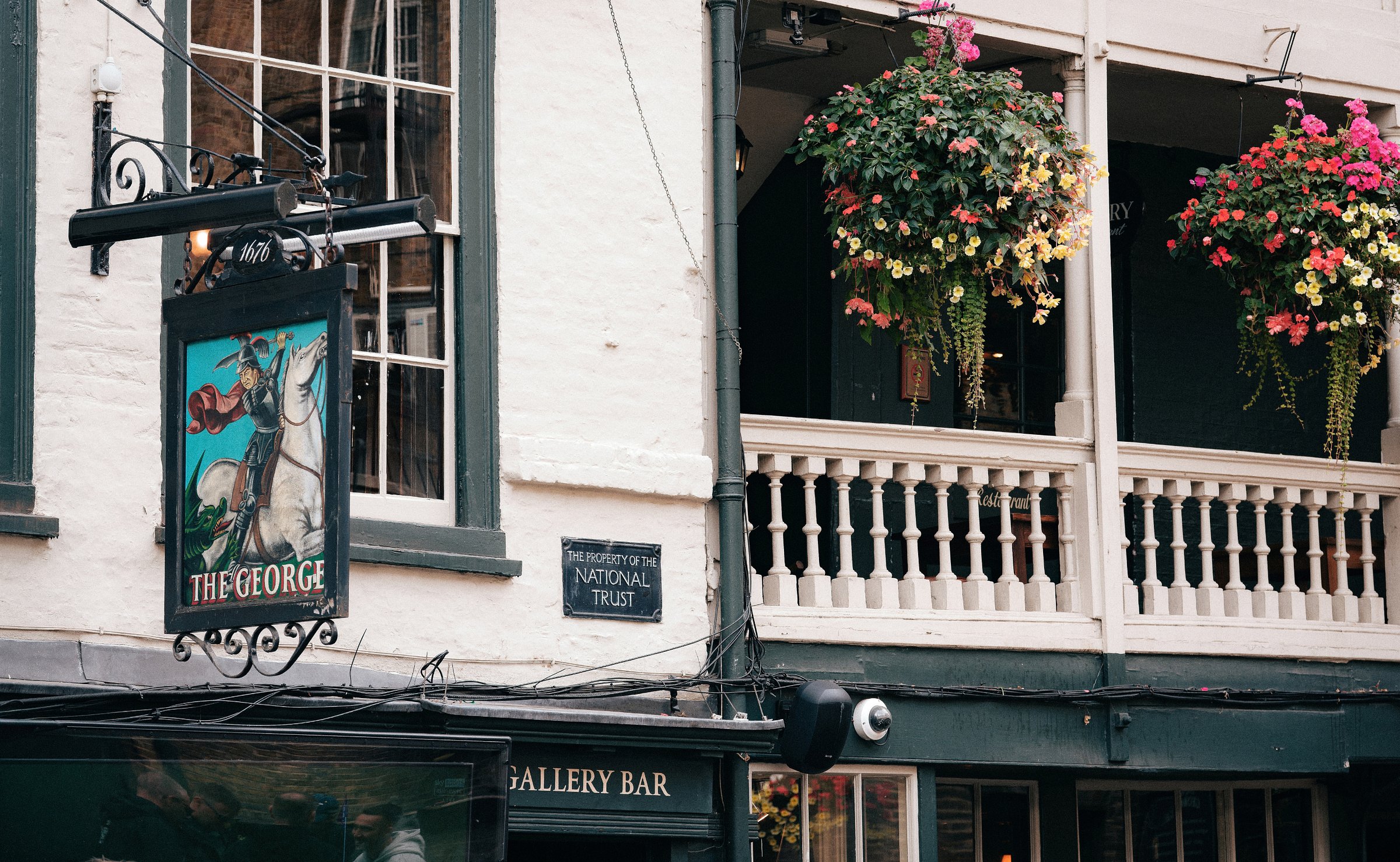
Our walk, led by a food anthropologist or beer expert, travels through London's historic Borough and South Bank area, visiting pubs that hark back to the days when London was the brewing capital of the world. We visit the site of what was once the world's biggest brewery, discover the hidden history of the hop trade, and meet Jacob the dray horse, among other highlights. Following our walk, we'll discover some classic London pubs, including the last remaining Southwark inn, dating from at least the 16th century. Along the way, we'll sample some excellent cask beer, a unique British specialty, in the company of an expert beer taster and judge -- you may even get a chance to pull your own pint. The exact stops and presentation will vary depending on the guide and group and what's available on the day, but will always include plenty for anyone with an interest in London's great brewing scene past and present.
Take Aways
Along the way, we will sample a range of British and local beers to experience the diversity of the country’s brewing industry. We will examine how all of these products fit into the British diet, along with other culinary traditions and philosophies. At the end of the walk, we will have gained an understanding of the significance of beer in British history, including its contribution to diet, its social status, and the decline and rebirth of the brewing industry in England.
Food enthusiasts, we suggest you also take a look at our London Food Tour! If you're looking for insider recommendations, get expert tips in our London City Guide.
Food enthusiasts, we suggest you also take a look at our London Food Tour! If you're looking for insider recommendations, get expert tips in our London City Guide.
Booking Instructions
Please note any allergies or intolerances in the notes box when booking.
FAQ
Where do we meet? Where does it end?
Generally speaking, the walk begins and ends in the Shoreditch neighborhood. Your confirmation email will have the exact meeting point details along with a map.
What if it’s raining?
Tours operate rain or shine. There is some walking in between pubs, but the vast majority of this tour takes place indoors.
Can children join this tour?
The legal drinking age in the UK is 18. Under-18s are allowed on private bookings, but they can not drink.
Is this a walking-intensive tour?
This walk covers around 2.5 miles. There are plenty of opportunities to sit and use the bathroom if needed. The bars we visit have ground-floor bathrooms.
Is this tour a pub crawl?
This tour is not a stereotypical "pub crawl" focused on drinking. Our Beer Tour does offer tastings throughout with historical background on pub culture and the revolution of brewing in London.
Is this tour a pub crawl?
This tour is not a stereotypical "pub crawl" focused on drinking. Our Beer Tour does offer tastings throughout with historical background on pub culture and the revolution of brewing in London.



Meet the Experts






Where You’ll Go
From iconic landmarks to tucked-away local favorites, these are the places you’ll explore and experience firsthand with your Expert.
-
Borough MarketHistoric food market with local and international flavors.
-
Classic English Pub
What’s Included As Standard
Here’s a look at what your tour covers, plus anything you’ll want to consider arranging separately, so you can plan with confidence.
Included
-
English-speaking expert guideTours led in English, offering you unbroken understanding throughout.
-
Intentionally sized groupsA smaller group means more time for conversations and questions.
-
Tickets and entrance feesAll entry tickets included (unless clearly stated otherwise).
-
HeadsetsHeadsets are included on tours that need them, so every word can be heard.
Not Included
-
GratuitiesTips aren’t included, but we encourage tipping as a way to thank your guide after your experience.
-
Food and drinkUnless booking a Food & Drink tour or tasting experience, refreshments are not included.
-
Transportation to and from the meeting pointUnless noted, pre- and post-tour transport isn’t included - this service can be added by request.
-
Hotel pickup or drop-offUnless noted, travel to or from accommodation isn’t included - this service can be added by request.
Where You'll Explore
Make the Most of Your Tour
Some helpful advice for getting the most from your experience, from practical prep to small on-the-day tips.
Dos:
- Wear comfortable footwear
- Check the weather and dress appropriately
- Bring a bottle of water (no glass)
- Feel free to ask your Expert anything
Don'ts:
- Bring firearms or weapons
- Bring sharp objects (e.g. knives, swiss army knives, switchblades, hiking sticks)
- Dress inappropriately to enter religious sites or sacred monuments
Any questions? You can always
contact us.
Don’t just take our word for it
Doris was such an incredible tour guide! She was not only so informative about the history and culture around pubs, cask and beer, she was so personable which made the tour quite exceptional. To start, she sent me a personalized text to describe what she was wearing and her appearance. This was very helpful as it was my first time in London and I had no idea where I was going. As a solo women on the tour, she made me feel so comfortable and even went as far as spending an additional 4 hours with me when my tour ended! She showed me the underground transit system, took me to see the London Tower which was not originally a part of my tour, but because she is so passionate and amazing, she wanted to make sure I saw a key part of London’s history on my last day in the city. I would highly recommend her for your tour, she exceeded all of my expectations and can’t wait to see her in the future!
We had a fantastic time with Chris! We learned so much about beer and British history. Who knew that a beer tour would be the best place to learn about British literary history? He entertained all of our questions and was a great storyteller! It was a unique way to experience, Borough market and South London. Highly recommend!
Let Your Curiosity Shape Your Journey
Join passionate experts on intimate walking tours that reveal a city’s unique stories, spark conversations, and leave you seeing the world—and yourself—a little differently.
Structured, never scripted
Your interests guide your Expert, leading to stories and perspectives that matter to you.
Crafted for conversation
With 12 or fewer guests, ask questions, engage with your Expert, and fully immerse yourself.
Experts, not guides
Explore with 1,200+ Experts—from historians and architects to archaeologists and chefs.
Related experiences our customers also loved


London Beer & Pub Tour
Beer has been part of London life for centuries, but the story is bigger than what was poured into the glass. Breweries employed thousands of people, pubs became essential social spaces, hops and grain moved through the city as valuable commodities, and changing technologies transformed beer from a locally produced staple into a major industry. On this London beer and pub tour, a food anthropologist or beer specialist uses the pubs, streets, and former brewing sites around Southwark and Borough to trace that evolution—from older brewing traditions through cask ale and the modern craft-beer revival. Tastings along the way turn brewing history into something you can compare directly rather than simply hear about. The experience is not designed around drinking as much as possible. It is about understanding why British beer tastes the way it does, why the pub became such an important institution, and how both changed alongside London itself.
Beer was once far more integrated into daily life than it is today. Before industrial brewing, beer was produced on a much smaller scale in homes, inns, institutions, and local brewhouses. As the use of hops expanded and brewing technology developed, beer became easier to preserve and distribute over greater distances.
London’s size made it particularly important to that transformation. A huge urban population created demand, while access to trade, transport, labor, grain, and hops helped large commercial breweries emerge. By the eighteenth and nineteenth centuries, London was one of the major centers of British brewing.
Beer also became inseparable from the pub. Public houses offered far more than alcohol: they were places to meet, exchange information, conduct business, eat, debate, and socialize. That social role helps explain why pub culture remained so deeply embedded in British life even as brewing itself became increasingly industrialized.
The tour uses both the drink and the places serving it to tell that wider story.
Cask ale continues to develop after it leaves the brewery. Live yeast remains in the beer, allowing a final stage of fermentation—or conditioning—to take place in the cask before it is served. Unlike many keg beers, traditional cask ale is served without additional carbon dioxide being injected into it.
That affects both texture and flavor. Cask beer generally has gentler carbonation and depends heavily on how it is stored, conditioned, and served in the pub. Cellarmanship therefore becomes part of the finished product in a way many drinkers do not initially realize.
The tradition came under pressure during the twentieth century as large breweries increasingly favored processed and kegged beers. The founding of the Campaign for Real Ale (CAMRA) in 1971 helped revive interest in cask-conditioned beer and preserve a style that might otherwise have become much less common.
That history makes a pint of cask ale useful evidence. It represents not only a beer style, but a particular way of brewing, storing, serving, and drinking that remains closely associated with British pub culture.
Southwark developed outside the historic walls of the City of London and became associated with inns, markets, entertainment, travelers, and industries that were not always accommodated comfortably inside the City itself. Its position near the Thames and major routes into London also made it a natural place for goods and people to circulate.
That makes the Borough and Southwark area especially useful for exploring beer history. The current tour passes former brewing sites, traces the hop trade, visits historic pubs, and discusses the period when London was one of the world’s great brewing centers. It also connects that earlier industry with contemporary cask and craft beer.
This distinguishes it from Context’s London by Night Tour, which uses pubs as one part of a broader story about London’s evening culture, theatre, Chinatown, and nightlife. The London Beer Tour is the specialist choice when beer, brewing, pub history, and tasting are the main subjects.
For travelers more interested in what Britain eats than what it drinks, the London Food Tour is the complementary experience, focusing on British food culture and local specialties.
What is the difference between ale and lager?
The traditional distinction begins with fermentation. Ales are generally fermented with yeast working at warmer temperatures, while lagers traditionally use different yeast strains and cooler fermentation and maturation conditions.
British pub culture became especially associated with ale styles such as bitter, mild, porter, stout, and pale ale.
What is “real ale”?
“Real ale” was a term popularized by CAMRA in the 1970s for traditionally produced beer that continues conditioning in its final container and is served without added carbon dioxide. Today, cask-conditioned beer or cask ale is often the more descriptive term.
Why is cask ale served differently from keg beer?
Cask ale contains live yeast and continues conditioning in the pub cellar. It therefore requires careful storage, temperature control, settling, and dispense. Its carbonation is produced naturally rather than primarily through injected gas, which usually gives it a softer mouthfeel than many keg beers.
What kinds of beer will we taste?
The precise selections vary according to the pubs, breweries, Expert, and what is available that day. The experience is designed to compare British and local beers, including cask ale and examples that help explain the relationship between traditional British brewing and the modern craft-beer scene.
Do I need to know anything about beer before the tour?
No. The tour is structured to explain brewing, tasting, and British beer culture from the ground up. The Expert's context should also make it worthwhile for travelers who already know beer and want more historical depth.
Why did cask ale nearly disappear?
During the twentieth century, brewery consolidation and the growth of filtered, pasteurized, and force-carbonated keg beer put traditional cask beer under considerable commercial pressure.
CAMRA was founded in 1971 partly in response to that shift, and its campaigning helped renew consumer interest in cask-conditioned beer.