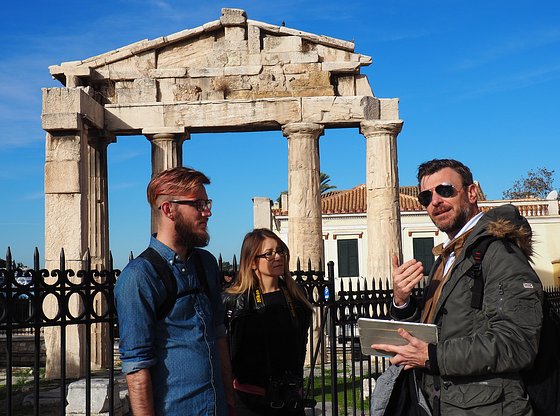
Evita took so much care to engage our boys, Though we had visited the Acropolis before and the museum, we learned so much from the tour with Evita. We had a great experience!

Acropolis Tour for Kids
Experience the Acropolis as a story, not a site, for every age


The Finer Details
The Acropolis is more than a collection of ruins, it’s a place shaped by stories, beliefs, and everyday life. With the right guide, those layers begin to reveal themselves in ways that feel natural and engaging for everyone exploring together.
Your Context Expert knows how to bring these ideas into focus without overwhelming younger minds. Myths become familiar entry points, and stories your children may already recognize start to connect with what they see around them.
As you move across the site, the experience unfolds at a pace that works for families. Explanations stay clear and purposeful, keeping kids curious while giving you the space to listen, ask questions, and enjoy the experience alongside them.
The Parthenon and surrounding temples begin to feel more approachable. They reflect choices, beliefs, and ambitions that shaped Athenian life. What do these monuments reveal about the people who built them, and why does it still matter today?
The experience then continues into the Acropolis Museum, where objects reconnect with their original setting. Details sharpen, connections deepen, and the bigger picture comes into view, leaving you with a shared understanding that feels both clear and lasting.























Where You’ll Go
From iconic landmarks to tucked-away local favorites, these are the places you’ll explore and experience firsthand with your Expert.
-
AcropolisAncient Athens citadel with temples including the Parthenon, symbol of classical Greece.
-
ParthenonAncient temple on Athens’ Acropolis dedicated to the goddess Athena and civic worship.
-
Acropolis MuseumAthens museum displaying artifacts from the Acropolis and classical Greece.
What’s Included As Standard
Here’s a look at what your tour covers, plus anything you’ll want to consider arranging separately, so you can plan with confidence.
Included
-
English-speaking expert guideTours led in English, offering you unbroken understanding throughout.
-
Intentionally sized groupsA smaller group means more time for conversations and questions.
-
Tickets and entrance feesAll entry tickets included (unless clearly stated otherwise).
-
HeadsetsHeadsets are included on tours that need them, so every word can be heard.
Not Included
-
GratuitiesWe encourage tipping as a way to thank your guide after your experience.
-
Food and drinkRefreshments are only included during a tour when clearly noted.
-
Transportation to and from the meeting pointUnless noted, pre- and post-tour transport isn’t included - this service can be added by request.
-
Hotel pickup or drop-offUnless noted, travel to or from accommodation isn’t included - this service can be added by request.
Where You'll Explore
Make the Most of Your Tour
Some helpful advice for getting the most from your experience, from practical prep to small on-the-day tips.
Dos:
- Wear comfortable footwear
- Check the weather and dress appropriately
- Bring a bottle of water (no glass)
- Feel free to ask your Expert anything
Don'ts:
- Bring firearms or weapons
- Bring sharp objects (e.g. knives, swiss army knives, switchblades, hiking sticks)
- Dress inappropriately to enter religious sites or sacred monuments
Any questions? You can always
contact us.
Frequently Asked Questions
The Athens Archaeological Site tickets are valid for admission to Acropolis and Slopes. It doesn't include the Acropolis Museum, that's why we purchase a different ticket for the Acropolis Museum.
No. Strollers are not permitted within the Acropolis archaeological site. There is a stroller check at certain entrances, but not at the entrance closest to our meeting point. We advise you to leave your stroller at the hotel for this tour!
The sites we visit currently do not allow groups larger than 9.
Book with confidence — see Context's flexible cancellation policy here.
The Acropolis has made certain efforts to allow access to clients of varying levels of mobility. Clients who think they will need elevator access to avoid the numerous stairs should come prepared with a justification of disability-anything from a disability card or placard to a signed doctor's note will suffice.
Don’t just take our word for it
Anthi was an excellent guide. Patient with us and our kid, who loved clambering about, and very knowledgable. The tour time flew by and we came away feeling we learned a great amount and happy.
Sophia was wonderful. She handled excited kids like a pro. Our 5 year old was actually listening. As the oldest member of our group I was a little worried about the uphill walk and being able to keep up. The pace was manageable. Sophia was knowledgeable and shared her knowledge readily. We all had a wonderful day.
Let Your Curiosity Shape Your Journey
Join passionate experts on intimate walking tours that reveal a city’s unique stories, spark conversations, and leave you seeing the world—and yourself—a little differently.
Structured, never scripted
Your interests guide your Expert, leading to stories and perspectives that matter to you.
Crafted for conversation
With ten or fewer guests, ask questions, engage with your Expert, and fully immerse yourself.
Experts, not guides
Explore with 1,200+ Experts—from historians and architects to archaeologists and chefs.