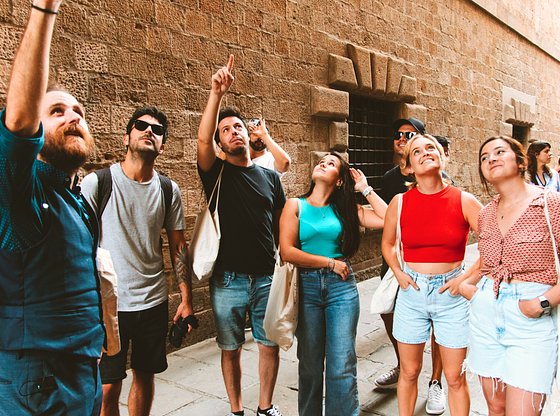
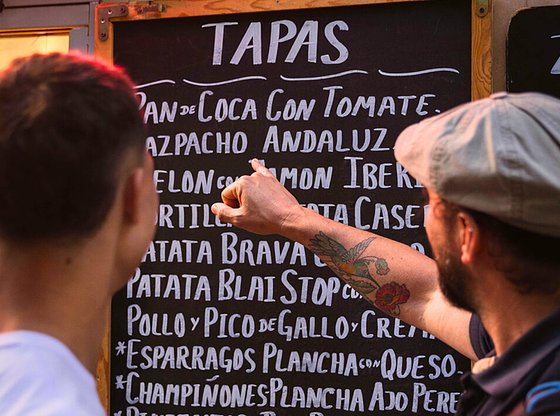
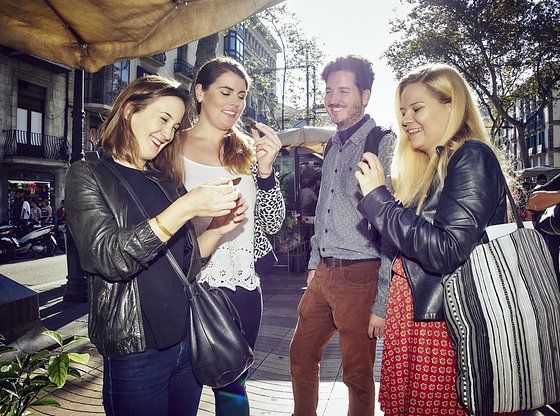
Brendon was a great tour guide! Very knowledgeable.

Barcelona Food Tour: La Boqueria Market
Taste Catalan food culture through La Boqueria’s stalls
The Finer Details
Barcelona’s vibrant La Boqueria market attracts Michelin-starred chefs and local grandmothers equally. As the center of the city's food scene and epicenter of Catalan gastronomy, the Boqueria offers an unparalleled opportunity to experience the sights, smells, and tastes of gastronomic Barcelona. On this 3-hour Barcelona food tour of La Boqueria Market, we'll explore the market and nearby specialty food shops, tracing the history of food in this culinary city. In the company of a chef or food writer, we'll get a basic overview of regional Catalan gastronomy while tasting local specialties.
Tour Description
We begin by getting a foundation of Catalan culinary traditions, usually over a cup of traditional hot chocolate at a historic dairy. We'll then move on to La Boqueria, which, although it's now located in newer buildings, was established in the 13th century, making it one of Europe’s oldest markets. We’ll discuss the long history of public markets in Barcelona, from the medieval period to their revitalization in the 1990s.
We’ll spend the majority of our time together under the glistening canopy of La Boqueria itself. We’ll venture into the briny, wet stands where fresh fish, shellfish, and an array of mollusks are arranged over beds of ice. We'll stop to examine freshly hunted wild mushrooms or to inhale the salty aromas of cured jamon and embotits. We may sample typical dishes at such famed tapas bars as Pinotxo (for those wanting a closer look at Barcelona's tapas culture, we recommend our Barcelona Tapas Tour). Along the way, our expert guide, a trained food critic, chef, or local historian, will explain some of the origins and provenance of these foods against the backdrop of Catalonia’s rich culinary history and diverse geography.
Catalan cuisine is as innovative as it is economical: No part of the animal is thrown out. Unusual combinations like rabbit with snails (conejo con caracoles) or pigs feet with nuts and peas (pies de cerdo con piñones y guisantes) illustrate the experiments of ancient Catalan cooks. From this lineage of contrasting flavor profiles and economical exploits, Catalonia leads the world in culinary innovation, boasting many Michelin-star restaurants and forging new frontiers in molecular gastronomy.
Time permitting and depending on the stands we visit inside La Boqueria Market, we may visit a selection of specialty food shops in El Raval and the Gothic Quarter or a modern market building, which contrasts the busier, more visited Boqueria. We may also discuss notable restaurants specializing in “market cuisine” to highlight the interplay between market and restaurant, produce and chef. Trust us, this Barcelona walking food tour won't leave you hungry!
Booking Instructions
Please note any food allergies or intolerances in the Notes box when booking.
FAQ
Is this tour suitable for vegetarians?
Though Catalan food is traditionally meat- and seafood-based, we will taste some items that do not contain animal products.
Though Catalan food is traditionally meat- and seafood-based, we will taste some items that do not contain animal products.
Is this tour wheelchair accessible?
Some of the shops we visit are small, and many will have a step up to access them. The general route may include small streets with narrow sidewalks; please get in touch with us if you have any questions regarding accessibility.
Some of the shops we visit are small, and many will have a step up to access them. The general route may include small streets with narrow sidewalks; please get in touch with us if you have any questions regarding accessibility.


Meet the Experts


Where You’ll Go
From iconic landmarks to tucked-away local favorites, these are the places you’ll explore and experience firsthand with your Expert.
-
La BoqueriaHistoric Barcelona market with fresh produce, local foods, and artisanal products.
-
Various speciality food shops
What’s Included As Standard
Here’s a look at what your tour covers, plus anything you’ll want to consider arranging separately, so you can plan with confidence.
Included
-
English-speaking expert guideTours led in English, offering you unbroken understanding throughout.
-
Intentionally sized groupsA smaller group means more time for conversations and questions.
-
Tickets and entrance feesAll entry tickets included (unless clearly stated otherwise).
-
HeadsetsHeadsets are included on tours that need them, so every word can be heard.
Not Included
-
GratuitiesTips aren’t included, but we encourage tipping as a way to thank your guide after your experience.
-
Food and drinkUnless booking a Food & Drink tour or tasting experience, refreshments are not included.
-
Transportation to and from the meeting pointUnless noted, pre- and post-tour transport isn’t included - this service can be added by request.
-
Hotel pickup or drop-offUnless noted, travel to or from accommodation isn’t included - this service can be added by request.
Where You'll Explore
Make the Most of Your Tour
Some helpful advice for getting the most from your experience, from practical prep to small on-the-day tips.
Dos:
- Wear comfortable footwear
- Check the weather and dress appropriately
- Bring a bottle of water (no glass)
- Feel free to ask your Expert anything
Don'ts:
- Bring firearms or weapons
- Bring sharp objects (e.g. knives, swiss army knives, switchblades, hiking sticks)
- Dress inappropriately to enter religious sites or sacred monuments
Any questions? You can always
contact us.
Don’t just take our word for it
Brenden was great…knowledgeable, entertaining, and accommodating to my physical limitations. Highly recommend!
Esther was amazing. Gave us a great tour of the market and the history and treated us to some of the great tastes. She was also phenomenally prepared for our 9 year old and her exploration through the market. Can’t recommend enough.
Let Your Curiosity Shape Your Journey
Join passionate experts on intimate walking tours that reveal a city’s unique stories, spark conversations, and leave you seeing the world—and yourself—a little differently.
Structured, never scripted
Your interests guide your Expert, leading to stories and perspectives that matter to you.
Crafted for conversation
With 12 or fewer guests, ask questions, engage with your Expert, and fully immerse yourself.
Experts, not guides
Explore with 1,200+ Experts—from historians and architects to archaeologists and chefs.