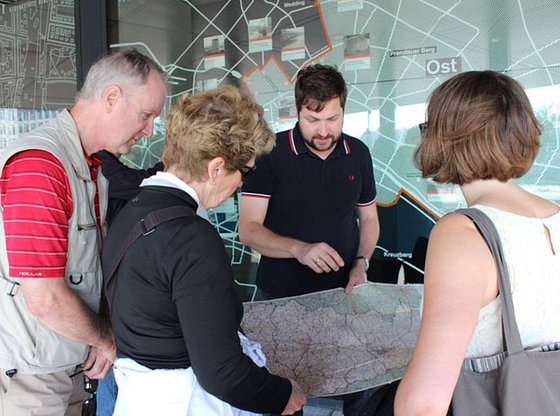
Jochen gave us a highly informative and engaging tour of some of the highlights of Cold War Berlin. We learned so much about not only the history of the period, but also of the architecture that defines Berlin today. Thanks so much for such a stimulating three hours!

Berlin Cold War Tour: Architecture and Ideology
Compare East and West through the city’s divided past
The Finer Details
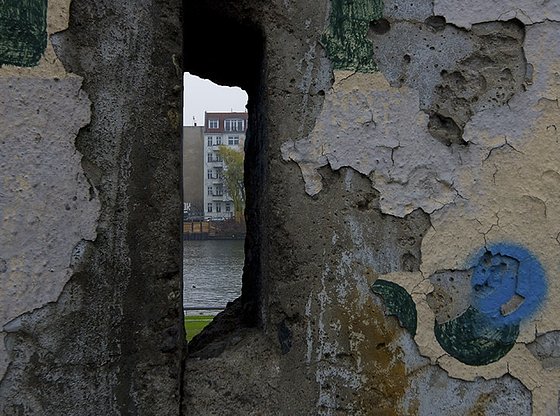
As Europe began to rebuild following the wreckage of the Second World War, Berlin was instead cleaved in two: East Berlin, under Soviet control, and West Berlin, an “island of democracy” deep inside East German territory. On this 3-hour Berlin Cold War tour, we will join a local architectural historian for an in-depth comparison of East and West. We'll focus mainly on buildings and landscapes to build a compelling picture of a divided city and fractured years.
A Model Project of Soviet Architecture
We begin our walking tour on the east side of the city, at Frankfurter Tor on Karl-Marx-Allee. A striking example of Berlin's boulevards, this avenue reminds us that part of the history of the two Berlins is recorded in the naming and renaming of streets and sites. Stalinallee’s immense boulevard was the primary focus of East Germany’s post-war development project, attempting to reorganize Berlin’s urban landscape and stressing the political and visual importance of the city center. In the shadows of the Frankfurter Tor’s twin towers, we will discuss the 1950 decision by communist East German leadership to do away with the “cosmopolitan fantasies” of modernist, decentralized planning and to create a monumental architecture capable of embodying the promise of a new socialist society.
"The tour was fascinating. [Our guide] was very well informed and told interesting stories about Berlin during and after the Cold War. We came away with a whole new view of the city."
The West’s Response: Democracy and Commerce
After uncovering the layers of meaning in the architecture of the former East, we will hop on Berlin’s historic S-Bahn train line and cross to the West. Here, we will explore West Berlin’s response to the communist model of Stalinallee: the reconstructed Hansa Quarter.
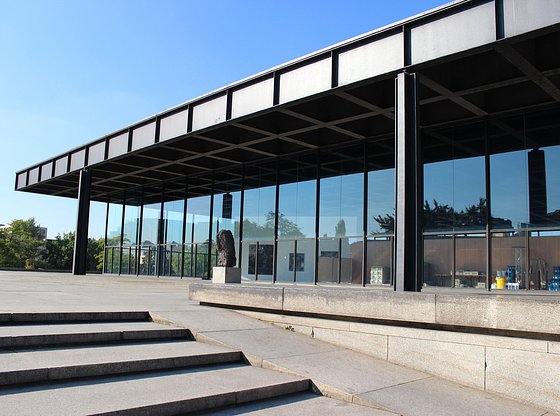
In this neighborhood, in ruins since the Second World War, a host of internationally prominent architects designed a series of individual, overtly modernist buildings scattered across the green, park-like area. We'll discuss how the spaces and structures embody Western principles of freedom, individuality, and the non-authoritarian order of democracy and the marketplace.
Berlin Cold War Tour
By the end of our time together, we will have investigated how architecture and urban planning in Berlin were one of the main fronts in the political and ideological struggle of the Cold War. We'll also be newly equipped with an insightful perspective that will transform the way we see the city thereafter.


Meet the Experts


Where You’ll Go
From iconic landmarks to tucked-away local favorites, these are the places you’ll explore and experience firsthand with your Expert.
-
Karl-Marx-Allee
-
Hansa Quarter
What’s Included As Standard
Here’s a look at what your tour covers, plus anything you’ll want to consider arranging separately, so you can plan with confidence.
Included
-
English-speaking expert guideTours led in English, offering you unbroken understanding throughout.
-
Intentionally sized groupsA smaller group means more time for conversations and questions.
-
Tickets and entrance feesAll entry tickets included (unless clearly stated otherwise).
-
HeadsetsHeadsets are included on tours that need them, so every word can be heard.
Not Included
-
GratuitiesTips aren’t included, but we encourage tipping as a way to thank your guide after your experience.
-
Food and drinkUnless booking a Food & Drink tour or tasting experience, refreshments are not included.
-
Transportation to and from the meeting pointUnless noted, pre- and post-tour transport isn’t included - this service can be added by request.
-
Hotel pickup or drop-offUnless noted, travel to or from accommodation isn’t included - this service can be added by request.
Where You'll Explore
Make the Most of Your Tour
Some helpful advice for getting the most from your experience, from practical prep to small on-the-day tips.
Dos:
- Wear comfortable footwear
- Check the weather and dress appropriately
- Bring a bottle of water (no glass)
- Feel free to ask your Expert anything
Don'ts:
- Bring firearms or weapons
- Bring sharp objects (e.g. knives, swiss army knives, switchblades, hiking sticks)
- Dress inappropriately to enter religious sites or sacred monuments
Any questions? You can always
contact us.
Don’t just take our word for it
It was amazing
Our tour today was fantastic with Lauren. We loved getting to learn more about the history of the city beyond the usual tourist landmarks. Would highly recommend this tour.
Let Your Curiosity Shape Your Journey
Join passionate experts on intimate walking tours that reveal a city’s unique stories, spark conversations, and leave you seeing the world—and yourself—a little differently.
Structured, never scripted
Your interests guide your Expert, leading to stories and perspectives that matter to you.
Crafted for conversation
With 12 or fewer guests, ask questions, engage with your Expert, and fully immerse yourself.
Experts, not guides
Explore with 1,200+ Experts—from historians and architects to archaeologists and chefs.