He’s dope! Would tour a sewer plant with this guy: great humor, so smart, very thoughtful.

Berlin Wall Tour
The Wall's hardest history, made human at the Memorial
The Finer Details
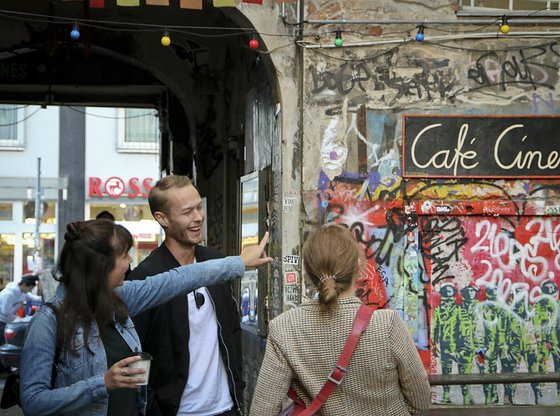
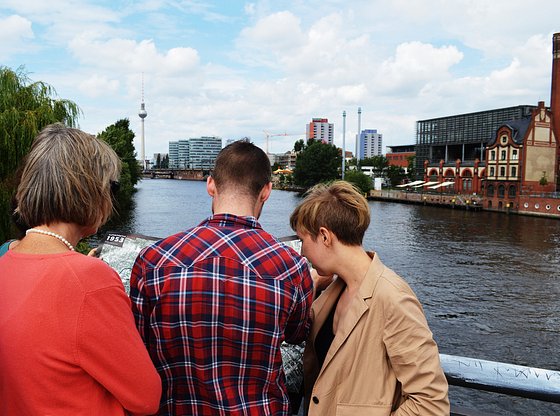
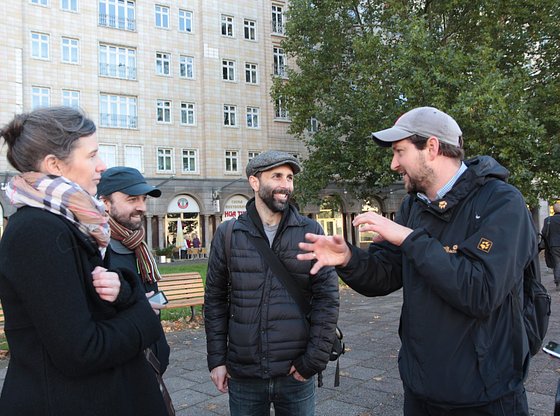
More than 30 years after its fall, the Berlin Wall still looms large. Led by an expert in 20th-century history, this 3-hour Berlin Wall walking tour traces the footprint of the wall through the city’s center, unraveling the complex forces that shaped Berlin's history. We will investigate the meaning behind the Wall's construction, the realities of life in a divided city, and the dramatic events of its fall. We will also visit the Berlin Wall Memorial.
Berlin Wall Tour
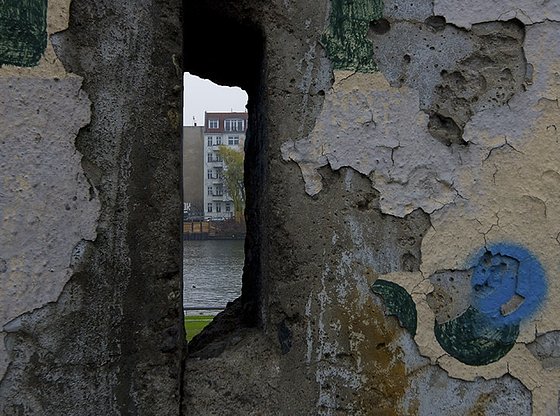
For over a quarter century, the imposing concrete barrier of the Berlin Wall with its notorious “death strip” stood as an ominous reminder of the divide between Western Europe and the Eastern Bloc. Beginning at the Berlin Wall Memorial, the site of some of the most astonishing escape attempts from the communist East, we will explore numerous exhibitions, memorials, artworks, and historical locations. We will see how the Wall was constructed and expanded, how it operated as a symbol of the Cold War, and how and why it ultimately fell. Finally, we will discuss the irony that Berlin is now deeply associated with a structure that no longer exists.
A New Germany
After the momentous dismantling of the Wall began in 1989, larger issues of national identity in newly unified Germany immediately arose. As we continue our walk and pass the many memorial sites along our route—including the “ghost stations” exhibit at Nordbahnhof—we will consider vital questions about the tension in Germany’s difficult history. On one hand is the desire to move on and leave these troubles in the past; on the other, the need to preserve what remains of this history.
Depending on the day and the guide, our walk often ends at the Brandenburg Gate or Potsdamer Platz. Even as our time together comes to a close, we'll still have big questions to mull over. Should the divisions of the city be erased completely? Or, etched forever into its memory? The physical barriers of the Berlin Wall have mostly vanished, but the shockwaves caused by its rise and fall carry on today.
Addenda
If you'd like to learn more about the Cold War through the lens of architecture, check out our Berlin Cold War tour. Also, our Berlin Wall Tour for Kids offers a counterpart to this walk, specially designed for groups with young children.
FAQ
Where does the walk end?
This walk usually ends around the Brandenburg Gate/Potsdamer Platz area.
This walk usually ends around the Brandenburg Gate/Potsdamer Platz area.
Why doesn't this walk visit the East Side Gallery or Checkpoint Charlie?
We think that these sites are not the strongest places to dig into the history of the Berlin Wall. We do include the East Side Gallery on our Berlin Wall for kids tour because we think it's a great place to visit with children. But we find that the Berlin Wall Memorial and the other locations that we visit on this tour offer far more authentic experiences and deeper insights into Cold War history for adults ready to learn. Plus, the sites are geographically spread out, so we've chosen to leave them out in the interest of time.
We think that these sites are not the strongest places to dig into the history of the Berlin Wall. We do include the East Side Gallery on our Berlin Wall for kids tour because we think it's a great place to visit with children. But we find that the Berlin Wall Memorial and the other locations that we visit on this tour offer far more authentic experiences and deeper insights into Cold War history for adults ready to learn. Plus, the sites are geographically spread out, so we've chosen to leave them out in the interest of time.


Meet the Experts


Where You’ll Go
From iconic landmarks to tucked-away local favorites, these are the places you’ll explore and experience firsthand with your Expert.
-
Berlin Wall Memorial
What’s Included As Standard
Here’s a look at what your tour covers, plus anything you’ll want to consider arranging separately, so you can plan with confidence.
Included
-
English-speaking expert guideTours led in English, offering you unbroken understanding throughout.
-
Intentionally sized groupsA smaller group means more time for conversations and questions.
-
Tickets and entrance feesAll entry tickets included (unless clearly stated otherwise).
-
HeadsetsHeadsets are included on tours that need them, so every word can be heard.
Not Included
-
GratuitiesTips aren’t included, but we encourage tipping as a way to thank your guide after your experience.
-
Food and drinkUnless booking a Food & Drink tour or tasting experience, refreshments are not included.
-
Transportation to and from the meeting pointUnless noted, pre- and post-tour transport isn’t included - this service can be added by request.
-
Hotel pickup or drop-offUnless noted, travel to or from accommodation isn’t included - this service can be added by request.
Where You'll Explore
Make the Most of Your Tour
Some helpful advice for getting the most from your experience, from practical prep to small on-the-day tips.
Dos:
- Wear comfortable footwear
- Check the weather and dress appropriately
- Bring a bottle of water (no glass)
- Feel free to ask your Expert anything
Don'ts:
- Bring firearms or weapons
- Bring sharp objects (e.g. knives, swiss army knives, switchblades, hiking sticks)
- Dress inappropriately to enter religious sites or sacred monuments
Any questions? You can always
contact us.
Don’t just take our word for it
Excellent tour of the history of the Berlin Wall from someone who loved the experience.
Dora was phenomenal.Brilliant, knowledgeable, kind and expressive. Her grasp of the history, art and culture of Berlin was fantastic! Highly recommended!

Let Your Curiosity Shape Your Journey
Join passionate experts on intimate walking tours that reveal a city’s unique stories, spark conversations, and leave you seeing the world—and yourself—a little differently.
Structured, never scripted
Your interests guide your Expert, leading to stories and perspectives that matter to you.
Crafted for conversation
With 12 or fewer guests, ask questions, engage with your Expert, and fully immerse yourself.
Experts, not guides
Explore with 1,200+ Experts—from historians and architects to archaeologists and chefs.