Silvia was an excellent guide who gave us a great introduction to Venice and its architecture. It was a good way to start our trip to get oriented in the city.

Venice Architecture Tour: Palaces and Canals
Trace the city’s building style from lagoon origins to modernity
The Finer Details
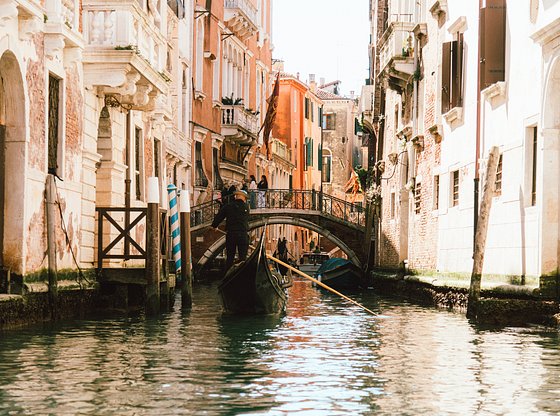
Venice's architecture is unlike that of anywhere else in the world—owing, of course, to its natural context. Everything is built on stilts in the middle of a lagoon. In this Venice architecture tour we'll join a local architect or historian for an in-depth look at how Venetian architecture has evolved from antiquity to today, applying a critical eye to how the city has developed from such implausible origins. This is an excellent walking tour of Venice not only for people with an interest in architecture, but also for generalists looking to more fully comprehend the city.
Venice Architecture Tour
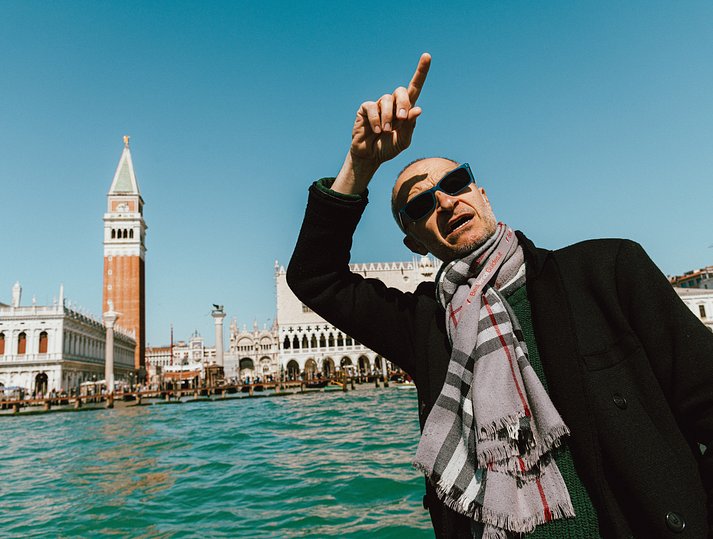
We'll begin our tour in Piazza San Marco, the political seat of Venice, with a discussion of the first settlement in the Venetian lagoon and the subsequent rise to power of the Venetian Republic. We will spend our time dissecting the form and function of these immense structures and their importance in glorifying the Venetian Republic to the outside world. We will then meander toward Campo San Zaccaria, where we will have the chance to discuss the mixture of Gothic and Renaissance styles of this unusual church complex. Next on our tour is Campo Santa Maria Formosa, where we'll learn about the role of public and private spaces in historic Venice and see the modern interventions of Carlo Scarpa on the 16th century Palazzo Querini-Stampalia. We will also fit in a visit to Campo San Giovanni e Paolo to admire the Gothic church and stop for a coffee or gelato.
Walking Tour of Venice
We will then make our way toward the Rialto to explore architecture in the historic commercial and trade district, from the surrounding former merchant quarters to the bridge itself. For a significant part of the city's history, this was the only bridge across the Grand Canal, the current structure being the third incarnation.
Take Aways
By the end of our time together, we will not only have marveled at the opulence of Venetian architecture but will have developed a deeper appreciation for the forces that have shaped the nature of the city, as well as the feats of engineering necessary to sustain these structures for hundreds of years.
For those looking to dig deeper into the technical challenges of keeping Venice afloat, see our Ecology of Venice Tour.

%20-%202026-04-01T135939.174.png)


Meet the Experts


%20-%202026-04-23T141155.341.png)
Where You’ll Go
From iconic landmarks to tucked-away local favorites, these are the places you’ll explore and experience firsthand with your Expert.
-
St. Mark's SquareVenice’s grand public square, where history, architecture, and daily life meet.
-
Rialto Neighborhood
-
Campo San Giovanni e Paolo
-
Campo Santa Maria Formosa
What’s Included As Standard
Here’s a look at what your tour covers, plus anything you’ll want to consider arranging separately, so you can plan with confidence.
Included
-
English-speaking expert guideTours led in English, offering you unbroken understanding throughout.
-
Intentionally sized groupsA smaller group means more time for conversations and questions.
-
Tickets and entrance feesAll entry tickets included (unless clearly stated otherwise).
-
HeadsetsHeadsets are included on tours that need them, so every word can be heard.
Not Included
-
GratuitiesTips aren’t included, but we encourage tipping as a way to thank your guide after your experience.
-
Food and drinkUnless booking a Food & Drink tour or tasting experience, refreshments are not included.
-
Transportation to and from the meeting pointUnless noted, pre- and post-tour transport isn’t included - this service can be added by request.
-
Hotel pickup or drop-offUnless noted, travel to or from accommodation isn’t included - this service can be added by request.
Where You'll Explore
Make the Most of Your Tour
Some helpful advice for getting the most from your experience, from practical prep to small on-the-day tips.
Dos:
- Wear comfortable footwear
- Check the weather and dress appropriately
- Bring a bottle of water (no glass)
- Feel free to ask your Expert anything
Don'ts:
- Bring firearms or weapons
- Bring sharp objects (e.g. knives, swiss army knives, switchblades, hiking sticks)
- Dress inappropriately to enter religious sites or sacred monuments
Any questions? You can always
contact us.
Don’t just take our word for it
Stefano provided a very detailed informative in depth summary of Venice’s history before we began the walking portion of our tour. Stefano answered all of our questions. Stefano a local resident knows all of the ways to easily get around and we highly recommend.
Elena was amazing! She was knowledgeable far beyond our expectations. We really enjoyed the tour. It was just right for us!
Let Your Curiosity Shape Your Journey
Join passionate experts on intimate walking tours that reveal a city’s unique stories, spark conversations, and leave you seeing the world—and yourself—a little differently.
Structured, never scripted
Your interests guide your Expert, leading to stories and perspectives that matter to you.
Crafted for conversation
With 12 or fewer guests, ask questions, engage with your Expert, and fully immerse yourself.
Experts, not guides
Explore with 1,200+ Experts—from historians and architects to archaeologists and chefs.