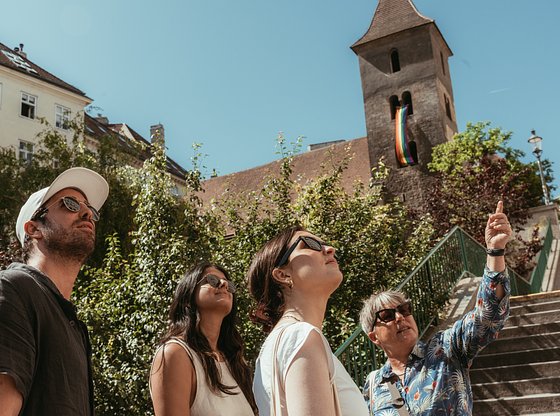


We loved having Elisabeth as our guide on the Schonnbrunn Palace tour! She was a tremendous source of information about Habsburg history and made our tour very enjoyable. Thank you again Elisabeth!
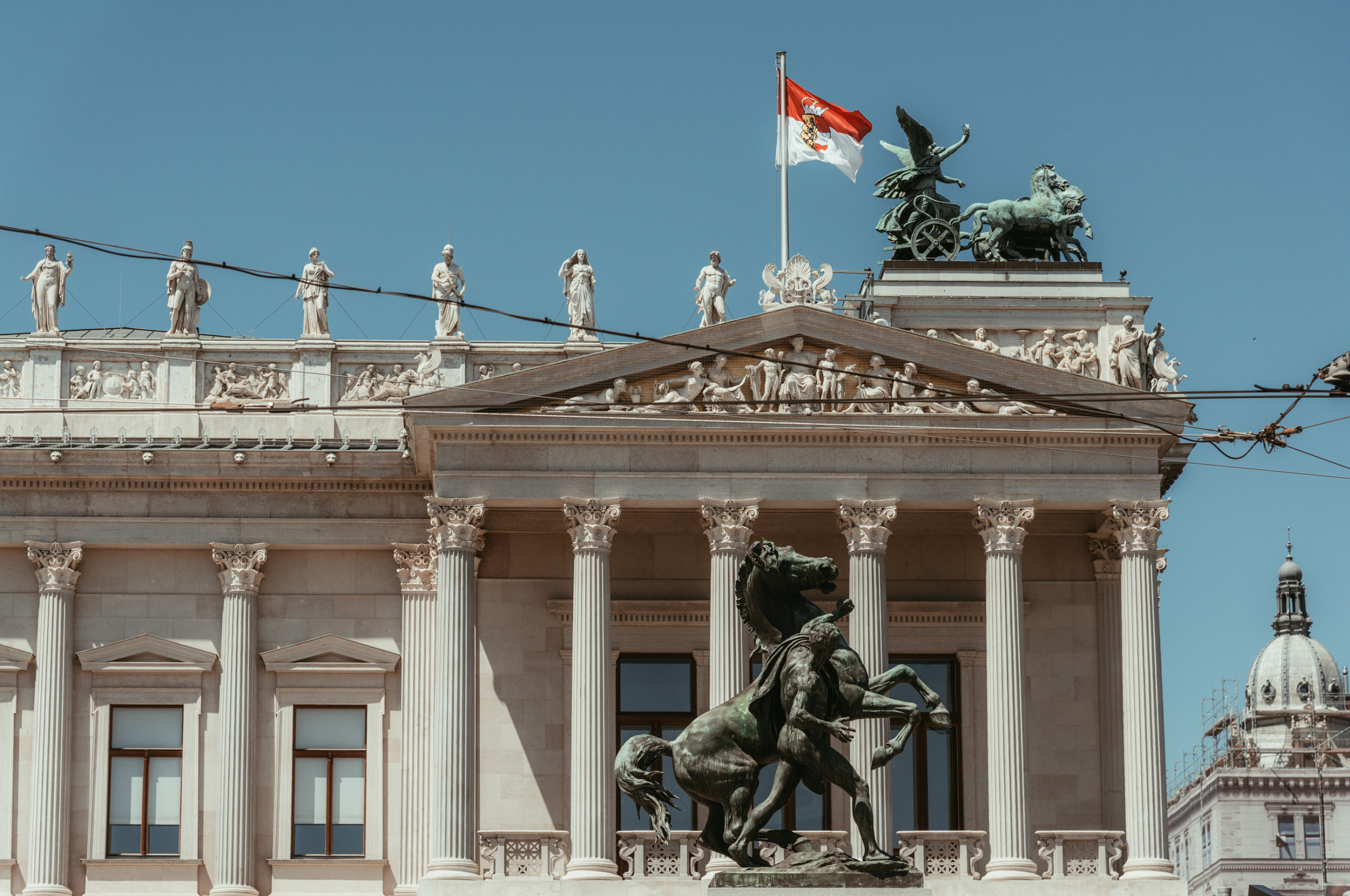
Vienna Tours
Expert-led Vienna private tours that turn imperial grandeur and musical legacy into meaningful discoveries
Let Your Curiosity Shape Your Journey
Join passionate experts on intimate walking tours that reveal a city's unique stories, spark conversations, and leave you seeing the world—and yourself—a little differently.
Experts, not guides
Explore with 1,200+ Experts, from historians and architects to chefs and archaeologists.
Crafted for conversation
With fewer than 12 guests, engage your Expert through questions and immerse fully.
Structured, never scripted
Your interests guide your Expert, leading to stories and perspectives that matter to you.
Curious or connoisseur
First-time visitor or seasoned explorer, our tours span city highlights to deep-dives.
Vienna, Seen with Context
Vienna isn’t just imperial palaces and concert halls. Walk with an expert to discover how emperors, composers, and revolutionary thinkers shaped this elegant capital.
Hear from our customers
Elisabeth was great! She shared her vast knowledge of Vienna history and its buildings, and provided key insights about its culture. I enjoyed her tour very much.
Katharina was wonderful! Very knowledgeable about Viennese food and culture. Her recommendations were terrific and she was extremely personable!
Vienna Tours
Vienna sits along the Danube River in northeastern Austria, where Central European trade routes helped shape the city into one of Europe’s great political and cultural capitals. For centuries, Vienna served as the center of the Habsburg Empire, a dynasty that governed vast territories across Europe and played a major role in shaping the continent’s political history.
During the 18th and 19th centuries, Vienna flourished as a center of music, art, and intellectual life. Composers such as Mozart, Beethoven, and Strauss worked here, while imperial patronage supported grand palaces, museums, and cultural institutions. Today, Vienna preserves this remarkable legacy through its architecture, concert halls, and historic neighborhoods. Context Travel’s Vienna tours are led by historians and cultural experts who help travelers understand how imperial power, artistic innovation, and urban planning shaped one of Europe’s most elegant cities.
Vienna is known for its imperial architecture, classical music heritage, and its role as the capital of the Habsburg Empire.
Habsburg Imperial History
For centuries, Vienna served as the political center of the Habsburg monarchy and one of Europe’s most powerful imperial courts.
Palaces and Grand Architecture
Landmarks such as Schönbrunn Palace and the Hofburg reflect the wealth and influence of imperial Austria.
Classical Music Tradition
Vienna became one of the most important centers of European music during the Classical and Romantic periods.
Ringstrasse and Urban Design
The grand boulevard built in the 19th century transformed Vienna into a modern imperial capital.
Cafés and Intellectual Culture
Vienna’s historic cafés served as gathering places for artists, writers, and philosophers.
Vienna appeals to travelers interested in history, art, and classical music. First-time visitors often begin with guided introductions to the Hofburg Palace and the historic center to understand the city’s imperial foundations. Lifelong learners appreciate deeper conversations about the Habsburg Empire and European cultural history, while travelers drawn to music and art explore Vienna’s museums, concert halls, and café traditions.
Vienna’s historic center is compact and easy to explore on foot, and walking tours are an excellent way to understand the city’s architecture and landmarks.
Most travelers spend two to three days in Vienna, allowing time to visit major palaces, museums, and historic neighborhoods.
German is the primary language spoken in Vienna, though English is widely spoken in tourism areas. Austria uses the euro (€) as its currency.
Spring and autumn offer particularly pleasant weather for walking tours, while winter brings festive Christmas markets across the city.
What is Vienna known for?
Vienna is known for its imperial palaces, classical music heritage, and its history as the capital of the Habsburg Empire.
Is Vienna worth visiting?
Yes. Vienna offers grand architecture, world-class museums, historic cafés, and a deep cultural heritage.
What should I see on my first trip to Vienna?
First-time visitors often begin with Vienna's historic center and major imperial landmarks, including the Hofburg, before exploring the city's art museums, churches, coffeehouses, and musical heritage. Schönbrunn Palace provides another important perspective on Habsburg court life outside the historic center.
How many days do you need in Vienna?
Three days gives many first-time visitors enough time to explore Vienna's historic center, imperial heritage, major art collections, and café culture. Four or more days allows greater room for specialist museums, neighborhoods, Schönbrunn, and experiences focused on subjects such as music, architecture, or food.
Is Vienna walkable?
Yes. Vienna’s historic center and many major landmarks are easy to explore on foot.
Is Vienna safe for travelers?
Vienna is generally considered a safe destination with excellent public transportation and well-maintained public spaces.
What are the most famous places to visit in Vienna?
Major landmarks include Schönbrunn Palace, the Hofburg Palace, St. Stephen’s Cathedral, and the Ringstrasse.