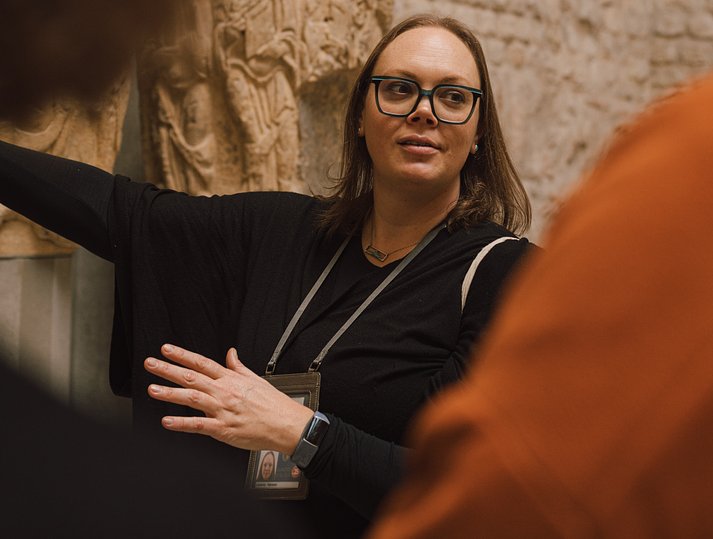
Lily was a fantastic tour guide. She was very engaging and knowledgeable. I’d highly recommend her!

Montmartre Neighborhood Tour
See how artists and locals shaped Montmartre’s identity over time
Turn Montmartre’s famous views into a deeper story of artistic freedom, village identity, and contested faith.
Tour Highlights
- Beyond postcard views Discover the independent village beneath Montmartre’s cafés, views, and familiar mythology.
- Sacré-Cœur, reconsidered Understand how faith and politics shaped the basilica that dominates the Paris skyline.
- Connect art, faith, cabaret Trace narrative through churches, studios, and views into one cohesive hilltop experience.
- Climb with confidence Your Expert chooses a thoughtful route through slopes and stairs, so the hill never overwhelms.
- Know the village story Discover why this hilltop keeps its own fierce identity.
- Meet the artists' hill See how cheap rents and creative freedom made Montmartre a laboratory for modern art.
Led by Experts, Shaped by You
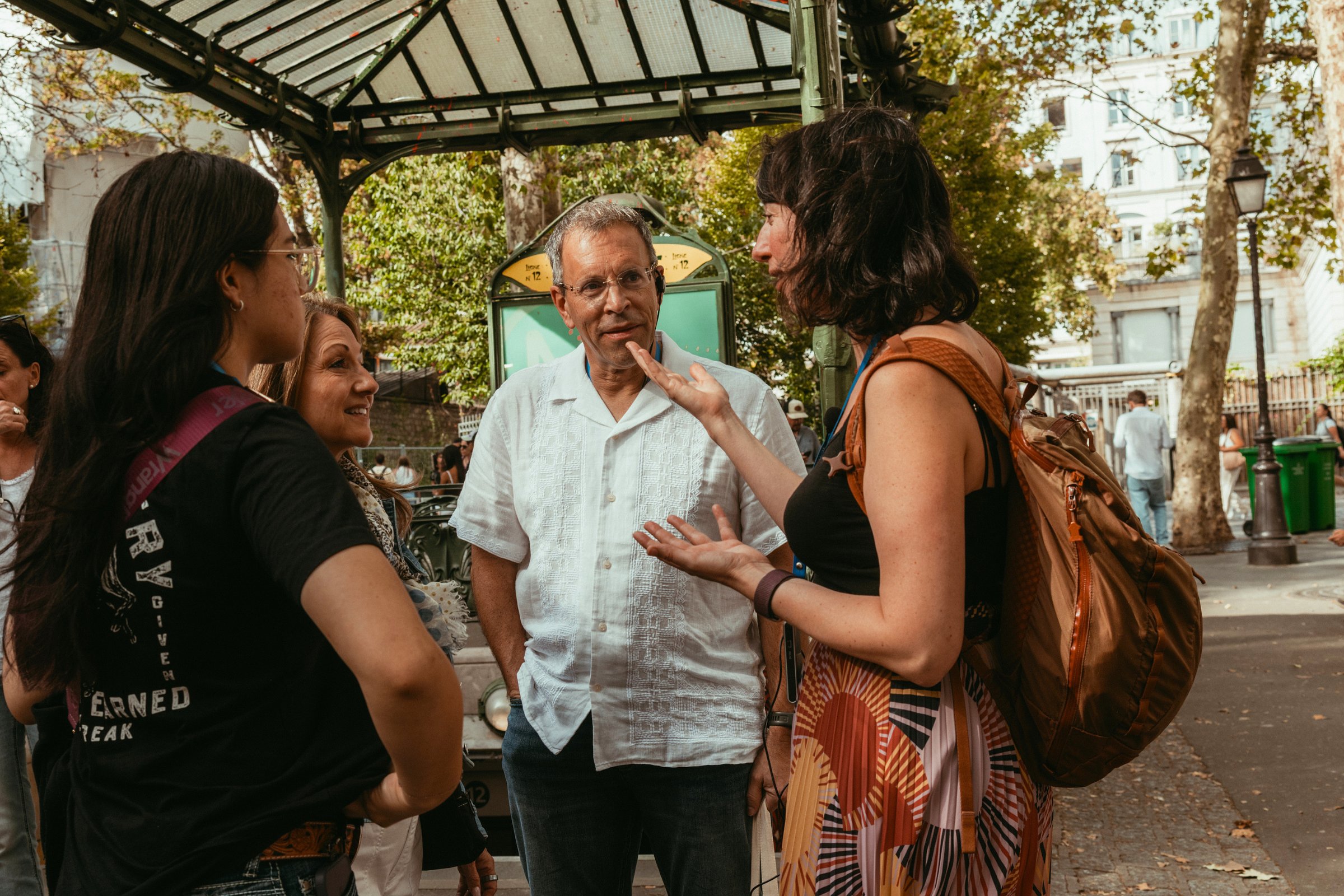
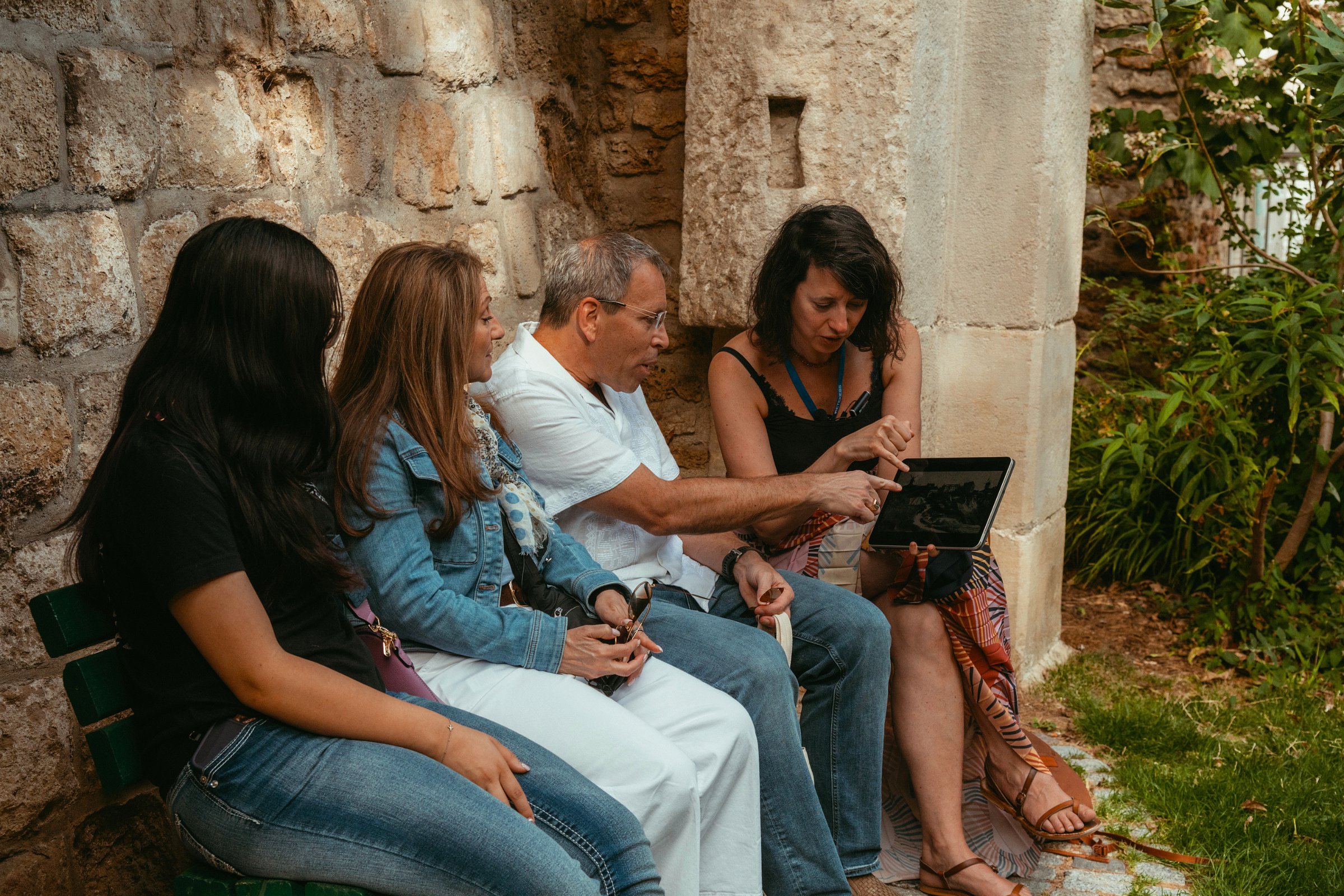
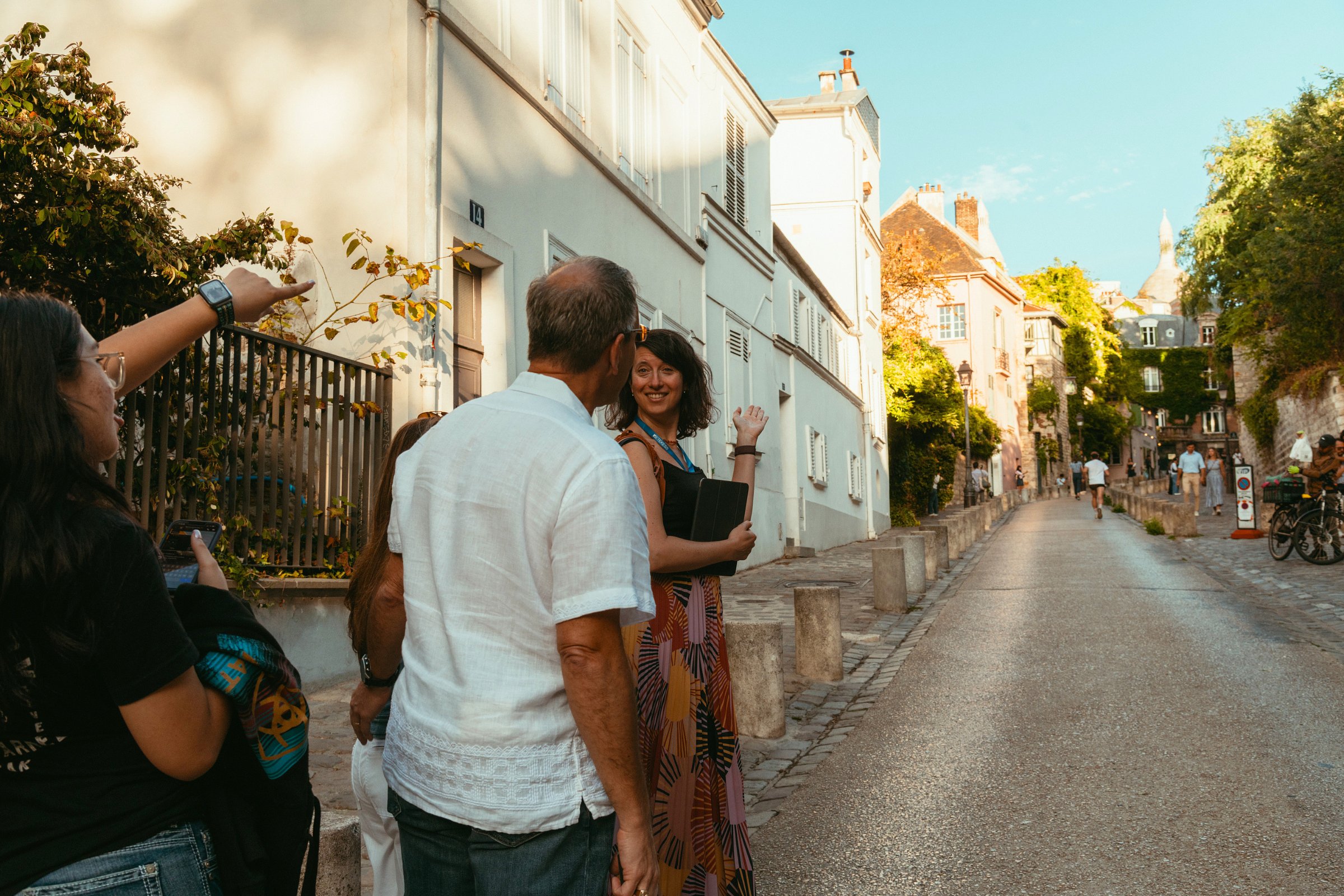
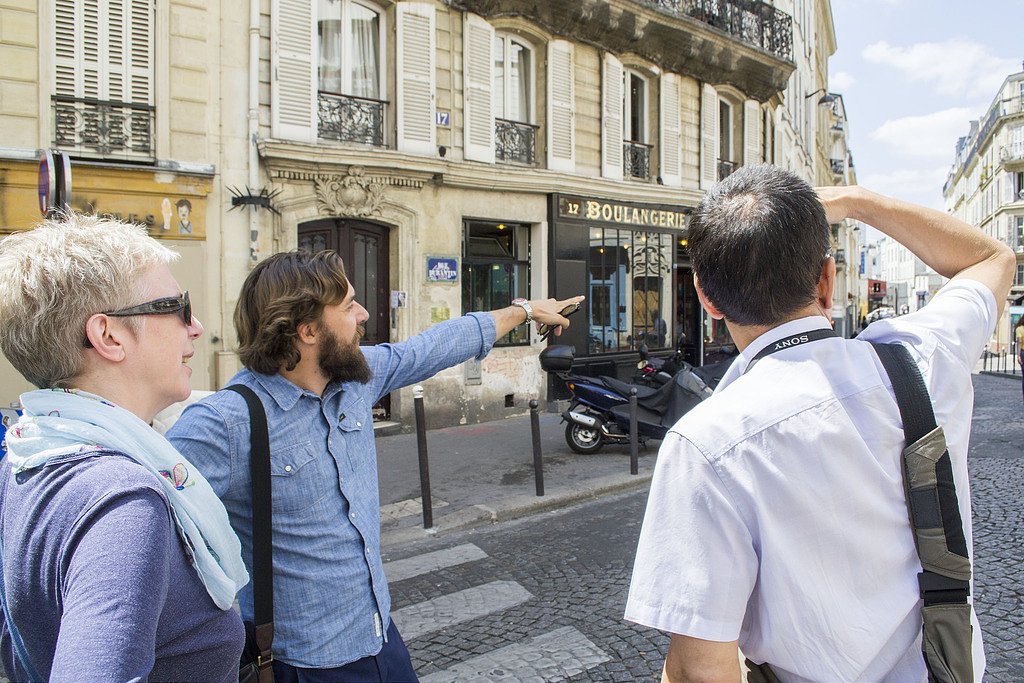
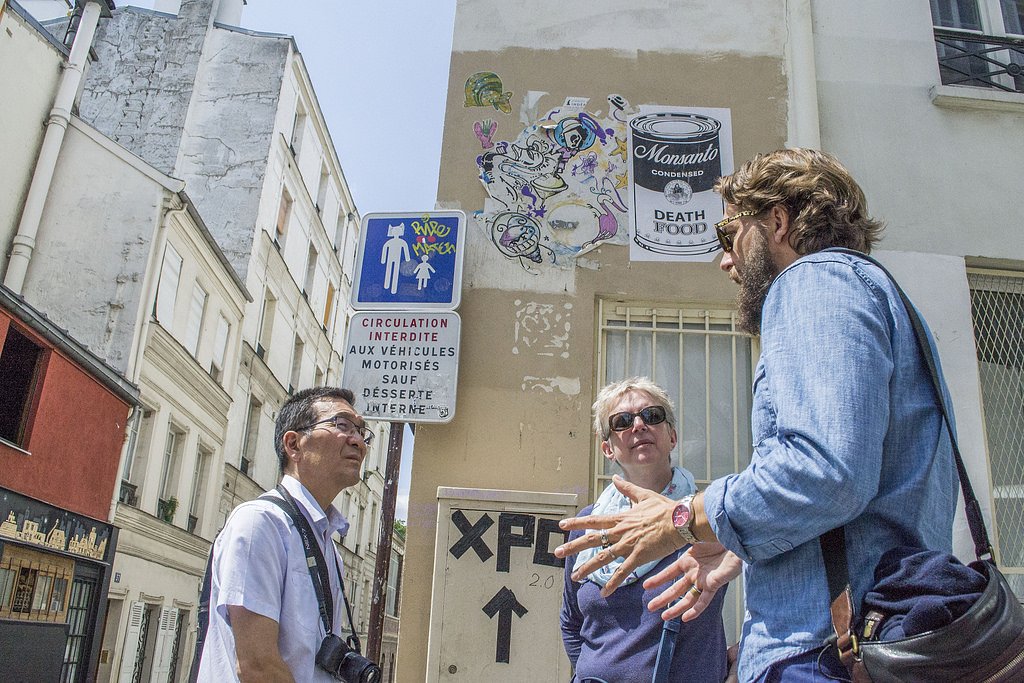
Explore with an expert guide who responds to your questions, your interests, and your pace. Reveal layers of meaning most visitors miss—go from seeing to understanding.
The Finer Details
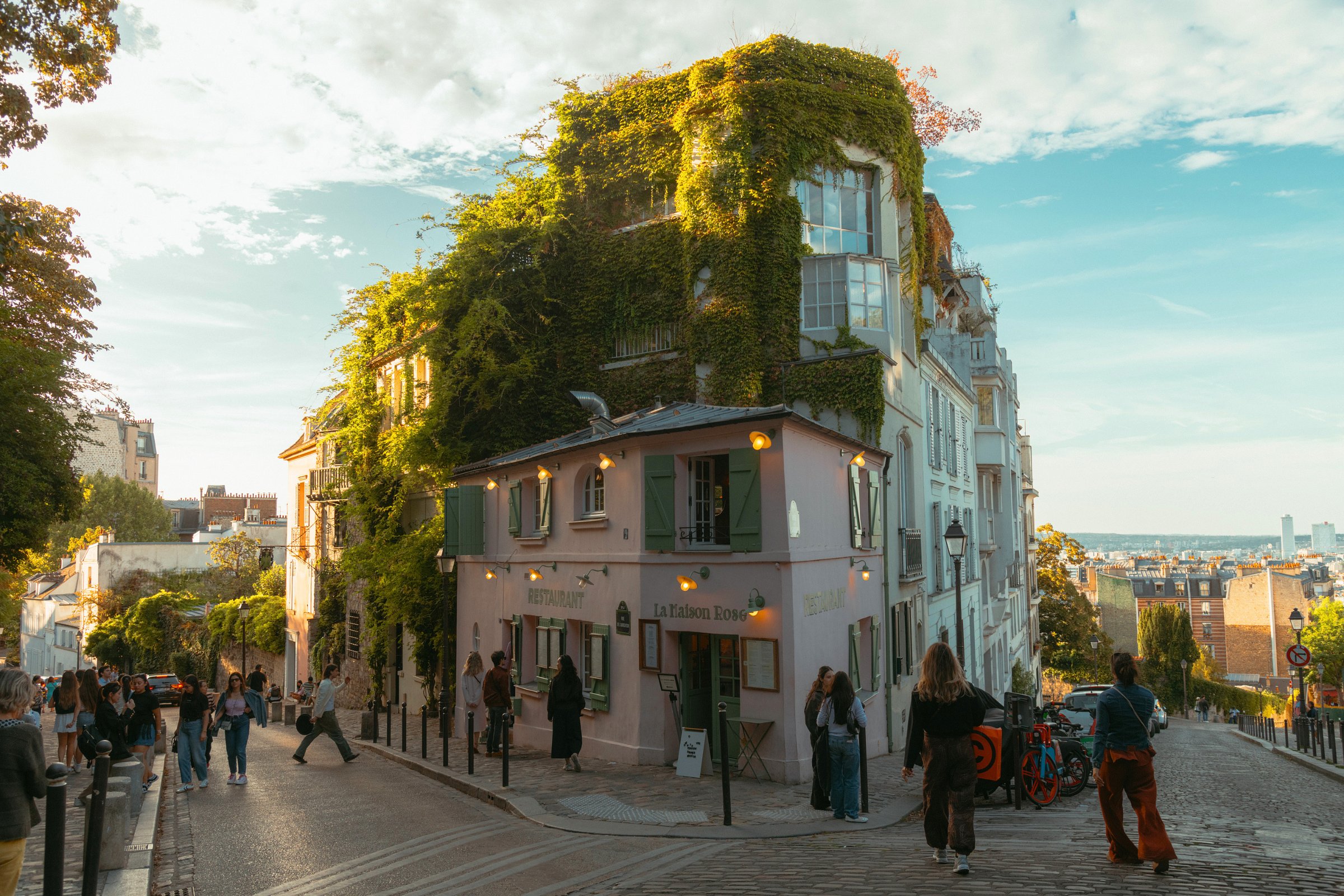
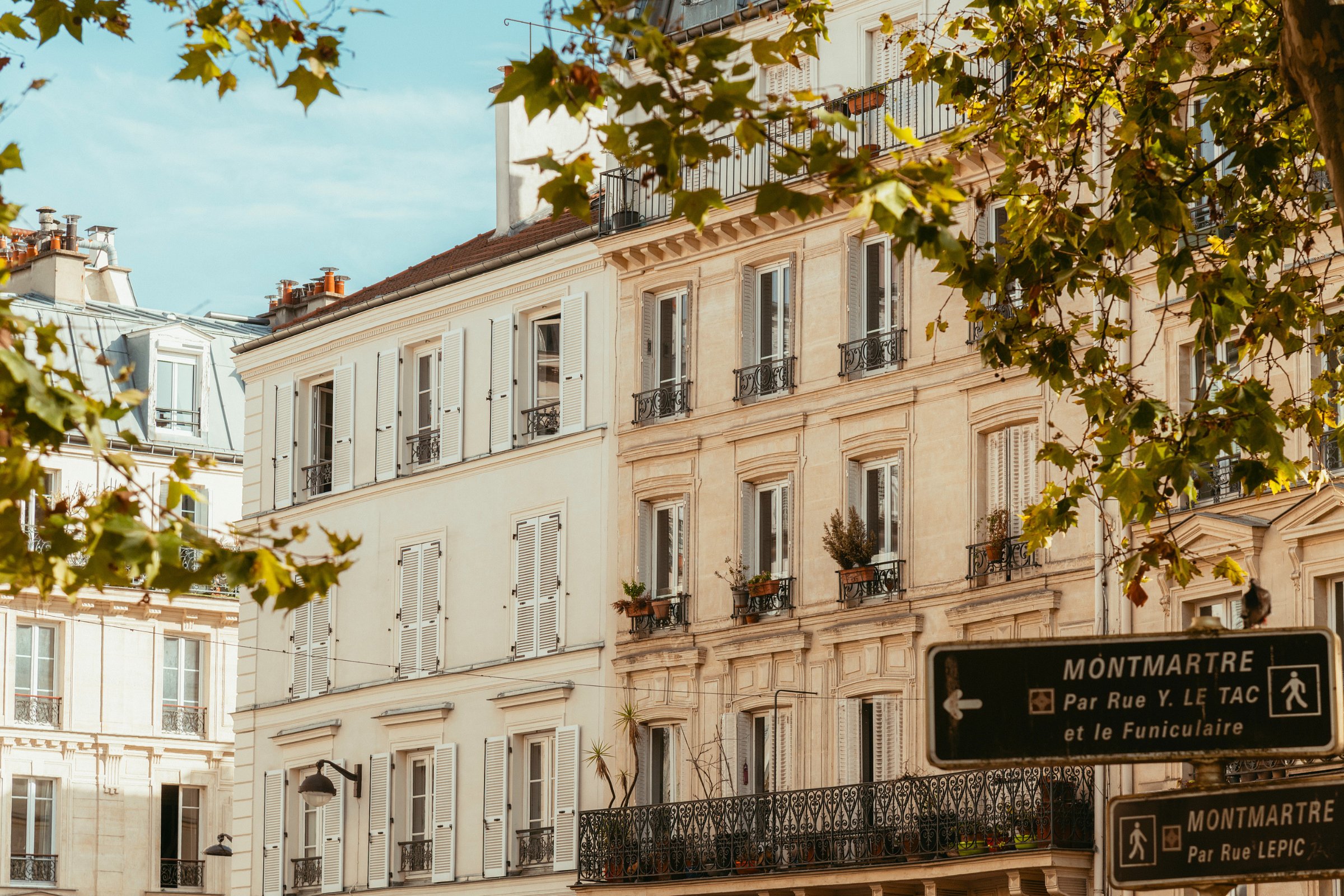
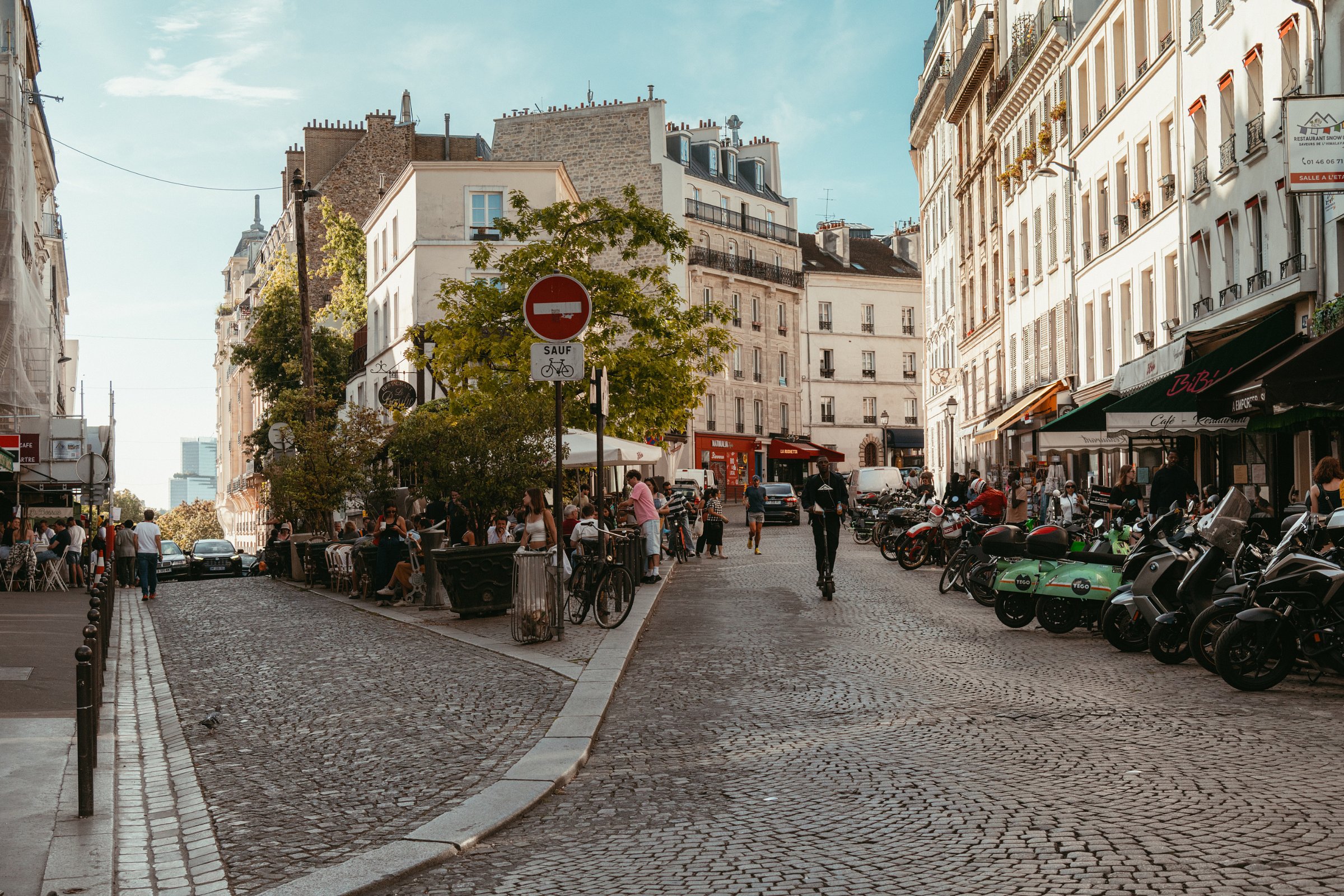
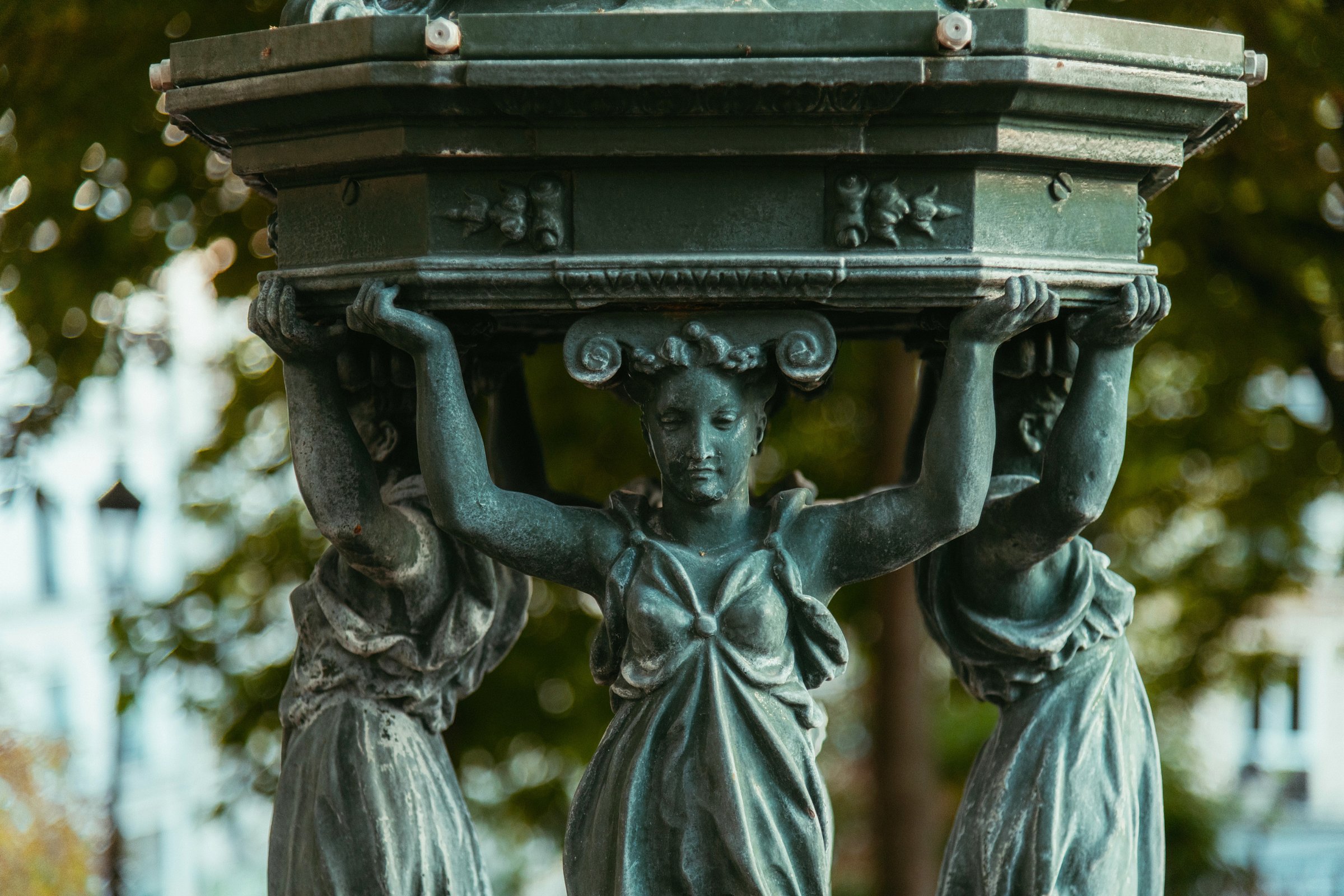
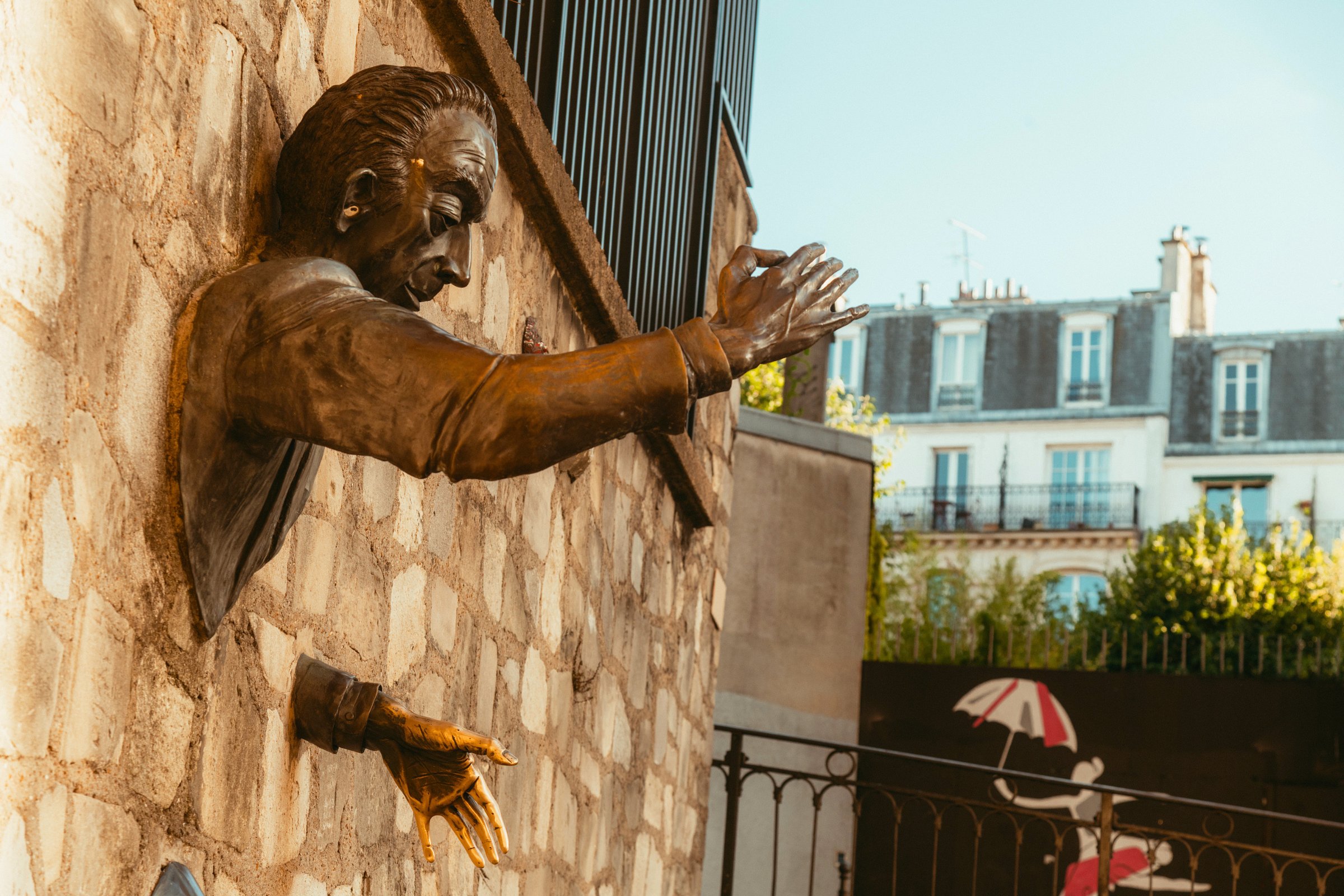
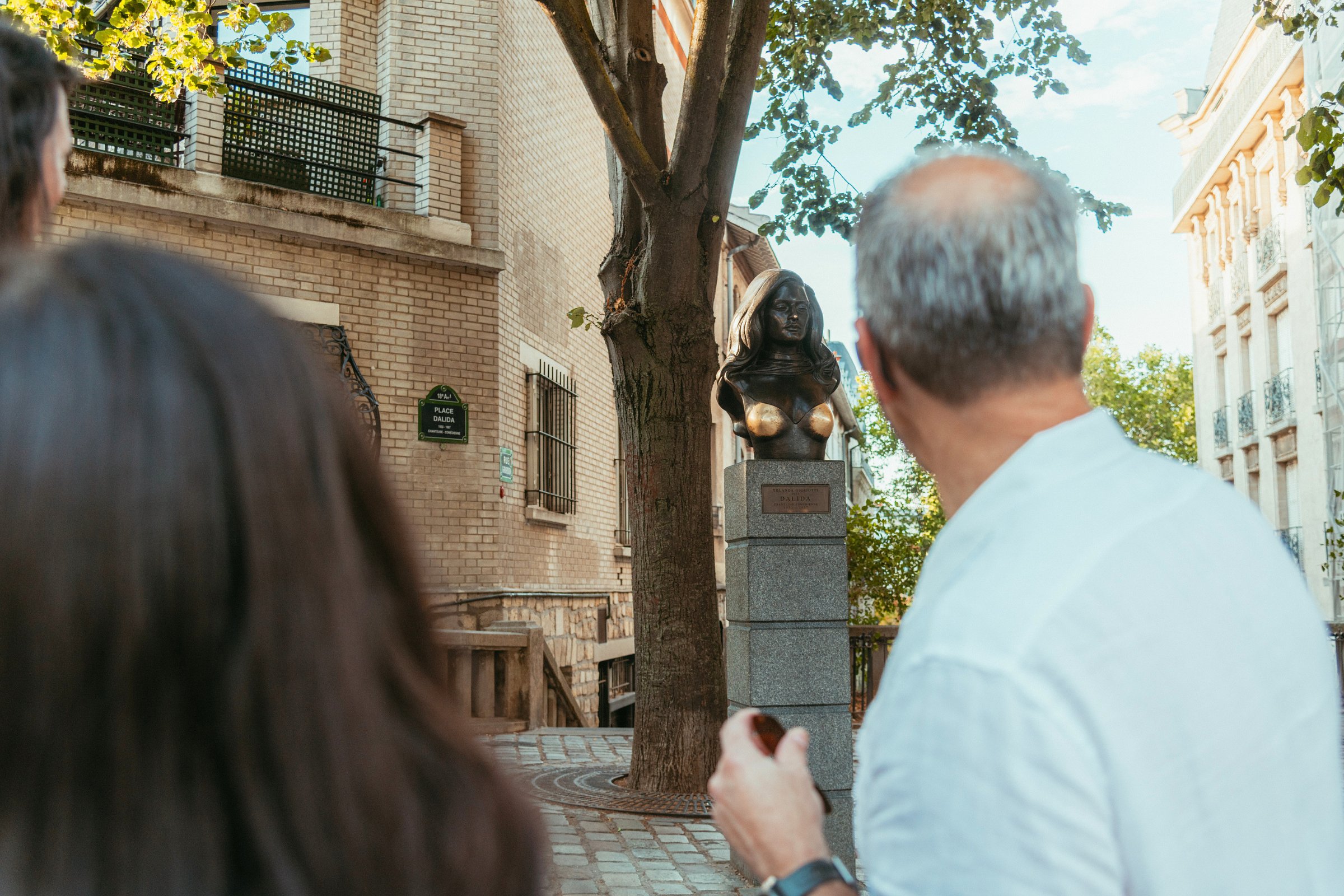
Secret staircases, a white basilica dome catching the afternoon light, the sound of an accordion somewhere out of sight… Montmartre gives you atmosphere before it gives you answers. This hilltop neighborhood, once a village at the edge of Paris, still feels separate from the city below. On this Montmartre walking tour, turn winding streets, staircases, and postcard views into a coherent story of faith and art, appetite and rebellion.
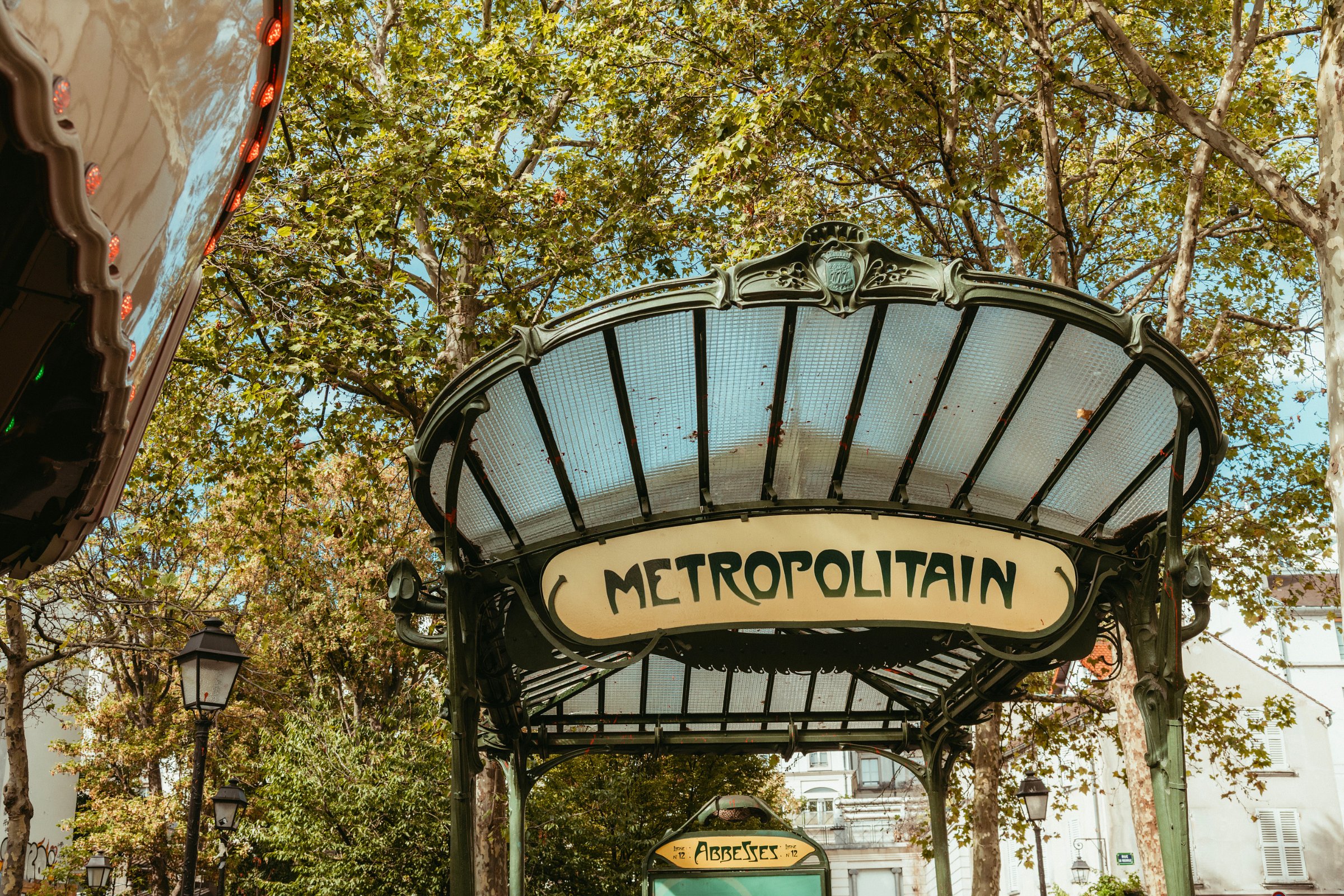
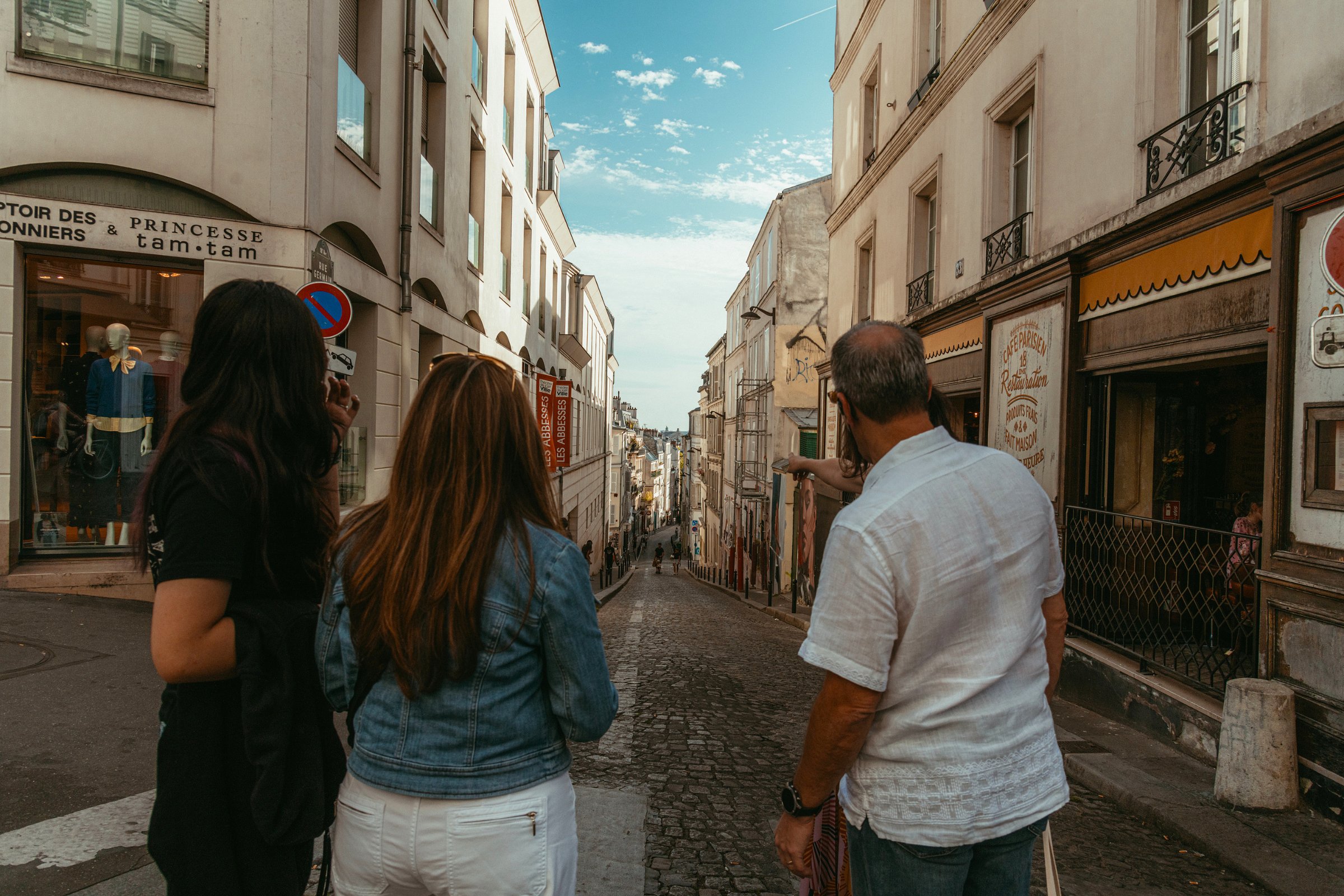
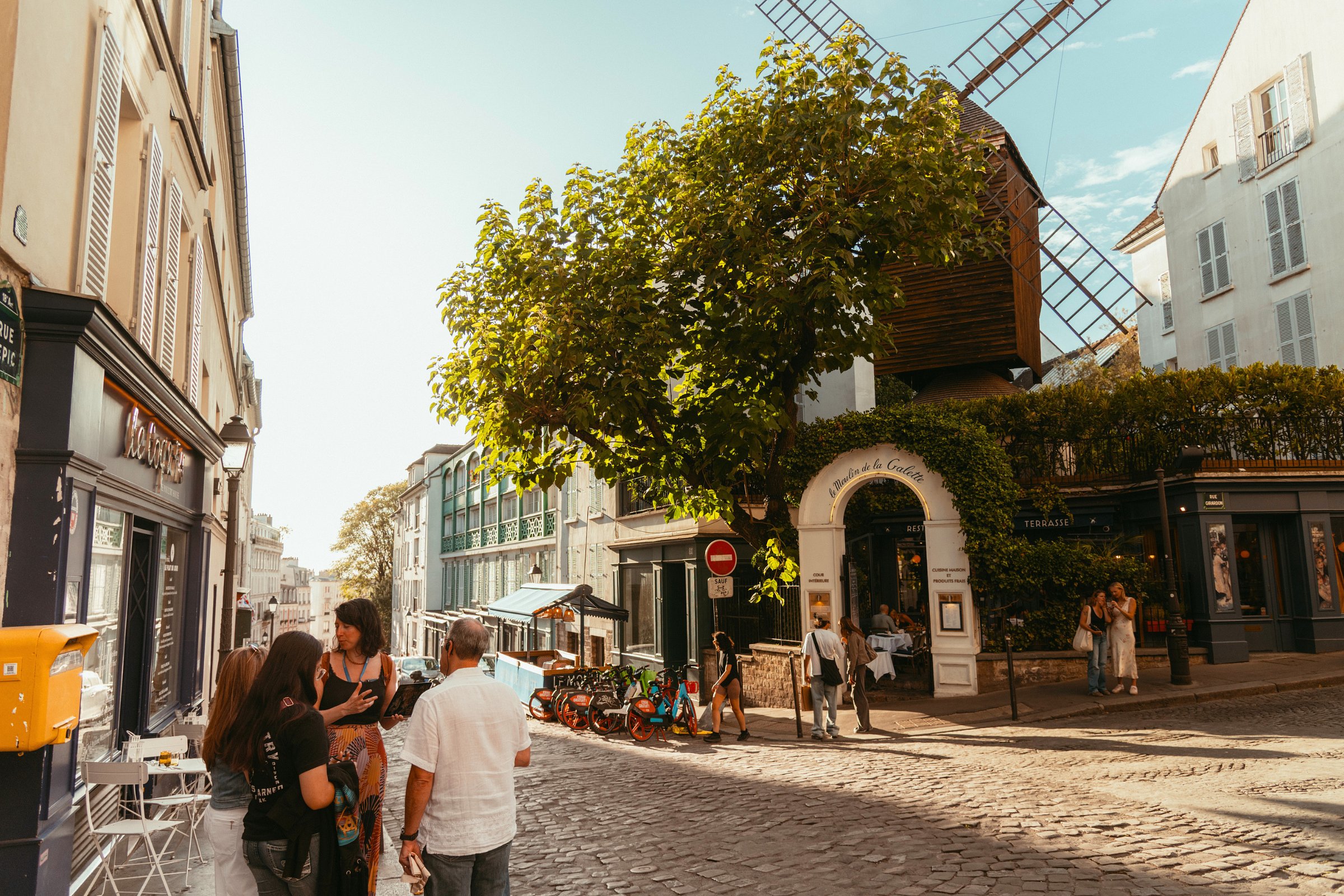
Begin at Place des Abbesses—the heart of Montmartre. As the path rises toward the Moulin de la Galette, Paris's 19th-century expansion connects to the moment Montmartre was annexed in 1860. The reason this neighborhood has a village feel becomes clear, and the hill's stubborn independence starts to make sense.
Begin at Place des Abbesses—the heart of Montmartre. As the path rises toward the Moulin de la Galette, Paris's 19th-century expansion connects to the moment Montmartre was annexed in 1860. The reason this neighborhood has a village feel becomes clear, and the hill's stubborn independence starts to make sense.
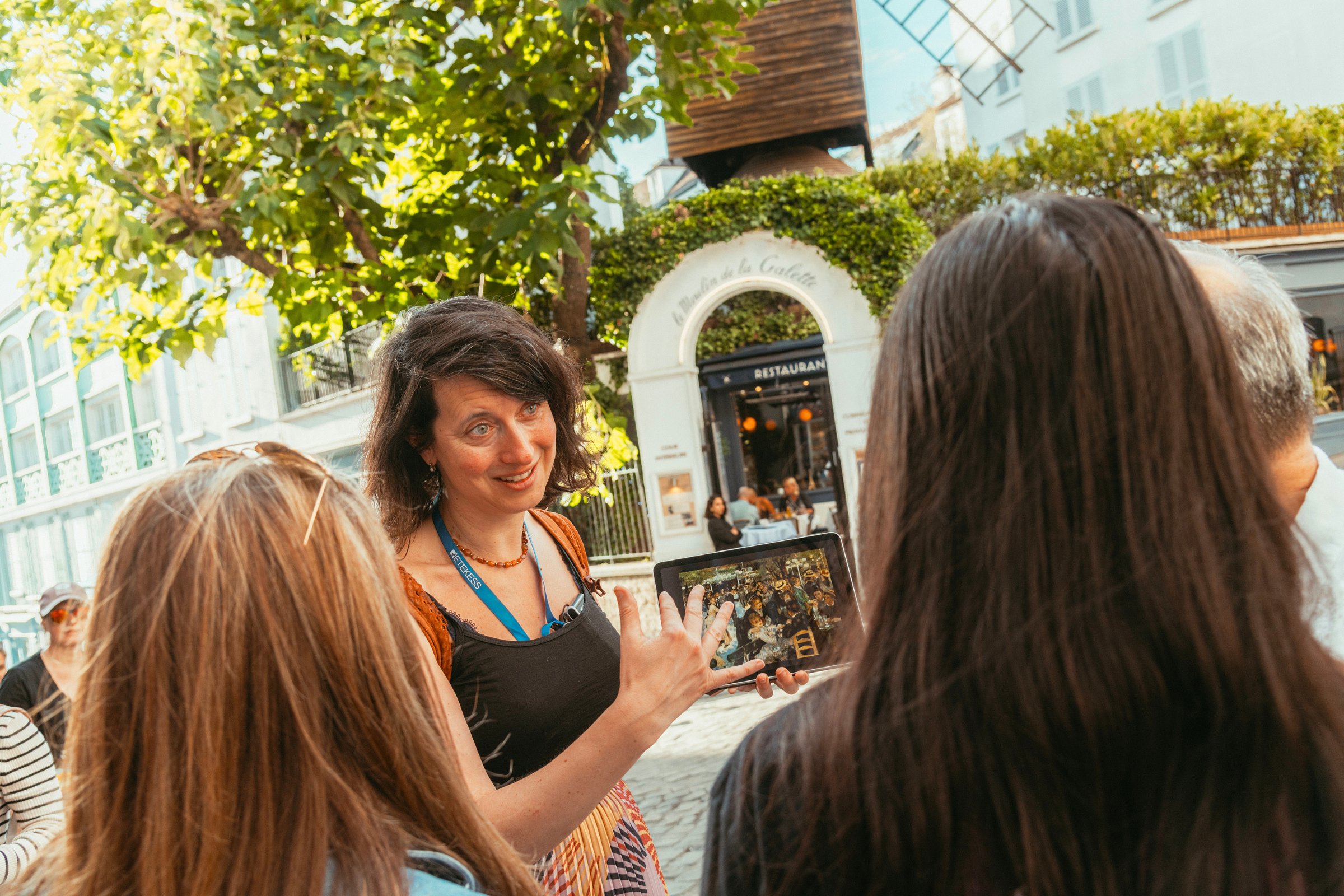
Look for buildings that carry familiar echoes: see the Moulin de la Galette through the eyes of Renoir, café terraces through Van Gogh’s point of view, and rough studios through Picasso’s lens. Cheaper rents, plus cafés, cabarets, and dance are what originally gave the hill its pulse: this is why artists came here, and why a low-rent village became a laboratory for modern art.
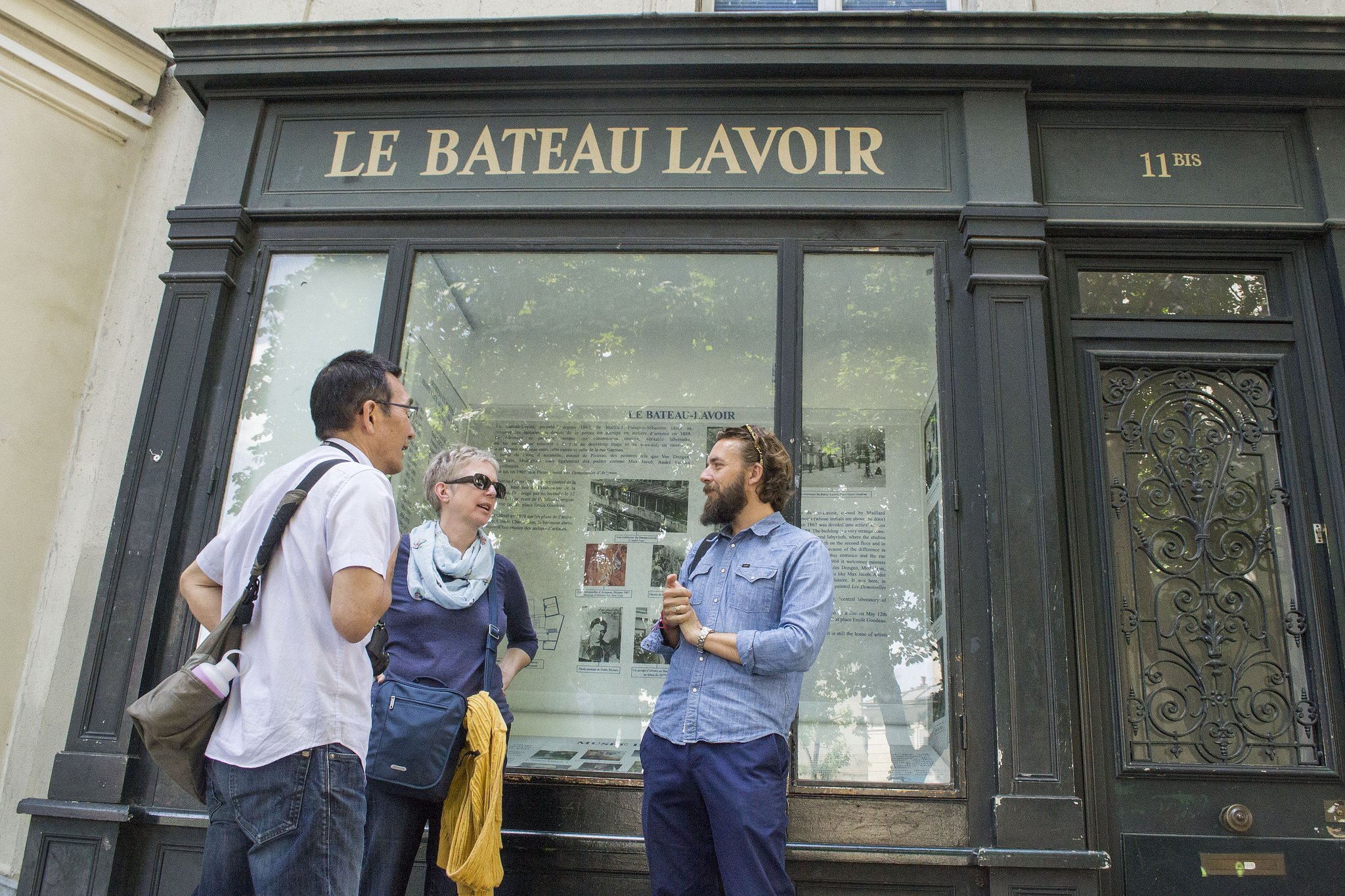
Stories sharpen the scene as the walk moves through corners tied to painters, performers, and village politics. Place du Tertre and Bateau Lavoir bring the artistic mythology down to street level, from official painting spots to cramped studios where major ideas took shape. Cabaret lore adds its own wink, including the Lapin Agile story of a pet donkey turned "painter."
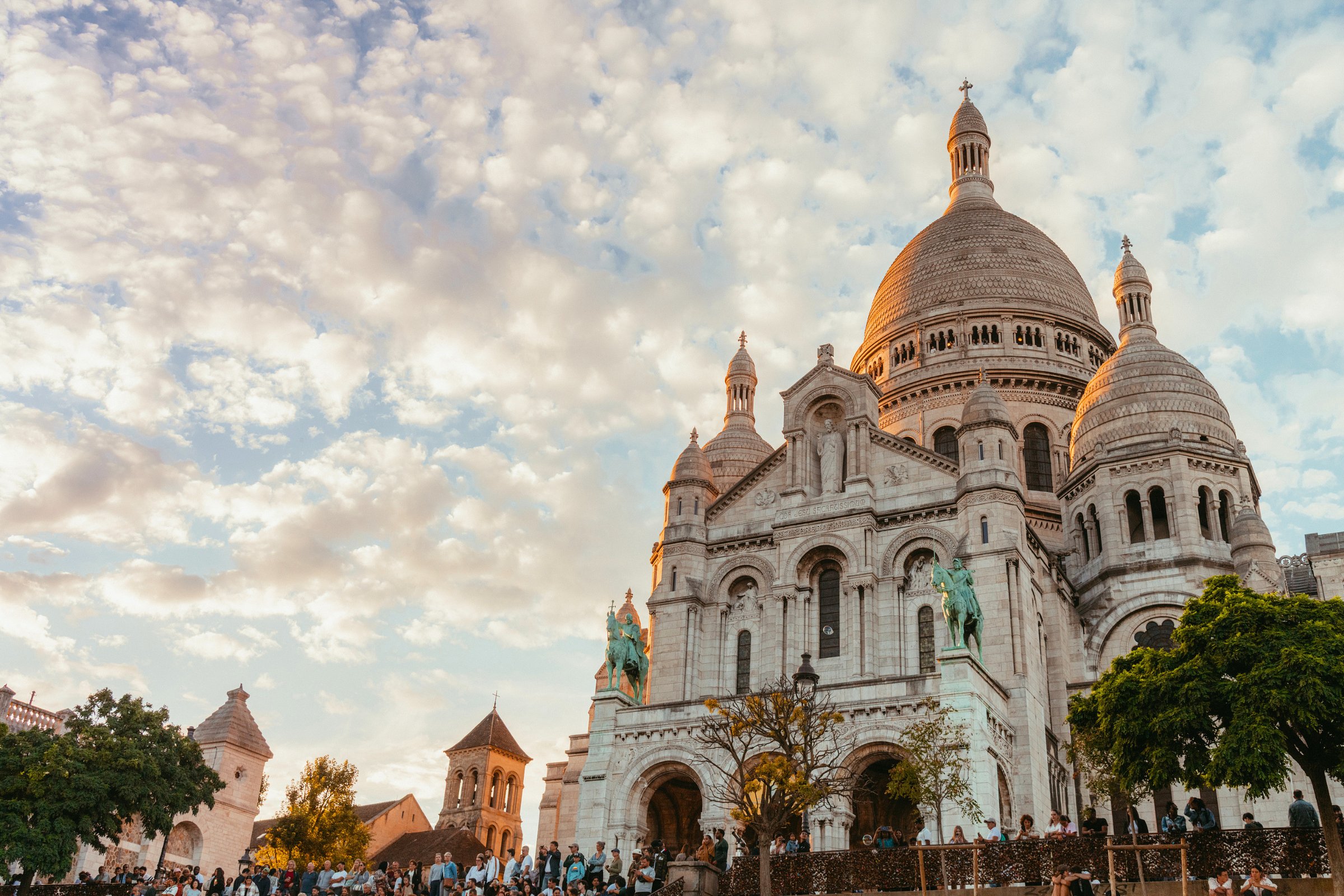
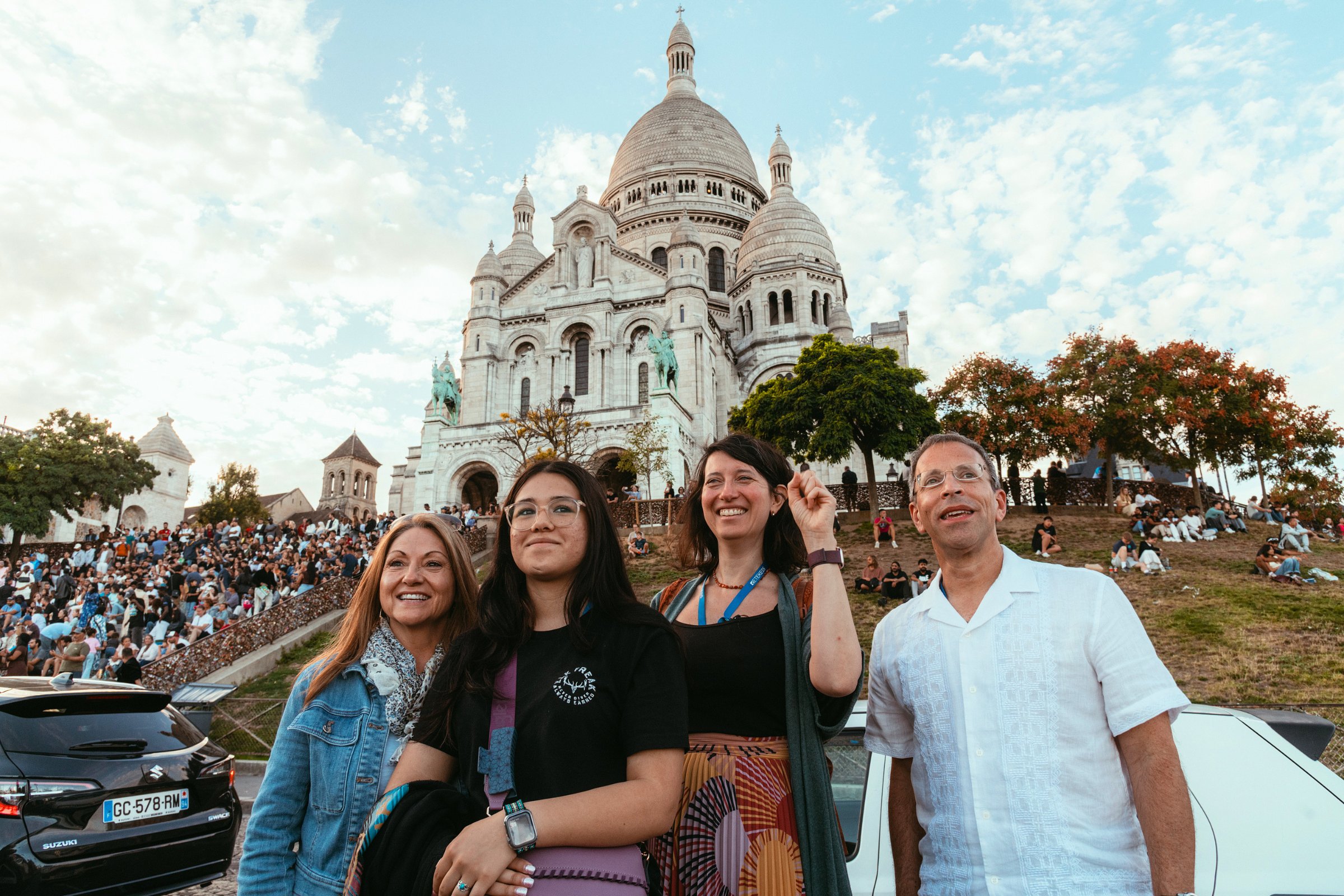
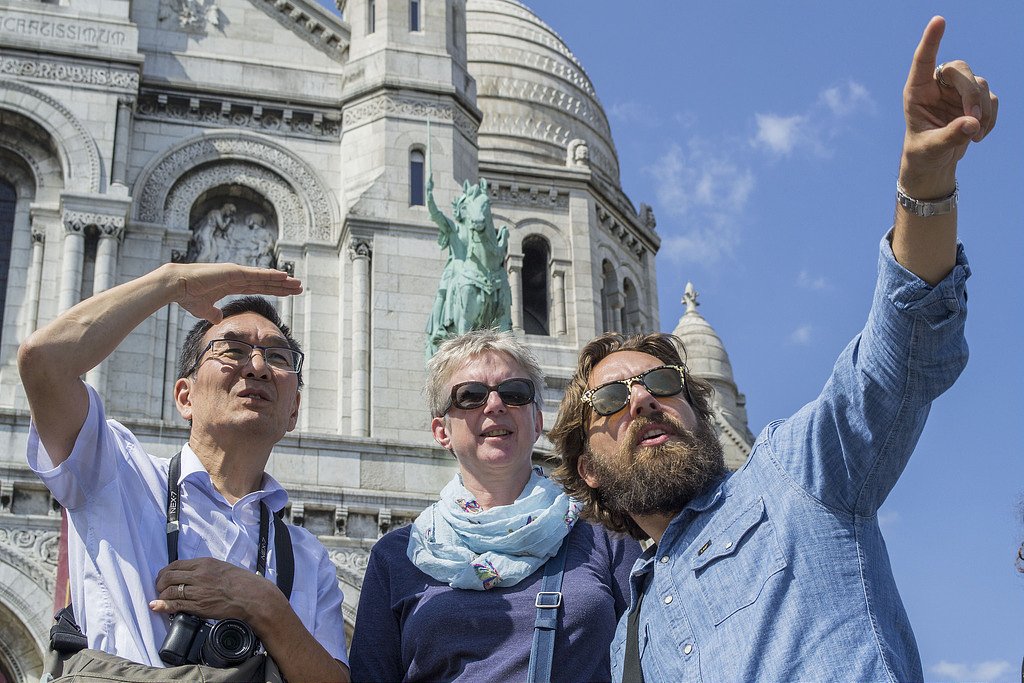
The hill's religious story gathers momentum near Saint Pierre de Montmartre and Sacré-Cœur. With its Romano-Byzantine forms, the basilica stands apart from the Gothic lines of Notre Dame and Saint Eustache, both visible from the belvedere on a clear day. Style, politics, and devotion all meet on this skyline—the basilica’s form does not match the Paris most travelers picture, and that mismatch becomes evidence of religious and political ambitions, not just scenery.
A final staircase view brings the whole neighborhood back into scale, Paris spreads below, Montmartre still holding itself slightly apart, like it never quite agreed to join the city. What you leave with isn't just pretty streets: it's the sense of having slipped, for a few hours, into a Montmartre that most people only pass through.
Meet the Experts





















































%20-%202026-04-23T140946.304.png)
Where You’ll Go
From iconic landmarks to tucked-away local favorites, these are the places you’ll explore and experience firsthand with your Expert.
-
Place du TertreHistoric square tied to artists, cafés, and Montmartre lore
-
Bateau LavoirFormer artist studios linked to Picasso and modern art
-
Saint Pierre de MontmartreMedieval church on the hill beside Sacré-Coeur
-
Sacré-CoeurWhite-domed basilica in Paris on Montmartre hill, combining Romanesque and Byzantine styles.
What’s Included As Standard
Here’s a look at what your tour covers, plus anything you’ll want to consider arranging separately, so you can plan with confidence.
Included
-
English-speaking expert guideTours led in English, offering you unbroken understanding throughout.
-
Intentionally sized groupsA smaller group means more time for conversations and questions.
-
Tickets and entrance feesAll entry tickets included (unless clearly stated otherwise).
-
HeadsetsHeadsets are included on tours that need them, so every word can be heard.
Not Included
-
GratuitiesTips aren’t included, but we encourage tipping as a way to thank your guide after your experience.
-
Food and drinkUnless booking a Food & Drink tour or tasting experience, refreshments are not included.
-
Transportation to and from the meeting pointUnless noted, pre- and post-tour transport isn’t included - this service can be added by request.
-
Hotel pickup or drop-offUnless noted, travel to or from accommodation isn’t included - this service can be added by request.
Where You'll Explore
Make the Most of Your Tour
Some helpful advice for getting the most from your experience, from practical prep to small on-the-day tips.
Dos:
- Wear comfortable footwear
- Check the weather and dress appropriately
- Bring a bottle of water (no glass)
- Feel free to ask your Expert anything
Don'ts:
- Bring firearms or weapons
- Bring sharp objects (e.g. knives, swiss army knives, switchblades, hiking sticks)
- Dress inappropriately to enter religious sites or sacred monuments
Any questions? You can always
contact us.
Frequently Asked Questions
We will spend time at Sacré Coeur discussing its contribution to the neighborhood's overall narrative. Some guides do enter the cathedral; others don't. Please let your guide know if you wish to enter! We often end nearby so that you can do a more in-depth visit on your own after the tour.
The walk begins and ends in the Montmartre neighborhood in the 18th arrondissement. Your confirmation email will have the exact meeting point details along with a map.
We have some excellent family-friendly guides who can appeal to the learning styles of children. We have a separate walk called Montmartre for Kids just for families with young children. If your children are older, this version of the tour is perfectly appropriate for all ages.
If you’d like to request a transfer service from your hotel, this is available at an additional cost. The car service will pick you up at your accommodation and drop you off at the meeting point of the tour where you will meet your expert. Please leave a note when booking your tour if you would like to request a transfer.
Book with confidence — see Context's flexible cancellation policy here.
We understand that some of our valued guests may have mobility concerns, and we want to ensure you have a comfortable and enjoyable experience throughout your tour. If there are any accessibility concerns that your tour guide will need to be aware of, please let our team know at the time of booking.
Is this tour wheelchair-friendly?
Montmartre is the hilliest district of Paris and has a lot of staircases and cobblestone streets. It is not a particularly wheelchair friendly area, though there is a funicular that can help people with low-mobility ascend and descend the hill. Please reach out to us if you have any mobility concerns, and we will do our best to advise you.
Don’t just take our word for it
Pauline did a wonderful job providing us with the history and background of Montmartre. She was pleasant and very friendly.
Lily is amazing!! She was so personable and we just loved her!! She had us falling in love with Montmartre-her local knowledge was a super plus! She recommended great shops and restaurants for us to try that were locally owned and frequented by locals. We loved knowing that -we would have likely ended up in the crowded tourist spots if we had not taken the tour to see the whole town. It was a highlight of Paris for us!!
Let Your Curiosity Shape Your Journey
Join passionate experts on intimate walking tours that reveal a city’s unique stories, spark conversations, and leave you seeing the world—and yourself—a little differently.
Structured, never scripted
Your interests guide your Expert, leading to stories and perspectives that matter to you.
Crafted for conversation
With 12 or fewer guests, ask questions, engage with your Expert, and fully immerse yourself.
Experts, not guides
Explore with 1,200+ Experts—from historians and architects to archaeologists and chefs.
Related experiences our customers also loved

Montmartre Walking Tour
Montmartre may be part of Paris today, but for centuries the hill developed beyond the city’s boundaries with its own churches, windmills, vineyards, workshops, and village life. On this Montmartre walking tour, explore that independent history with a local Expert while tracing the artists, performers, religious communities, and political movements that transformed the neighborhood. From Place des Abbesses and Bateau-Lavoir to Place du Tertre and Sacré-Cœur, familiar landmarks become evidence of how Montmartre developed its unusually strong identity. Rather than simply finding the prettiest streets and viewpoints, you will understand why artists came here, how the neighborhood became a center of modern art, and why faith, politics, entertainment, and rebellion all became part of the story of the hill.
The route moves through streets and squares associated with some of Montmartre’s most important artistic, religious, and cultural history.
Begin around Place des Abbesses, where the neighborhood’s former village character is still visible beneath contemporary Paris.
Near the Moulin de la Galette, explore the cafés, dances, inexpensive housing, and social life that attracted artists to the hill during the nineteenth century.
At Bateau-Lavoir, discover how modest studios became associated with Pablo Picasso and a community of artists who helped reshape modern European art.
Continue through Place du Tertre, Saint-Pierre de Montmartre, and the streets surrounding the hill before reaching Sacré-Coeur, where religion, politics, architecture, and national memory come together.
Montmartre offered something that central Paris increasingly did not: affordable space and distance from established artistic institutions.
During the late nineteenth and early twentieth centuries, painters, writers, performers, and musicians gathered in inexpensive studios, cafés, cabarets, and dance halls across the neighborhood.
Artists including Pablo Picasso, Vincent van Gogh, Pierre-Auguste Renoir, and Henri de Toulouse-Lautrec lived or worked on the hill during different periods.
Their presence was not simply a coincidence. Lower rents, active nightlife, informal communities, and a degree of freedom from official Paris helped make Montmartre a place where new artistic ideas could develop.
A guided walk allows you to connect the paintings now hanging in museums with the actual streets and social world in which many of them were created.
Bateau-Lavoir and the Birth of Modern Art
Bateau-Lavoir became one of the most famous artists’ addresses in Montmartre.
Its studios were basic, but the building brought together painters, poets, writers, and other members of Paris’s avant-garde. Pablo Picasso lived and worked here during an important period in his career.
Rather than treating Bateau-Lavoir simply as a site associated with famous names, your Expert helps reconstruct the community around it.
The conversations, friendships, rivalries, and experiments taking place in Montmartre mattered because modern art was not created by isolated figures alone. It developed within a neighborhood where artists constantly encountered one another.
Cabarets, Cafés, and Creative Life
Art was only one part of Montmartre’s creative culture.
Cabarets, cafés, dance halls, and performance venues gave artists, writers, musicians, workers, and visitors places to meet. Entertainment and experimentation existed alongside serious artistic ambition.
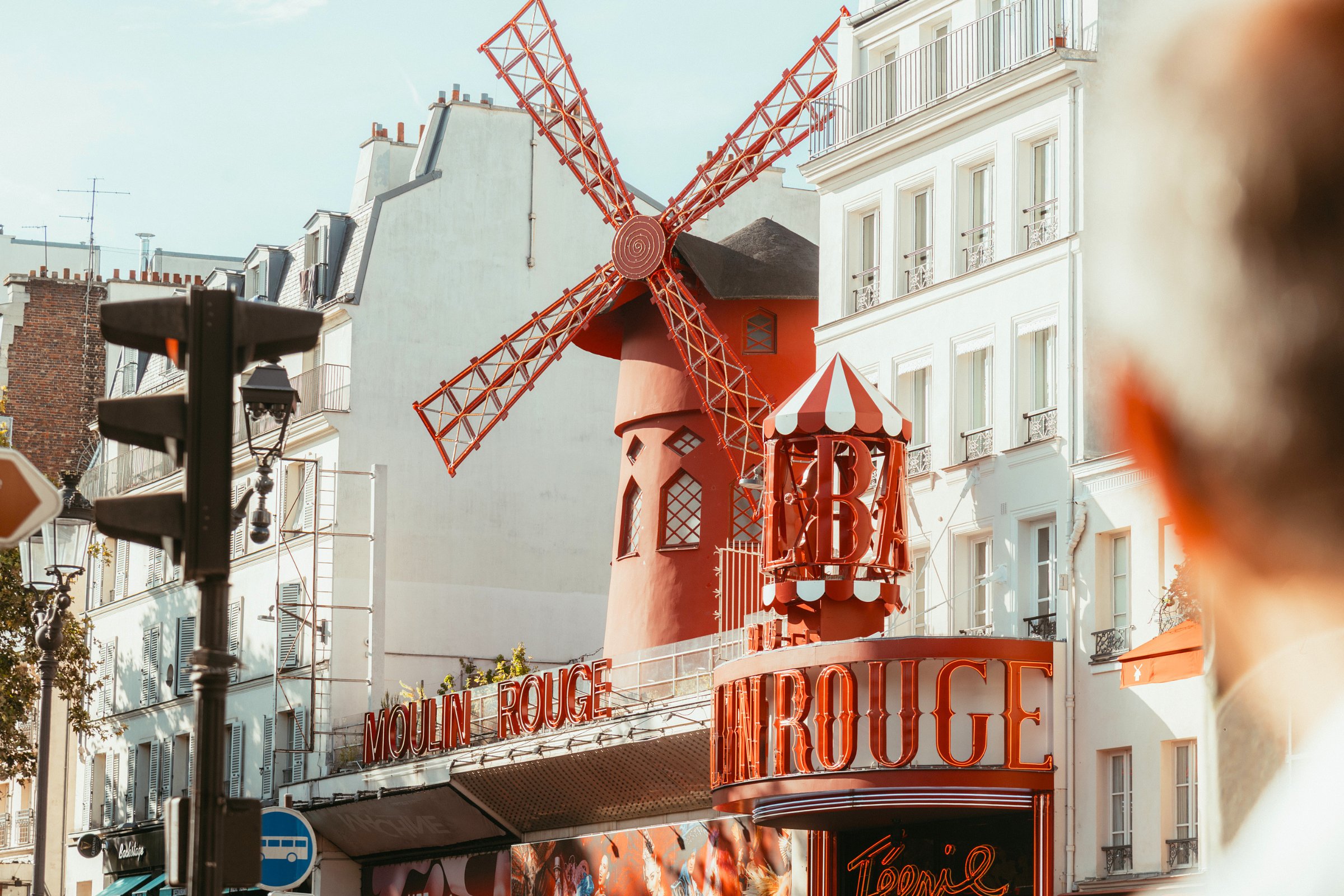
Places associated with the Moulin de la Galette, Lapin Agile, and other venues became part of the mythology of Montmartre.
Some stories grew larger in the retelling, while others preserve important clues about the neighborhood’s social world.
Understanding both the history and the mythology helps explain how Montmartre became not only an artistic district, but an idea that Paris repeatedly sold to itself and to the world.
Place du Tertre Beyond the Easels
Today, Place du Tertre is famous for artists drawing and painting in the square.
Its contemporary appearance can make the area seem like a surviving fragment of bohemian Paris, but the story is more complicated.
The square belongs to the older village center of Montmartre and sits within a neighborhood whose relationship with art changed dramatically over time.
Your Expert helps separate the working artistic communities of the nineteenth and early twentieth centuries from the tourist mythology that developed around them later.
That distinction makes the neighborhood’s enduring association with artists much more interesting.
Sacré-Cœur is one of the most recognizable landmarks in Paris, but its history is more complicated than its panoramic view suggests.
The basilica emerged from a period marked by the Franco-Prussian War, political upheaval, religious revival, and debates about the direction of modern France.
Its Romano-Byzantine architecture also looks deliberately different from the Gothic churches many visitors associate with Paris.
Standing on Montmartre, your Expert connects the basilica to questions about faith, politics, memory, and national identity.
Sacré-Cœur becomes not simply the endpoint of a climb, but evidence of the tensions that shaped France in the late nineteenth century.
Before annexation, the hill existed as a separate community beyond the city limits. Vineyards, quarries, windmills, religious institutions, and farmland shaped a landscape that felt very different from central Paris.
That earlier independence helps explain why Montmartre still feels unusually self-contained.
Its steep geography, irregular streets, small squares, staircases, and surviving traces of village life distinguish it from the broad boulevards associated with much of nineteenth-century Paris.
Exploring the neighborhood on foot makes that history visible in ways that are difficult to recognize from individual landmarks alone.
Why Take a Guided Montmartre Walking Tour?
Montmartre can easily be explored independently, but its most important stories are rarely obvious from the street.
Without context, Bateau-Lavoir can appear to be simply another building, Sacré-Cœur another church, and Place du Tertre another picturesque Paris square. A guided Montmartre tour connects those places through the larger histories of modern art, religion, urban expansion, entertainment, and neighborhood identity.
Because the experience takes place on foot, you also see how steep streets, staircases, viewpoints, churches, studios, and squares fit together geographically. The aim is to leave Montmartre understanding why this particular hill became unlike anywhere else in Paris.
What is the best walking tour of Montmartre for art lovers?
A Montmartre walking tour focused on art history can connect places associated with Picasso, Renoir, Van Gogh, Toulouse-Lautrec, and other artists to the neighborhood conditions that drew them there. This tour also explores how cafés, cabarets, inexpensive studios, and village life contributed to Montmartre’s creative culture.
Does the tour visit Sacré-Couer?
Yes. Sacré-Couer forms an important part of the tour’s story. Your Expert discusses its architecture, religious significance, and political context. Entry may vary depending on the route and Expert, and the tour often finishes nearby so you can visit independently afterward.
What artists are associated with Montmartre?
Artists associated with Montmartre include Pablo Picasso, Vincent van Gogh, Pierre-Auguste Renoir, Henri de Toulouse-Lautrec, and many others. Different artists lived or worked on the hill during different periods rather than belonging to a single Montmartre generation.
Why is Montmartre famous?
Montmartre is known for Sacré-Couer, its hilltop views, village-like streets, artistic history, cafés, cabarets, and association with the development of modern art.
Was Montmartre always part of Paris?
No. Montmartre developed as a separate village and was incorporated into Paris in 1860. Its earlier independence remains visible in its street plan, architecture, and strong neighborhood identity.
Is Montmartre difficult to walk?
Montmartre is one of the hilliest parts of Paris and includes cobblestones, slopes, and staircases. Your Expert chooses the route and pace carefully, but travelers with mobility concerns should contact Context before booking.
How long is the Montmartre walking tour?
The tour lasts approximately three hours and explores Montmartre entirely on foot.
Is Montmartre worth visiting with a guide?
A guide is particularly useful in Montmartre because many places associated with its artistic and political history are visually unremarkable without explanation. A specialist can connect studios, churches, cafés, streets, and squares to the people and movements that made the neighborhood influential.