




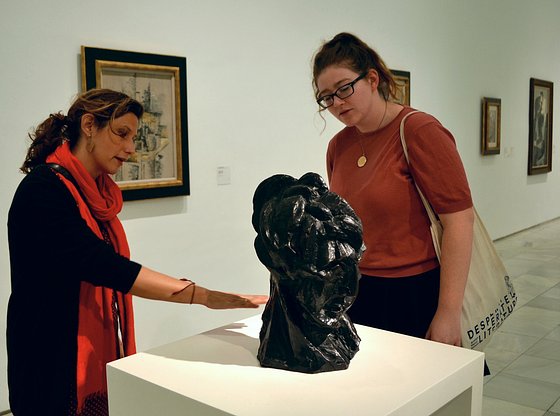


Mayte was a fascinating guide because she has personal experience through family of conditions during the Civil War and the reign of Franco. It is a period of history that gets very little attention in American schools. As a history buff, I loved it.

Madrid Tours
Expert-led Madrid guided tours that turn royal heritage and vibrant plazas into meaningful discoveries
Let Your Curiosity Shape Your Journey
Join passionate experts on intimate walking tours that reveal a city's unique stories, spark conversations, and leave you seeing the world—and yourself—a little differently.
Experts, not guides
Explore with 1,200+ Experts, from historians and architects to chefs and archaeologists.
Crafted for conversation
With fewer than 12 guests, engage your Expert through questions and immerse fully.
Structured, never scripted
Your interests guide your Expert, leading to stories and perspectives that matter to you.
Curious or connoisseur
First-time visitor or seasoned explorer, our tours span city highlights to deep-dives.
Madrid, Seen with Context
Madrid isn’t only royal palaces and lively plazas. Walk with an expert to see how empire, art, and everyday Spanish life shaped the capital.
.png)
Small groups, capped at 10 or fewer
Discover Madrid with other curious travelers
Hear from our customers
Nicole’s presentation of Spanish wines was so much fun. We didn’t have a ton of knowledge about Spanish wines but by the end Nicole had successfully shared her expertise.
Andrea did a solid job presenting Segovia. As a day trip from Madrid, I found the Toledo trip more engaging, but Andrea did a great job.
Madrid Tours
Madrid sits at the geographic center of Spain on the high plains of Castile, a location that helped establish the city as the political heart of the country. When King Philip II moved the Spanish court here in 1561, Madrid transformed from a modest town into the seat of the Spanish monarchy and the administrative center of a global empire.
Over the following centuries, royal patronage, imperial wealth, and artistic ambition shaped the city’s architecture and cultural institutions. Grand boulevards, royal palaces, and world-renowned museums now define Madrid’s landscape. Context Travel’s Madrid tours are led by historians, art historians, and cultural experts who help travelers understand how royal power, artistic innovation, and everyday Spanish life shaped the capital.
Madrid is often expressed as Spain’s grand capital: elegant boulevards, royal palaces, and world-famous museums. But beneath that surface is a city shaped by empire, civil war, artistic experimentation, migration, and an unusually strong culture of public life.
Madrid rewards travelers who slow down enough to notice how its neighborhoods, museums, taverns, and plazas connect to larger stories about Spain itself.
The right tour helps reveal those connections.
Best for First-Time Visitors
If it’s your first time in Madrid, begin with experiences that introduce both the city’s historical center and its cultural identity.
- Sites and Insights: An Expert-Led Madrid Welcome Tour
- Madrid in a Day Tour with the Prado Museum and Plaza Mayor
These tours connect Madrid’s royal history, public squares, literary neighborhoods, and museum culture into a broader understanding of how the city evolved from a Habsburg court into Spain’s modern capital.
Best for Art & Museums
Madrid is one of Europe’s great museum cities, but context transforms these collections from overwhelming to deeply human.
- Prado Museum Tour: A Guided Crash Course with Skip-the-Line Tickets
- Reina Sofía Museum Tour: A Guided Crash Course
- Thyssen Bornemisza Museum Tour
With art historians leading the experience, works by Velázquez, Goya, Picasso, Dalí, and Bosch become part of larger conversations about monarchy, religion, war, modernity, and Spanish identity.
Best for History & Political Change
Madrid’s streets carry the memory of empire, dictatorship, resistance, and reinvention.
These experiences explore how monarchy, civil conflict, and political transformation shaped modern Spain, often through spaces that still carry visible traces of those tensions.
Best for Food, Wine & Social Life
Madrid’s food culture is inseparable from the city’s rhythm of daily life.
Tapas bars, vermouth culture, wine traditions, and neighborhood taverns reveal how conversation, hospitality, and regional identity continue to shape Madrid socially as much as culturally.
Best for Neighborhood Exploration
Madrid changes subtly from district to district.
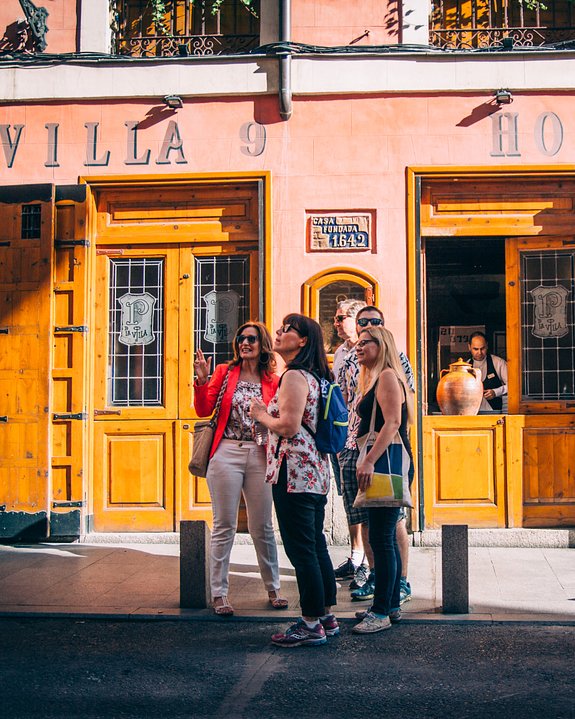
In literary cafés, residential streets, and historic plazas, the city reveals a more local pace of life beyond its major monuments. Architecture, shopping culture, and public gathering spaces all help explain how Madrileños relate to their city.
Best for Day Trips from Madrid
Some of central Spain’s most important historic cities sit just beyond Madrid.
- Full-Day Toledo Day Trip from Madrid
- Segovia Day Trip from Madrid
- Half-Day El Escorial Day Trip from Madrid
These experiences expand the story of Spain through medieval cities, royal monasteries, Roman engineering, and the religious and political ambitions that shaped the Iberian Peninsula.
Best for Families
Madrid’s museums and public spaces can become far more engaging for younger travelers with the right approach.
These experiences focus on storytelling, interaction, and visual observation rather than passive explanation.
Madrid is known for its royal heritage, world-class art museums, and its role as Spain’s political and cultural capital.
Royal History and Monarchy
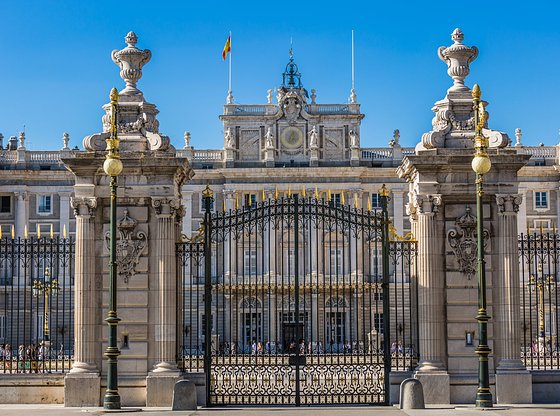
Madrid became the seat of the Spanish monarchy in the 16th century, and landmarks such as the Royal Palace reflect centuries of royal authority.
The Golden Triangle of Art
The Prado Museum, Reina Sofía, and Thyssen-Bornemisza form one of the most important art collections in the world.
Spanish Golden Age Culture
Madrid flourished during Spain’s Golden Age, when artists such as Velázquez and writers like Cervantes shaped Spanish cultural identity.
Historic Squares and Civic Life
Public spaces such as Plaza Mayor and Puerta del Sol reveal how political power and daily life intersect in the city.
Food, Markets, and Tapas Culture
Madrid’s markets, taverns, and tapas traditions reflect Spain’s social approach to food and hospitality.
For many travelers, it comes down to how they want to experience Madrid.
It’s possible to walk through Plaza Mayor, visit the Prado, and enjoy Madrid’s food culture independently. But many of the city’s most important stories are easy to miss without context. The Prado can feel overwhelming without guidance. A tapas bar may seem casual until you understand the social rituals behind it. Even Madrid’s broad boulevards and elegant architecture reflect centuries of royal planning, political ambition, and urban transformation.
Context Travel’s Madrid guided tours are designed to bring those connections into focus.
Led by historians, art historians, wine experts, and local specialists, our tours help travelers understand how monarchy, empire, artistic innovation, civil conflict, and daily life shaped Madrid into the city it is today. Whether you’re standing before Las Meninas in the Prado, discussing Guernica in the Reina Sofía, or tasting wines from across Spain, the goal is not simply to see Madrid, but to better understand the forces that shaped it.
We also offer several ways to explore depending on your travel style:
- Audio guides for independent travelers (starting around $20)
- Small group walking tours (starting around $99 per person)
- Private tours for more flexibility and deeper discussion (starting around $420+)
If you’re looking to move beyond Madrid’s grand landmarks and experience the city with more historical, artistic, and cultural depth, many travelers find that value well worth it.
Madrid appeals to travelers interested in art, royal history, and Spanish cultural life. First-time visitors often benefit from guided introductions that explain the city’s landmarks and museum collections. Lifelong learners explore Madrid’s artistic heritage and intellectual history, while repeat visitors discover neighborhood culture, food traditions, and everyday rhythms that reveal the personality of Spain’s capital.
Madrid’s historic center is highly walkable, with many major landmarks located near Puerta del Sol, Plaza Mayor, and the Prado Museum district. Guided tours are an excellent way to understand the city’s history and layout.
Most travelers spend two to three days in Madrid, allowing time to visit museums, explore historic neighborhoods, and take day trips to nearby cities such as Toledo or Segovia.
Spanish is the official language spoken in Madrid, though English is widely spoken in tourism areas. Spain uses the euro (€) as its currency.
Spring and autumn are particularly pleasant times to visit Madrid, when temperatures are comfortable for walking tours.
What is Madrid known for?
Madrid is known for its royal history, world-class art museums, historic plazas, and vibrant food culture.
How many days should you spend in Madrid?
Most travelers spend two to three days exploring Madrid’s museums, historic districts, and nearby day trip destinations.
Is Madrid walkable?
Yes. Many of Madrid’s major landmarks and neighborhoods are located within the compact historic center.
Is Madrid safe for travelers?
Yes. Madrid is generally considered a safe city for visitors, though travelers should remain aware of pickpocketing in crowded areas.
Is Madrid worth visiting?
Yes. Madrid offers world-class museums, historic architecture, and a lively cultural atmosphere that reflects the heart of Spain.
Why is the Prado Museum so famous?
The Prado Museum houses one of the world’s most important collections of European art, including masterpieces by Velázquez, Goya, and El Greco.
Is Madrid or Barcelona better to visit?
Both cities offer different experiences. Madrid is known for its royal history and art museums, while Barcelona is famous for its architecture and Mediterranean setting. Many travelers choose to visit both.