About the Life is a Dream, Intellectual Madrid Walk in Madrid
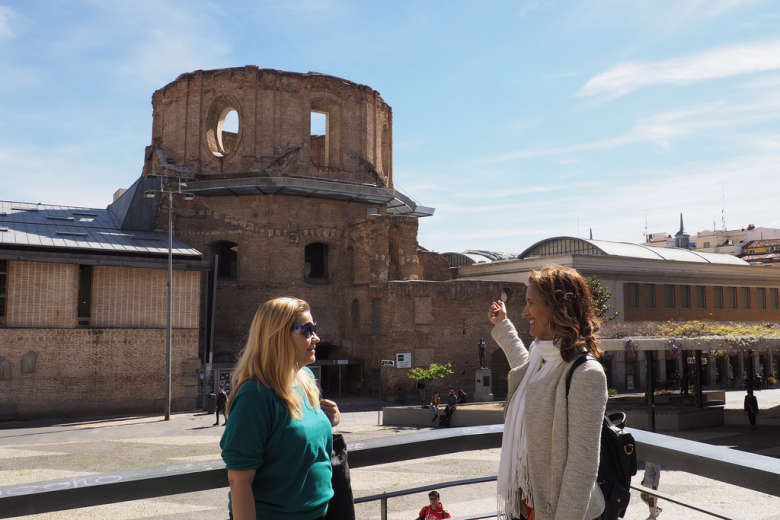
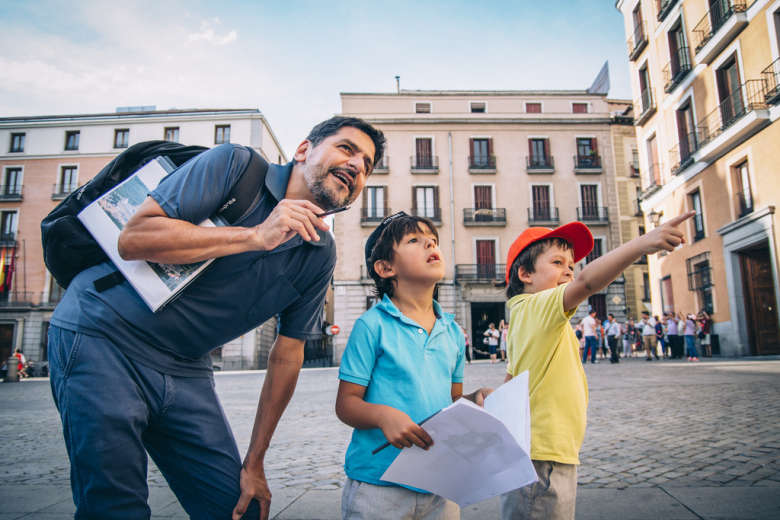
For centuries, the heart of Madrid's literary and intellectual life has centered in the Huertas neighborhood, to the east of the Plaza Mayor and Puerta del Sol. A vibrant quarter that was once home to such seminal figures of the Spanish Golden Century as Cervantes, Quevedo, Góngora, Lope de Vega and Calderón de la Barca, this district is still the heart of theatre, art, and the cultural life of the city. During this three-hour walk we will look deeply into daily life of 17th century Madrid as we stroll the quiet, pedestrian-only streets of this hidden but most magnetic area of the city. The great thinkers and artists of that century will bookend and shape what will become a thematic orientation to Madrid's place in European intellectual history.
Our seminar starts with a visit to the church of St. Sebastian, the parish church where the great writer Lope de Vega was buried. The church is also home to a 400-year-old confraternity of actors, and thus an anchor in the theatrical traditions
read more
For centuries, the heart of Madrid's literary and intellectual life has centered in the Huertas neighborhood, to the east of the Plaza Mayor and Puerta del Sol. A vibrant quarter that was once home to such seminal figures of the Spanish Golden Century as Cervantes, Quevedo, Góngora, Lope de Vega and Calderón de la Barca, this district is still the heart of theatre, art, and the cultural life of the city. During this three-hour walk we will look deeply into daily life of 17th century Madrid as we stroll the quiet, pedestrian-only streets of this hidden but most magnetic area of the city. The great thinkers and artists of that century will bookend and shape what will become a thematic orientation to Madrid's place in European intellectual history.
Our seminar starts with a visit to the church of St. Sebastian, the parish church where the great writer Lope de Vega was buried. The church is also home to a 400-year-old confraternity of actors, and thus an anchor in the theatrical traditions of Madrid. The guided visit to the nearby residence of de Vega offers an extraordinary opportunity to immerse ourselves in the period, while a discussion of the writer's exceptionally adventurous life and herculean literary work articulates our understanding of intellectual life in the 17th century. Perhaps the most prolific writer that has ever lived, Lope de Vega was born in Madrid in 1562 and died here in 1635. His pastoral novel Arcadia presents an idyllic existence which was far removed from his experience as a soldier in the Invincible Armada and a troubled lover in cloak-and-dagger baroque-era Spain. The figure of de Vega allows us to look at the role of cloaks and capes in the history of Madrid, as well as its associations with the literary world. We'll even pass a some shops that sell exclusively capes!
Passing by the site where the first edition of Don Quijote was printed will allow us to continue our literary and intellectual them will also giving us occasion to discuss the towering figure of Cervantes, who lived in the area. If there's time, we may enter the church of the Trinitarian convent where he was buried in 1616. But, in general, our focus will be on the continuous life of the neighborhood and its role in art and culture through the centuries, and how this has defined Madrid as a city. We may stop at some of the neighborhood's core cultural institutions such as the Royal History Academy and the Ateneo, a prestigious centre of intellectual exchange, conferences and concerts. To this day, writers, actors and film directors remain in the area as residents or frequent visitors, and it is easy to spot them dropping by the numerous taverns and trendy boutique shops.
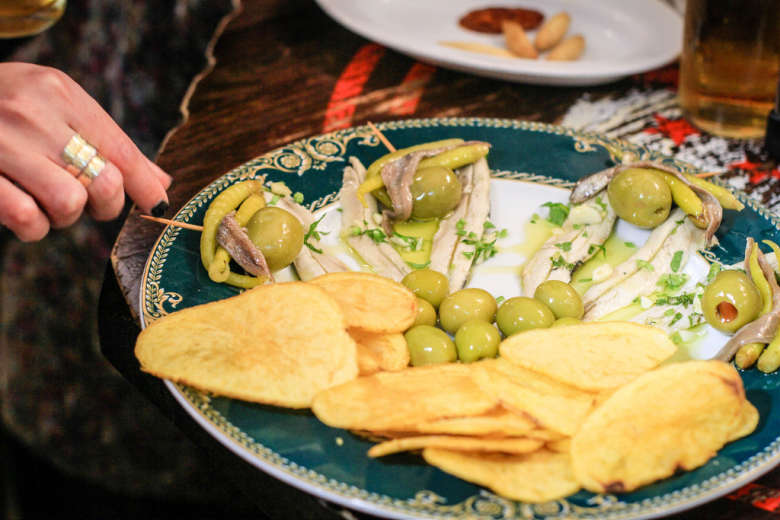
On this walk we will also look at how 20th-century Modernists left their imprint in this quarter with the construction of Cine Doré, a must for cinema lovers and oft featured in Almodovar’s films. As homage to the history of film making in Spain, we'll pass, too, the site of the first cinema projection. Depending on the interests of the group, we may take a quick culinary break to explore the sweet delights offered by nearby Casa Mira, or perhaps head to one of the best bakeries in town which has been successfully providing Madrileños since 1830, and which featured in a novel by Benito Perez Galdós.
In the end, we'll emerge with a vivid portrait of the literary lions who defined Madrid and the intellectual life of this city over the past 300 years. We'll also get a chance to explore one of Madrid's more bohemian quarters as a way of immersing ourselves in the contemporary city.