


.png)


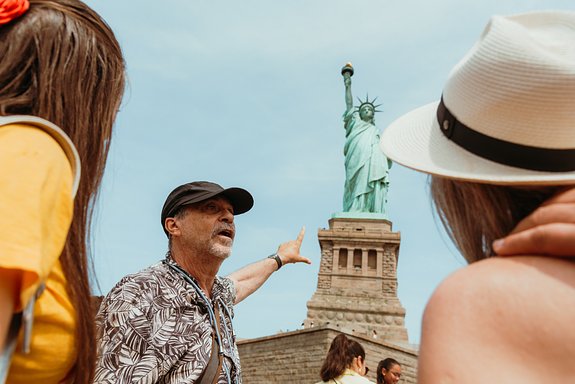
Sam was fantastic. He perfectly shaped the tour around what my two teenagers were interested in, keeping it engaging and educational for everyone. Highly recommended.

New York City Tours
Expert-led New York private tours that turn iconic neighborhoods and immigrant stories into meaningful discoveries
Let Your Curiosity Shape Your Journey
Join passionate experts on intimate walking tours that reveal a city's unique stories, spark conversations, and leave you seeing the world—and yourself—a little differently.
Experts, not guides
Explore with 1,200+ Experts, from historians and architects to chefs and archaeologists.
Crafted for conversation
With fewer than ten guests, engage your Expert through questions and immerse fully.
Structured, never scripted
Your interests guide your Expert, leading to stories and perspectives that matter to you.
Curious or connoisseur
First-time visitor or seasoned explorer, our tours span city highlights to deep-dives.
New York City, Seen with Context
New York isn’t simply a skyline of famous buildings. Walk with an expert to discover how immigrants, entrepreneurs, and artists shaped one of the world’s most dynamic cities.
.jpg)
Discover the founding of a nation
Celebrate America’s 250th with $250 Tours
Hear from our customers
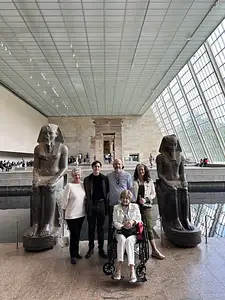
Isabelle was very knowledgeable and gave us a great overview of the flow of the Museum, and excellent detail where we needed it. She was also patient and thoughtful of our mobility challenges with a wheelchair guest. We were not rushed, and everyone truly enjoyed the entire tour. Thank you Isabelle!
You were a great guide to introduce Colton to so much of the magic of your city! He is in love! Appreciate your help! FYI we walked 16,000 steps! ♥️”
New York City Tours
New York City sits at the mouth of the Hudson River on the Atlantic coast, where its harbor helped transform a small Dutch trading settlement into one of the world’s most influential cities. Founded as New Amsterdam in the early 17th century, the city quickly grew into a center of commerce, immigration, and cultural exchange. Over time, waves of newcomers reshaped the city’s neighborhoods, institutions, and identity.
Today, New York City is one of the world’s great cultural capitals, where architecture, art, finance, and food reflect centuries of global influence. Skyscrapers rise above historic districts while museums, markets, and public spaces reveal the stories of communities that built the city. Context Travel’s New York City tours are led by historians, architects, and cultural experts who help travelers understand how immigration, industry, and innovation shaped this dynamic metropolis.
New York City is often described as fast-moving, but its history reveals itself slowly. Every neighborhood reflects a different wave of migration, ambition, architecture, and reinvention. Glass buildings rise beside nineteenth-century row houses. Parks sit atop former rail lines. Entire communities transformed the city through food, music, politics, and activism.
The challenge isn’t deciding what to see. It’s understanding how the city became what it is today.
The right tour helps connect New York’s landmarks, neighborhoods, museums, and daily life into a fuller story about power, creativity, immigration, and identity.
Best for First-Time Visitors
If it’s your first time in New York, begin with experiences that connect the city’s major landmarks and neighborhoods.
These tours move beyond a checklist of sights, helping you understand how Midtown, Central Park, and Lower Manhattan fit into the larger story of New York’s growth and cultural influence.
Best for Art, Museums & Cultural Institutions
New York’s museums hold some of the world’s most important collections, but context transforms them from overwhelming to meaningful.
- Met Museum Tour: A Guided Crash Course with Skip-the-Line Tickets
- American Museum of Natural History Audio Guide
With art historians, anthropologists, and museum specialists leading the experience, collections become conversations about empire, religion, design, science, and cultural exchange.
Best for Immigration, Identity & Social History
New York was shaped by the people who arrived here looking for opportunity, survival, and reinvention.
- Statue of Liberty and Ellis Island Tour
- Little Italy Immigration History Tour
- Greenwich Village Tour: Arts, Activism and Social Justice
- September 11th Memorial Tour
These experiences explore migration, labor, activism, memory, and the communities that reshaped the city over generations.
Best for Food & Neighborhood Culture
Food in New York tells the story of immigration as clearly as any museum.
- New York Food Tour: Chinatown
- New York Food Tour: East Village
- New York City Cocktail Tour and Tasting (a Context staff favorite!)
Neighborhood restaurants, bakeries, bars, and markets reveal how different communities shaped the city’s identity through food, tradition, and entrepreneurship.
Best for Architecture & Urban Transformation
New York is one of the world’s great architectural cities.
- Architecture Tour of New York
- Upper East Side Tour: Culture and Architecture of the Gilded Age
- The Gilded Age in New York City Audio Guide
From Beaux-Arts mansions to modern skyscrapers and adaptive reuse projects like the High Line, these tours reveal how wealth, planning, and development shaped the city’s skyline and public spaces.
New York City is known for its skyline, cultural institutions, immigrant history, and its role as one of the world’s leading global cities.
Iconic Skyline and Architecture
New York’s skyscrapers, from the Empire State Building to modern towers, reflect the city’s architectural ambition and economic power.
Immigration and Cultural Diversity
For centuries, New York served as the primary gateway for immigrants entering the United States, shaping the city’s neighborhoods and culture.
World-Class Museums and Arts
Institutions such as the Metropolitan Museum of Art and the Museum of Modern Art house some of the most important art collections in the world.
Historic Neighborhoods
Districts such as Lower Manhattan, Greenwich Village, and Harlem reveal different chapters of the city’s social and cultural history.
Global Commerce and Influence
As a center of finance, media, and culture, New York continues to influence global trends in business, art, and fashion.
New York City appeals to travelers interested in culture, history, architecture, and urban life. First-time visitors often benefit from guided introductions that explain the city’s iconic landmarks and historic neighborhoods. Lifelong learners explore museums and cultural institutions in greater depth, while repeat visitors enjoy discovering the unique identity of individual neighborhoods and the stories behind them.
New York City is large, but many neighborhoods are best explored on foot. Private tours are an excellent way to understand the city’s architecture and local history, often combined with short subway rides between districts.
Most travelers spend three to five days in New York City, allowing time to explore museums, historic neighborhoods, and major landmarks.
English is the primary language spoken in New York City. The United States uses the U.S. dollar (USD) as its currency.
Spring and autumn are especially pleasant times to visit due to comfortable temperatures and ideal walking conditions.
For many travelers, it comes down to how they want to experience New York.
It’s possible to walk the city independently and still feel its energy immediately. But many of New York’s most important stories are easy to miss without expert insight. A neighborhood may look trendy until you understand the immigrant communities that shaped it. A skyscraper reflects more than design—it reveals economics, politics, and ambition. Even food becomes a map of migration and identity.
Context Travel’s New York City private walking tours are designed to bring those connections into focus.
Led by anthropologists, historians, architects, art historians, and local specialists, our tours help travelers understand how immigration, commerce, activism, culture, and urban planning shaped the city. Whether you’re discussing social change in Greenwich Village, exploring the Met with an art historian, or tasting your way through Chinatown, the goal is not simply to see New York, but to better understand how the city works.
We also offer several ways to explore depending on your travel style:
- Audio guides for independent travelers (starting around $20)
- Private tours for more flexibility and deeper discussion (starting around $360+)
If you’re looking to move beyond New York’s surface energy and experience the city with more historical, cultural, and human depth, many travelers find Context Travel value well worth it.
What is New York City known for?
New York City is known for its skyline, world-class museums, diverse neighborhoods, and its role as a global cultural and financial center.
How many days should you spend in New York City?
Most travelers spend three to five days exploring New York City’s neighborhoods, museums, and major landmarks.
Is New York City walkable?
Yes. Many neighborhoods are very walkable, though the subway is often used to travel between districts.
Is New York City safe for travelers?
New York City is generally safe for visitors, especially in major tourist areas and central neighborhoods.
Is New York City worth visiting?
Yes. New York City offers extraordinary cultural diversity, architecture, art, and cuisine.
Why is New York City called “the Big Apple”?
The nickname originated in the early 20th century and became widely associated with New York’s role as a center of opportunity and culture.
Is New York City a good destination for first-time visitors to the United States?
Yes. New York offers an introduction to American culture, history, and diversity in one city.