Paris Guided Private Tours with Expert Guides
Uncover the City of Light with Context Travel's Paris Tours
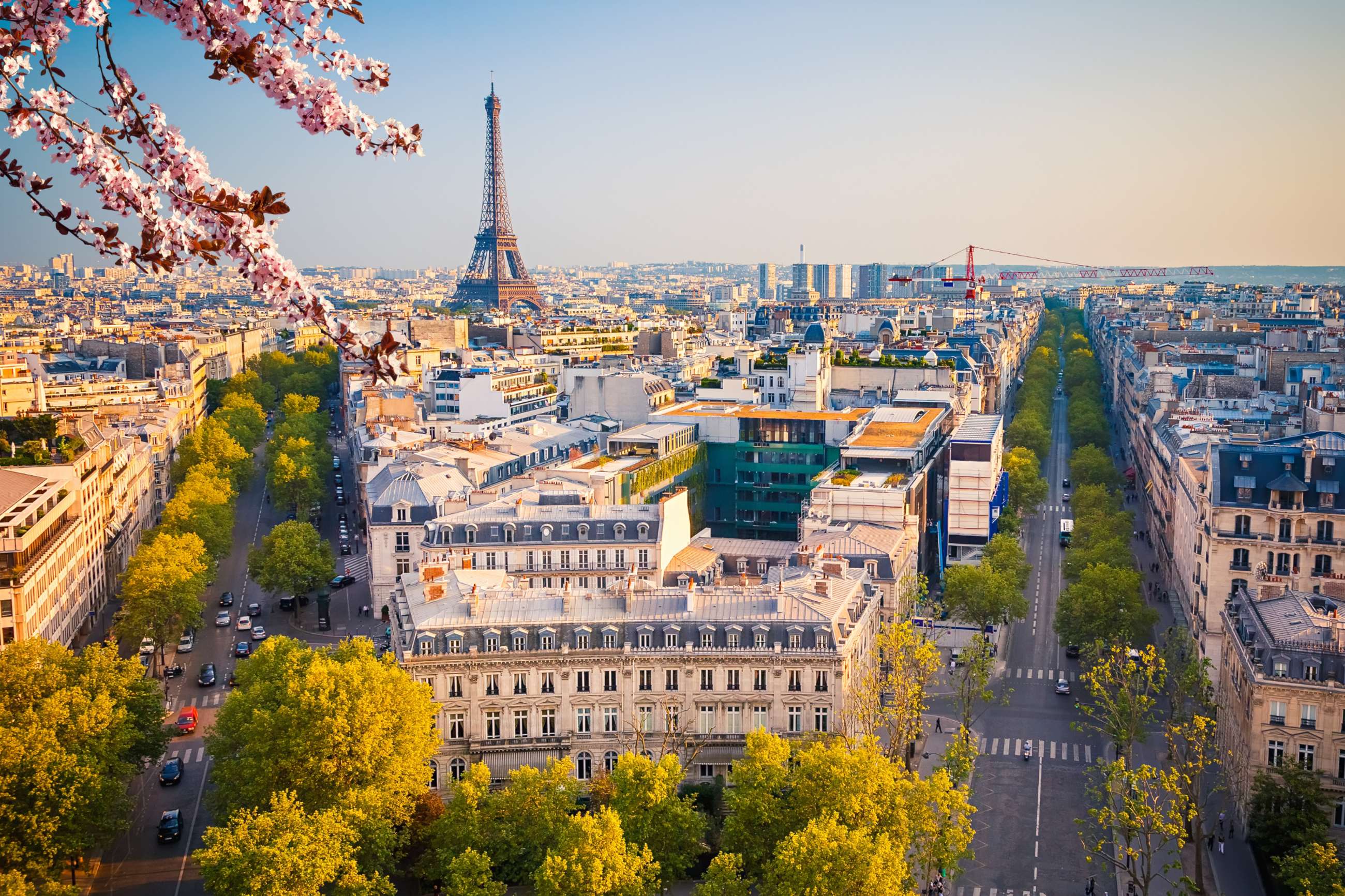
Set along the Seine River in northern France, Paris is a city where art, politics, and daily life have shaped one another for centuries. From medieval churches and royal palaces to revolutionary streets and modern museums, Paris has played a central role in European cultural and intellectual history. Today, travelers visit Paris to understand its layered past while experiencing a living city defined by neighborhoods, food culture, and creative energy.
Why Choose Context Travel for Paris Guided Tours?
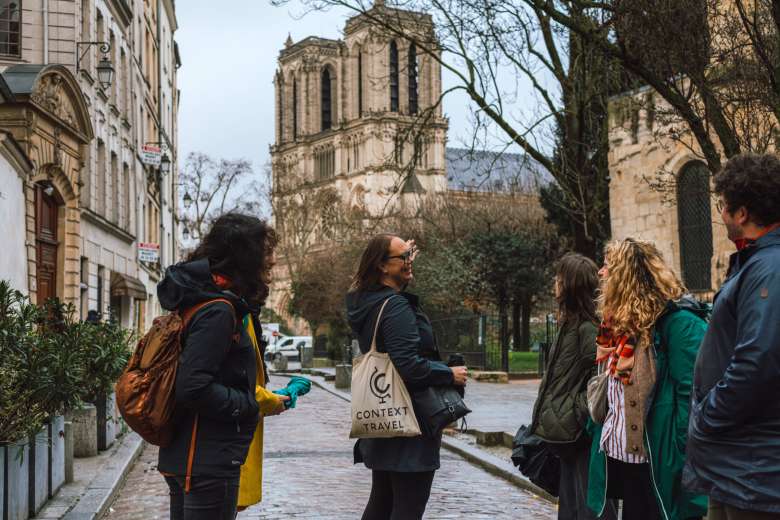
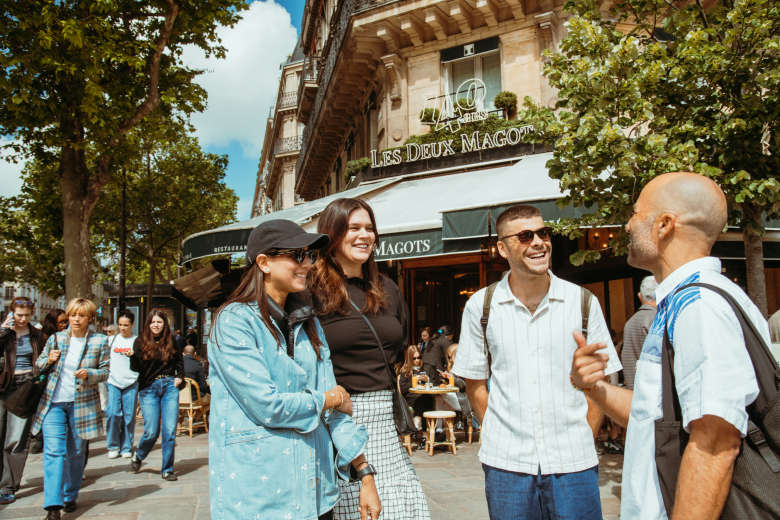
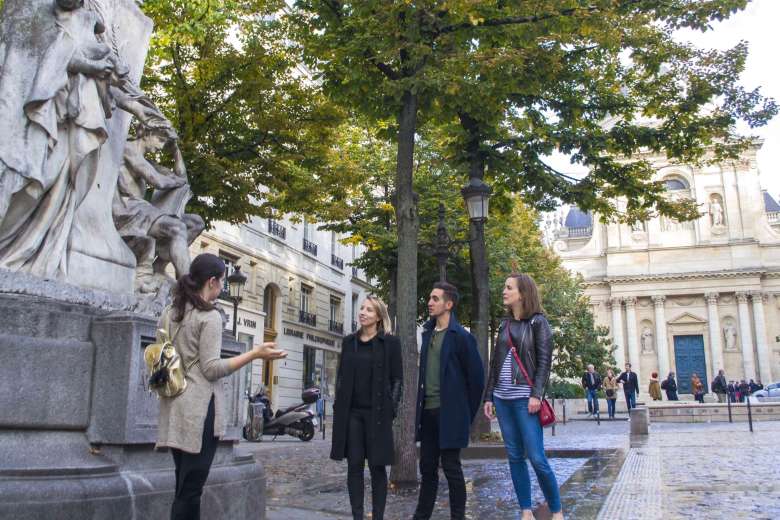
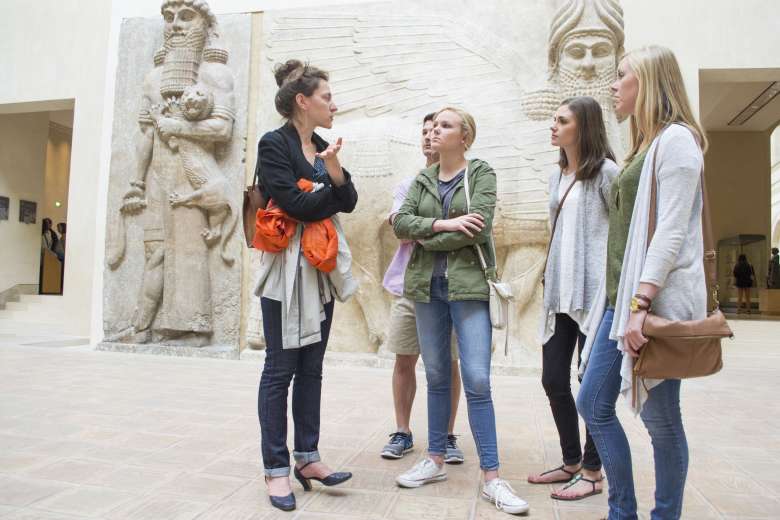
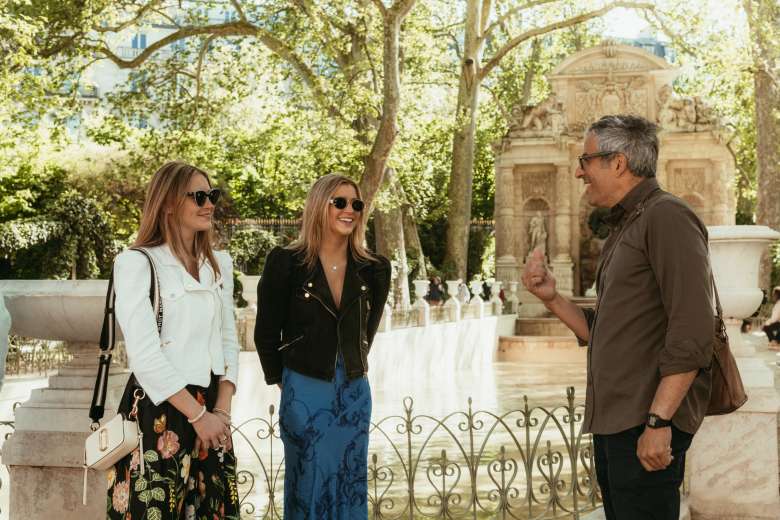
Context Travel’s Paris guided tours are designed for those who seek depth and discovery. Perfect for history buffs, art enthusiasts, food lovers, and curious travelers, our tours are led by scholars—historians, art historians, or cultural experts—who bring Paris’s stories to life. With no more than 10 travelers max, our experiences ensure intimate, engaging exploration with skip-the-line access to iconic sites.
We’re committed to sustainable tourism, recognizing the impact of visitors on Paris’s historic charm. By keeping groups small, partnering with local communities, and adhering to responsible tour standards, our Paris guided tours preserve the city’s cultural heritage for future generations. With an experienced Paris tour guide by your side, every step becomes a journey through time, from medieval cathedrals to modern patisseries.
What Is Paris Known For?
Paris is known as a city where ideas, art, and power have long shaped one another. More than a collection of monuments, Paris has functioned for centuries as a center of intellectual life, political transformation, and cultural production—one whose influence reaches far beyond France.
Historically, Paris is known for its role in shaping Western thought and governance. From medieval universities and Enlightenment salons to revolutionary assemblies and modern republics, the city has been a stage for debates about liberty, citizenship, and the role of culture in public life. These ideas are not abstract here; they are embedded in streets, institutions, and buildings still in use today.
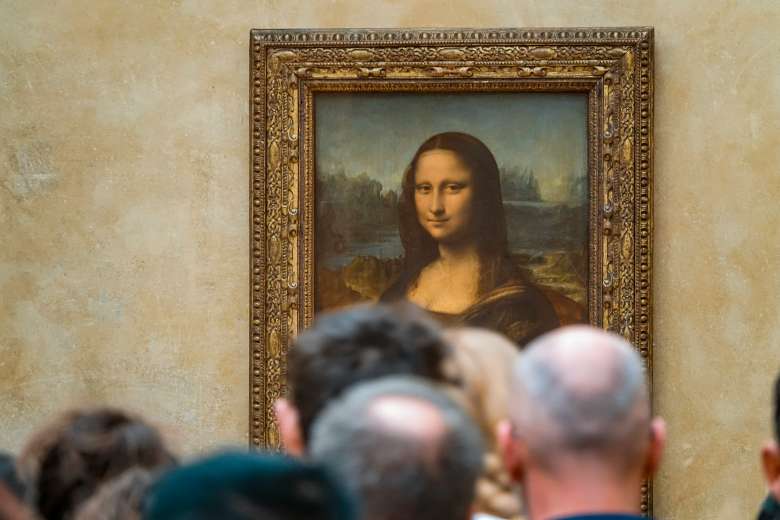
Paris is also known for its unparalleled artistic legacy. The city has been a magnet for artists, architects, and writers, serving both as patron and provocateur. Museums like the
Louvre and
Musée d’Orsay reflect not only artistic achievement but changing ideas about power, taste, and public access to culture. Even beyond museum walls, Paris’s urban design—from medieval lanes to Haussmann’s boulevards—reveals how aesthetics and authority have long been intertwined.
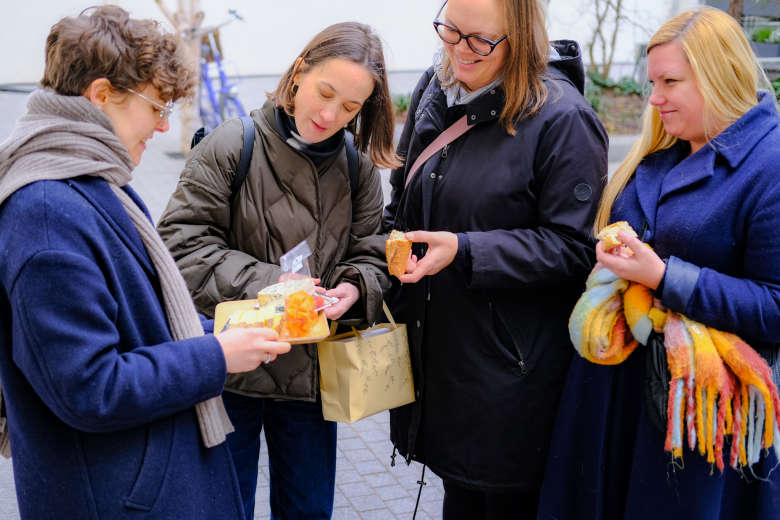
Culinarily, Paris is known as a place where food became a cultural language. It was here that the modern restaurant emerged, where regional traditions were refined, codified, and debated. Markets, bakeries, cafés, and dining rooms continue to reflect social rituals tied to class, neighborhood identity, and daily life, making food one of the most immediate ways to understand the city.
Paris is equally known for its ability to hold continuity and change in tension. Gothic cathedrals stand beside contemporary architecture, historic neighborhoods evolve while retaining their character, and centuries-old institutions adapt to modern life. This balance gives Paris its distinctive rhythm, one that rewards slow observation and informed exploration.
Ultimately, Paris is known not just for what it contains, but for how it invites understanding. It is a city best experienced with context, where layers of history, culture, and everyday life reveal themselves through thoughtful guidance rather than surface-level sightseeing.
How to Tour Paris?
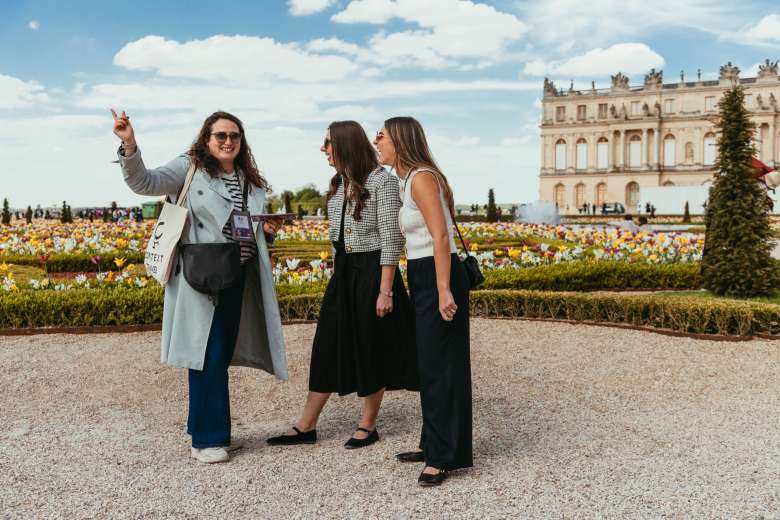
To tour Paris meaningfully, blend expert-led Paris tours with curated exploration. Start with iconic landmarks like the Louvre, Notre-Dame, or Versailles, where scholars unpack centuries of history. Include a food tour to savor traditional Parisian food like croissants and escargots, and consider day trips to Giverny for a picturesque journey. Context’s Paris tours offer skip-the-line tickets and expert narration, freeing you to focus on discovery. For flexibility, our audio guides provide scholar-led insights at your own pace, ensuring a rich experience whether you’re strolling the Seine or exploring Montmartre.
What to Do in Paris?
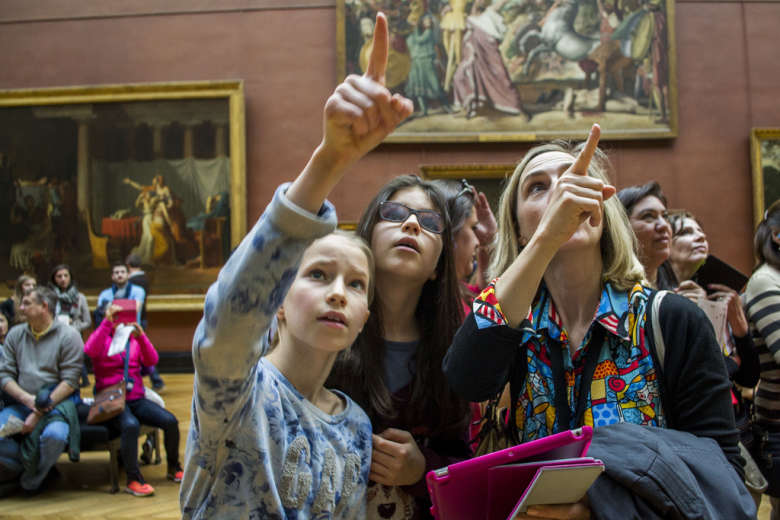
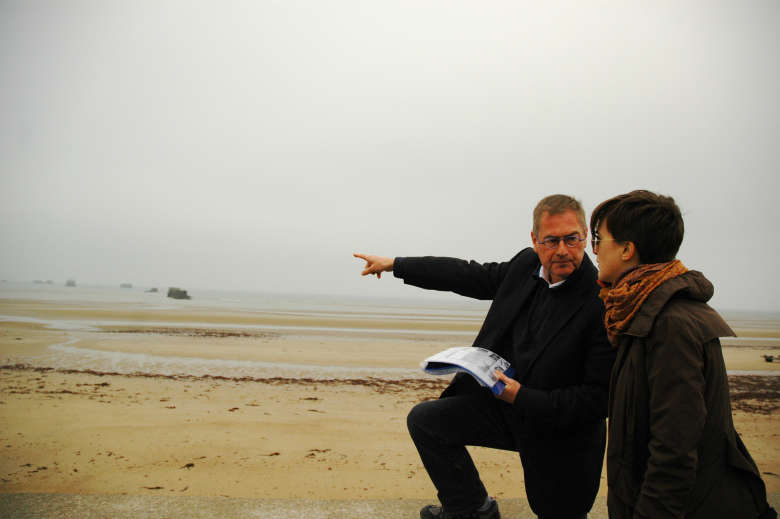
Paris offers endless possibilities for curious travelers. Visit iconic sites like the Eiffel Tower, Louvre, and Notre-Dame with our Paris guided tours to uncover their historical significance. Explore art at the Musée d’Orsay or savor traditional Parisian food on a chocolate or market tour. Wander bohemian Montmartre, trace WWII history, or immerse yourself in Versailles’ grandeur. For families, kid-friendly tours make the Louvre engaging.
Top Experiences with Context Travel in Paris
Art & Museums
- Art historian–led tours of the Louvre Museum and Musée d’Orsay
- Focused introductions to major works, movements, and museum context
History & Urban Life
- Guided tours exploring medieval Paris, revolutionary sites, and WWII history
- City orientation tours connecting neighborhoods, monuments, and daily life
Neighborhoods & Culture
- Explorations of Montmartre, the Marais, and Left Bank districts
- Discussions of artistic communities, migration, and urban development
Food & Culinary Culture
- Market and food-focused private tours highlighting French ingredients and traditions
- Culinary context linking cuisine to history, class, and geography
Families & Independent Travelers
- Interactive museum tours designed specifically for children and families
- Audio guides for independent exploration with expert narration
Who Is Paris Best For?
- First-time visitors: Travelers seeking a structured introduction to Paris’s history and layout
- Families: Older children and teens interested in art, history, and storytelling
- Lifelong learners: Visitors drawn to in-depth discussion of art, politics, and culture
- Repeat travelers: Those returning to explore neighborhoods, food, or specialized themes
- Solo travelers: Independent travelers who value walking-based, expert-led experiences
- Couples: Travelers looking for shared cultural experiences grounded in place
Practical Planning Information
Paris is best visited in spring (April–June) and fall (September–October), when weather is mild and walking conditions are comfortable. Most travelers spend 3–5 days exploring museums, neighborhoods, and nearby destinations such as Versailles.
Paris is highly walkable, with an extensive metro and bus system for longer distances. French is the primary language, though English is widely spoken in tourist areas. The local currency is the euro (€).
Frequently Asked Questions About Visiting Paris
How many days do you need in Paris?
Most travelers find that 3 to 5 days allows enough time to experience Paris’s major museums, neighborhoods, and food culture without rushing. With more time, travelers can explore lesser-known districts or take day trips beyond the city.
Are Paris walking tours worth it?
Yes—Paris is a city layered with history that isn’t always obvious at street level. Guided walking tours help connect architecture, art, politics, and daily life, turning famous landmarks and quiet streets alike into meaningful experiences rather than isolated sights.
Is Paris a walkable city?
Very much so. Many of Paris’s historic neighborhoods, such as the Latin Quarter, Le Marais, Saint-Germain-des-Prés, and Montmartre, are best explored on foot. Walking allows you to notice details often missed when traveling by car or metro.
What is the best way to see Paris for the first time?
For first-time visitors, a guided
Paris highlights tour is an excellent starting point. It provides historical grounding, helps with navigation, and offers context that makes museums, neighborhoods, and landmarks more meaningful throughout the rest of the trip.
Are private tours better than group tours?
Private tours offer greater flexibility, deeper conversation, and the ability to tailor the experience to your interests and pace. Small-group tours, when thoughtfully designed, can also provide an intimate experience while allowing for shared discussion and perspective.
Is Paris good for families?
Yes. Paris offers museums, gardens, neighborhoods, and food experiences that can be adapted for children. Family-focused walking tours help younger travelers engage with history and art through stories, observation, and interactive discussion rather than lectures.
Do I need skip-the-line tickets in Paris?
For popular sites like the Louvre, the Eiffel Tower, and Sainte-Chapelle, advance tickets are strongly recommended—especially during peak seasons. Guided tours often include timed entry, helping reduce waiting and streamline the visit.
What is Paris known for culturally?
Paris is known for its role in shaping art, philosophy, political thought, architecture, and cuisine. From medieval universities to Enlightenment salons, revolutionary movements, and modern cultural institutions, the city has long influenced how culture and ideas circulate globally.
Is Paris safe for travelers?
Paris is generally safe, particularly in central neighborhoods where most visitors spend time. Like any major city, travelers should remain aware of their surroundings, especially in crowded areas. Guided tours can also help visitors navigate confidently and respectfully.
What language is spoken in Paris, and will I need to know French?
French is the primary language spoken in Paris. While many people in tourism-related settings speak English, learning a few basic French phrases is appreciated and can enhance everyday interactions.
What is the best time of year to visit Paris?
Spring (April–June) and fall (September–October) are often considered the best times to visit, offering mild weather and fewer crowds than peak summer. Winter brings quieter streets and museum-focused travel, while summer offers long days but heavier crowds.
Why Explore Paris with Context Travel?
Paris’s story unfolds through its medieval cathedrals, revolutionary boulevards, and artistic cafés. From the Gothic splendor of
Notre-Dame to the opulence of Versailles, every corner reflects centuries of creativity and resilience. Whether marveling at the Mona Lisa, tasting traditional Parisian food, or tracing the steps of the French Resistance, our Paris guided private tours offer an authentic lens into this extraordinary city. Join Context Travel to discover Paris with curiosity and care.