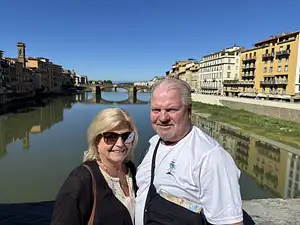
Florence is often described as the birthplace of the Renaissance, but that phrase only begins to explain the city. Here, art, politics, religion, and commerce were deeply intertwined, shaping not only Florence itself but much of Western culture.
The challenge isn’t deciding what to see. It’s understanding how everything connects.
The right tour helps turn Florence from a beautiful backdrop into a city that feels alive with ideas, ambition, and human stories.
Best for First-Time Visitors
If it’s your first time in Florence, begin with experiences that introduce both the city’s layout and its historical importance.
These tours connect major landmarks, neighborhoods, and public spaces, helping you understand how Florence developed from a medieval trading city into a center of artistic innovation.
Best for Renaissance Art
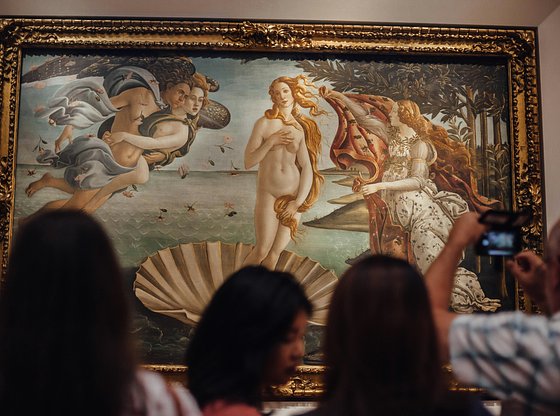
Florence holds some of the most important works of Renaissance art in the world, but context matters.
With an art historian, works by Michelangelo, Botticelli, and Leonardo become part of a larger story about patronage, power, and the rediscovery of classical ideas.
Best for History & Civic Power
Florence’s history is not just artistic, it is political.
These experiences explore how banking, trade, and influential families shaped the city’s identity and influence across Europe.
Best for Food, Wine & Local Culture
Florence’s food culture reflects Tuscany’s agricultural traditions and slower rhythms of life.
Meals, markets, and wine tastings become ways to understand regional identity, not just local flavor.
Best for Neighborhood Exploration
Florence reveals itself gradually through its streets, workshops, and everyday spaces.
In neighborhoods beyond the busiest monuments, cafés, wine windows, artisan workshops, and quieter piazzas reveal how the city continues to balance tourism with local life.
Best for Day Trips from Florence
Some of Tuscany’s most memorable experiences happen beyond Florence itself.
These tours expand the story of Florence outward into the surrounding region that helped shape its wealth and culture.




.png)