

%20-%202026-04-28T085747.841.png)


.png)

%20-%202026-05-18T133514.782.png)

Superb! Informative a dad knowledgeable with great sense of humor!

London Tours
Expert-led London guided tours that turn royal landmarks and centuries of reinvention into meaningful discoveries
Let Your Curiosity Shape Your Journey
Join passionate experts on intimate walking tours that reveal a city's unique stories, spark conversations, and leave you seeing the world—and yourself—a little differently.
Experts, not guides
Explore with 1,200+ Experts, from historians and architects to chefs and archaeologists.
Crafted for conversation
With fewer than 12 guests, engage your Expert through questions and immerse fully.
Structured, never scripted
Your interests guide your Expert, leading to stories and perspectives that matter to you.
Curious or connoisseur
First-time visitor or seasoned explorer, our tours span city highlights to deep-dives.
London, Seen with Context
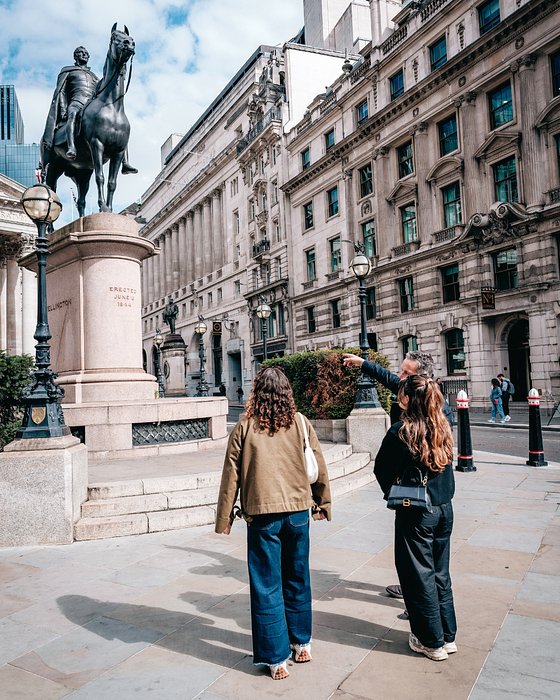
London isn’t only royal landmarks and famous squares. Walk with an expert to see how empire, industry, and centuries of change shaped this global capital.
.png)
Small groups, capped at 10
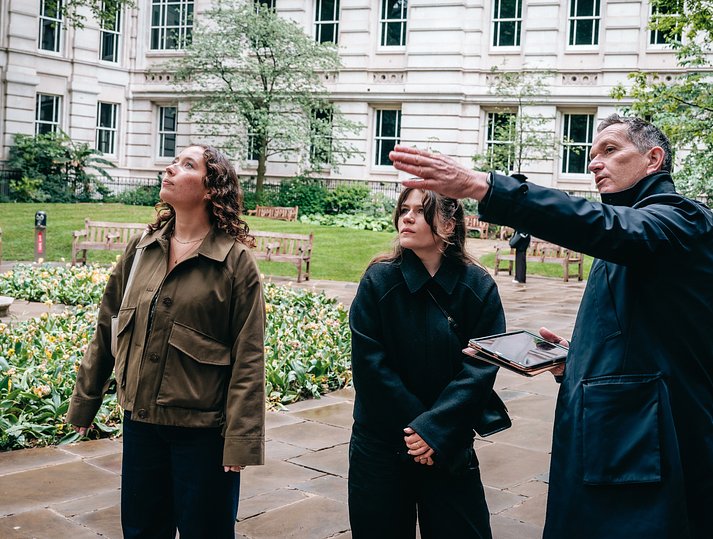
Discover London with other curious travelers
%20-%202026-05-18T122730.868.png)
Hear from our customers
Harry is Context personified--a true expert in his field who effortlessly walked us through what would otherwise have been an overwhelming amount of historical information in an engaging, organized manner. We would readily sign up for another tour with Harry, the tour was a total delight.
Dan was wonderful
London Tours
London rewards curiosity. But with centuries of history layered into every street, the question isn’t what to see. It’s how to understand it.
Here’s how to choose the right experience, based on what you want to uncover, not just what you want to visit.
Best for First-Time Visitors
If it’s your first time in London, the goal is to orient yourself in a city that can feel sprawling and complex. Start here:
Best for History & Big Ideas
London is a city shaped by monarchy, empire, and political change. Understanding those forces transforms what you see.
Best for Art & Museums
London’s museums are vast and world-class, but without context, they can feel overwhelming.
Best for Neighborhood Exploration
London reveals itself through its neighborhoods, each with its own identity and history.
Best for Food & Culture
London’s food scene reflects its global identity. Explore it through markets and local traditions.
Best for Families & Teens
Designed to engage younger travelers while still offering depth.
Best for Flexible, Self-Guided Exploration
Explore London at your own pace while still benefiting from expert insight.
- Charles Dickens in London Audio Guide
- Changing of the Guard Audio Guide
- Shakespeare in London Audio Guide
How do you choose?
If you’re unsure where to start:
Short trip? → London in a Half-Day + one key site
Love history? → Westminster or Tower of London
Interested in art? → British Museum or National Gallery
Want local flavor? → Add a neighborhood or food tour
Short trip? → London in a Half-Day + one key site
Love history? → Westminster or Tower of London
Interested in art? → British Museum or National Gallery
Want local flavor? → Add a neighborhood or food tour
London stands along the River Thames, where nearly two thousand years of history have shaped one of the world’s most influential cities. Founded as the Roman settlement of Londinium, it grew into a medieval trading hub, the seat of royal power, and later the capital of a global empire. Each era left its imprint, from the Tower of London and Westminster Abbey to the grand boulevards and museums of the Victorian age.
Today, London blends historic institutions with dynamic neighborhoods and cultural innovation. Royal palaces, world-class museums, and lively markets sit alongside modern architecture and diverse communities. Context Travel’s London guided private and small group tours are led by historians, archaeologists, and cultural experts who help travelers connect the city’s landmarks with the broader story of Britain and its global influence.
London is known for its royal institutions, historic landmarks, museums, and its role in shaping global politics, culture, and trade.
Royal History and Monarchy
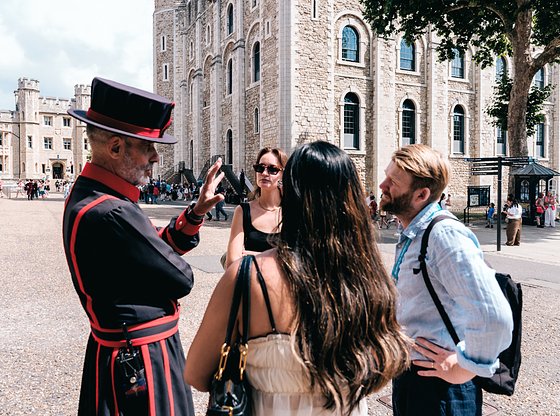
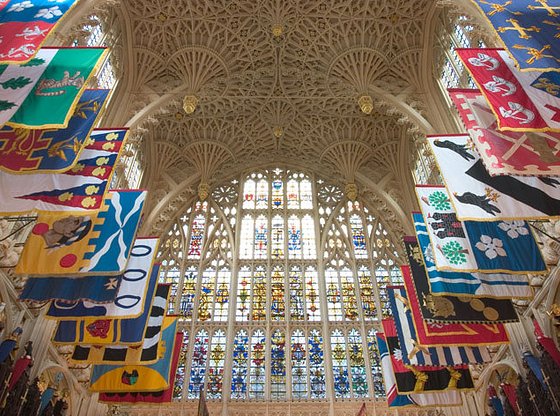
Landmarks such as Buckingham Palace, Westminster Abbey, and the Tower of London reflect centuries of royal ceremony, power, and political history.
Museums and Cultural Institutions
London’s museums, including the British Museum and National Gallery, hold collections that trace the development of world civilizations and artistic traditions.
Imperial and Global History
As the capital of the British Empire, London became a hub of global trade, diplomacy, and cultural exchange.
Historic Architecture and Urban Growth
The city’s skyline reflects centuries of development, from medieval churches and Georgian squares to modern landmarks.
Neighborhood Culture and Markets
Districts such as Covent Garden, Soho, and Southwark reveal how commerce, entertainment, and everyday life shaped the city.
For many travelers, it comes down to what kind of experience you’re looking for.
Context Travel’s London tours are designed for depth and clarity, led by historians, art experts, and several Blue Badge guides—London’s highest-level licensed guides—who help you understand not just what you’re seeing, but why it matters. That level of expertise, combined with small group sizes, creates a more thoughtful, conversation-driven experience than traditional tours.
We also offer a range of ways to explore depending on your travel style. Audio guides for independent travelers start under $20, small group tours begin around $100 per person, and private tours typically start around $300 for a more personalized experience.
If you’re looking to go beyond the surface and make sense of London’s layered history in a meaningful way, many travelers find that value well worth it.
London appeals to travelers interested in history, culture, and global connections. First-time visitors often begin with guided introductions to the city’s landmarks and royal institutions to understand Britain’s historical development. Lifelong learners explore London’s museums and historic neighborhoods in greater depth, while repeat visitors discover the city’s markets, cultural districts, and local perspectives that reveal how London continues to evolve.
London is a large city, but many historic landmarks are concentrated along the Thames and within central districts. Walking tours are one of the best ways to understand the city’s history and layout, often combined with short journeys on the Underground.
Most travelers spend three to four days in London, allowing time to visit major landmarks, museums, and neighborhoods. Longer stays allow for day trips to nearby historic destinations such as Windsor, Oxford, or Hampton Court Palace.
English is the primary language spoken in London. The United Kingdom uses the pound sterling (£) as its currency.
London is a year-round destination, though spring and early autumn often offer the most comfortable weather for guided tours.
What is London known for?
London is known for its royal institutions, historic landmarks, world-class museums, and its role as a global center of politics, culture, and trade.
How many days should you spend in London?
Most travelers spend three to four days exploring London’s landmarks, museums, and neighborhoods.
Is London walkable?
Many central districts are walkable, though the city’s size means visitors often combine walking with the Underground or buses.
What are the best things to do in London?
Popular experiences include visiting the Tower of London, exploring Westminster Abbey, discovering world-class museums, and exploring historic neighborhoods.
Is London worth visiting?
Yes. London offers extraordinary history, cultural institutions, and diverse neighborhoods that reflect centuries of global influence.
Where should you stay in London?
Central areas such as Westminster, Covent Garden, and South Bank offer convenient access to many major attractions.
Is London safe for travelers?
Yes. London is generally considered a safe city for visitors, with well-developed public transportation and busy central neighborhoods. As in any major city, travelers should stay aware of their surroundings, especially in crowded areas or on public transit, but most visits are trouble-free. Popular districts such as Westminster, Covent Garden, and South Bank are well monitored and frequently visited by travelers.