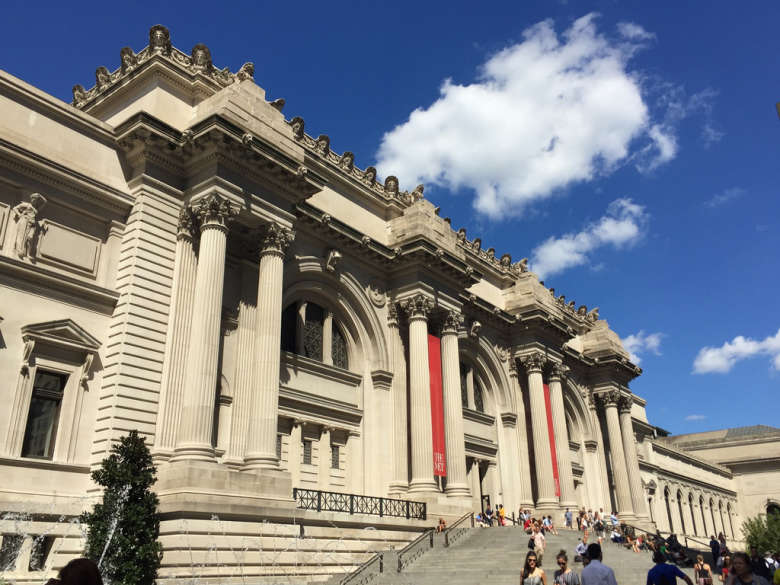

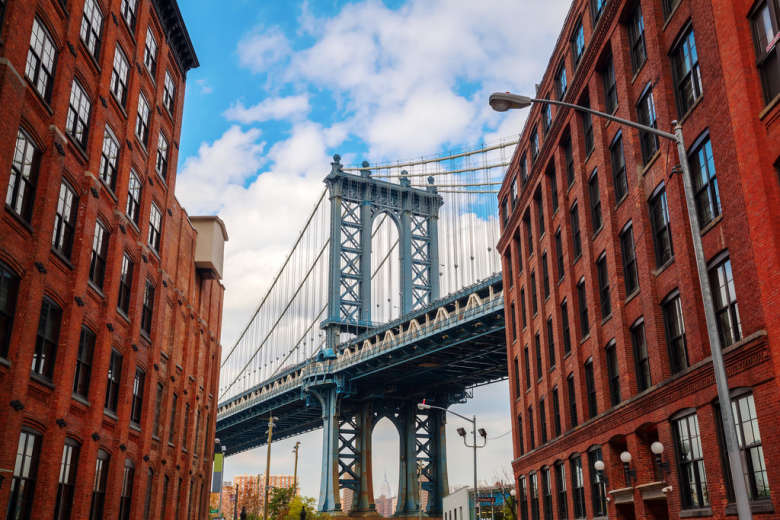
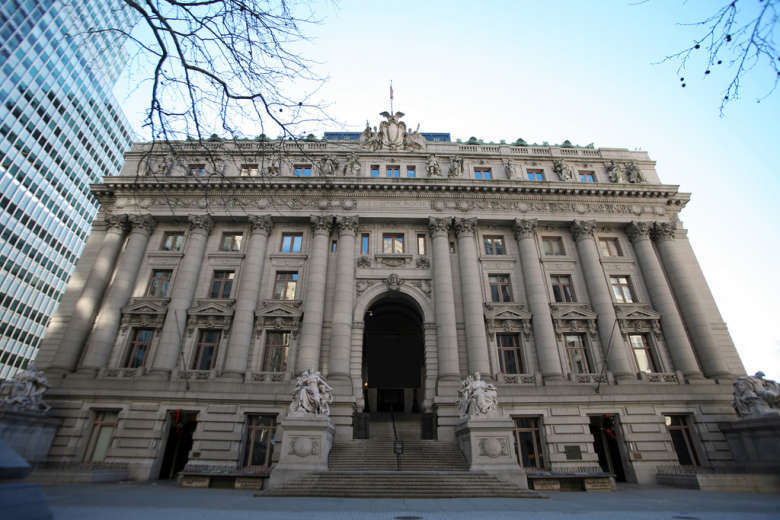

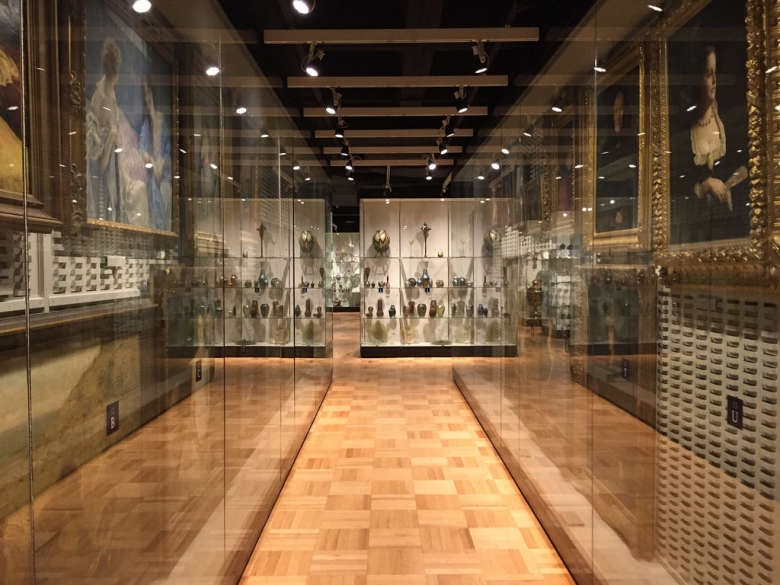
From strolling the streets of Brooklyn to savoring the classic cuisine in Chinatown and Little Italy on our New York Food Tours, we curate diverse and immersive experiences. Create lasting memories with our family-friendly American Museum of Natural History Tour or dive into the world of art with our Metropolitan Museum of Art Tour, led by an art historian.
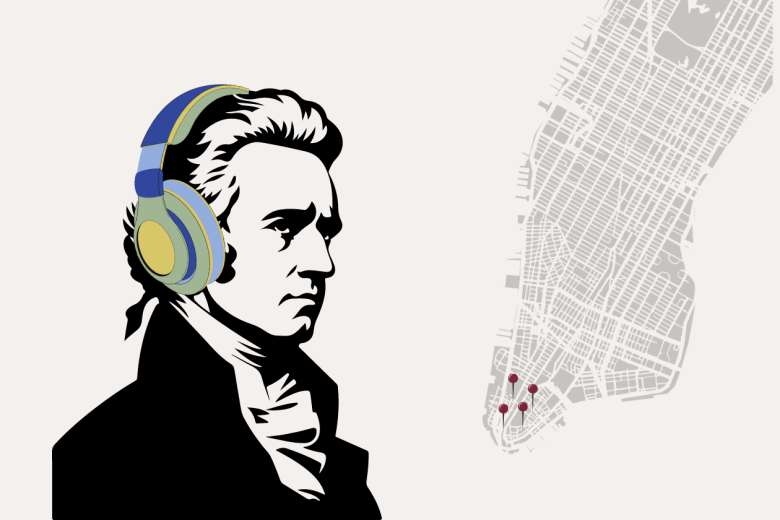
Since 2011, our local team of experts has been unearthing New York's hidden gems, weaving tales of Hamilton and the Revolutionary War, American Immigration, and the Gilded Age tycoons on our Manhattan walking tours. Immerse yourself in must-see landmarks like the High Line, the September 11th Memorial, and more.
You'll unleash the spirit of New York during our captivating walking tours, where the city's fast-paced energy blends seamlessly with deeper historical narratives, leaving you with an enriched perspective and unforgettable experiences.
What Context New York Travelers Say
1,105 Reviews
–
Reviews can only be left by Context customers after they have completed a tour. For more information about our reviews, please see our FAQ.
Our guide John answered about 300 questions from my kids during our tour. Thank you for your patience, knowledge, and engagement!
Margaret
Apr. 15, 2024
Our wonderful guide Mandy made it a very special tour! She is very knowledgeable and a great storyteller. Knows a lot about the history of the bridge and has many historic photos to show. We asked for some history about the bridge, the area and its people, along with some hidden gems and she delivered in spades. Would recommend to everybody!
Sandra
Apr. 13, 2024
Isabelle was amazing. Highly recommend Context and her!
James
Apr. 12, 2024