
Munich Private Walking Tours
8
Experiences available

Munich Tours

Expert-led Munich walking tours that turn Bavarian traditions and royal legacy into meaningful discoveries

Let Your Curiosity Shape Your Journey

Join passionate experts on intimate walking tours that reveal a city's unique stories, spark conversations, and leave you seeing the world—and yourself—a little differently.

Crafted for conversation

With ten or fewer guests, ask questions, engage with your Expert, and fully immerse yourself.

Experts, not guides

Explore with 1,200+ Experts, from historians and architects to archaeologists and chefs.

Structured, never scripted

Your interests guide your Expert, leading to stories and perspectives that matter to you.

From curious to connoisseur

For first-time visitors or seasoned explorers, our tours span city highlights to deep-dive masterclasses.

Hear from our customers

503 Reviews

Stefan was wonderful. We really enjoyed the sunshine and biergarten and then seeing a different part of Munich after staying in the city center for the past couple of days.

Photo Shared by Megan with their review

Nicola was great. She was so knowledgeable and personable. And she instantly understood what our interests were and made sure to incorporate that into the tour.

Brendan was fantastic and very knowledgable about the history and what shaped Munich into the city it is today. It was a great overview of the city of Munich. I would highly recommend this tour.

Munich Tours

Munich sits in southern Germany along the Isar River, where its position between the Alps and central Europe helped shape the city’s development as a center of trade, politics, and culture. Founded in the 12th century, Munich later became the capital of the powerful Bavarian kingdom, with royal patronage transforming the city into a center of architecture, art, and intellectual life.

Today, Munich blends grand royal boulevards, historic beer halls, and vibrant cultural institutions. The city’s historic center reflects centuries of Bavarian tradition, while museums and memorials reveal more recent chapters of German history, including the rise of the Nazi movement and the legacy of World War II. Context Travel’s Munich tours are led by historians and cultural experts who help travelers understand how monarchy, tradition, and modern history shaped Bavaria’s capital.
Munich is known for its Bavarian heritage, royal architecture, historic beer culture, and its role in modern German history.

Bavarian Royal History

Munich served as the capital of the Kingdom of Bavaria, and landmarks such as the Residenz palace reflect centuries of royal power and patronage.

Beer Culture and Oktoberfest

Munich is famous for its historic beer halls and as the home of Oktoberfest, one of the world’s largest cultural festivals.

Historic Old Town (Altstadt)

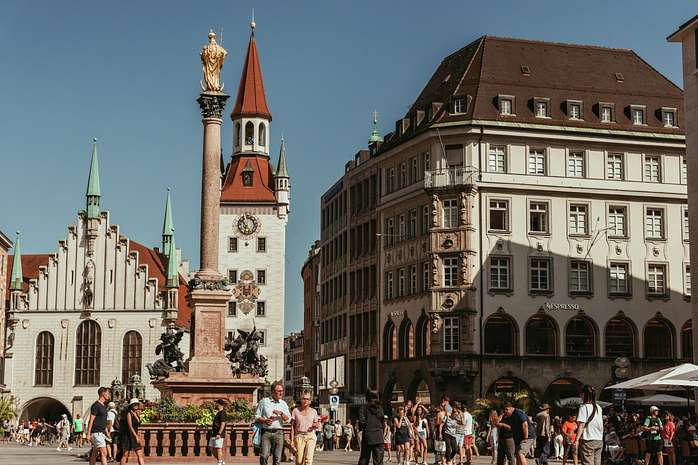
The city’s historic center includes Marienplatz, medieval streets, and churches that reflect Munich’s long history.

Art and Museums

Munich houses some of Germany’s most important museums, including collections of European art spanning centuries.

20th-Century History

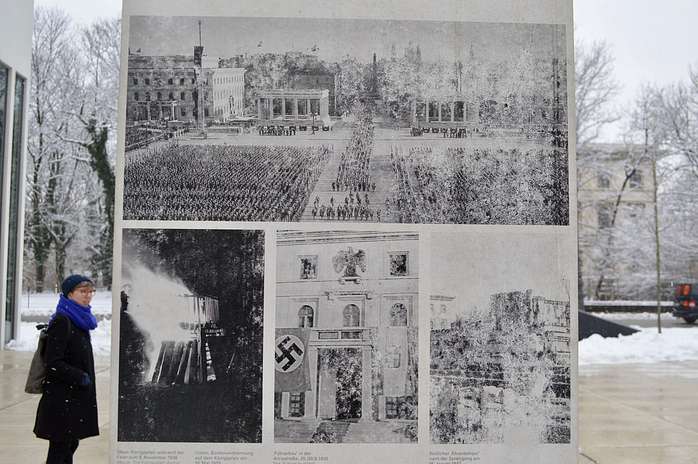
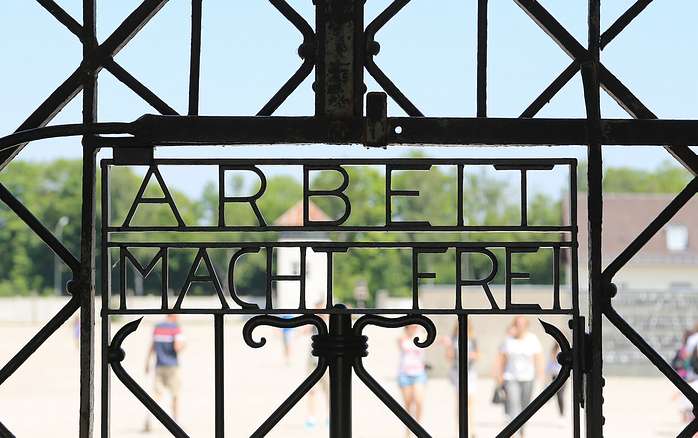
Munich played a central role in the early rise of the Nazi movement, and the city’s museums and memorials explore this difficult chapter of German history.
Munich appeals to travelers interested in history, culture, and Bavarian traditions. First-time visitors often benefit from guided introductions to the city’s historic center and royal landmarks. Lifelong learners explore Munich’s museums and the city’s role in modern German history, while repeat visitors enjoy discovering local markets, beer halls, and neighborhood life that reveal the character of Bavaria’s capital.
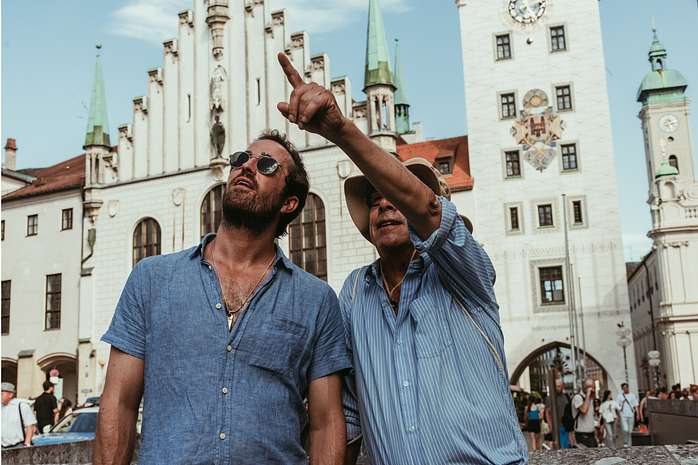
Munich’s historic center is compact and highly walkable, particularly around Marienplatz and the Altstadt district. Walking tours are an excellent way to understand the city’s architecture and historical development.

Most travelers spend two to three days in Munich, allowing time to explore museums, historic neighborhoods, and nearby destinations such as Neuschwanstein Castle or the Bavarian Alps.

German is the primary language spoken in Munich, though English is widely spoken in tourism areas. Germany uses the euro (€) as its currency.

Spring and autumn are particularly pleasant times to visit Munich, while late September and early October attract visitors for Oktoberfest.

What is Munich known for?

Munich is known for Bavarian culture, historic beer halls, Oktoberfest, royal architecture, and its role in modern German history.

How many days should you spend in Munich?

Most travelers spend two to three days exploring Munich’s historic center, museums, and nearby attractions.

Is Munich walkable?

Yes. Munich’s Old Town is compact and easy to explore on foot, especially around Marienplatz.

Is Munich safe for travelers?

Yes. Munich is considered one of the safest major cities in Germany, with well-maintained public spaces and reliable transportation.

Is Munich worth visiting?

Yes. Munich offers a rich blend of Bavarian culture, historic architecture, museums, and access to scenic Alpine landscapes.

Why is Oktoberfest held in Munich?

Oktoberfest began in Munich in 1810 as a celebration of a Bavarian royal wedding and has grown into the world’s largest beer festival.

Is Munich a good base for visiting Neuschwanstein Castle?

Yes. Munich is a common starting point for excursions to Neuschwanstein Castle and other destinations in the Bavarian Alps.