Coming soon to Context.
Sign up to be notified when we launch experiences in Bern.
Bern, Switzerland Walking Tours
Discover Bern with Context Travel’s Expert-Led Tours
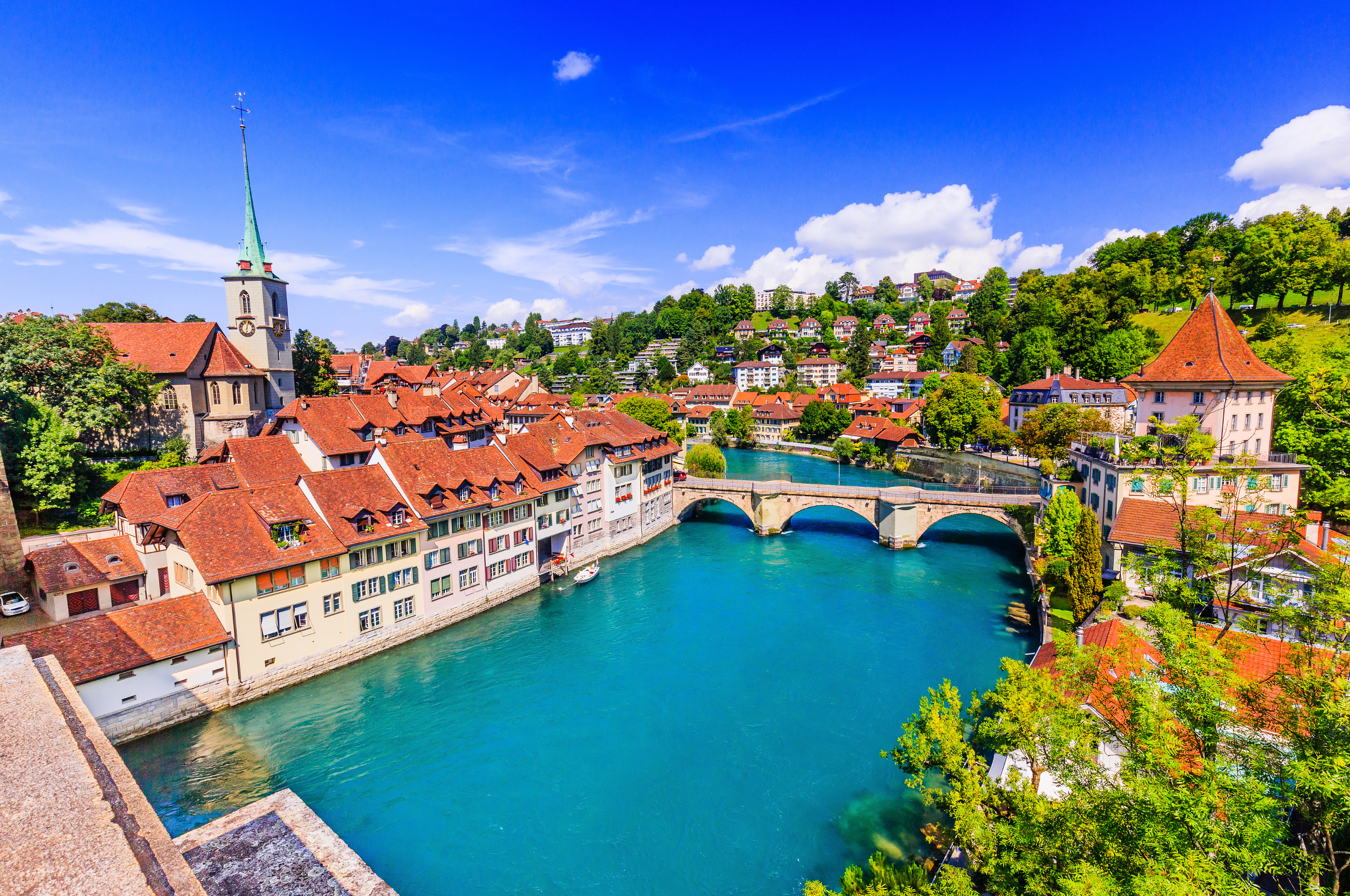
Set on a dramatic bend of the Aare River, Bern is Switzerland’s political capital and one of Europe’s most intact medieval cities. Its UNESCO-listed Old Town preserves centuries of civic life, from arcaded streets and guild houses to clock towers. Travelers visit Bern to understand Switzerland’s history of governance, neutrality, and local identity while experiencing a city that balances tradition with lived, contemporary life.
What Bern Is Known For
History: A medieval foundation shaped by trade routes, city-states, and the development of Swiss federalism
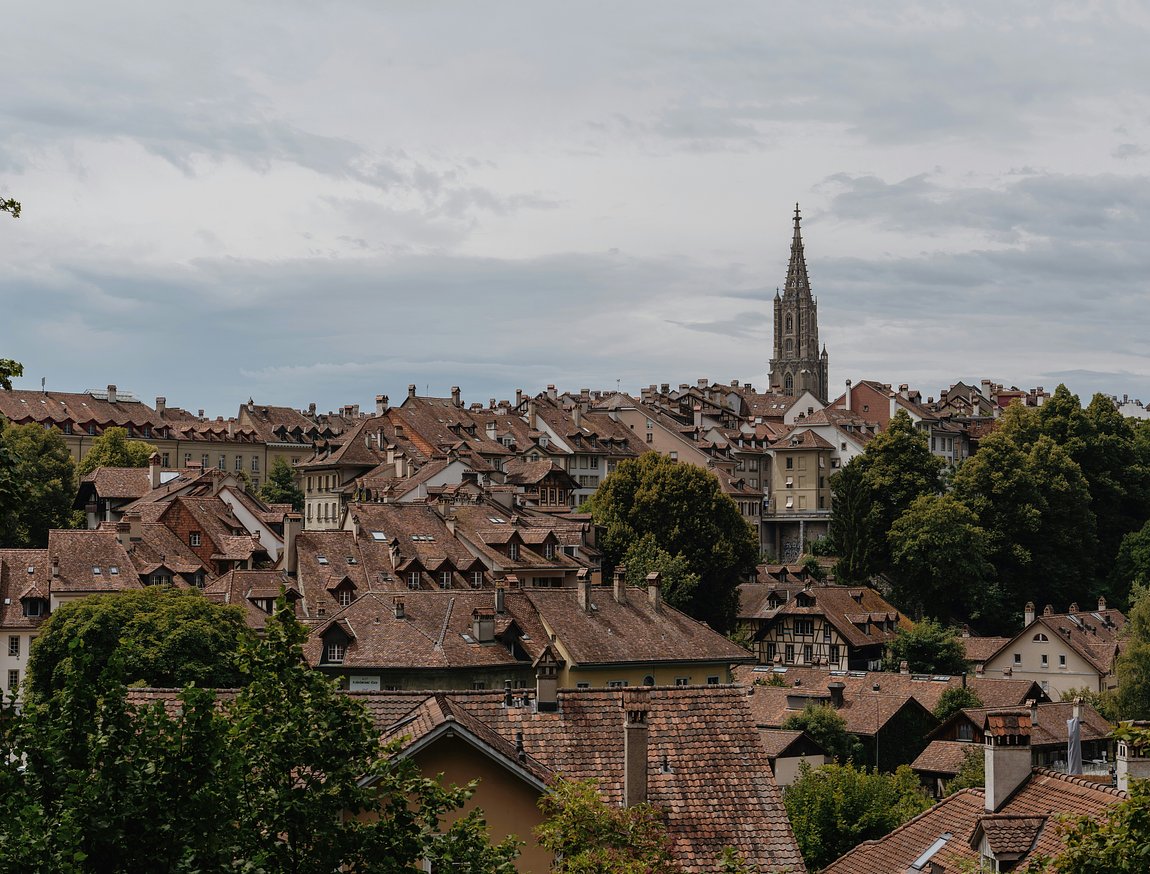
Art & architecture: Sandstone buildings, arcaded streets (Lauben), and landmarks such as the Zytglogge clock tower
Food & drink: Swiss regional cuisine, local bakeries, chocolate traditions, and market culture
Cultural traditions: Civic independence, guild history, and strong local governance rooted in everyday life
Modern relevance: Seat of the Swiss federal government and a working capital rather than a showcase city
Exploring Bern with Context Travel
History & Civic Life
Bern’s past is inseparable from its role in shaping Switzerland’s political identity. Expert-led walking tours focus on how medieval governance, guild systems, and later federal institutions shaped the city’s layout and daily life.
- Walking tours centered on Old Town history and Swiss political development
- Contextual exploration of civic buildings and public spaces
Architecture & Urban Design
Bern’s architecture tells a story of continuity rather than spectacle.
- Guided walks examining medieval construction, sandstone façades, and arcaded streets
- Discussion of how preservation and modern use coexist in a living city
Neighborhoods & Daily Life
Bern rewards travelers who slow down and observe.
- Walking-based explorations of residential streets, river viewpoints, and local markets
- Conversations about how Bernese life functions beyond tourism
Landscape & Setting
The Aare River is central to Bern’s identity.
- Urban walks that explain how geography shaped defense, trade, and city planning
- Observation of how residents use river and green spaces today
Who Is Bern Best For?
Bern is especially well-suited to travelers who value context, continuity, and lived culture. First-time visitors looking for an introduction to Switzerland beyond alpine clichés will find Bern grounding and informative. Lifelong learners appreciate the city’s political and historical depth, while couples and solo travelers enjoy its walkability and calm pace. Families with older children can benefit from Bern’s clear historical narratives and manageable scale.
Practical Planning Information
Bern is best visited from
late spring through early fall (May–September), when the weather supports walking and outdoor cafés. Most travelers spend
1–2 days in the city, often pairing Bern with destinations such as
Basel or
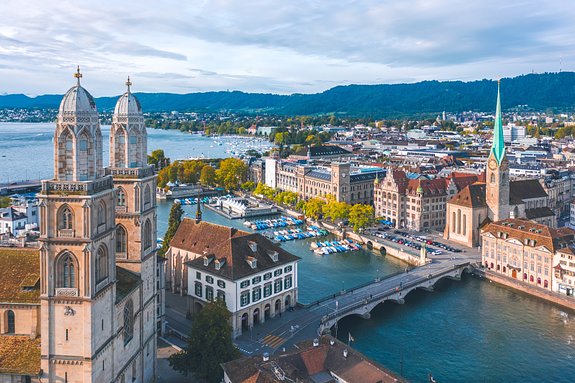
Zurich.
The Old Town is highly walkable, with arcades offering shelter in all weather. Public transportation is efficient and easy to use. German is the primary language, though English is widely understood, and the local currency is the Swiss franc (CHF).
FAQs About Visiting Bern
Most travelers need one to two days to explore Bern’s Old Town, museums, and river views at a comfortable pace. Bern is very walkable, especially within the historic center, making walking tours an ideal way to understand the city. Bern is also well-suited for families, particularly with older children interested in history, politics, and everyday Swiss life.