Fes Tours
Expert-led Fes private tours that turn ancient medinas and artisan traditions into meaningful discoveries
Let Your Curiosity Shape Your Journey
Join passionate experts on intimate walking tours that reveal a city's unique stories, spark conversations, and leave you seeing the world—and yourself—a little differently.
Experts, not guides
Explore with 1,200+ Experts, from historians and architects to chefs and archaeologists.
Crafted for conversation
With fewer than 12 guests, engage your Expert through questions and immerse fully.
Structured, never scripted
Your interests guide your Expert, leading to stories and perspectives that matter to you.
Curious or connoisseur
First-time visitor or seasoned explorer, our tours span city highlights to deep-dives.
Fes, Seen with Context
Fes isn’t just a maze of ancient streets. Walk with an expert to discover how scholars, artisans, and centuries of tradition shaped Morocco’s spiritual heart.

Hear from our customers
Fes Tours
Fes is one of Morocco’s most historic cities and a center of scholarship, craftsmanship, and religious life for more than twelve centuries. Founded in the late 8th century, the city quickly became an intellectual and spiritual hub of the Islamic world. Its historic medina, Fes el-Bali, remains one of the largest car-free urban areas in the world and preserves a remarkable concentration of mosques, madrasas, markets, and artisan workshops.
For centuries, Fes shaped Moroccan identity through learning, trade, and cultural production. The University of Al Quaraouiyine, founded in the 9th century, is often cited as the oldest continuously operating university in the world. Today, travelers come to Fes to explore its labyrinthine medina, historic architecture, and living traditions of craftsmanship. Context Travel’s Fes tours are led by historians and local experts who help travelers understand how religion, education, and craftsmanship shaped one of Morocco’s most influential cities.
Fes is known for its medieval medina, Islamic scholarship, and enduring artisan traditions.
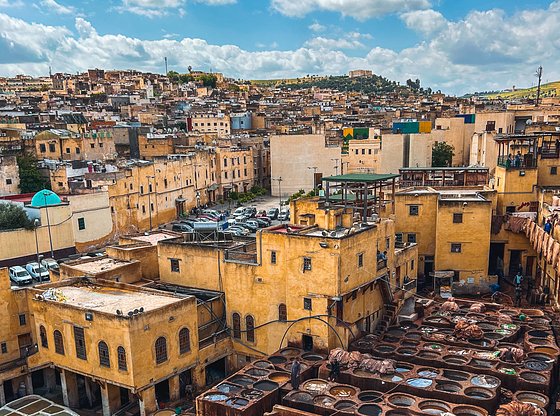
The Fes Medina (Fes el-Bali)
One of the world’s largest and best-preserved medieval cities, the medina of Fes contains thousands of narrow streets, markets, mosques, and historic buildings.
Islamic Scholarship and Education
The University of Al Quaraouiyine, founded in 859, made Fes a major center of religious learning and intellectual life across North Africa.
Traditional Craftsmanship
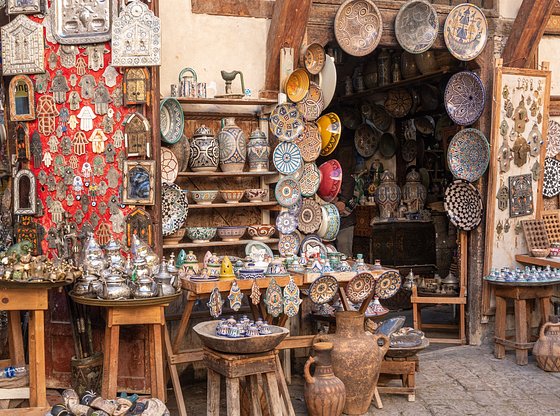
Fes is famous for its skilled artisans producing ceramics, leather goods, textiles, and metalwork using techniques passed down for generations.
Historic Madrasas and Architecture
Ornate religious schools such as Bou Inania Madrasa reflect the artistic and intellectual traditions of Morocco’s Islamic dynasties.
Imperial Moroccan Heritage
As one of Morocco’s imperial cities, Fes played a central role in the country’s political and religious history.
Fes appeals to travelers interested in history, craftsmanship, and Islamic cultural traditions. First-time visitors benefit from expert-led introductions to the medina, helping them navigate its complex layout and understand its institutions. Lifelong learners are drawn to the city’s role as a center of scholarship and religious learning, while food-focused travelers appreciate the depth of Moroccan culinary traditions. Repeat visitors often explore artisan quarters and nearby historic sites to gain a deeper understanding of Morocco’s cultural heritage.
Fes is best explored on foot within the medina, where narrow streets and historic architecture have remained largely unchanged for centuries. Because of its maze-like layout, private walking tours can help travelers understand both the geography and the history of the city.
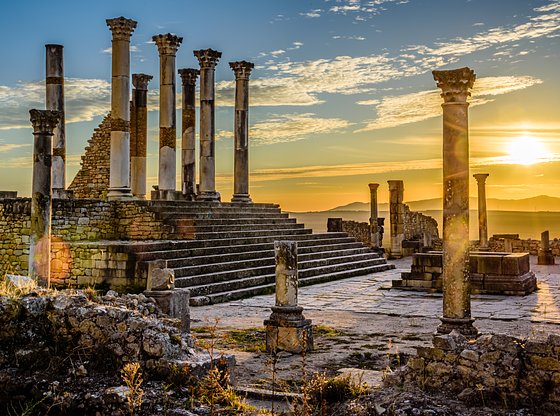
Most visitors spend two to three days in Fes exploring the medina, historic monuments, and nearby sites such as Volubilis and Meknes.
Arabic and French are widely spoken in Fes, though English is common in tourism settings. Morocco’s currency is the Moroccan dirham (MAD).
Spring and autumn are often the most comfortable seasons to visit, offering warm weather suitable for walking tours.
How many days should I spend in Fes?
2–4 days is ideal for exploring Fes. This allows time to experience the medina, local crafts, and have at least one regional excursion, such as a trip to Meknes or Volubilis.
Is Fes safe for travelers?
Yes, Fes is generally safe for visitors. As with any major city, normal precautions should be taken, particularly in crowded areas like markets. Local guides will provide helpful advice and assistance while navigating the medina.
What should I wear in Fes?
Dress modestly out of respect for local culture. Lightweight, breathable fabrics are recommended for both the bustling medina and excursions, and comfortable walking shoes are essential due to the uneven terrain.
What is Fes known for?
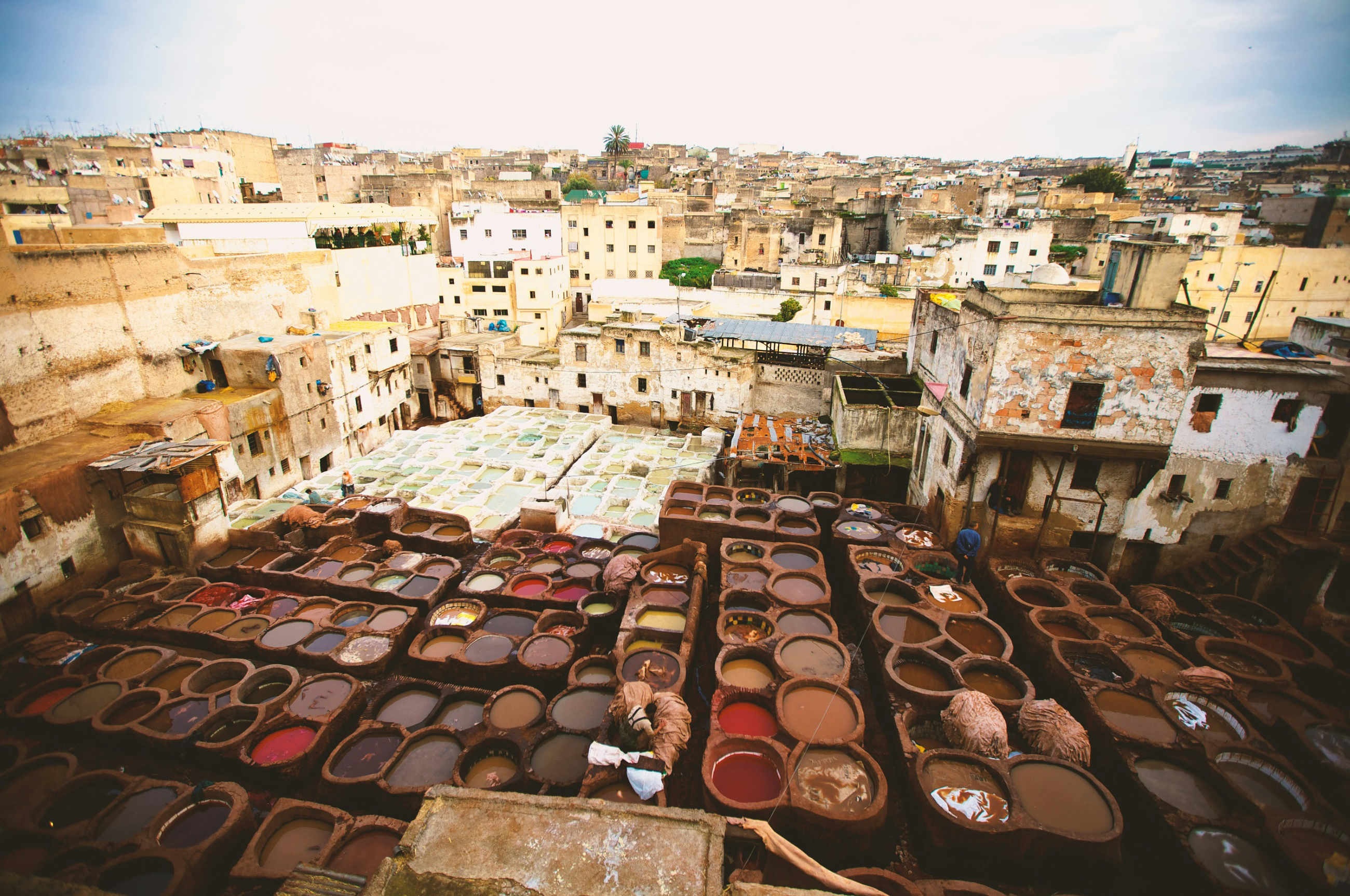
Fes is known for its rich medieval heritage, intellectual legacy (home to the University of al‑Qarawiyyin), and distinctive craftsmanship, particularly in leather goods, pottery, and textiles. The city’s impressive madrasas, tannery, and vibrant souks also define its cultural significance.
What can I buy in Fes?
Fes is renowned for its artisanal products, including leather goods (tanned with natural methods), intricate ceramics, handwoven textiles, and zellige tiles. These goods reflect centuries of craftsmanship and make for great souvenirs.
Where should I eat in Fes?
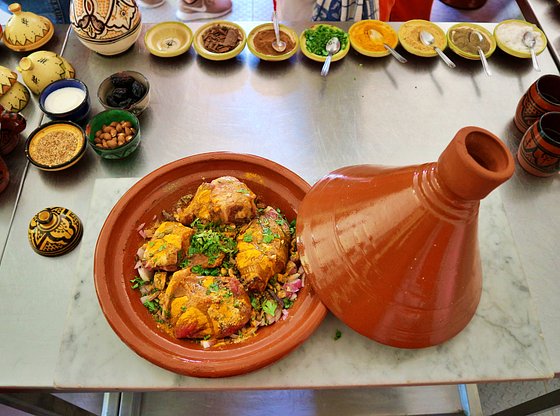
Fes offers a range of dining options, from street food stalls in the medina to riad courtyards. Traditional dishes to try include tagines, lamb pastilla, msemen (Moroccan pancakes), and regional specialties made from fresh, local ingredients.
Is Fes worth visiting?
Yes. Fes offers one of the most immersive historic cities in the world, with centuries-old traditions of craftsmanship, architecture, and religious learning.
Is the Fes medina walkable?
Yes. The medina is pedestrian-only, though its maze-like layout makes guided walking tours especially helpful.