granada private walking tours
6
Experiences available

Granada Tours

Expert-led Granada walking tours that turn Moorish palaces and Andalusian history into meaningful discoveries

Let Your Curiosity Shape Your Journey

Join passionate experts on intimate walking tours that reveal a city's unique stories, spark conversations, and leave you seeing the world—and yourself—a little differently.

Crafted for conversation

With ten or fewer guests, ask questions, engage with your Expert, and fully immerse yourself.

Experts, not guides

Explore with 1,200+ Experts, from historians and architects to archaeologists and chefs.

Structured, never scripted

Your interests guide your Expert, leading to stories and perspectives that matter to you.

From curious to connoisseur

For first-time visitors or seasoned explorers, our tours span city highlights to deep-dive masterclasses.

Hear from our customers

183 Reviews

It was a treat to spend a morning with Pablo. He was extremely knowledgeable, a great communicator, attentive to our interests and charming to boot. We learned a great deal and couldn’t have asked for a better person to take us around the astonishing Alhambra.

Photo Shared by Toby with their review

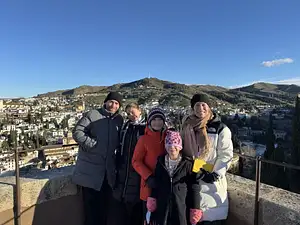
Blanca was incredible with our kids 13,12 &7. A highlight to our trip to Spain and best context tour yet (and we’ve done a few). Blanca was a generous guide with incredible knowledge. Thoroughly recommend.

Photo Shared by Michelle with their review

Really great tour with Marina!! Very knowledgeable and friendly, I really reccomend it!!!

Granada Tours

Granada sits at the foothills of Spain’s Sierra Nevada mountains in the region of Andalusia, a city shaped by centuries of cultural exchange between Islamic and Christian civilizations. Founded in antiquity and later transformed under Muslim rule, Granada became the capital of the Nasrid dynasty during the final centuries of Al-Andalus. From the 13th to the 15th century, the city flourished as a center of art, architecture, and scholarship.

In 1492, Granada became the last Muslim kingdom on the Iberian Peninsula to fall to the Catholic Monarchs Ferdinand and Isabella, marking a major turning point in Spanish and European history. Today, Granada remains one of Spain’s most culturally layered cities. Its historic neighborhoods, Islamic architecture, and Renaissance landmarks reveal a city shaped by multiple traditions. Context Travel’s Granada walking tours are led by historians and cultural experts who help travelers understand how religion, politics, and art intersect in this remarkable place.
Granada is known for the Alhambra, its Islamic architectural heritage, and its role in the final chapter of medieval Spain.

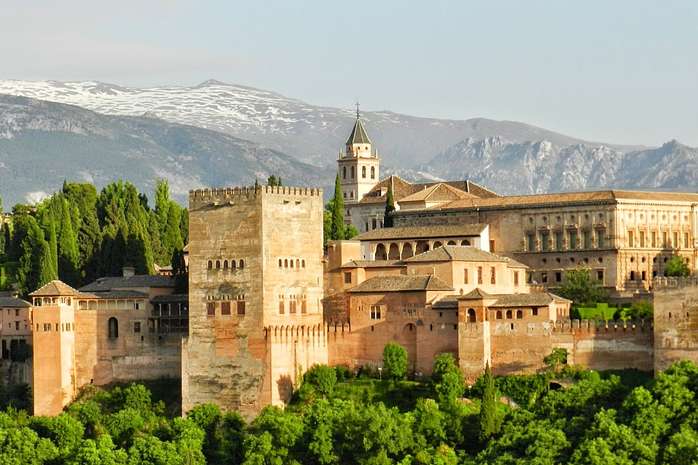
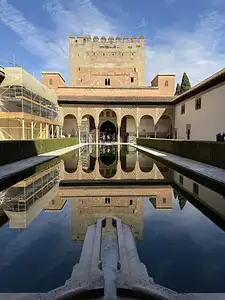
The Alhambra Palace Complex

The Alhambra is one of the most important examples of Islamic architecture in Europe. Built by the Nasrid dynasty, its palaces, courtyards, and gardens reflect extraordinary craftsmanship and artistic sophistication.

The Legacy of Al-Andalus

Granada was the last Muslim kingdom in Spain, preserving centuries of Andalusi culture, scholarship, and artistic traditions.

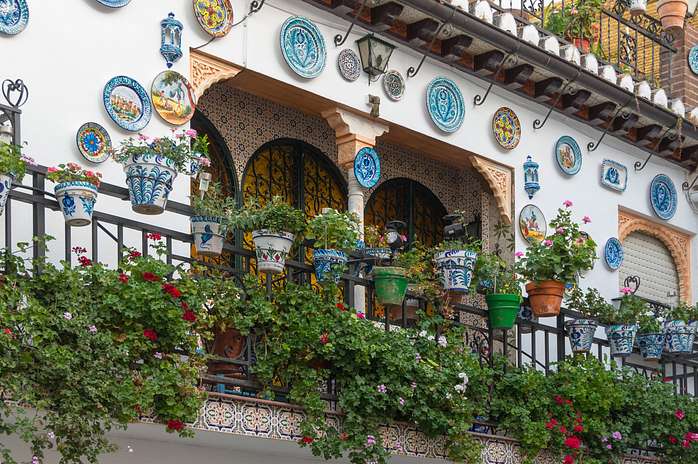
The Albaicín Historic District

This hillside neighborhood preserves the medieval layout of the Islamic city, with narrow streets and views of the Alhambra.

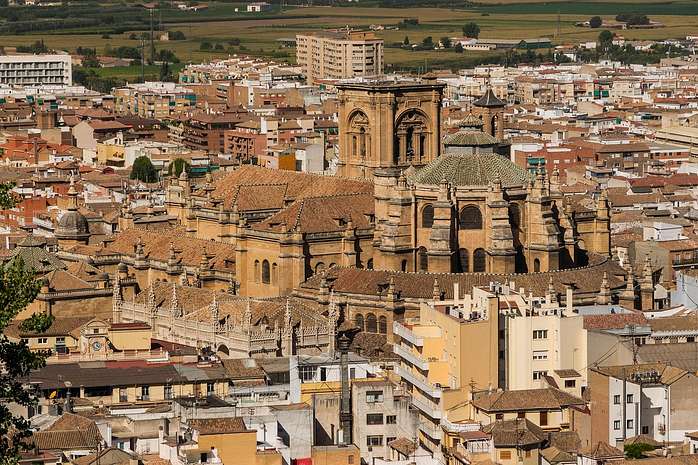
Renaissance and Christian Granada

After the Reconquista, churches, monasteries, and Renaissance buildings reshaped parts of the city while preserving earlier structures.

Flamenco and Andalusian Culture

Granada’s caves and neighborhoods have long been associated with flamenco traditions and Romani cultural heritage.
Granada appeals to travelers interested in history, architecture, and cultural exchange. First-time visitors often begin with expert-led introductions to the Alhambra and the historic center to understand the city’s role in medieval Spain. Lifelong learners are drawn to the legacy of Al-Andalus and the artistic achievements of the Nasrid dynasty, while couples and repeat visitors often explore neighborhoods like the Albaicín and experience Granada’s music and culinary traditions.
Granada’s historic center and neighborhoods are best explored on foot, though the city’s hillside terrain can make some routes steep. Many major landmarks, including the Alhambra and Albaicín, offer sweeping views across the city and surrounding mountains.

Most travelers spend two to three days in Granada exploring the Alhambra, historic neighborhoods, and cultural landmarks.

Spanish is the primary language spoken in Granada, though English is widely spoken in tourism settings. Spain uses the euro (€) as its currency.

Spring and autumn offer particularly pleasant weather for walking tours, while summer can be hot due to Granada’s inland location.

What is Granada known for?

Granada is known for the Alhambra, its Islamic architectural heritage, and its role as the last Muslim kingdom in medieval Spain.

Is Granada worth visiting?

Yes. Granada offers one of the most historically significant cities in Spain, combining Islamic architecture, Renaissance landmarks, and vibrant Andalusian culture.

How many days should you spend in Granada?

Most travelers spend two to three days exploring the Alhambra, historic neighborhoods, and cultural sites.

Is Granada walkable?

Yes. Granada’s historic districts are compact, though some areas include steep hills.

Why is the Alhambra important?

The Alhambra is one of the finest examples of Islamic architecture in Europe and reflects the artistic and cultural achievements of the Nasrid dynasty.

What is the Albaicín district?

The Albaicín is Granada’s historic Moorish quarter, known for its narrow medieval streets and views of the Alhambra.