Secure your spot on an upcoming Small Group Tour. See what's still available.
marrakech pottery class

Marrakech Pottery Workshop

Shape clay into an object with guidance and stories from artisans

The Finer Details
In Marrakech’s El Fekharin district, step inside a traditional pottery workshop guided by local experts and an artisan. Starting from probably the most famous of clay products in Morocco, the tagine, you’ll explore Moroccan culture through clay, technique, and conversation. 

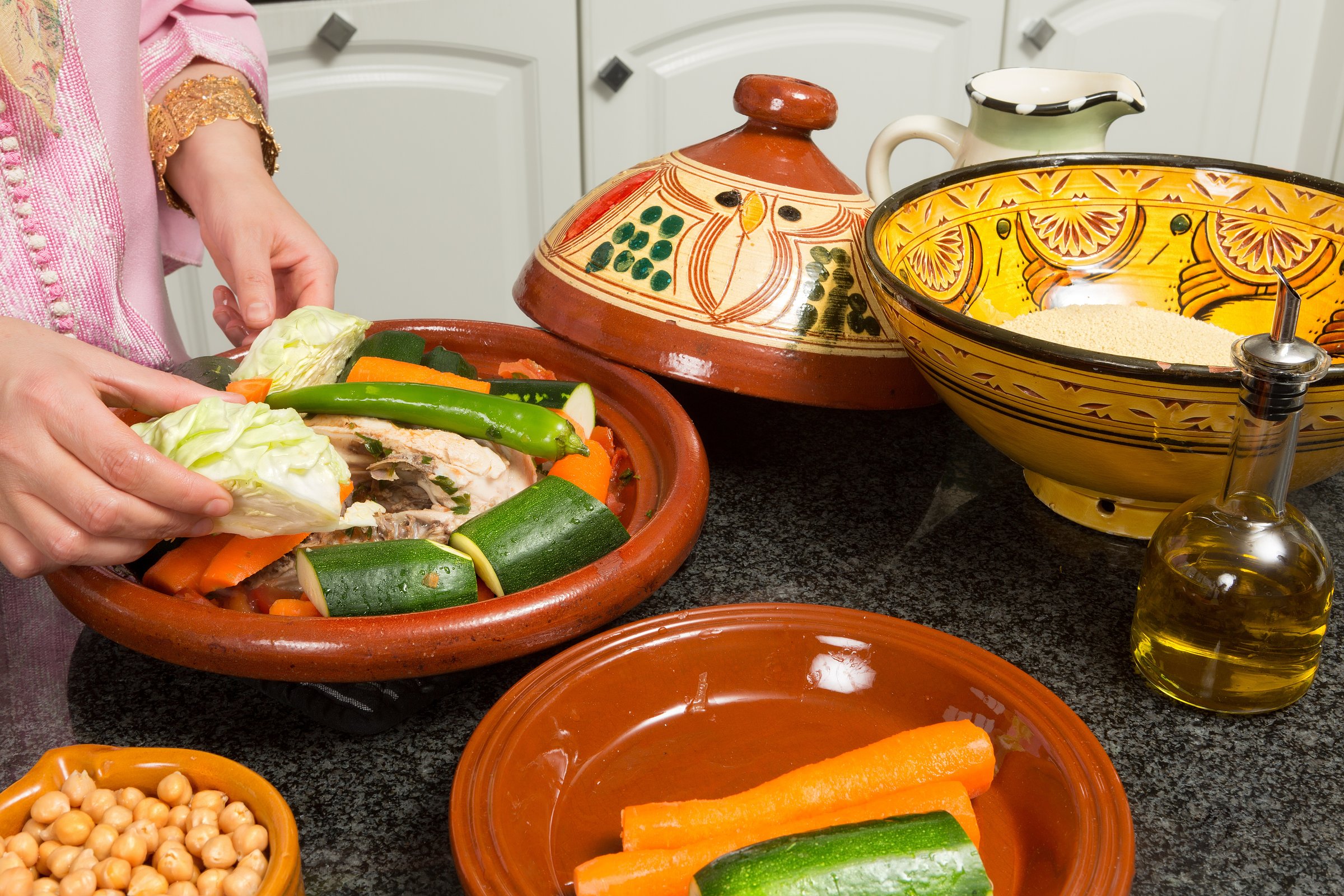
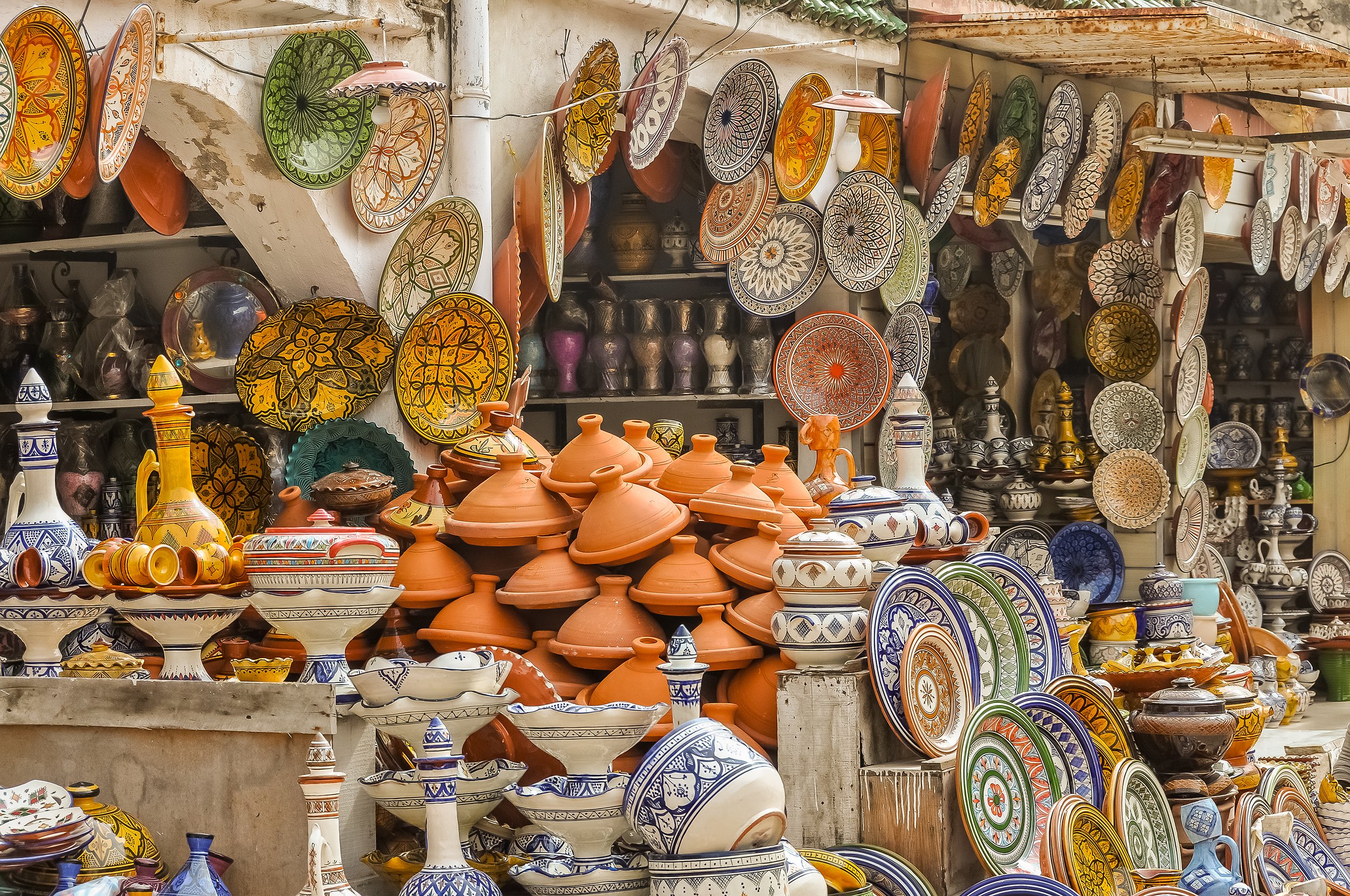
What can a simple clay pot like the tagine reveal about identity, hospitality, and history? Discover it at the wheel. Clay distributes heat gently and evenly, making it ideal for slow cooking. Over time, the vessel absorbs flavors, becoming part of the culinary story it helps create.

Route Details

Clay carries memory. Long before dynasties rose and fell, Amazigh communities shaped earth into vessels for cooking, storing, and ritual use, firing them in open flames under wide North African skies. In a working studio in El Fekharin, mint tea begins the exchange, grounding the experience in Moroccan hospitality.

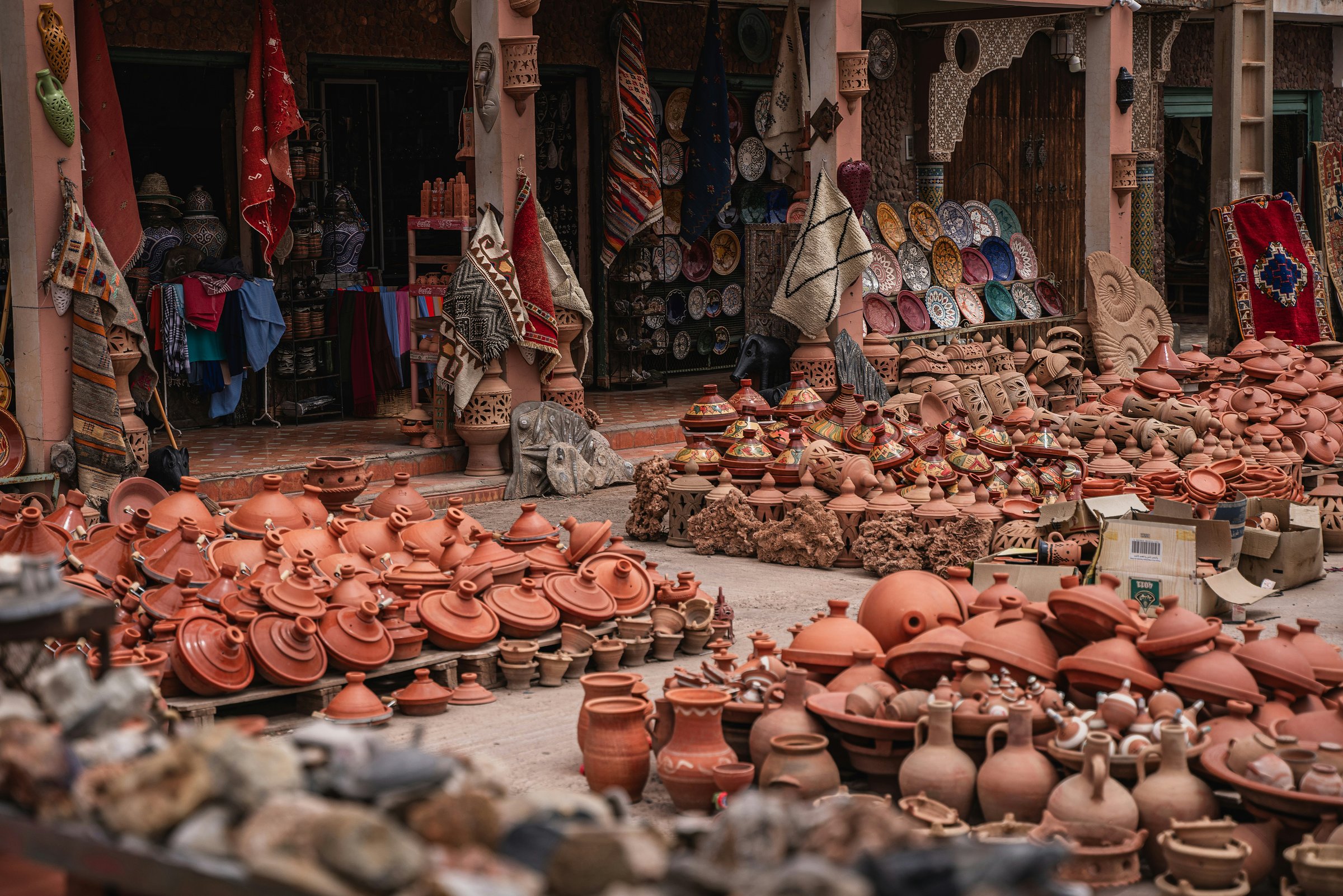
Conversation moves from ancient hand building techniques to the arrival of the potter’s wheel, introduced through Phoenician, Carthaginian, and Roman influence. By the Marinid period, cities like Fez, Safi, and Marrakech had become thriving centers of ceramic production. How did a humble cooking pot become a symbol of welcome and shared meals?

Then hands meet clay. With guidance from a local expert and artisan, explore the essential steps, centering the clay, shaping the walls, refining the form. Clear instruction and patient support make the process accessible to every level, no prior experience required.

As the wheel slows, a personal piece takes shape. Smooth the surface, adjust the curve, and recognize the quiet focus the craft demands. Leave with more than a handmade object. Carry a deeper understanding of Moroccan pottery as an expression of identity, daily life, and pride passed from one generation to the next.

Sites Visited

  • Traditional Workshop, El Fekharin - Working pottery studio in Marrakech

Accessibility

We understand that some of our valued guests may have mobility concerns, and we want to ensure you have a comfortable and enjoyable experience throughout your tour. If there are any accessibility concerns that your tour guide will need to be aware of, please let our team know at the time of booking.

Wheelchair accessibility
Unfortunately, this tour is not recommended for clients on a wheelchair because the workshop has stairs

Frequently Asked Questions

How will we get around during the tour? For your comfort and safety, all our tours in Morocco include private, air-conditioned transportation. Your vehicle and driver are at your complete disposal for the entire duration of the tour, providing a seamless way to move between sites or take a quick break from the heat.

Does the tour include hotel pickup? Yes. We provide door-to-door service with private transfers to and from your accommodation. To ensure a smooth start to your experience, please provide your complete hotel or riad address at the time of booking.

Can I take this tour if I have mobility issues? Unfortunately, this tour is not recommended for clients on a wheelchair because the workshop has stairs 

Can we bring children to this experience? Yes, children are welcome, especially if they enjoy trying new things and are excited to participate in the workshop. This hands-on experience can be a wonderful opportunity for curious young learners to engage with Moroccan history and culture.

Should we wear or avoid wearing anything in particular during our trip to Morocco? While there is no strict, enforced dress code, visitors should dress modestly out of respect for local culture. It is recommended to cover shoulders, arms and knees, and avoid revealing clothing.

We don’t have any previous experience with any craft. Is that going to be a problem? Not at all. This workshop is designed for all levels, whether you’ve never touched a mosaic before or already have some familiarity with the craft.

Cancellation Policy

Book with confidence — see Context's flexible cancellation policy here
Where You’ll Go

From iconic landmarks to tucked-away local favorites, these are the places you’ll explore and experience firsthand with your Expert.

  • El Fekharin
What’s Included As Standard
Here’s a look at what your tour covers, plus anything you’ll want to consider arranging separately, so you can plan with confidence.
Included
  • English-speaking expert guide
    Tours led in English, offering you unbroken understanding throughout.
  • Intentionally sized groups
    A smaller group means more time for conversations and questions.
  • Tickets and entrance fees
    All entry tickets included (unless clearly stated otherwise).
  • Headsets
    Headsets are included on tours that need them, so every word can be heard.
Not Included
  • Gratuities
    Tips aren’t included, but we encourage tipping as a way to thank your guide after your experience.
  • Food and drink
    Unless booking a Food & Drink tour or tasting experience, refreshments are not included.
  • Transportation to and from the meeting point
    Unless noted, pre- and post-tour transport isn’t included - this service can be added by request.
  • Hotel pickup or drop-off
    Unless noted, travel to or from accommodation isn’t included - this service can be added by request.

Make the Most of Your Tour

Some helpful advice for getting the most from your experience, from practical prep to small on-the-day tips.

Dos:
  • Wear comfortable footwear
  • Check the weather and dress appropriately
  • Bring a bottle of water (no glass)
  • Feel free to ask your Expert anything
Don'ts:
  • Bring firearms or weapons
  • Bring sharp objects (e.g. knives, swiss army knives, switchblades, hiking sticks)
  • Dress inappropriately to enter religious sites or sacred monuments
Any questions? You can always contact us.

Don’t just take our word for it

0 Reviews

Let Your Curiosity Shape Your Journey

Join passionate experts on intimate walking tours that reveal a city’s unique stories, spark conversations, and leave you seeing the world—and yourself—a little differently.

Structured, never scripted

Your interests guide your Expert, leading to stories and perspectives that matter to you.

Crafted for conversation

With 12 or fewer guests, ask questions, engage with your Expert, and fully immerse yourself.

Experts, not guides

Explore with 1,200+ Experts—from historians and architects to archaeologists and chefs.

Marrakech Pottery Workshop

Moroccan pottery begins with something simple: earth, water, fire, and skilled hands. On this Marrakech pottery workshop, you step inside a working studio in El Fekharin to learn how clay becomes one of Morocco’s most familiar forms of everyday craft. With guidance from a local artisan and Context Expert, you move from conversation into practice: centering clay on the wheel, shaping the walls, refining the form, and learning what makes the process more demanding than the finished object suggests. The experience is not only about making a piece of pottery. It is about understanding why clay has remained so important to Moroccan cooking, storage, hospitality, and domestic life—and how techniques developed over centuries continue inside working studios today.

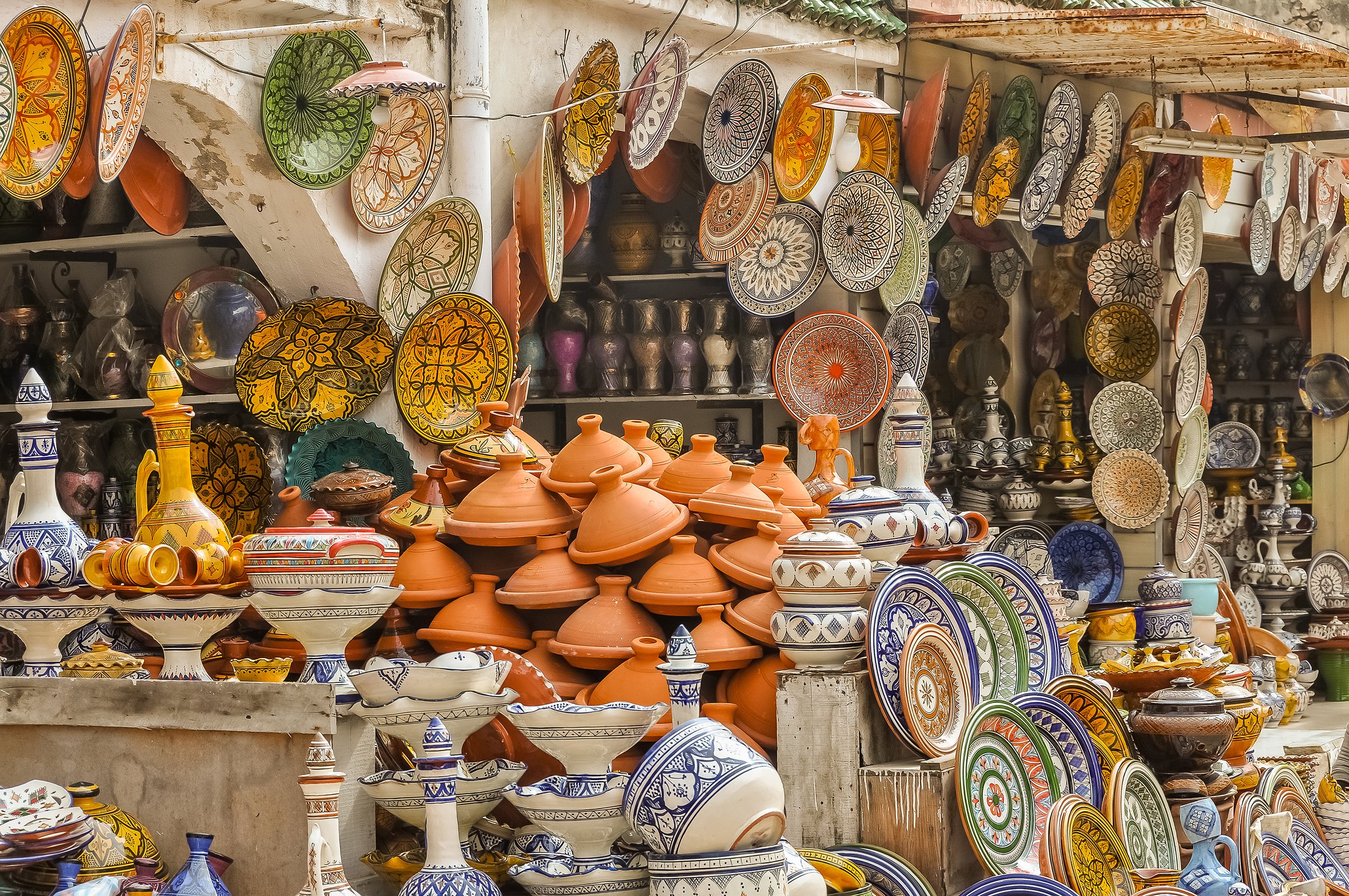
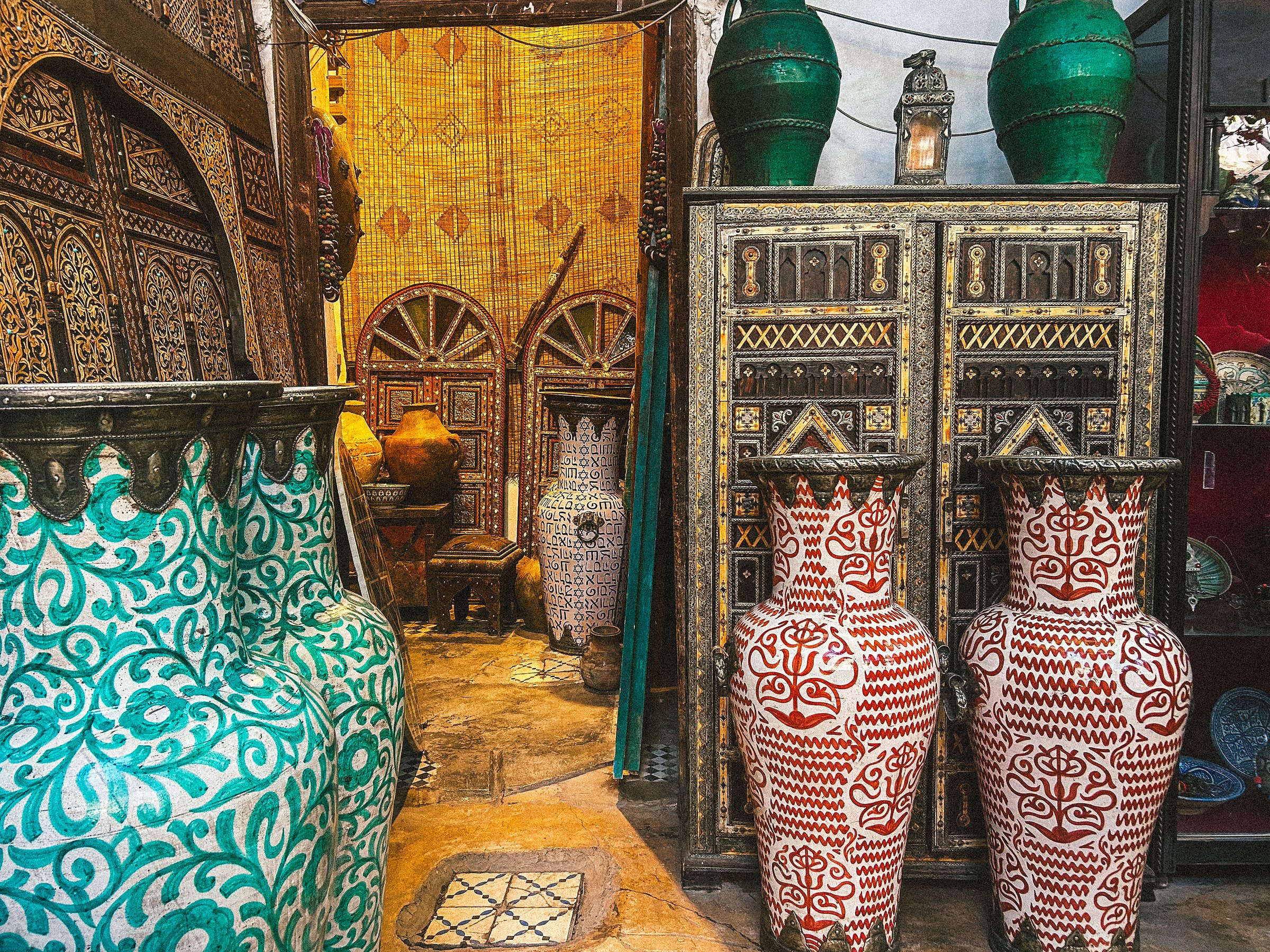
Moroccan ceramics are often admired for color and decoration, but pottery has always had a practical role first.

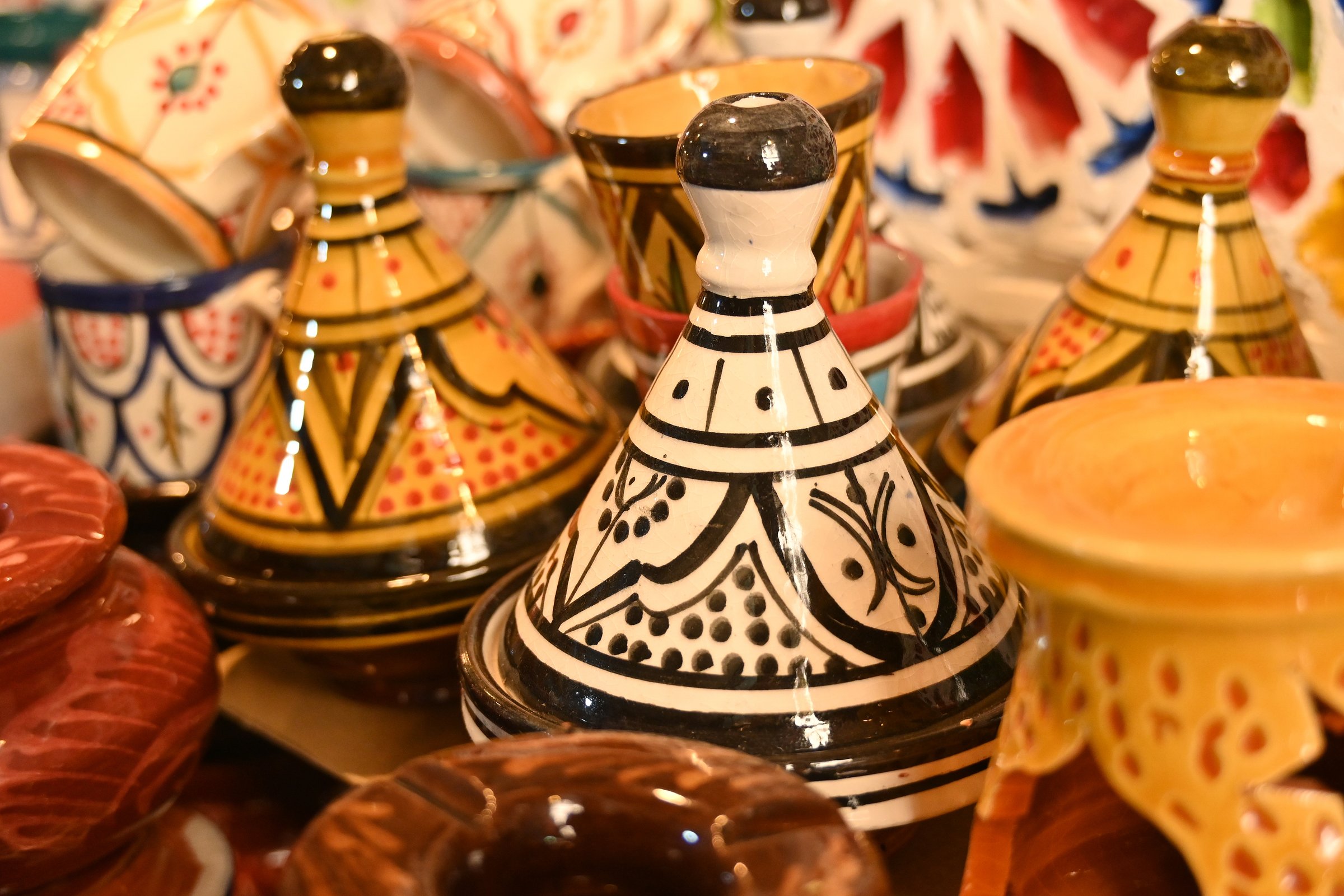
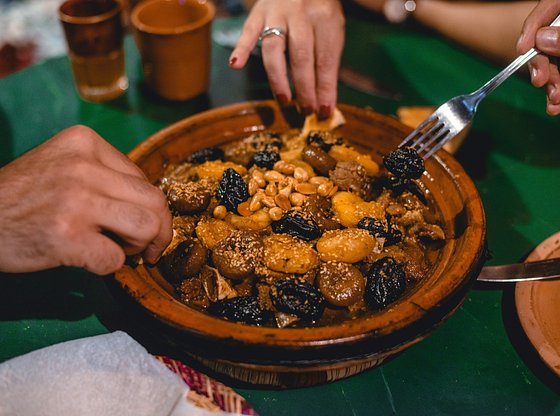
Clay vessels have been used for cooking, storing food and water, serving meals, and ritual purposes across North Africa for centuries. The tagine is perhaps the most familiar example: a vessel whose shape and material are directly tied to the way food cooks. 

That connection between function and design is what makes Moroccan pottery interesting. A pot is not simply shaped to look a certain way. Its thickness, curve, opening, and firing all affect how it performs.

The same principle applies to decorative wares. Even highly patterned ceramics depend on technical decisions about clay, drying, firing, glaze, and form long before decoration begins.

Learning the craft at the wheel makes those choices visible in a way that browsing finished ceramics in a souk cannot.
Pottery in Morocco reflects layers of local tradition and outside influence.

The live product description traces hand-building traditions among Amazigh communities and later developments associated with Phoenician, Carthaginian, and Roman contact, followed by the growth of major ceramic centers such as Fes, Safi, and Marrakech

What remained constant was the importance of skilled handwork. The potter’s wheel may make rotation look effortless, but the process still depends on pressure, balance, speed, moisture, and repetition. A slight change in the angle of your fingers can alter the entire form. That is why making even a simple vessel gives you a stronger appreciation for Moroccan ceramics afterward.

You begin to notice not just the finished pattern or glaze, but the discipline required to produce the object underneath it.
A museum or market can show you the finished object. A workshop shows you the decisions behind it. Once you try centering clay, lifting a wall, or refining a curve, the difference between handmade and mass-produced pottery becomes much easier to recognize.

You also gain a more practical understanding of why Moroccan ceramic traditions vary by region, why some vessels are built for cooking while others are made for display, and why small irregularities can be signs of handwork rather than flaws.

This is the most hands-on craft experience in Context’s Marrakech portfolio.

If you want a broader historical introduction to the city’s architecture and decorative traditions, the Marrakech City Tour is the better fit. If food is your main interest, the Marrakech Cooking Class explores another side of Moroccan craft through technique, ingredients, and the tagine as both vessel and dish.