
Miyo was excelent guide with lots of knowledge and ecxelent disposition and patience. Very friendly and polite.
Osaka Tours
Expert-led Osaka guided tours that turn culinary culture and merchant heritage into meaningful discoveries
Let Your Curiosity Shape Your Journey
Join passionate experts on intimate walking tours that reveal a city's unique stories, spark conversations, and leave you seeing the world—and yourself—a little differently.
Experts, not guides
Explore with 1,200+ Experts, from historians and architects to chefs and archaeologists.
Crafted for conversation
With fewer than 12 guests, engage your Expert through questions and immerse fully.
Structured, never scripted
Your interests guide your Expert, leading to stories and perspectives that matter to you.
Curious or connoisseur
First-time visitor or seasoned explorer, our tours span city highlights to deep-dives.
Osaka, Seen with Context
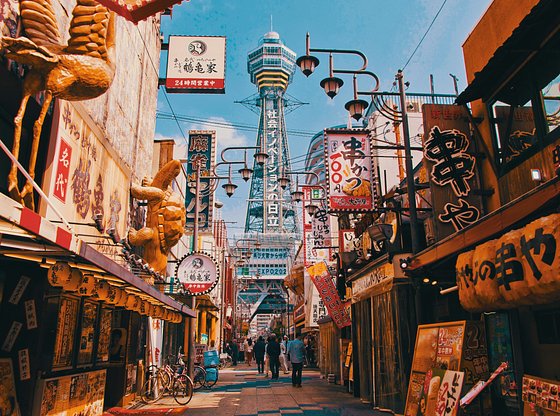
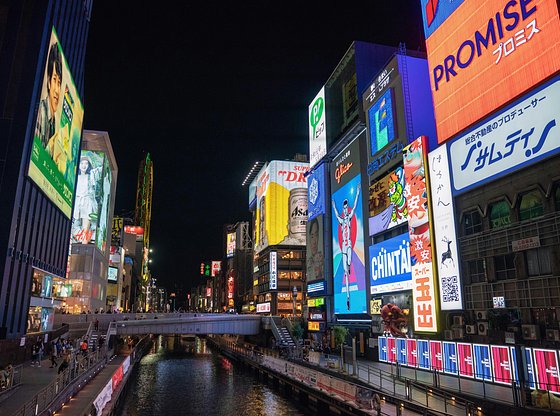
Osaka isn’t just neon lights and street food. Walk with an expert to explore how merchants, chefs, and local culture shaped Japan’s most lively city.
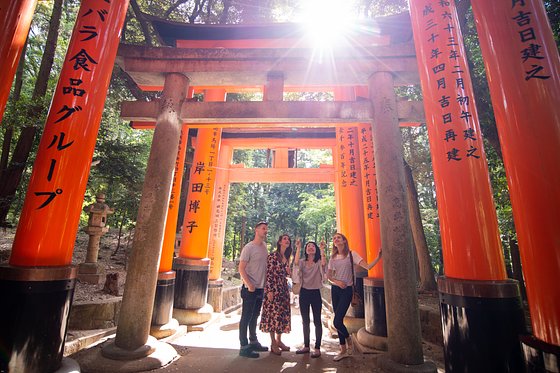
Beyond the neon glow
These other Japanese cities light up the map
Hear from our customers
Miyo Is the very best. She made are experience.the best. She referred us to restaurants that were out of the world and the best food I’ve ever had in my life, especially in Japan.
Very informative & lots of local anecdotes & knowledge that made the whole tour brilliant. Miyo was very personable, friendly & courteous. Told us so many stories & she is obviously very proud (quite rightly) of coming from Osaka. Great communication skills & a really good grasp of English. Took us to some delightful food restaurants & was very kind to accommodate the fact that we are pescatarian. A really nice special touch was the sake, plum soda & cream sponge cake “little picnic” she had prepared. Miyo took photos & shared them with me & very kindly got 2 printed out as gifts to us whilst we were on the tour. I would highly recommend a tour with Miyo, you will have a great time, we did. Many thanks.
Osaka Tours
Osaka sits at the mouth of the Yodo River on Japan’s Kansai coast, where its strategic location helped it develop into one of the country’s most important commercial centers. For centuries, Osaka functioned as Japan’s “nation’s kitchen,” a marketplace where rice, goods, and ideas moved between regions. During the early modern Edo period, merchant wealth shaped the city’s culture, architecture, and reputation for entrepreneurial spirit.
Today, Osaka is known for its distinctive food culture, historic landmarks such as Osaka Castle, and neighborhoods that reflect both traditional and modern Japan. Beneath neon-lit streets and busy markets lies a city with deep roots in trade, theater, and urban life. Context Travel’s Osaka tours are led by historians and cultural experts who help travelers understand how Osaka’s merchant traditions continue to shape the city today.
Osaka is known for its food culture, merchant history, and its role as one of Japan’s major economic and cultural centers.
Osaka Castle and Samurai History
Built in the late 16th century by Toyotomi Hideyoshi, Osaka Castle played a central role in the unification of Japan and remains one of the country’s most significant historic landmarks.
Japan’s “Nation’s Kitchen”
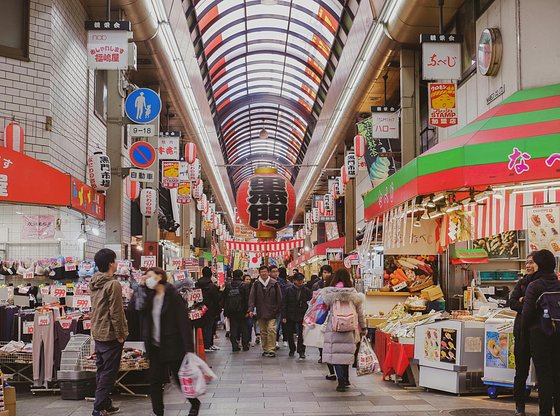
For centuries, Osaka served as the center of Japan’s rice trade and food markets, establishing the city’s reputation as the culinary capital of the Kansai region.
Street Food and Culinary Culture
Local specialties such as takoyaki and okonomiyaki reflect Osaka’s reputation for accessible, everyday cuisine.
Merchant Culture and Commerce
Unlike imperial capitals such as Kyoto, Osaka’s identity developed through trade, entrepreneurship, and urban business culture.
Entertainment and Urban Districts
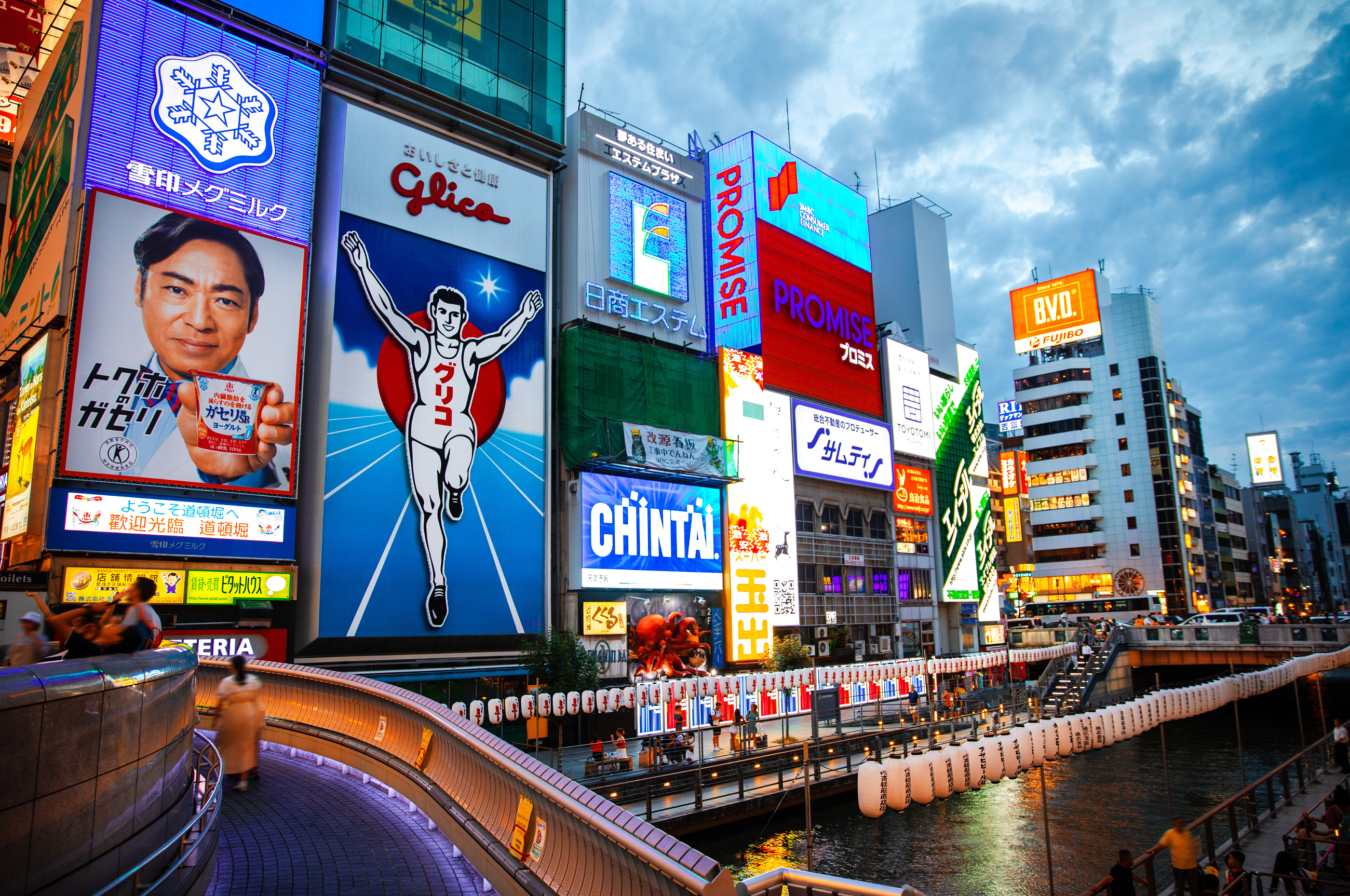
Areas like Dotonbori and Namba illustrate Osaka’s long history as a center of theater, nightlife, and popular entertainment.
Osaka appeals to travelers interested in Japanese food culture, urban history, and everyday life. First-time visitors often begin with guided introductions to Osaka Castle and the city’s historic districts to understand its role in Japan’s past. Lifelong learners explore Osaka’s merchant traditions and economic history, while food-focused travelers discover the markets and street food culture that helped define the city’s identity.
Osaka is a large city, but many historic districts and entertainment neighborhoods are best explored on foot. Private tours are an effective way to understand the city’s layout and cultural history.
Most travelers spend two to three days in Osaka, often combining their visit with time in nearby Kyoto or Nara.
Japanese is the primary language spoken in Osaka, though English is commonly used in tourism areas. Japan uses the yen (¥) as its currency.
Spring and autumn are particularly comfortable seasons for visiting Osaka due to moderate temperatures and clear weather.
What is Osaka known for?
Osaka is known for its food culture, Osaka Castle, and its historical role as Japan’s commercial center.
How many days should you spend in Osaka?
Is Osaka worth visiting?
Yes. Osaka offers a distinct perspective on Japanese culture, especially through its food traditions and merchant history.
Is Osaka walkable?
Yes. Many districts, such as Namba and Dotonbori, are compact and easy to explore on foot.
Is Osaka safe for travelers?
Osaka is considered very safe for visitors, with low crime rates and efficient public transportation.
What foods should you try in Osaka?
Popular Osaka specialties include takoyaki (octopus balls), okonomiyaki (savory pancake), and kushikatsu (fried skewers).
Is Osaka a good base for visiting Kyoto and Nara?
Yes. Osaka’s rail connections make it an excellent base for exploring the Kansai region.
Is Osaka worth visiting if I’m already going to Kyoto?
Yes. Osaka and Kyoto offer very different perspectives on Japan. Kyoto is strongly associated with imperial history, temples, gardens, and traditional arts, while Osaka developed around commerce, markets, food, entertainment, and a distinctly urban merchant culture.