
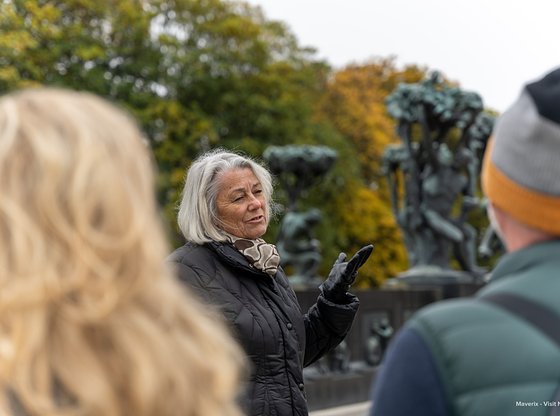

Taranah was an outstanding guide even for all of our previous outstanding Context guides over the past few years. That’s really something! Her knowledge of Norway’s history, culture, lifestyle, geography, and travel tips and recommendations had us mesmerized. She weaves it all together seamlessly, and she was sensitive to our many questions and queries. Plus, we just really enjoyed her company! She goes above and beyond, even sharing additional information post-tour that helped us enjoy our time in Oslo.
Oslo Tours
Expert-led Oslo private tours that turn Viking heritage and Nordic modernity into meaningful discoveries
Let Your Curiosity Shape Your Journey
Join passionate experts on intimate walking tours that reveal a city's unique stories, spark conversations, and leave you seeing the world—and yourself—a little differently.
Experts, not guides
Explore with 1,200+ Experts, from historians and architects to chefs and archaeologists.
Crafted for conversation
With fewer than 12 guests, engage your Expert through questions and immerse fully.
Structured, never scripted
Your interests guide your Expert, leading to stories and perspectives that matter to you.
Curious or connoisseur
First-time visitor or seasoned explorer, our tours span city highlights to deep-dives.
Oslo, Seen with Context
Oslo isn’t only a modern Nordic capital. Walk with an expert to uncover how Viking roots, artists, and innovation shaped the city.
%20-%202026-07-13T152347.631.png)
See more of Norway
Oslo is only the beginning
Hear from our customers
Anastasia's tour was outstanding in every way. Not only is she extremely knowledgeable about the art, history, and museum itself, but she really loves what she does, and it shows. She patiently answered all of our questions and was right in sync with our level of enthusiasm. She also supplemented our experience with her research and additional sources and photos. It was sad to end the tour! Highly recommend this special guide.
Jan was an engaging and knowledgable guide. We love Context tours and this one was no exception.
Oslo Tours
Oslo is often introduced as a modern Nordic capital, but its story stretches from Viking trade and medieval settlement to maritime exploration, national independence, modern art, and some of Scandinavia’s most ambitious contemporary architecture.
Context’s Oslo tours explore those connections with local Experts in history, art, architecture, and Norwegian culture. Walk the harbor and historic center to understand how Oslo grew into the capital of modern Norway, examine Norwegian identity through the collections of the National Museum, or spend a full day connecting Viking heritage, exploration, art, and Nordic modernism.
Rather than treating old and new Oslo as separate stories, our tours show how the city’s past continues to shape its contemporary culture.
For a first visit, begin with an introduction to the city’s historic center and waterfront. Understanding Oslo’s relationship with the harbor, royal institutions, civic spaces, and changing urban landscape creates a useful framework for the rest of your stay.
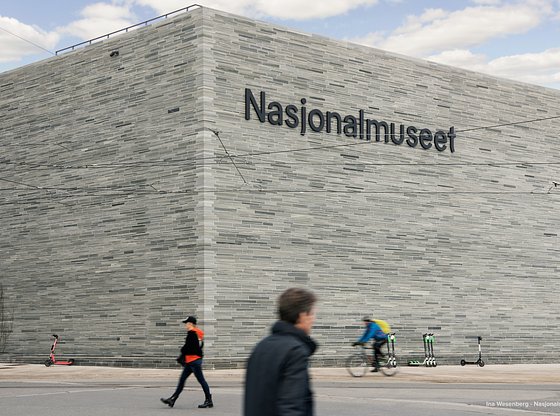
Travelers interested in art can go deeper at the National Museum of Norway, where works ranging from folk traditions to Edvard Munch reveal changing ideas about Norwegian culture and identity.
For a more comprehensive experience, Oslo In a Day connects Viking history, maritime exploration, art, and modern design across the city.
A private Oslo tour gives your group dedicated time with a local Expert and space to pursue the questions that interest you most.
A harbor view might lead into Norway’s maritime history; a museum painting into questions about national identity; or a contemporary building into the relationship between architecture, public space, and modern Scandinavian design.
Because the experience is private, the pace and depth can adapt naturally to your interests rather than following a fixed commentary.
Discover Oslo on Foot
Oslo’s central districts are compact enough to make walking one of the most rewarding ways to understand the city.
An Oslo walking tour allows you to move naturally between the historic center, waterfront, civic buildings, royal landmarks, museums, and contemporary architecture.
Walking also makes Oslo’s recent transformation easier to see. Older streets and institutions now sit beside redeveloped harbor districts and landmark cultural buildings, revealing how the city has reimagined its relationship with the waterfront.
With an Expert connecting those spaces, Oslo becomes more than a sequence of attractions.
Understand Oslo Through Viking History
Norway’s Viking past remains one of the most important lenses for understanding the country’s early history.
Seafaring, trade, political power, craftsmanship, and religious change connected communities in Norway to a much wider world. Oslo itself emerged later than the height of the Viking Age, but the history of early Scandinavian society provides essential context for understanding the kingdom that eventually developed around it.
A specialist can help distinguish archaeological evidence from popular mythology, making Viking history more useful as a window into early Norwegian society rather than simply a familiar cultural symbol.
Oslo and the Sea
Oslo’s position at the head of the Oslofjord shaped its development for centuries.
The harbor connected Norway with trade routes across northern Europe, while maritime industries, naval history, exploration, and fishing all influenced the country’s economy and identity.
That relationship with the sea is still visible in the city today, from historic maritime institutions to the redeveloped waterfront.
Understanding Oslo through its harbor helps connect local history with Norway’s much broader relationship to exploration, trade, and the North Atlantic.
Norwegian Art and National Identity
Art played an important role in the development of modern Norwegian identity.
The National Museum brings together works spanning folk traditions, Romantic landscapes, modernism, and artists such as Edvard Munch.
Looking closely at these works with an art historian can reveal how Norwegian artists responded to landscape, nationalism, industrialization, modern life, and cultural independence.
Rather than treating Munch as an isolated genius, the museum allows his work to be understood within a much larger story of Norwegian art.
Oslo Through Architecture and Nordic Modernism
Oslo’s architecture reveals how dramatically the city has changed.
Historic civic buildings, royal landmarks, modern museums, and contemporary waterfront developments sit within a capital that has invested heavily in public architecture and urban design.
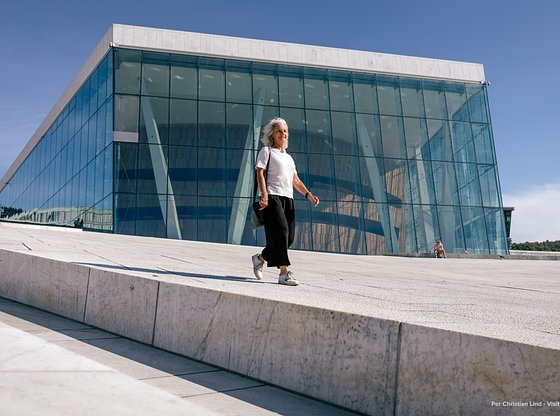
Buildings such as the Oslo Opera House have helped redefine the harbor as a civic space, while newer cultural institutions reflect broader Scandinavian ideas about accessibility, design, and public life.
Exploring those spaces with an Expert helps connect architecture to the political and social choices behind it.
Why Explore Oslo with Context?
Context’s Oslo tours are led by local Experts whose backgrounds may include history, art, architecture, and Norwegian culture. The current portfolio includes a city introduction, National Museum experience, and full-day exploration of Oslo from Viking history to Nordic modernism.
Their role is not simply to identify landmarks or summarize dates. They help explain how maritime history shaped the capital, how art contributed to Norwegian identity, and why contemporary architecture has become such a visible part of modern Oslo.
The aim is to leave with a city that feels more connected: Viking heritage, national history, art, exploration, and modern design understood as parts of the same evolving story.
Oslo is compact and easy to explore on foot, especially around the historic center and waterfront districts. Private tours are one of the best ways to understand the city’s architecture and cultural landmarks.
Most travelers spend one to two days in Oslo, often combining their visit with travel through Norway’s fjords or rail journeys to other Scandinavian cities.
Norwegian is the primary language spoken in Oslo, though English is widely spoken throughout the city. Norway uses the Norwegian krone (NOK) as its currency.
Late spring through early autumn offers the most comfortable weather for walking tours, though winter visits reveal another side of Nordic life.
What are the best tours to take in Oslo?
For a first visit, begin with an Oslo city or walking tour that introduces the historic center, waterfront, and major cultural landmarks. Travelers particularly interested in art can add a guided visit to the National Museum, while a full-day tour offers a broader look at Oslo’s Viking heritage, maritime history, art, and modern architecture.
Is Oslo a good city for a walking tour?
Yes. Oslo’s central districts, waterfront, and many major cultural landmarks are relatively compact and easy to explore on foot.
Are private tours in Oslo worth it?
A private Oslo tour is particularly useful for travelers who want greater historical, artistic, or architectural depth. Dedicated time with an Expert allows the pace and discussion to adapt to your interests rather than following a standardized group itinerary.
What is Oslo best known for?
Oslo is known for its Viking and maritime heritage, Norwegian art, museums, contemporary architecture, and its role as Norway’s political and cultural capital.
What should I see on my first trip to Oslo?
First-time visitors often combine the historic center and waterfront with major cultural institutions such as the National Museum. Depending on your interests, Viking and maritime history, modern architecture, and Norwegian art can provide useful ways into the city’s story.
How many days do you need in Oslo?
One to two days is enough for many first-time visitors to explore Oslo’s central neighborhoods, major museums, and waterfront. Additional time allows for deeper museum visits or exploration beyond the historic center.
Is Oslo walkable?
Yes. Many of Oslo’s principal historic, cultural, and waterfront areas can be reached comfortably on foot, although public transportation is useful for sites farther from the center.
Can you see the fjord from Oslo?
Yes. Oslo sits at the head of the Oslofjord, and the waterfront offers direct views across the water. Ferries also connect the city with nearby islands.
What museums should I visit in Oslo?
The National Museum is particularly useful for understanding Norwegian art and cultural identity. Oslo also has important institutions devoted to maritime history, exploration, Viking heritage, and Edvard Munch.