Small Group Tours are now booking for summer and fall. Book yours today.

Jeong-dong Neighborhood Tour: How Korea Met the West

Witness Joseon's fall amid personal stories in historic streets

Understand how Jeong-dong’s past helped form modern Korea, from government buildings to schools and churches.
Tour Highlights
  • Read Seoul’s modern turn See how one neighborhood helps explain Korea’s leap into a modern national identity.
  • Decode prestige and power Trace Emperor Gojong’s flight and the foreign pressure that reshaped Seoul’s future.
  • Follow firsts in education Explore pioneering schools that opened new paths in learning and women’s public lives.
  • Spot East and West in stone Understand the architecture of buildings of the powerful as clues to a capital remaking itself.
  • Untangle Korea’s global ties Connect missionaries, diplomats, and reformers to Korea’s turbulent new century.
  • End with local texture Pause for a small treat and feel Jeong-dong’s quieter rhythm beyond the headlines.
Led by Experts, Shaped by You
Explore with an expert guide who responds to your questions, your interests, and your pace. Reveal layers of meaning most visitors miss—go from seeing to understanding.
The Finer Details
Jeong-dong is where Seoul’s post-Joseon story starts to feel close enough to touch. Meet near Deoksugung Palace and step into a neighborhood that still carries the late 19th and early 20th centuries in its walls, lanes, and unexpected silhouettes. How did Korea move from the final decades of Joseon empire to foreign diplomacy, new schools, and the occupation that preceded modern public life? Your Context Expert helps the answer unfold through person and place, not in abstraction. Rich personal stories of missionaries, diplomats, and the last of the Joseon dynasty breathe life and color into old wood and stone.

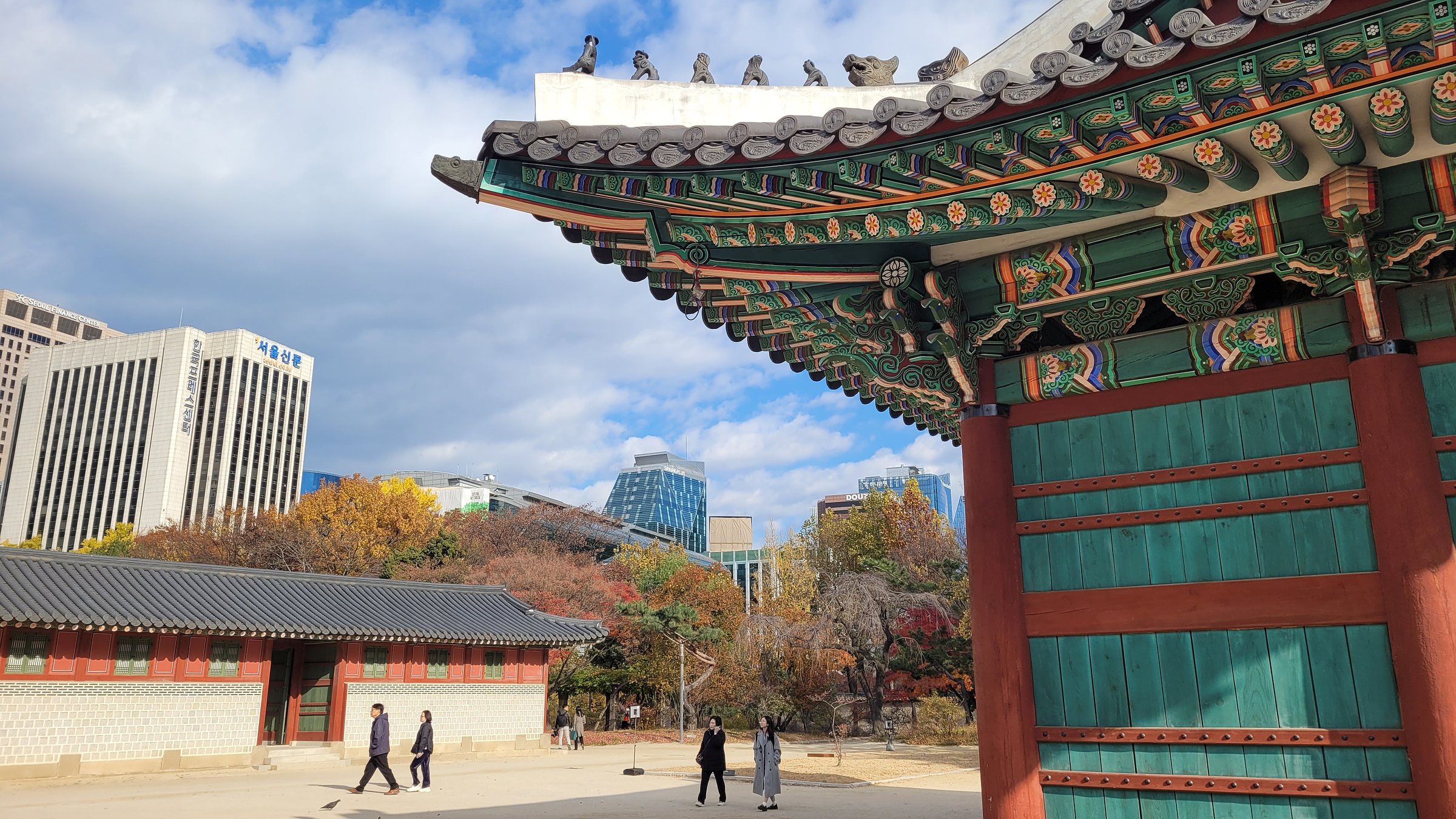
Inside the Palace, late Joseon architecture sets the stage for the ghosts of Joseon's final drama -- a story of humanity, subterfuge, and...coffee! Royal roofs and stone paths sit near Western embassies and churches, making contrast visible before it becomes a theme. This is not royal history in isolation. It is the old court standing amidst and despite a people learning new languages of power, faith, and design. 

The route then narrows toward the Road of Emperor Gojong, a path linked to his secret flight to the Russian Legation in 1896. The story carries the tension of a thriller, but its stakes were real: Korea’s sovereignty, court survival, and the pull of rival empires. At Seoul's Former Russian Legation, remnants of an embassy used from roughly 1890 to 1905 give those pressures a physical outline. Listen for the quieter details, where diplomacy turns into fear, strategy, and exile -- and the foreshadowing of the occupation that would change everything again.

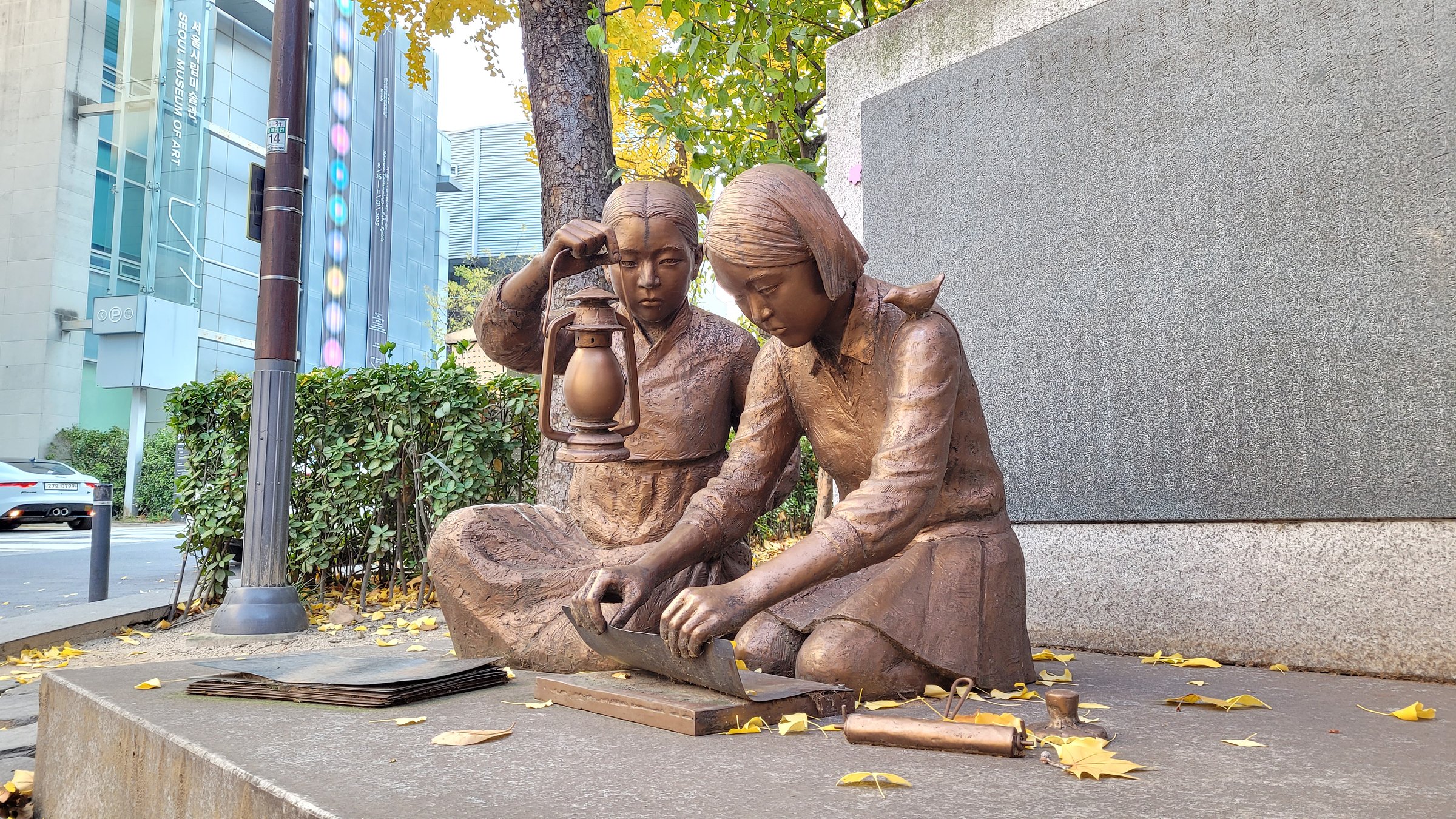
At Ehwa Museum, the story shifts from court politics to classrooms. Korea’s first girls’ school opens a conversation about education, female empowerment, and the new social possibilities arriving through foreign influence. What changes when learning becomes available to people once kept outside the room? Your Expert connects the site to a wider wave of firsts that reshaped belief, technology, communication, and daily ambition.

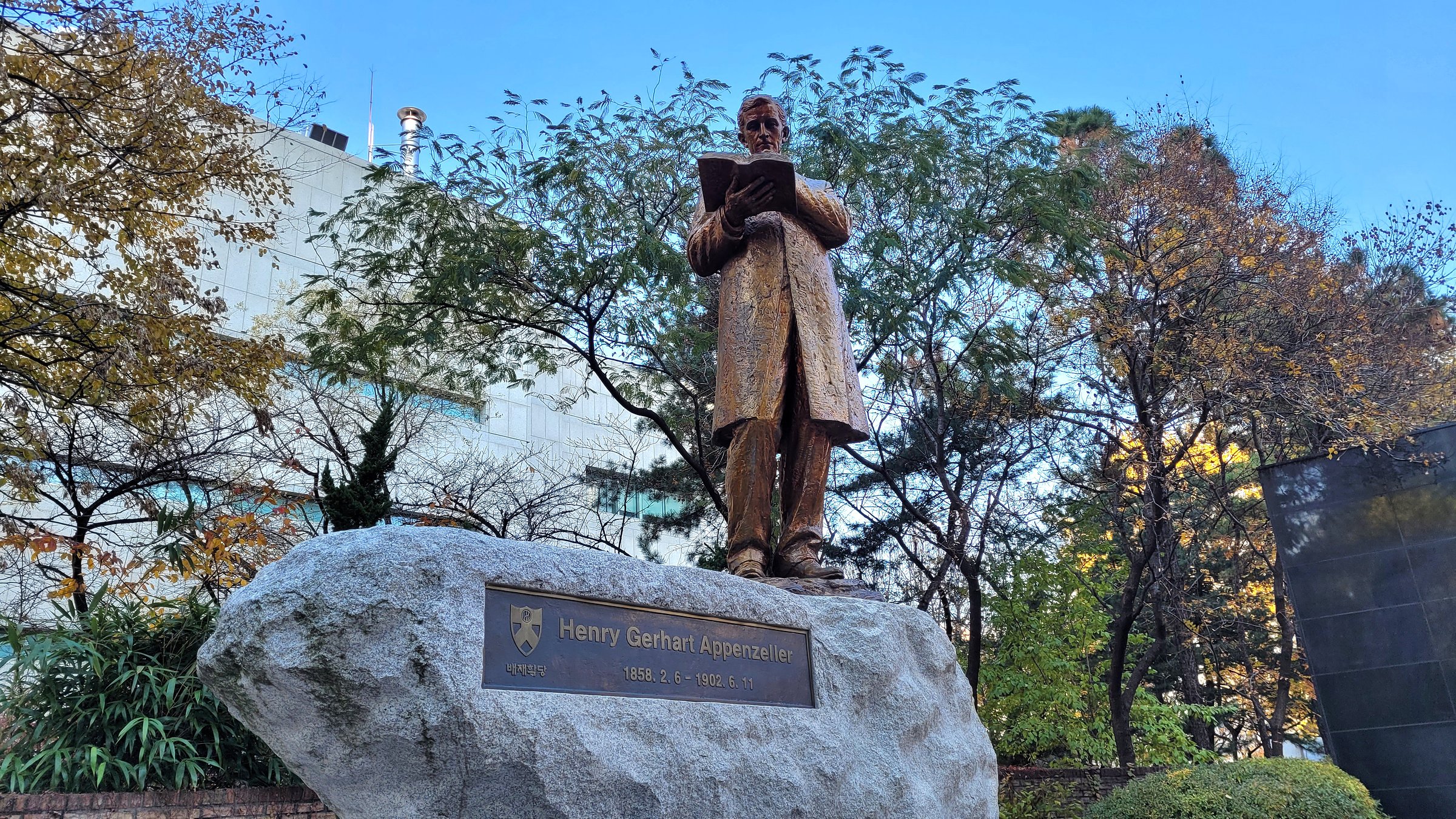
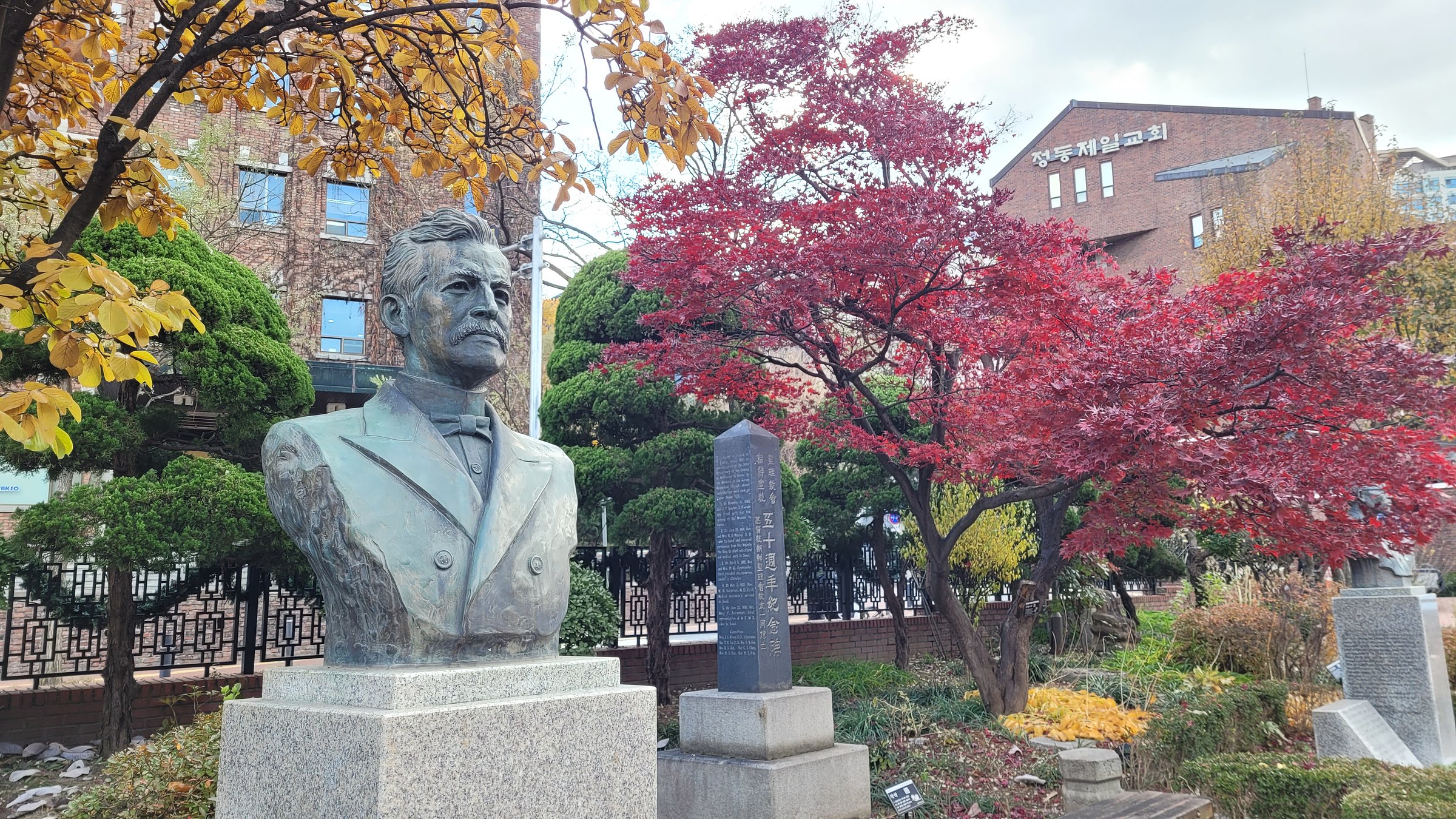
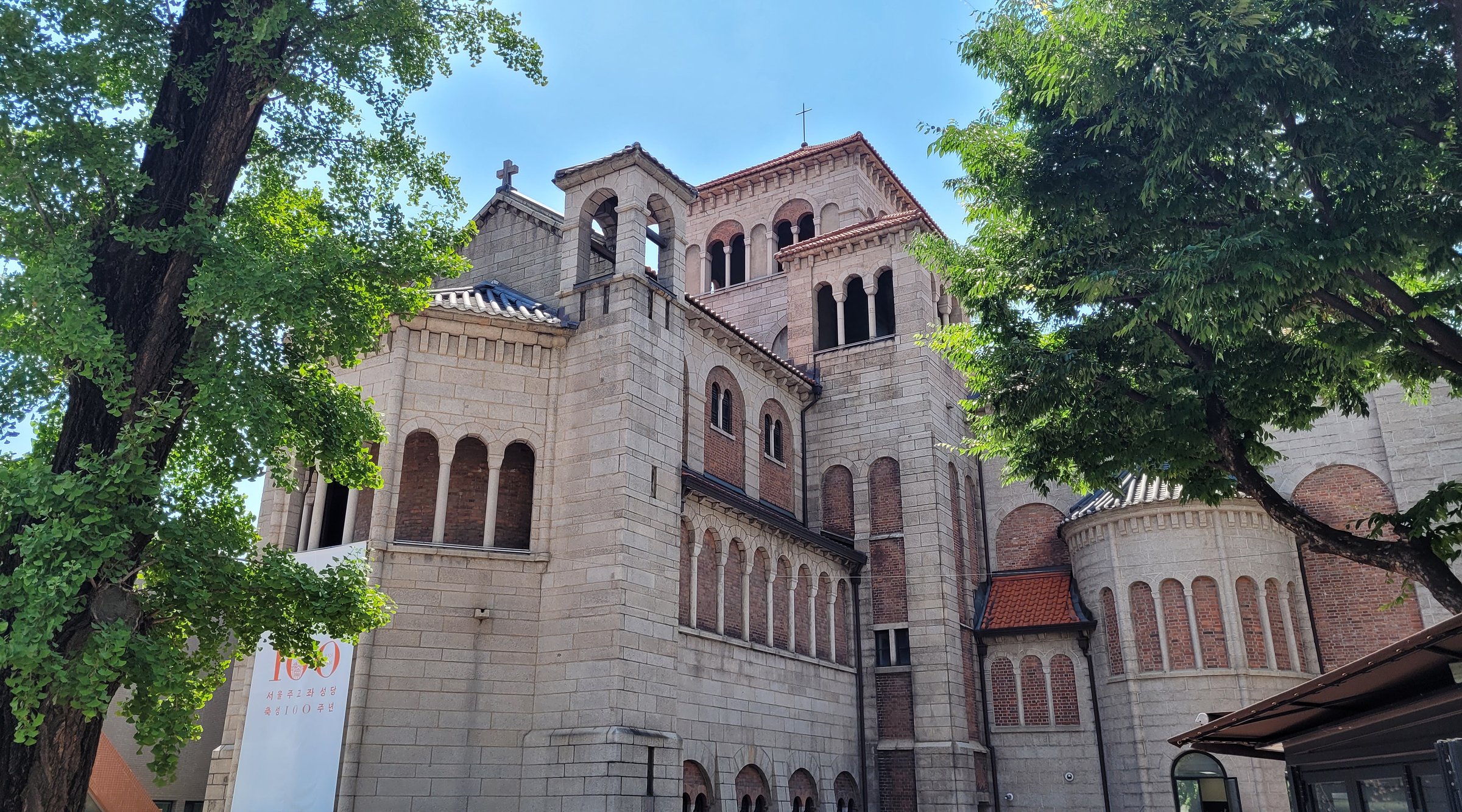
Jeong-dong First Methodist Church and Baejae Hakdang keep that wave in motion. One marks the growth of Protestant Christianity, while the other points to Korea’s first Western style school for young learners. Together, they show how missionaries did more than build institutions. They introduced ideas that collided with local values, creating friction, opportunity, and lasting change.

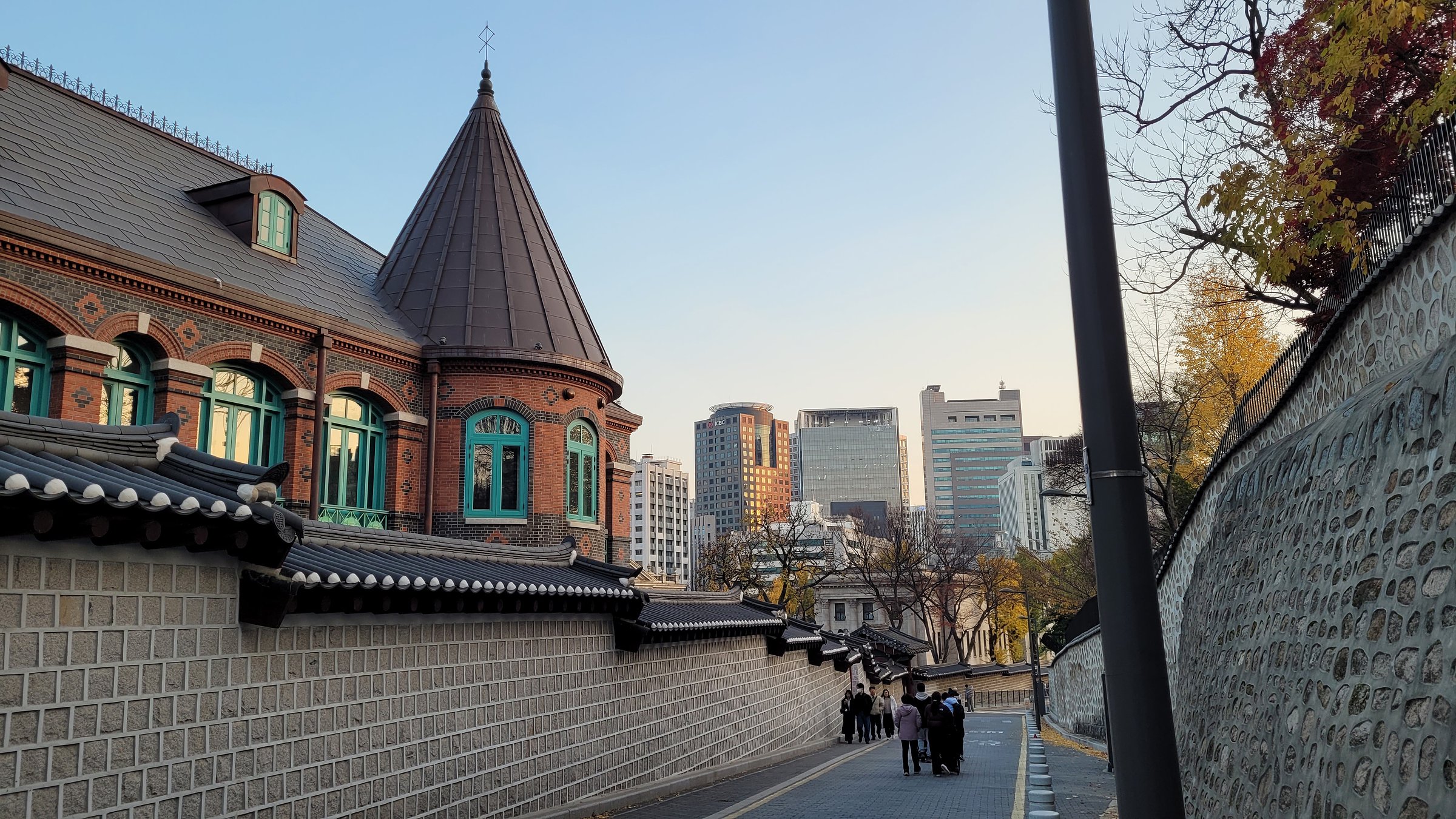
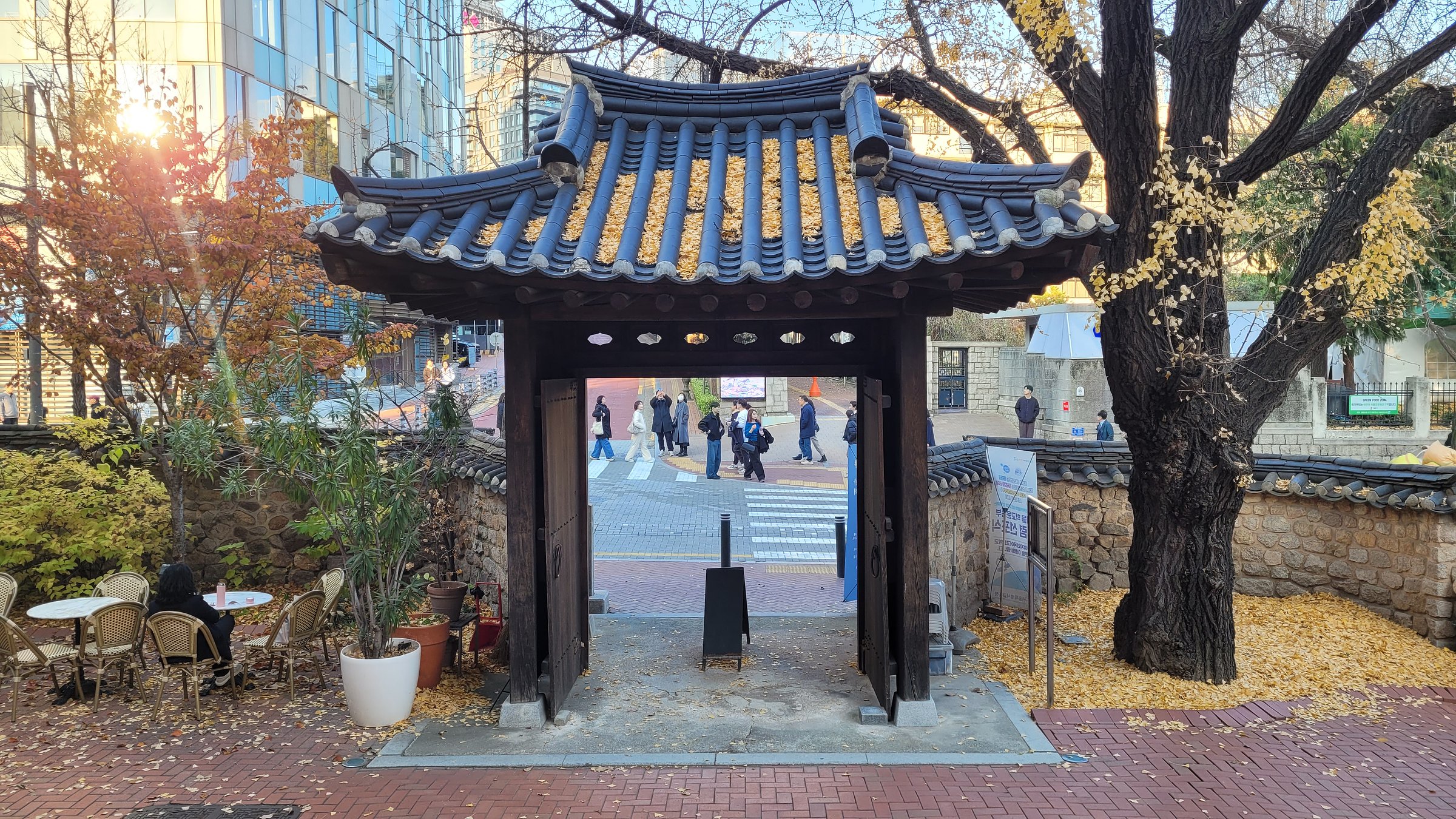
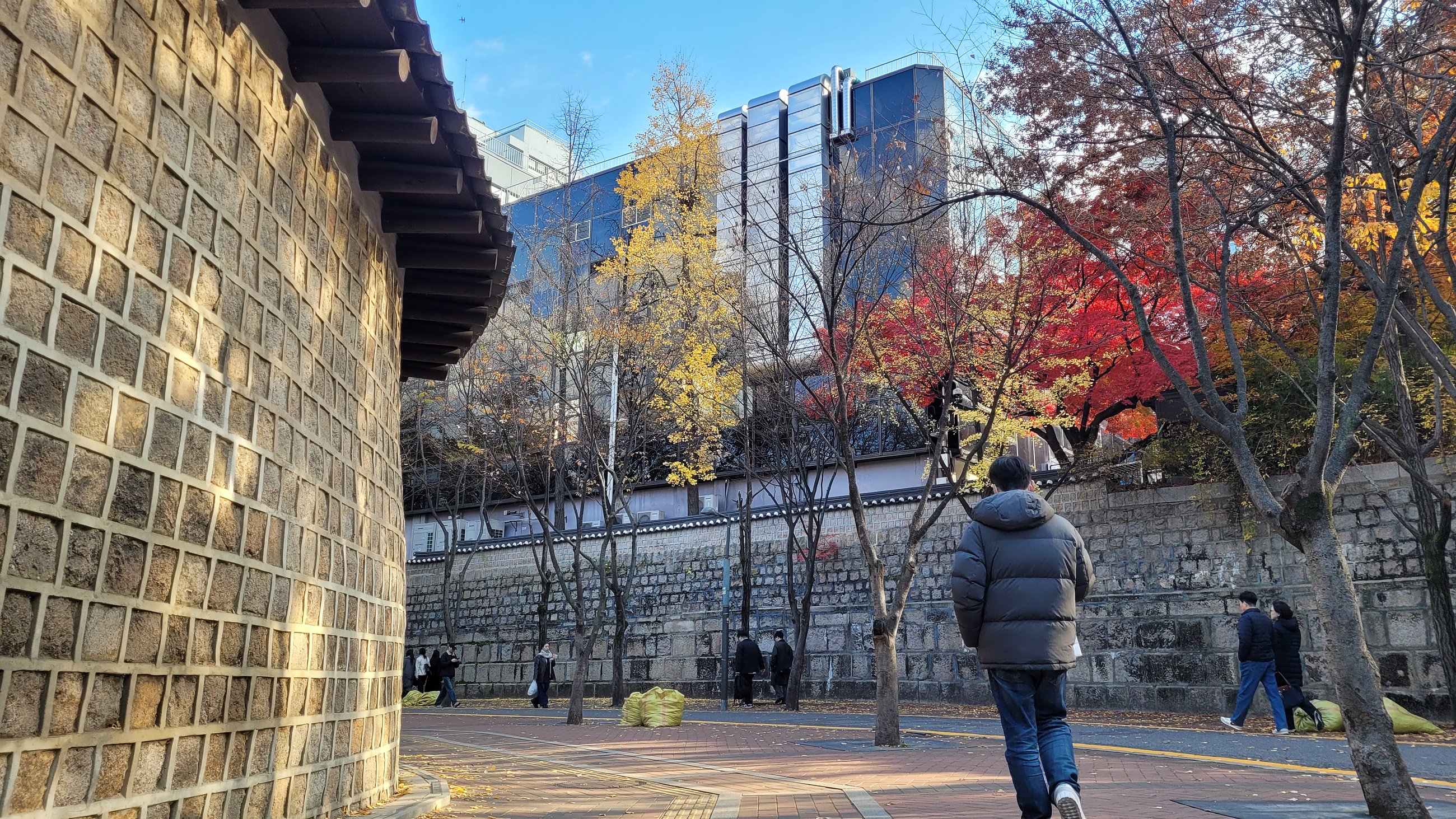
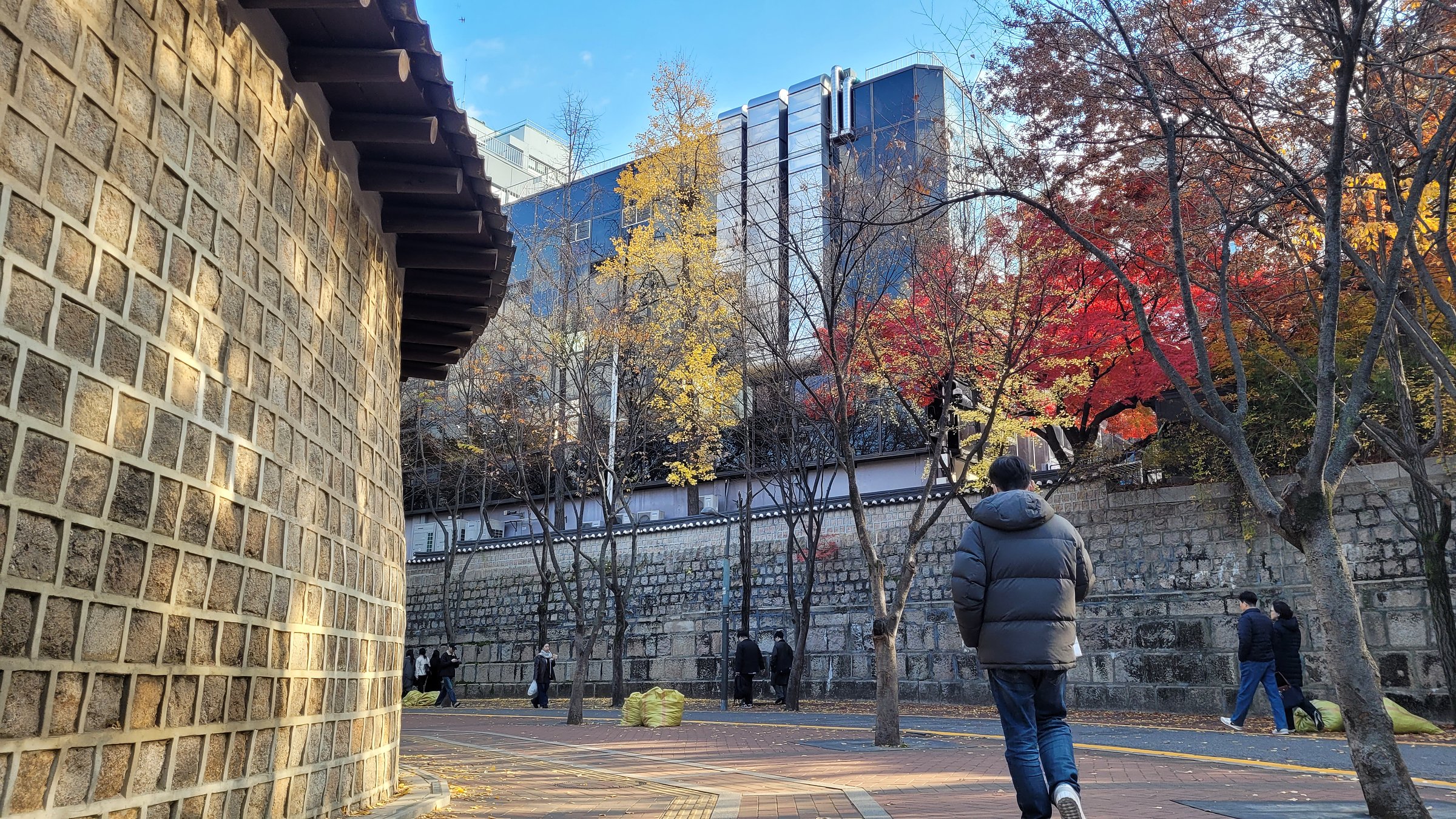
The walk loosens along “Breakup Road,” or Doldam-gil, where stone walls add a touch of neighborhood folklore to a route heavy with consequence. Coffee plays a surprising role in the local lore, so if you want one after your tour, your expert can direct you towards a local bakery or coffee or tea shop to bring the past back into everyday Seoul. By the end, Jeong-dong feels less like a side district and more like a key to the country’s complicated growth. Leave with a clearer sense of how modern Korea was made, unevenly, dramatically, and right here.
Where You’ll Go

From iconic landmarks to tucked-away local favorites, these are the places you’ll explore and experience firsthand with your Expert.

  • Deoksugung Palace
    Late Joseon palace with links to modern life
  • Road of Emperor Gojong
    Path tied to Emperor Gojong’s 1896 flight to Russian protection
  • Seoul's Former Russian Legation
    Embassy remnants from Korea’s first diplomatic era
  • Ewha Museum (Korea's First Girls' School)
    Memorial museum at Korea’s first girls’ school
  • Jeong-dong First Methodist Church
    Early Protestant church marking new religious currents
  • Baejae Hakdang (Appenzeller/Noble Memorial Museum)
    Korea’s first Western style school for young learners
  • "Breakup Road" (Deoksugung Doldam-gil)
    A road with a cursed history
What’s Included As Standard
Here’s a look at what your tour covers, plus anything you’ll want to consider arranging separately, so you can plan with confidence.
Included
  • English-speaking expert guide
    Tours led in English, offering you unbroken understanding throughout.
  • Intentionally sized groups
    A smaller group means more time for conversations and questions.
  • Tickets and entrance fees
    All entry tickets included (unless clearly stated otherwise).
  • Headsets
    Headsets are included on tours that need them, so every word can be heard.
Not Included
  • Food and drink
    Unless booking a Food & Drink tour or tasting experience, refreshments are not included.
  • Transportation to and from the meeting point
    Unless noted, pre- and post-tour transport isn’t included - this service can be added by request.
  • Gratuities
    Tips aren’t included, but we encourage tipping as a way to thank your guide after your experience.
  • Hotel pickup or drop-off
    Unless noted, travel to or from accommodation isn’t included - this service can be added by request.
Where You'll Explore
Map of Jeong-dong Neighborhood Tour: How Korea Met the West general meeting point area

Make the Most of Your Tour

Some helpful advice for getting the most from your experience, from practical prep to small on-the-day tips.

Dos:
  • Wear comfortable footwear
  • Check the weather and dress appropriately
  • Bring a bottle of water (no glass)
  • Feel free to ask your Expert anything
Don'ts:
  • Bring firearms or weapons
  • Bring sharp objects (e.g. knives, swiss army knives, switchblades, hiking sticks)
  • Dress inappropriately to enter religious sites or sacred monuments
Any questions? You can always contact us.

Frequently Asked Questions

Book with confidence — see Context's flexible cancellation policy here.
This 2 to 2.5km tour route is mostly very flat. There will be multiple very easy slopes and tiny hills along the way, and one narrow downhill dirt path, and a small handful of little staircases (including leading up to some of the bathroom stops). There are a few sites along the way that require traversing a small amount of cobblestone or dirt path terrain, including a large chunk of Deoksugung Palace. Moving through this entire standard tour route with a wheelchair will not be possible, but large portions of the route will still accessible and your expert guide can fairly easily re-route to skip a short stop or two (while adding in a couple new nearby stops).

Don’t just take our word for it

0 Reviews
Book a Tour

Let Your Curiosity Shape Your Journey

Join passionate experts on intimate walking tours that reveal a city’s unique stories, spark conversations, and leave you seeing the world—and yourself—a little differently.

Structured, never scripted

Your interests guide your Expert, leading to stories and perspectives that matter to you.

Crafted for conversation

With 12 or fewer guests, ask questions, engage with your Expert, and fully immerse yourself.

Experts, not guides

Explore with 1,200+ Experts—from historians and architects to archaeologists and chefs.