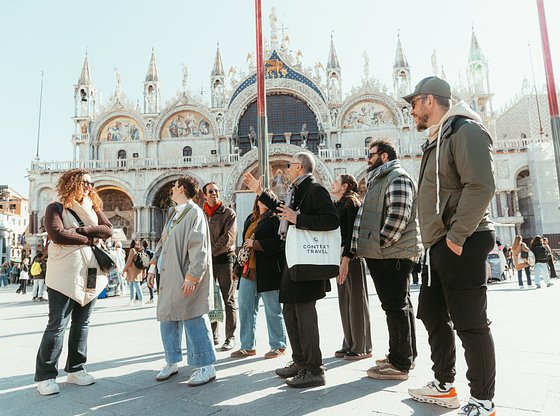


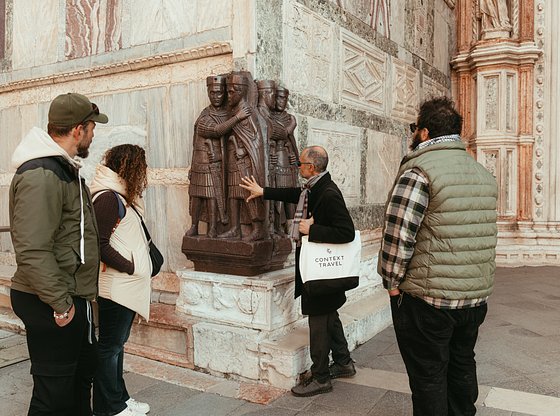
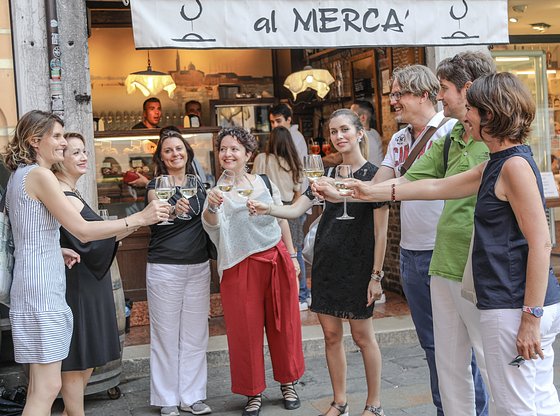
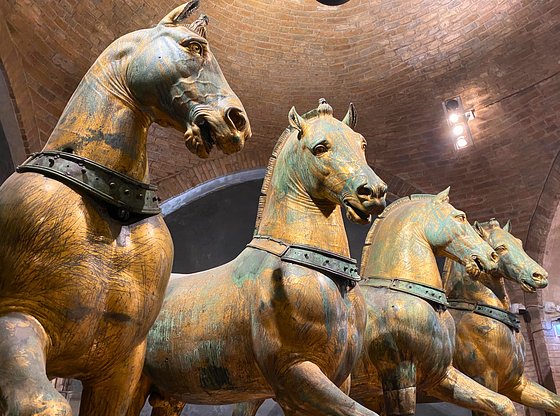
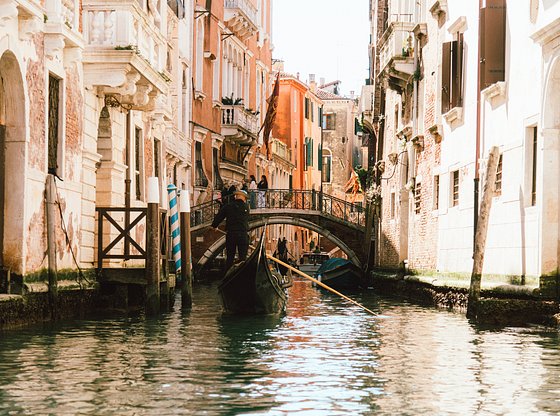
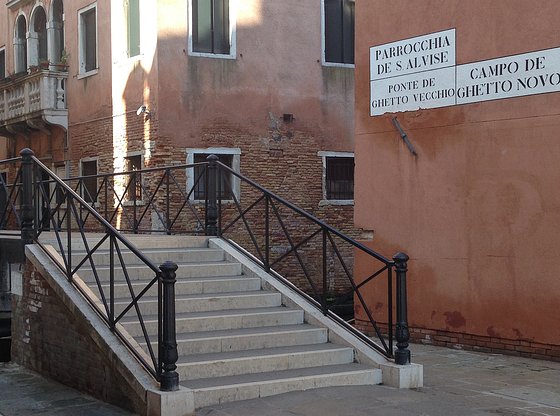
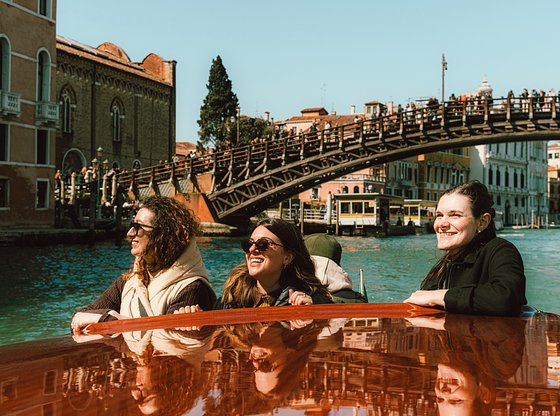
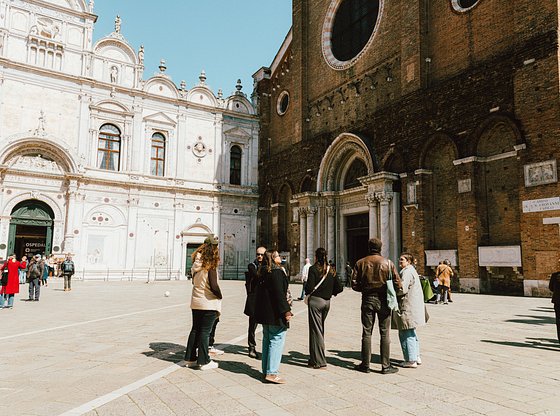


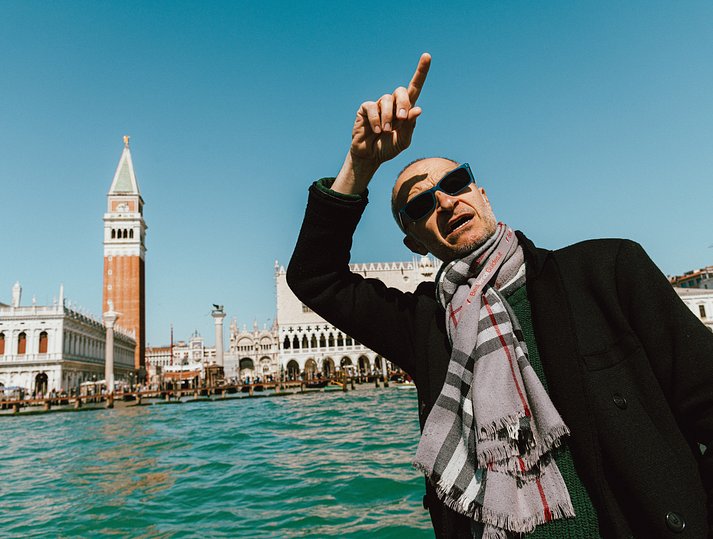
Leo shared some favorite bars where we were introduced to varieties of cicchetti and wine from the Veneto. His local perspective about life in Venice--boating, schools, pet-ownership, football, and of course wine and food--added greatly to our enjoyment. An exceptional guide and an exceptional experience!
Venice Tours
Expert-led Venice guided tours that turn canals, palaces, and maritime power into meaningful discoveries
Let Your Curiosity Shape Your Journey
Join passionate experts on intimate walking tours that reveal a city's unique stories, spark conversations, and leave you seeing the world—and yourself—a little differently.
Experts, not guides
Explore with 1,200+ Experts, from historians and architects to chefs and archaeologists.
Crafted for conversation
With fewer than 12 guests, engage your Expert through questions and immerse fully.
Structured, never scripted
Your interests guide your Expert, leading to stories and perspectives that matter to you.
Curious or connoisseur
First-time visitor or seasoned explorer, our tours span city highlights to deep-dives.
Venice, Seen with Context
Venice isn’t simply canals and gondolas. Walk with an expert to discover how merchants, shipbuilders, and a powerful republic shaped this remarkable city on the water.
.png)
Small groups, capped at 10
Discover Venice with other curious travelers
%20-%202026-04-23T141155.341.png)
Hear from our customers
Silvia generously shared her extensive knowledge of Venice--both history and landmarks. She set us up for further exploration on our own. Thanks!
Great guide, super informative and knowledgeable. Was able to effectively convey both general and specific history of the city. We really appreciated here knowledge of the Jewish history of Venice.
Venice Tours
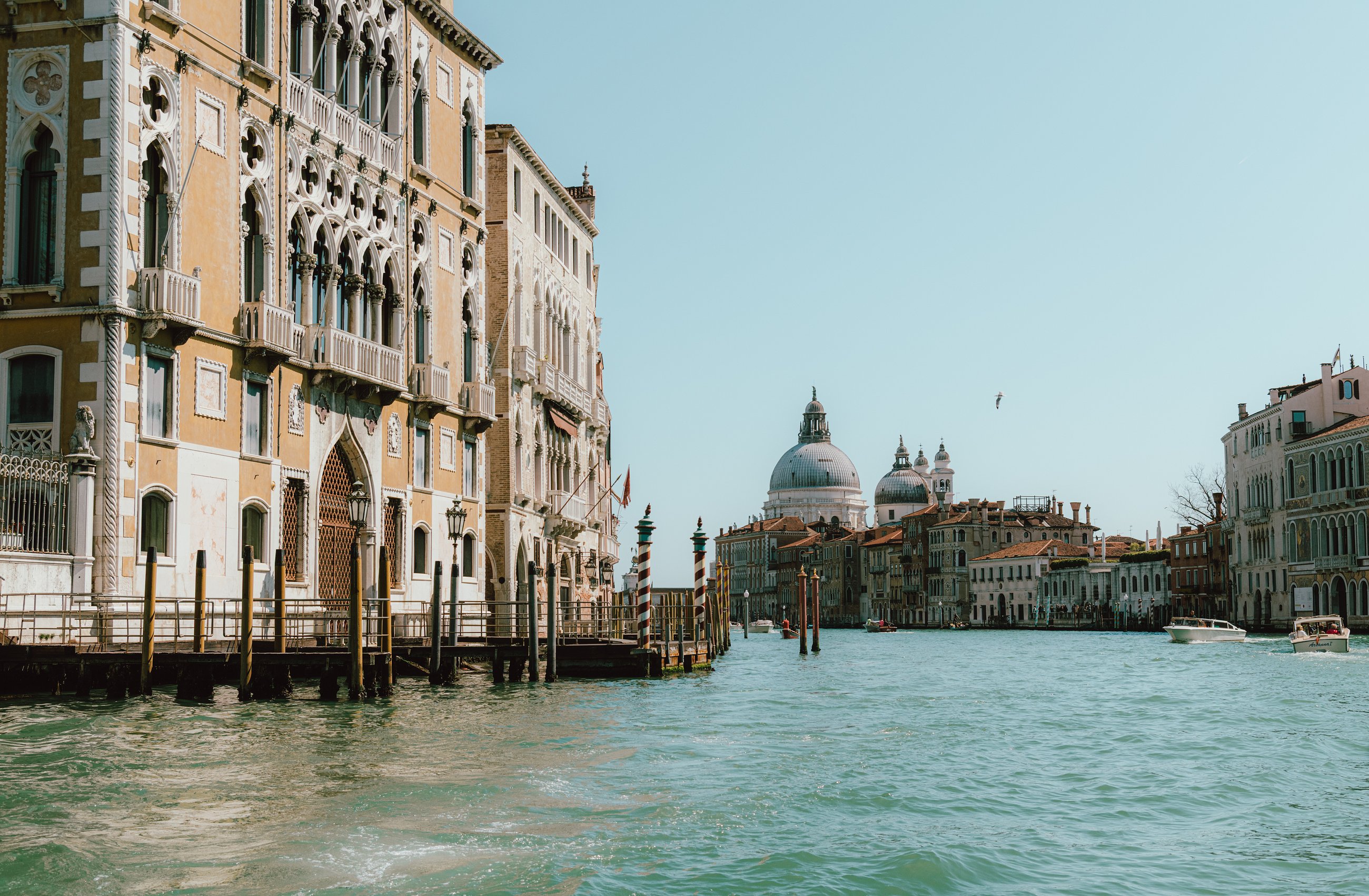
Venice is easy to admire and surprisingly difficult to understand. Visitors arrive expecting canals and gondolas, but Venice was once one of the most powerful maritime republics in the Mediterranean, shaping trade, diplomacy, art, and global exchange for centuries.
The city reveals itself slowly. Political power is embedded in palaces and public spaces. Churches reflect both devotion and wealth. Even the layout of the canals tells a story about commerce, engineering, and survival in a lagoon environment.
The right tour helps connect those layers into something more meaningful than a beautiful backdrop.
Best for First-Time Visitors
If it’s your first time in Venice, begin with experiences that introduce both the city’s geography and its historical importance.
These tours help explain how Venice developed from a fragile lagoon settlement into a global trading power. Walking through areas like St. Mark’s Square, the Rialto, and quieter residential districts gives you a stronger sense of how the city functioned beyond its postcard image.
Best for Art, Architecture & Venice’s Golden Age
Venice’s art and architecture reflect centuries of wealth, diplomacy, and cultural exchange between East and West.
With an art historian or architectural expert, mosaics, palaces, and paintings become part of a larger story about power, religion, and Venetian identity.
Best for Food, Markets & Everyday Venice
Venetian cuisine reflects trade routes, regional ingredients, and the city’s relationship with the sea.
Markets, bàcari wine bars, and neighborhood food traditions reveal a side of Venice that feels lived-in rather than performative. Meals become a way to understand trade, migration, and local rhythms of life.
Best for Islands & Day Trips
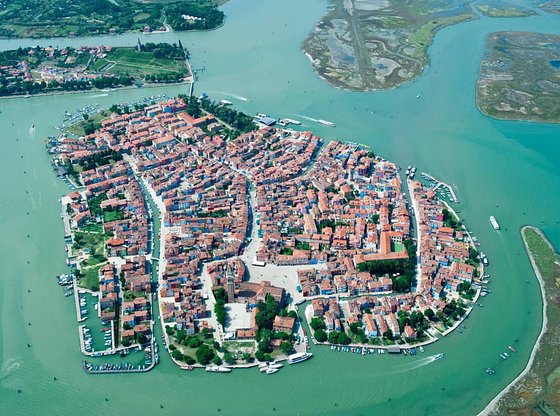
The Venetian lagoon extends far beyond the main island.
These experiences connect Venice to traditions of glassmaking, fishing, craftsmanship, and island life that shaped the wider republic.
Venice rises from a lagoon along the northeastern coast of Italy, where a network of islands and canals shaped one of Europe’s most remarkable cities. Founded in the early Middle Ages by communities seeking refuge from mainland invasions, Venice gradually transformed into a powerful maritime republic that controlled major trade routes across the Mediterranean and beyond.
From the 13th to the 16th centuries, the Venetian Republic became one of the wealthiest and most influential states in Europe, connecting East and West through commerce, diplomacy, and culture. Today, Venice preserves a remarkable concentration of art, architecture, and urban design from this era. Context Travel’s Venice tours are led by historians and local experts who help travelers understand how the lagoon shaped the city’s politics, architecture, and artistic legacy.
Venice is known for its canals, Renaissance art, and its historic role as a Mediterranean trading power.
The Venetian Republic
For centuries, Venice governed a powerful maritime empire that linked Europe with the eastern Mediterranean.
St. Mark’s Square and the Doge’s Palace
These landmarks reflect the political and ceremonial center of Venetian power.
Canals and Urban Engineering
Venice’s network of canals and bridges represents a remarkable feat of medieval engineering.
Renaissance Art and Architecture
Artists such as Titian, Tintoretto, and Veronese helped shape Venice’s artistic legacy.
Venetian Craft Traditions
Glassmaking, mask-making, and other crafts reflect centuries of artistic craftsmanship.
For many travelers, it comes down to how they want to experience Venice.
It’s possible to wander Venice independently, and part of the city’s appeal is getting lost in its streets and canals. But many of Venice’s most important stories are easy to miss without context. A palace façade may look decorative until you understand how trade wealth shaped it. A church may reflect centuries of political rivalry and religious symbolism. Even the canals themselves reveal how the city engineered survival in a difficult environment.
Context Travel’s guided tours of Venice are designed to bring those connections into focus.
Led by historians, art historians, architects, and local experts, our tours explore how Venice functioned as a republic, maritime empire, artistic center, and living city. Whether you’re visiting St. Mark’s Basilica, discussing Venetian politics inside the Doge’s Palace, or tasting cicchetti near the Rialto Market, the goal is not simply to see Venice, but to better understand how it worked and why it still feels unlike anywhere else.
We also offer several ways to explore depending on your travel style:
- Audio guides for independent travelers (starting around $20)
- Small group walking tours (starting around $120 per person)
- Private tours for more flexibility and deeper discussion (starting around $340+)
If you’re looking to move beyond the postcard version of Venice and experience the city with more clarity and depth, many travelers find that the value is well worth it.
Venice appeals to travelers interested in history, art, and the cultural legacy of the Mediterranean world. First-time visitors often begin with guided introductions to St. Mark’s Square and the city’s major monuments to understand the Venetian Republic’s political power. Lifelong learners appreciate deeper conversations about Renaissance art and maritime trade, while travelers interested in local culture explore quieter neighborhoods, craft traditions, and the unique urban life of the lagoon.
Venice is entirely pedestrian, and walking tours are the best way to explore its narrow streets, bridges, and historic squares.
Most travelers spend two to three days in Venice, allowing time to explore major landmarks as well as lesser-known neighborhoods.
Italian is the primary language spoken in Venice, though English is widely spoken in tourism areas. Italy uses the euro (€) as its currency.
Spring and autumn offer the most comfortable weather for guided tours, while summer visits can be busy due to international tourism.
What is Venice known for?
Venice is known for its canals, Renaissance art, and its history as a powerful maritime republic.
Is Venice worth visiting despite the crowds?
Yes. With expert guidance and careful timing, Venice reveals layers of history and daily life that go far beyond crowded routes.
How many days should you spend in Venice?
Most travelers spend two to three days exploring Venice’s historic districts and major monuments.
Is Venice walkable?
Yes. Venice is a pedestrian city where most areas are explored on foot or by boat.
Is Venice safe for travelers?
Venice is generally considered safe for visitors, though crowded tourist areas require normal travel awareness.
What are the most famous places to visit in Venice?
Major landmarks include St. Mark’s Square, the Doge’s Palace, the Grand Canal, and the Rialto Bridge.
Is Venice suitable for families?
Yes, particularly with family-focused tours that use storytelling and visual observation. Boat rides, scavenger hunts, and interactive guides can make Venice engaging for children while still offering depth for adults.