Verona Guided Walking Tours
Context Travel Verona Tours
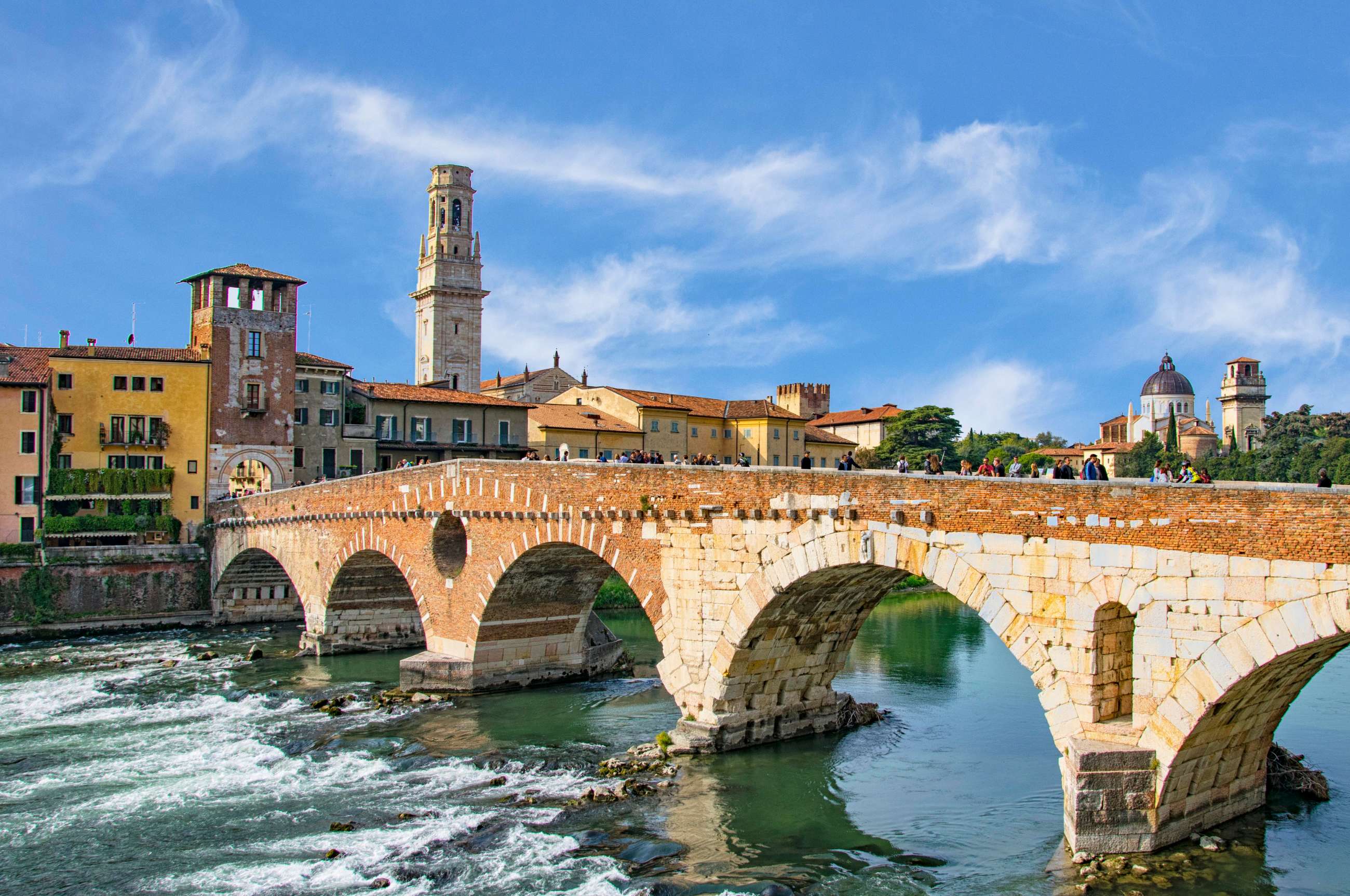
Set along the Adige River in northern Italy, Verona is a city where Roman engineering, medieval power, and Renaissance humanism remain visibly layered into everyday life. Best known internationally for Shakespeare’s Romeo and Juliet, Verona’s deeper story stretches far beyond literary myth, shaped by empire, commerce, and civic ambition. Today, travelers come to Verona for its walkable historic center, UNESCO-listed monuments, and the rare ability to trace two thousand years of urban life within a single city.
Top Experiences with Context Travel in Verona
History & Orientation
Welcome to Verona Tour: A grounding walk through Verona’s historic center that connects Roman origins, medieval expansion, and modern civic life. Designed to help travelers understand the city’s layout, power structures, and historical rhythm.
Literature & Cultural Memory
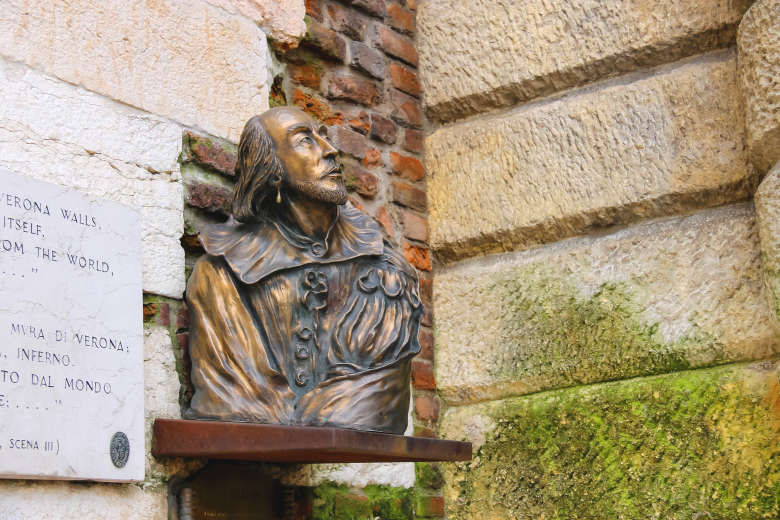
Shakespeare’s Verona Literary Tour: Trace the places—both real and imagined—that shaped Shakespeare’s Verona. This tour examines how history, myth, and tourism intertwine, exploring why
Romeo and Juliet continues to define the city centuries later.
In-Depth Exploration
Verona in a Day: A full-day experience for travelers who want a complete narrative arc: Roman infrastructure, medieval authority, Renaissance culture, and the city’s evolving identity within northern Italy.
Who Is Verona Best For?
- First-time visitors — A compact city ideal for orientation and context
- Lifelong learners — Roman history, medieval politics, and Renaissance culture in one place
- Literature lovers — Shakespeare’s legacy examined with historical clarity
- Couples — Beyond romance, a city rich in shared discovery
- Repeat Italy travelers — A quieter, intellectually rewarding alternative to larger cities
Practical Planning Information
Verona is best explored on foot, with a compact historic center and limited vehicle access. Two days is ideal for first-time visitors, while a full day with an expert provides strong historical grounding. Verona Porta Nuova station connects easily to Venice, Milan, and Bologna. Italian is the primary language, and the euro is used.
Spring and fall offer the most comfortable walking conditions, though Verona remains appealing year-round thanks to its scale and pedestrian rhythm.
FAQs About Visiting Verona
What is Verona famous for?
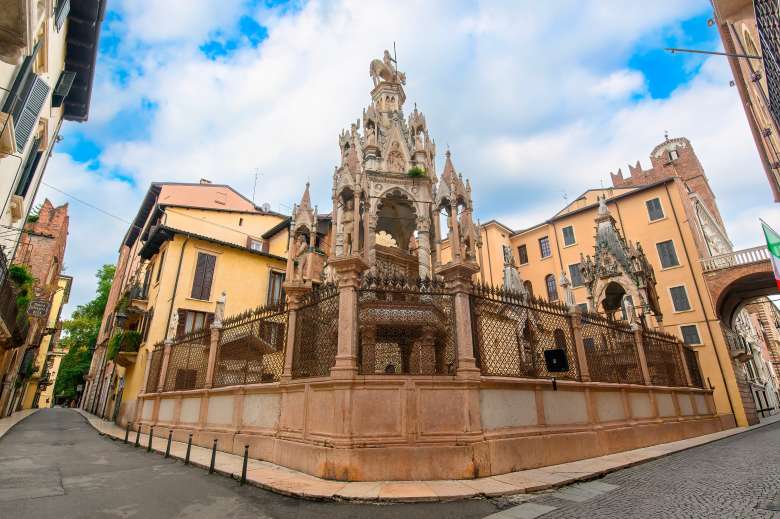
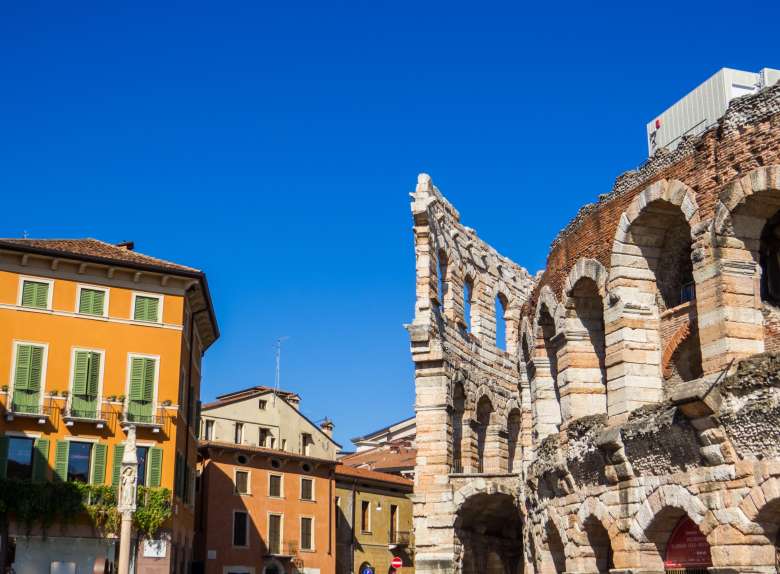
Verona is best known for its exceptionally well-preserved Roman heritage, medieval cityscape, and enduring literary legacy. The city’s Roman Arena, still used for opera today, reflects Verona’s importance in the ancient world, while its churches, palaces, and fortified bridges speak to centuries of political power and trade. Verona is also globally associated with Shakespeare’s Romeo and Juliet—not because Shakespeare visited, but because the city’s architecture, families, and social structures offered a convincing stage for his tragedy. Together, these layers make Verona one of Italy’s most historically intact cities.
What is there to do in Verona?
Verona rewards travelers who slow down and explore on foot. Visitors can walk through Roman remains like the Arena and ancient gates, trace medieval authority along the Adige River, and step inside churches filled with early Renaissance frescoes. Literary walks explore how Shakespeare’s Verona was imagined and later mythologized, while longer, in-depth tours connect Roman foundations to medieval rule and Renaissance culture. Verona also serves as an excellent base for day trips to Lake Garda or the Valpolicella wine region, making it ideal for both short stays and longer itineraries.
How many days do you need in Verona?
One well-planned day provides a strong introduction, though two days allow for deeper exploration and a more relaxed pace.
Is Verona walkable?
Yes. Verona’s historic center is compact, largely flat, and ideally suited to guided walking tours.
Is Verona only about Romeo and Juliet?
No. Shakespeare’s story is one layer of a much older city shaped by Roman engineering, medieval governance, and Renaissance culture.
Is Verona worth visiting compared to Venice or Florence?
Verona offers a quieter, more legible experience, ideal for travelers seeking depth without crowds.
Why Explore Verona with Context Travel?
Context’s Verona tours are led by historians and cultural experts who focus on explanation, not performance. Our private walking tours help travelers understand how Verona works—historically, politically, and culturally—so the city feels coherent rather than decorative.
Whether you’re orienting yourself, tracing Shakespeare’s legacy, or spending a full day in focused exploration, Context Travel offers a way to experience Verona with clarity, confidence, and depth.