
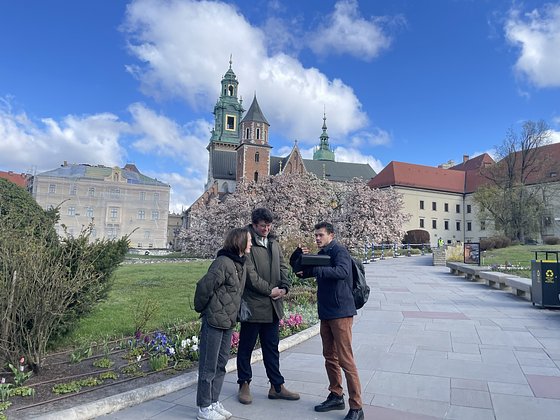
We enjoyed Marcin’s insights, and patience, as we peppered him with questions about the Polish form of government, ancestral history, and some of the challenges faced by his country coming out of WW II.
Warsaw Tours
Expert-led Warsaw guided tours that turn royal history, rebuilt streets, and Polish culture into meaningful discoveries
Let Your Curiosity Shape Your Journey
Join passionate experts on intimate walking tours that reveal a city's unique stories, spark conversations, and leave you seeing the world—and yourself—a little differently.
Experts, not guides
Explore with 1,200+ Experts, from historians and architects to chefs and archaeologists.
Crafted for conversation
With fewer than 12 guests, engage your Expert through questions and immerse fully.
Structured, never scripted
Your interests guide your Expert, leading to stories and perspectives that matter to you.
Curious or connoisseur
First-time visitor or seasoned explorer, our tours span city highlights to deep-dives.
Warsaw, Seen with Context
Warsaw isn’t just a capital rebuilt from its past. Walk with an expert to discover how kings, citizens, and remarkable resilience shaped a city that continues to redefine itself.
Ready to see more?
Add more to your Poland itinerary
Hear from our customers
Great. Informative. Flexible. Personable.
Terrific tour! We learned so much about Warsaw.
Warsaw Tours
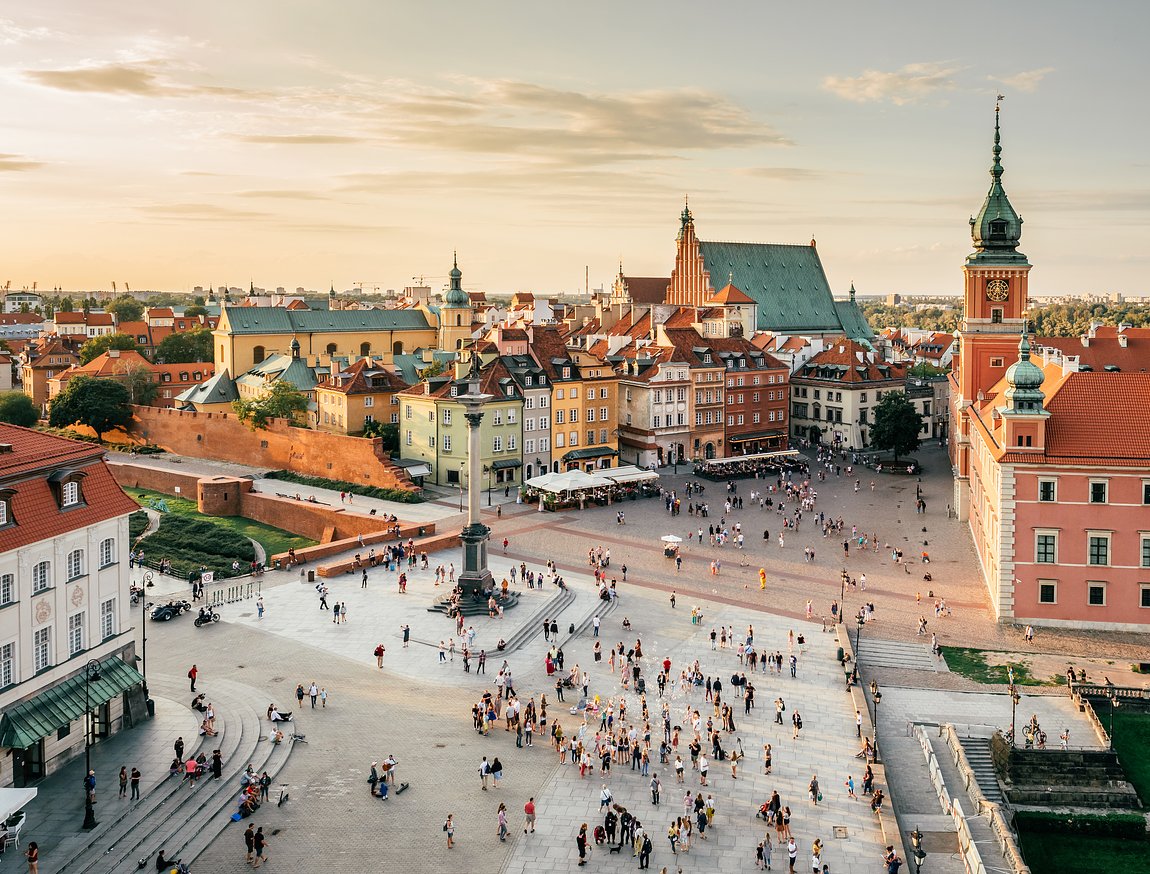
Warsaw sits along the Vistula River in central Poland, where it has served as the country’s political and cultural center for centuries. The city rose to prominence in the 16th century when the Polish royal court moved here, transforming Warsaw into the capital of the Polish–Lithuanian Commonwealth, one of Europe’s largest and most influential states at the time.
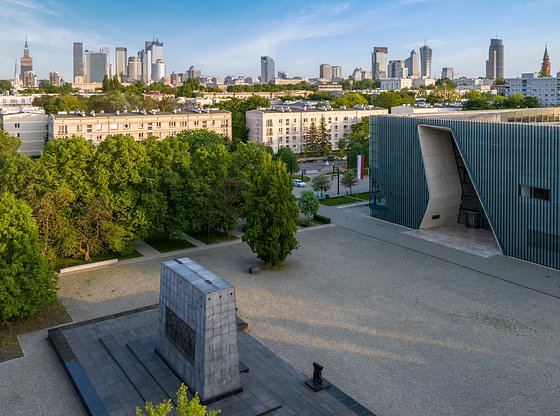
Few European cities have experienced as dramatic a history. During the Second World War, Warsaw was nearly destroyed, particularly after the Warsaw Uprising of 1944. In the decades that followed, much of the historic center was carefully reconstructed, preserving the city’s architectural identity while reflecting its resilience. Today, Warsaw blends reconstructed historic districts with modern neighborhoods and cultural institutions. Context Travel’s Warsaw tours are led by historians and local experts who help travelers understand how war, memory, and reconstruction shaped Poland’s capital.
Warsaw is known for its wartime history, reconstructed Old Town, and its role as the political and cultural heart of modern Poland.
Reconstructed Old Town
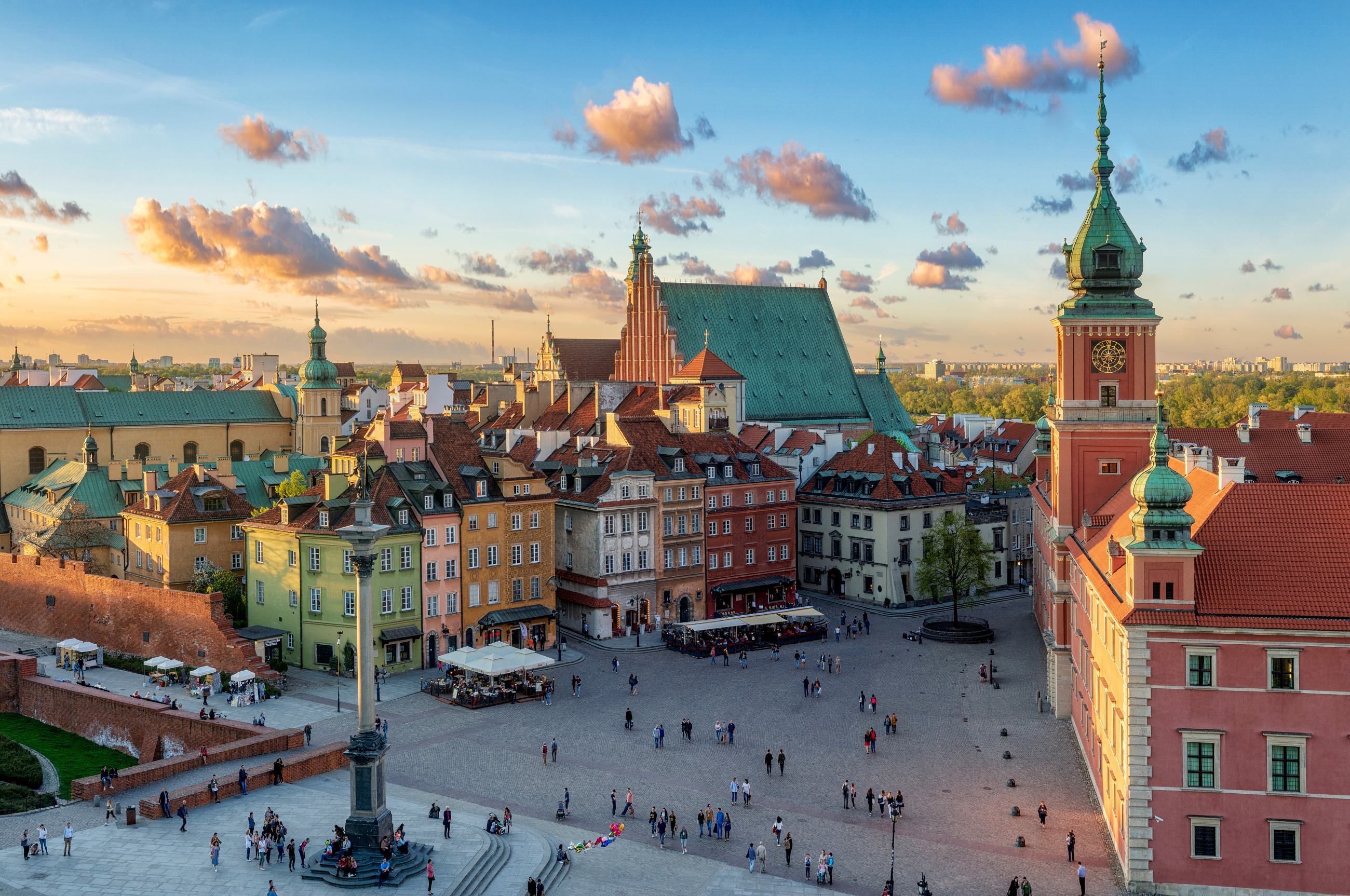
Warsaw’s historic center was rebuilt after World War II using historical records and paintings, creating one of the most remarkable reconstruction efforts in Europe.
Second World War and the Warsaw Uprising
The city played a central role in resistance against Nazi occupation during the war.
Jewish Warsaw Heritage
Before the war, Warsaw was home to one of the largest Jewish communities in Europe, and its legacy remains central to the city’s history.
Royal Route and Historic Monuments
Landmarks such as the Royal Castle and Łazienki Palace reflect Poland’s royal past.
Modern Polish Culture and Politics
Today, Warsaw is a vibrant capital where historic memory and modern development coexist.
Warsaw appeals to travelers interested in history, political change, and cultural resilience. First-time visitors often begin with guided introductions to the Old Town and Royal Route to understand the city’s historical foundations. Lifelong learners appreciate deeper conversations about the Second World War and Jewish heritage, while travelers interested in contemporary Europe explore Warsaw’s modern neighborhoods, museums, and cultural institutions.
Best Time to Visit
The best time to visit Warsaw is from late spring to early autumn (May to September). The weather is pleasant, and outdoor activities such as walking tours and river cruises are particularly enjoyable during these months. Winters can be cold and snowy, but they also offer a magical atmosphere in the city’s Christmas markets.
Typical Length of Stay
A typical visit to Warsaw lasts about 2 to 3 days. For first-time visitors, a 2-day stay will allow you to explore the city's main attractions, while a longer visit will enable you to dive deeper into Warsaw’s neighborhoods and culture.
Walkability
Warsaw is a walkable city, especially in the Old Town and along the Vistula River. The city’s public transport system (buses, trams, and the metro) makes it easy to get around further out, but much of the city’s charm can be appreciated on foot.
Transportation Basics
Warsaw has an efficient public transportation network, including buses, trams, and the metro. Taxis and ride-hailing services like Uber are also available. The city is easily accessible from Warsaw Chopin Airport, which is just 30 minutes from the city center.
Language & Currency
The official language is Polish, but English is widely spoken in tourist areas. The currency is the Polish Zloty (PLN), and credit cards are commonly accepted.
How many days do you need in Warsaw?
For first-time visitors, 2 to 3 days is ideal to explore the city’s main sights, including the Old Town, Royal Castle, and Warsaw’s WWII history sites. If you have more time, you can delve deeper into its cultural scene and day trip to nearby locations.
Is Warsaw safe to visit?
Yes, Warsaw is generally considered safe for tourists. As with any major city, it’s important to take standard precautions in crowded areas. Warsaw is safe for solo travelers, families, and groups.
What should I wear in Warsaw?
Dress modestly when visiting religious sites like churches or synagogues. Casual wear is appropriate for most situations, though in the winter months, you will need warm clothing as temperatures can drop below freezing.
What is Warsaw known for?
Warsaw is known for its resilience and rebirth after WWII, its vibrant cultural scene, and as the birthplace of composer Frédéric Chopin. The city is also recognized for its modern architecture juxtaposed with historical landmarks.
What is the best way to get around Warsaw?
The best way to get around Warsaw is by using the efficient public transport system, which includes buses, trams, and the metro. Walking is also a great way to explore the city, especially the Old Town and Vistula River.
What are the most important historical sites in Warsaw?
Major landmarks include the Royal Castle, Old Town Market Square, the Warsaw Uprising Museum, and sites connected to Jewish Warsaw history.