


.jpg)
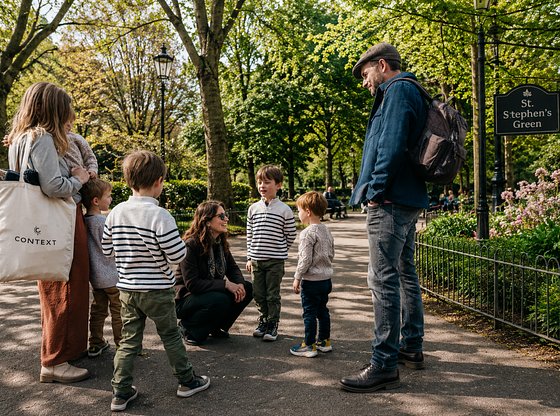
Kevin was so solid. He was ridiculously knowledgeable about all things Dublin, history, local culture, shopping, eh, you get the idea. He was funny and patient and handled the diverse interests of our small family group with zero concern on our part. He made relevant connections to our interests and travel history. Would surely be happy to have him assigned to us next time!
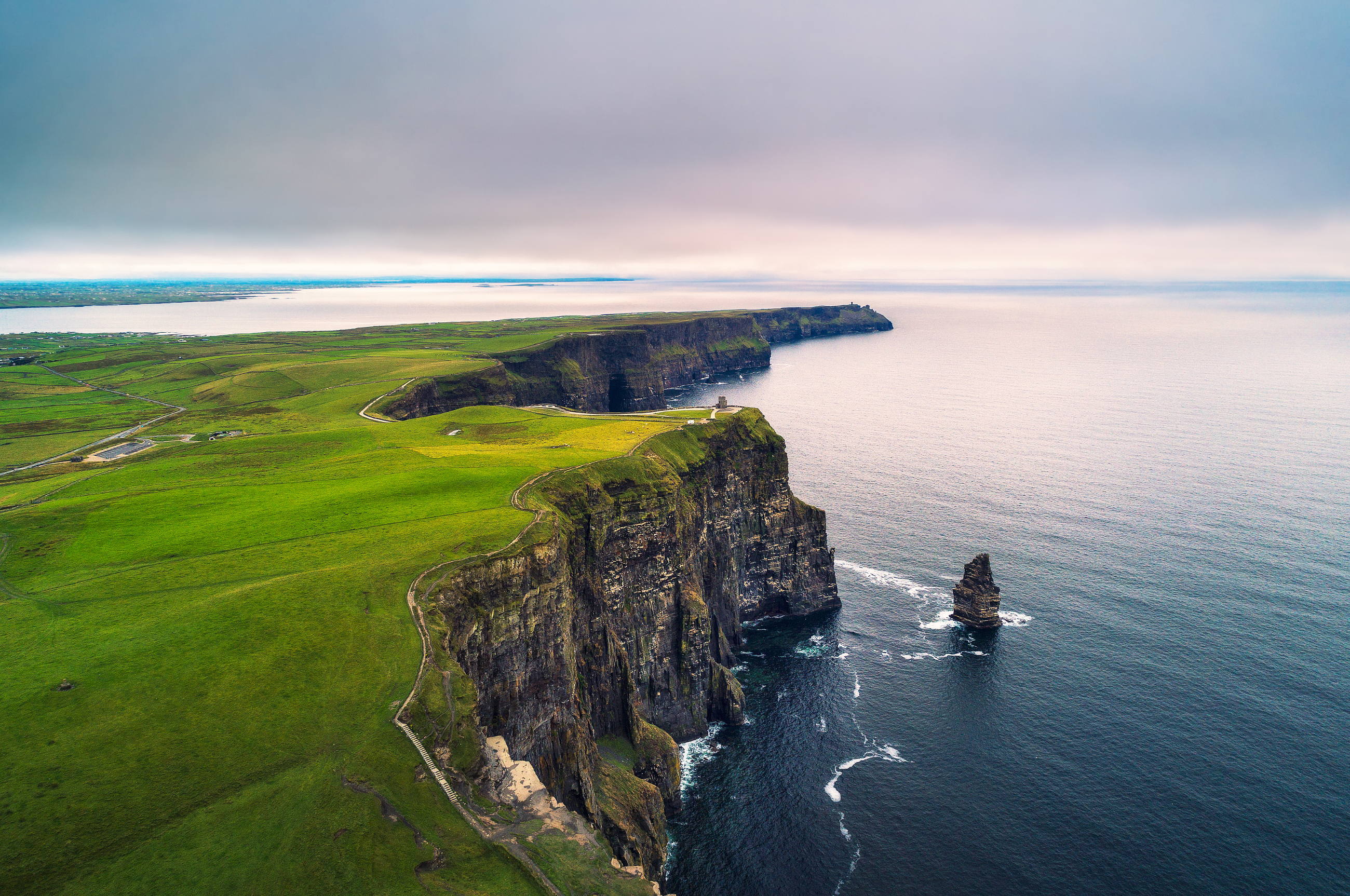
Ireland & Northern Ireland
Expert-led Ireland & Northern Ireland guided tours that turn culture, history, and local traditions into meaningful discoveries.
Dive into Ireland & Northern Ireland
Discover These Cities
The land of folklore and resistance awaits... Where will you go?
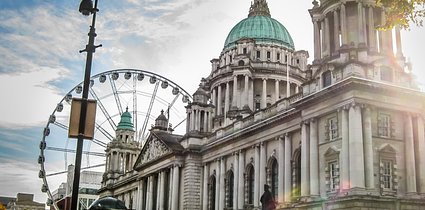
Belfast
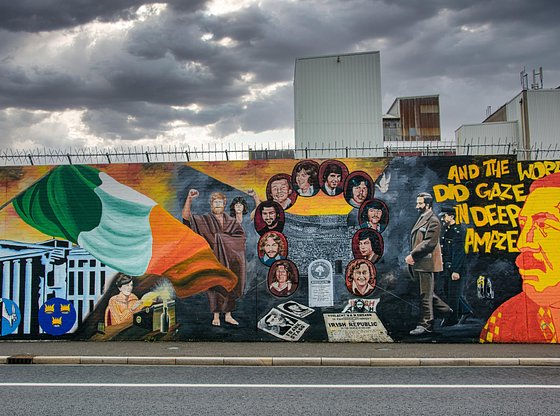
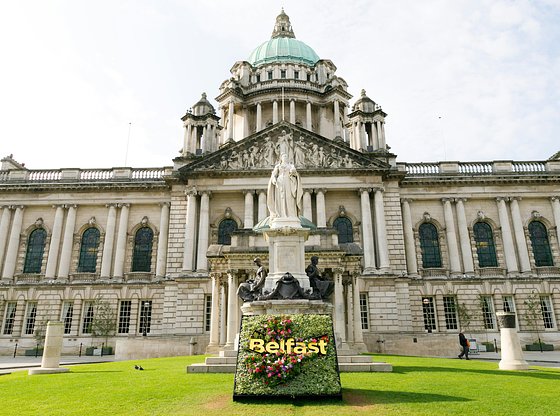
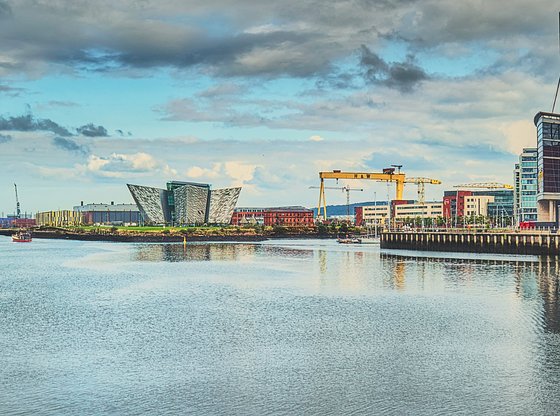
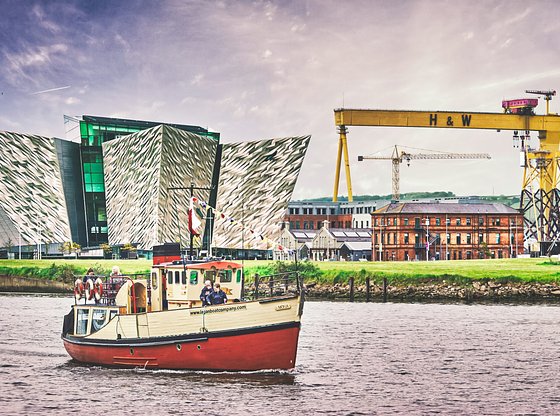
Shipyards, waterfront renewal, and contested history shape a city defined by memory and reinvention along the River Lagan.
%20-%202026-01-22T075503.323.png)
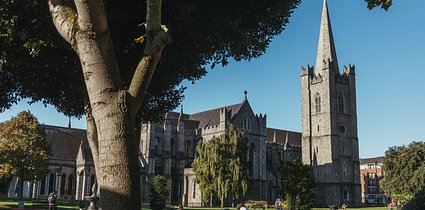
Dublin
Cobblestone lanes lay where Dublin’s literary genius and pub traditions form a city alive with great craic, wit and cultural life.
Let Your Curiosity Shape Your Journey
Join passionate experts on intimate walking tours that reveal a city's unique stories, spark conversations, and leave you seeing the world—and yourself—a little differently.

Experts, not guides
Explore with 1,200+ Experts, from historians and architects to chefs and archaeologists.
Crafted for conversation
With fewer than 12 guests, engage your Expert through questions and immerse fully.
Structured, never scripted
Your interests guide your Expert, leading to stories and perspectives that matter to you.
Curious or connoisseur
First-time visitor or seasoned explorer, our tours span city highlights to deep-dives.
Ireland & Northern Ireland, Seen with Context
Ireland isn’t just landscapes and lively pubs. Travel with an expert to uncover how storytelling, conflict, and identity shaped its history and culture.
Hear from our customers
Jennifer was a terrific, knowledgeable guide! She went above and beyond for us — gave us expert advice and insights on what to do in Dublin for the rest of our stay. She followed up with us with additional information for us after our tour was over. I highly recommend Jennifer!
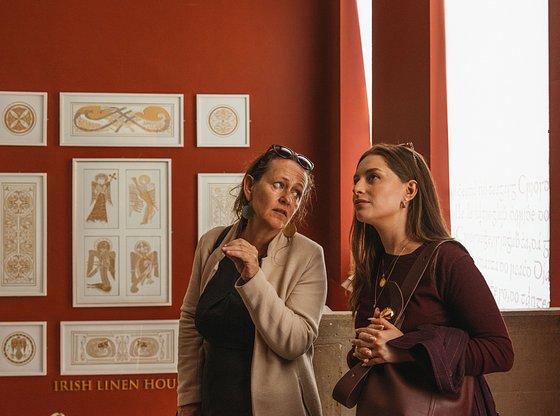
Kevin provided a succinctly curated tour of the impressive art and archeological collections at the museums. He expertly led us through the museums to highlight important works, and connected the significance and relevance of each to the others. We would have been overwhelmed without his guidance! Kevin gave us a solid introduction to the Book of Kells, but the Book of Kells Experience itself was a bit underwhelming. Maybe I misunderstood, but I expected a guide from Trinity College to lead a small group - instead we were herded with a very large group into the exhibit with no instruction, we didn’t realize there was an audio guide option until we were already in the exhibit. Unfortunately, the two pages of the Book on view today were manuscript, not illustrations, so they weren’t that interesting to view, especially in a crowd. The videos in the Red Pavillon were somewhat informative. It would have been helpful to view them before entering the exhibit. Kevin provided a thoughtful and customized tour of the museums, which we appreciated. We could have easily finished our tour after that and been satisfied.
Guided Tours of Ireland
Ireland is a place where history often feels close to the surface. It lives in language, music, memory, public monuments, churchyards, manuscripts, murals, pubs, and streets where political and cultural change unfolded within living memory. Dublin and Belfast offer two different ways into that story. Dublin reveals Ireland through literature, medieval learning, Georgian streets, independence movements, and food traditions shaped by land and sea. Belfast brings another perspective, shaped by industrial growth, shipbuilding, political conflict, resilience, and a complex relationship with both Ireland and the United Kingdom. The best guided tours of Ireland help travelers move beyond familiar symbols and into a deeper understanding of place. Context Travel’s Ireland tours are led by historians, literature specialists, art experts, food specialists, and local scholars who help connect what you see to the people, ideas, and events that shaped it. Whether you are visiting for the first time or returning with a specific interest, our tours are designed to help you understand Ireland through conversation, context, and careful storytelling.
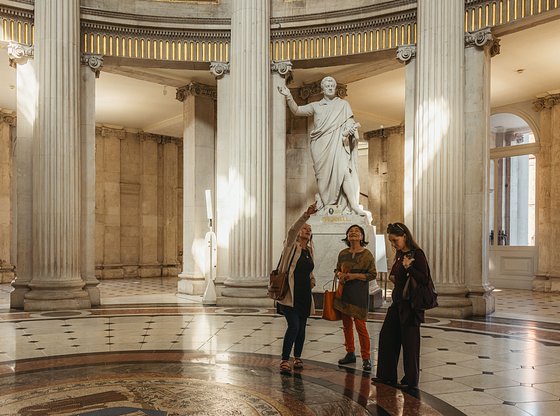
Dublin is the best starting point for many first-time visitors. It offers literature, medieval manuscripts, Georgian architecture, political history, museums, food culture, and easy access to other parts of Ireland.
Belfast offers a different and equally important perspective. It is especially rewarding for travelers interested in political history, industrial heritage, shipbuilding, murals, community memory, and the relationship between Ireland, Northern Ireland, and the United Kingdom.
If you have limited time, start with Dublin. If you want a fuller understanding of Ireland’s recent history and cultural complexity, add Belfast.
Ireland is rich in stories, but the best ones are not always the easiest to interpret on your own.
A street corner in Dublin may connect to revolution, literature, and colonial history at once. A manuscript may reveal the intellectual world of medieval Ireland. A mural in Belfast may carry community memory, political identity, and contested meaning.
Context Travel’s guided tours of Ireland are led by historians, literature specialists, art experts, chefs, and local scholars who help travelers understand not just what they are seeing, but why it matters.
Rather than following a fixed script, Context experiences are built around expert interpretation, thoughtful pacing, and conversation. Whether you are tracing the Easter Rising in Dublin, studying the Book of Kells, exploring Irish food traditions, or learning about Belfast’s layered history, the goal is to help you leave with a clearer, more human understanding of Ireland.
For travelers who want more than familiar Irish imagery and surface-level sightseeing, Context offers a deeper way to experience Ireland.
For many travelers, yes, especially in places where history, politics, and culture overlap.
Ireland can feel immediately welcoming, but its deeper stories are layered. A pub may be tied to literary history. A public square may carry the memory of rebellion. A church or manuscript may reveal centuries of religious and artistic life. In Belfast, even a neighborhood boundary or mural can hold multiple meanings depending on who is telling the story.
Guided tours help travelers approach these subjects with nuance and care.
Context Travel’s Ireland tours are designed for curious travelers who want to understand the forces that shaped Irish identity, from medieval learning and literature to independence, migration, food, and contemporary life.
If you want to come home with more than photographs and familiar references, many travelers find an expert-led tour well worth it.
What are the best guided tours of Ireland?
The best guided tours of Ireland depend on your interests. Dublin is especially strong for literature, medieval manuscripts, Irish independence, food, and cultural history. Belfast is essential for travelers interested in political history, industrial heritage, shipbuilding, murals, and modern identity. Many travelers also add countryside, coastal, or castle experiences to round out their trip.
What are the best places to visit in Ireland?
Dublin is the natural starting point for many first-time visitors, while Belfast offers a deeper understanding of Northern Ireland and recent political history. Beyond Context’s destinations, travelers often consider Galway for music and the west coast, Cork for food and maritime culture, Kilkenny for medieval streets, and the Ring of Kerry or Wild Atlantic Way for landscapes.
How many days do you need in Ireland?
Most travelers benefit from seven to ten days in Ireland. This allows time for Dublin, at least one additional city or region, and some countryside or coastal exploration. With a shorter trip, focus on Dublin and one day trip. With more time, add Belfast, Galway, Cork, or western Ireland.
Is Belfast worth visiting on a trip to Ireland?
Yes. Belfast offers an essential perspective on Ireland and Northern Ireland, especially for travelers interested in the Troubles, political identity, industrial history, and the Titanic story. It gives context that Dublin alone cannot provide.
Who offers the best private tours in Ireland?
The best private tours in Ireland are led by specialists who can adapt the experience to your interests. Context Travel offers private tours in Dublin and Belfast with historians, literature specialists, art experts, food specialists, and local scholars.
What is the best first trip to Ireland itinerary?
A strong first itinerary often includes Dublin, one western or southern region, and, if time allows, Belfast. Dublin gives cultural and historical grounding, the countryside adds landscapes and local traditions, and Belfast adds a more complete view of Ireland’s modern political complexity.