

Very knowledgeable tour guide
Rome Tours
Expert-led Rome walking tours that turn iconic sites into meaningful discoveries
Let Your Curiosity Shape Your Journey
Join passionate experts on intimate walking tours that reveal a city's unique stories, spark conversations, and leave you seeing the world—and yourself—a little differently.
Experts, not guides
Explore with 1,200+ Experts, from historians and architects to chefs and archaeologists.
Crafted for conversation
With fewer than 12 guests, engage your Expert through questions and immerse fully.
Structured, never scripted
Your interests guide your Expert, leading to stories and perspectives that matter to you.
Curious or connoisseur
First-time visitor or seasoned explorer, our tours span city highlights to deep-dives.
Rome, Seen with Context
Rome isn’t a city of monuments alone. Walk with an expert and discover how republics, empires, popes, and everyday Romans shaped the streets beneath your feet.
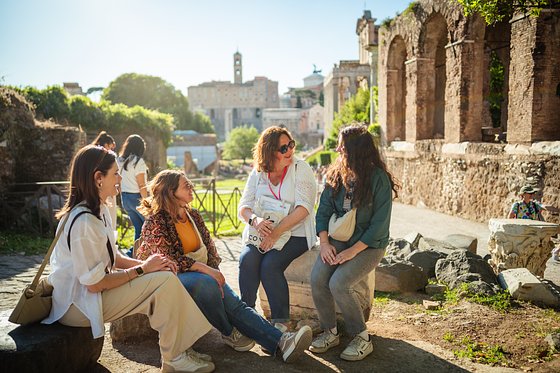
Small groups, capped at 10
Discover Rome with other curious travelers
Hear from our customers
Informative and friendly guide that made the Vatican art and history come to life. Highly recommend Cecilia!!
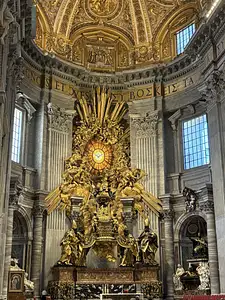
Giulia was an exceptional guide! She was incredibly knowledgeable and passionate about the history and significance of the Vatican and St Peter’s Basilica. She had a lovely personality and was enjoyable to spend 3 1/2 hours with today:-)!
Rome Private Guided Walking Tours
Rome isn’t just a city of landmarks. It’s a city of layers. Ancient, medieval, Renaissance, and modern histories all coexist, often within a single street. The challenge isn’t what to see. It’s how to make sense of it.
Best for First-Time Visitors
Start by building a framework. Rome can feel overwhelming without one.
Best for Ancient Rome
Understanding the Roman Empire changes how you see the entire city.
Best for Vatican & Art Lovers
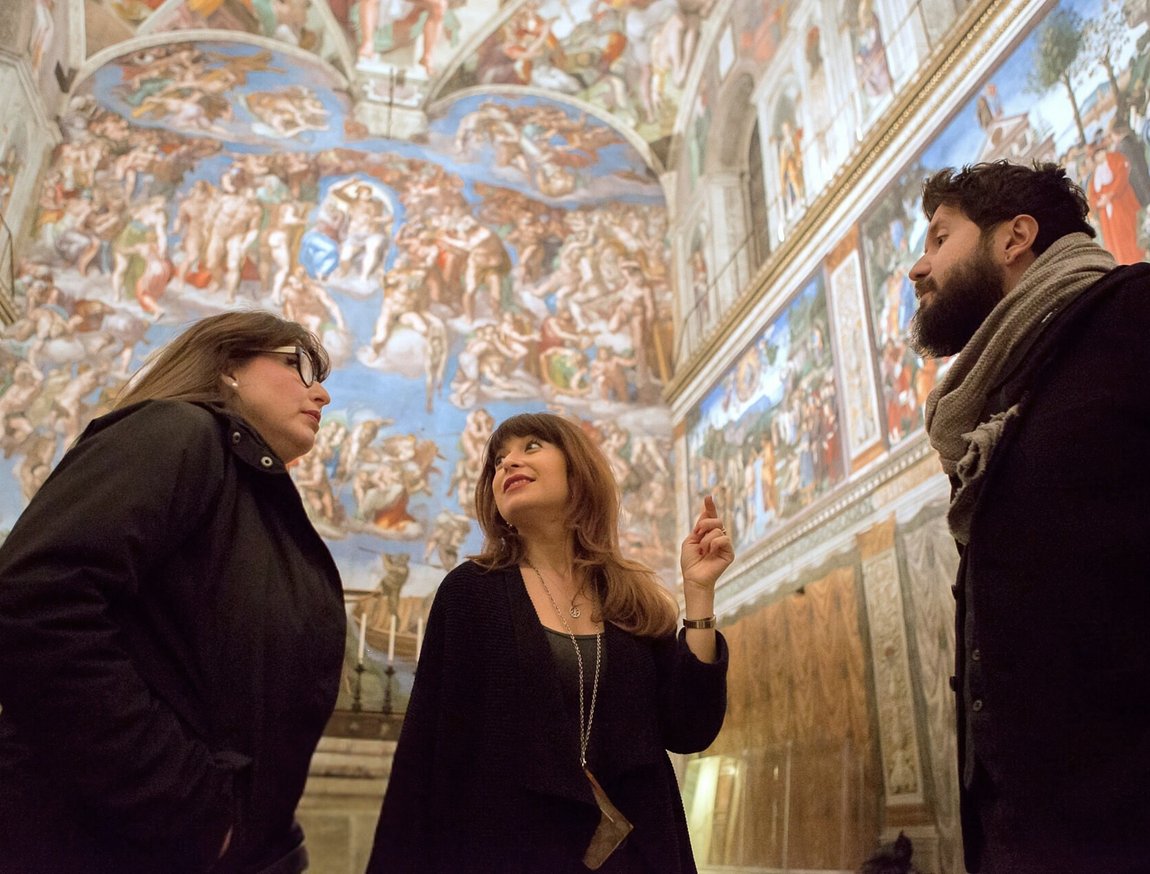
The Vatican holds one of the greatest concentrations of art in the world. Context is essential.
Best for History & Big Ideas
Rome is not just ancient, it’s a city of power, religion, and transformation.
Best for Neighborhood Exploration
Rome’s character is best felt at street level.
Best for Food & Culture
Roman cuisine reflects centuries of tradition and local identity.
Best for Families & Teens
Designed to bring history to life for younger travelers.
Best for Flexible, Self-Guided Exploration
Explore Rome at your own pace with expert insight.
How do you choose?
If you’re unsure where to start:
Short trip? → Rome in a Day + one major site
Love ancient history? → Colosseum + Forum
Art-focused? → Vatican (half or full day)
Food-driven? → Add a food or neighborhood tour
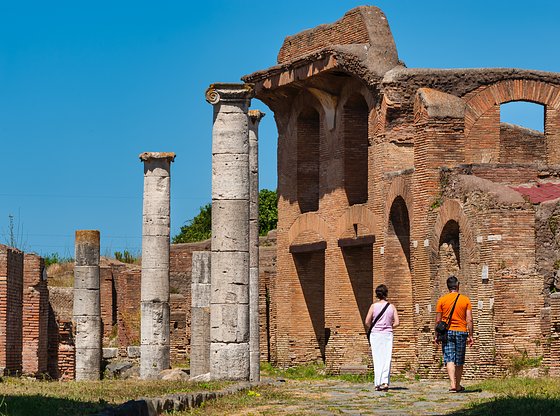
Have more time? → Explore Ostia Antica, Tivoli, Appian Way or Underground Rome
Short trip? → Rome in a Day + one major site
Love ancient history? → Colosseum + Forum
Art-focused? → Vatican (half or full day)
Food-driven? → Add a food or neighborhood tour
Have more time? → Explore Ostia Antica, Tivoli, Appian Way or Underground Rome
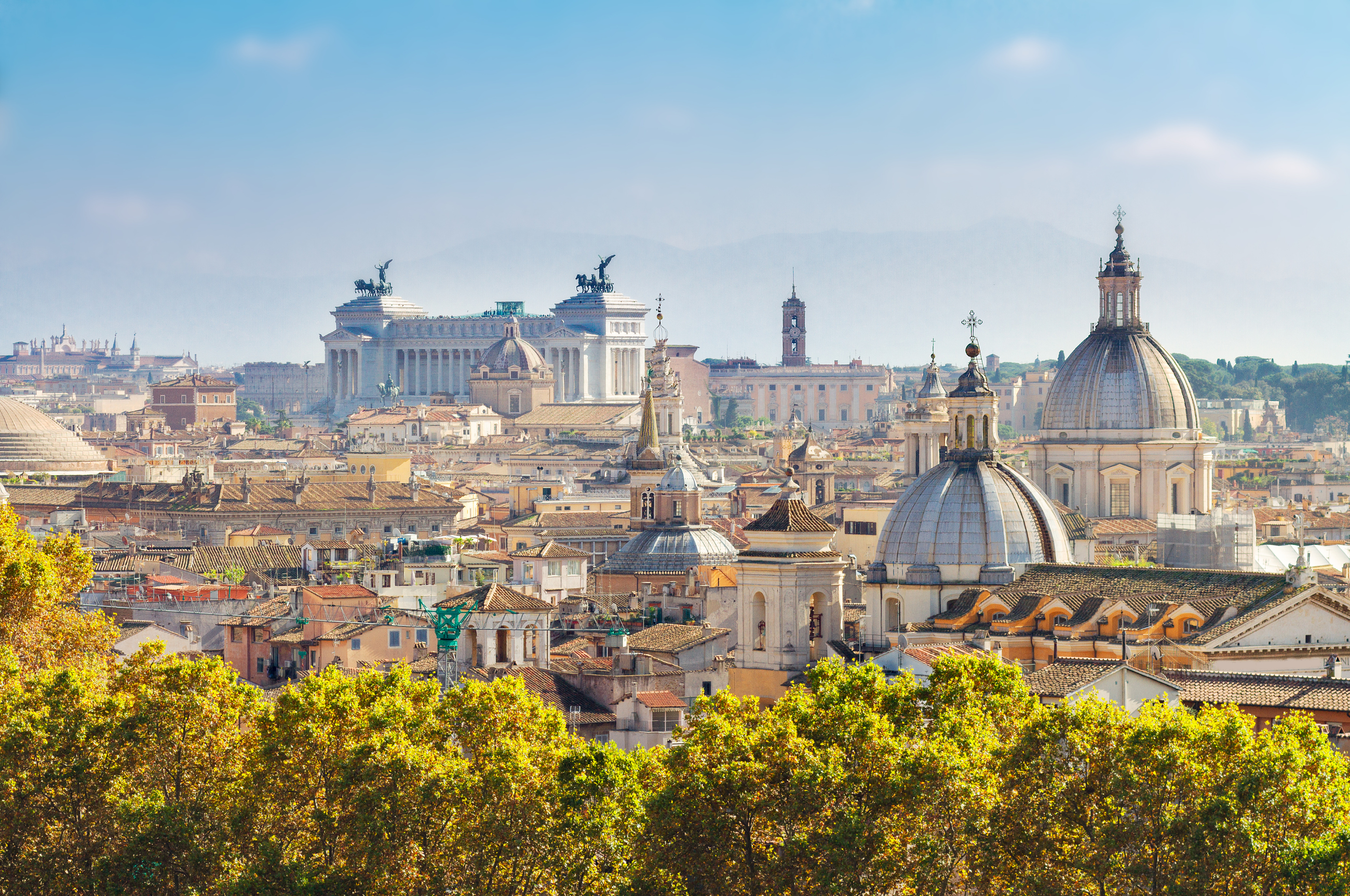
Rome sits along the Tiber River in central Italy, where more than two thousand years of history continue to shape the modern city. Once the capital of the Roman Empire, Rome became a center of political power, engineering innovation, and cultural exchange that influenced much of the ancient world. After the fall of the empire, the city evolved again as the seat of the Catholic Church, transforming Rome into a center of religious authority, Renaissance art, and Baroque architecture.
Today, Rome is both an archaeological landscape and a living capital. Ancient ruins stand beside churches, palaces, and vibrant neighborhoods where daily life unfolds around historic piazzas. Context Travel’s Rome tours are led by historians, archaeologists, and art historians who help travelers understand how imperial ambition, religious power, and artistic innovation shaped the city.
Rome is known for its ancient ruins, Renaissance and Baroque art, and its role as the center of the Roman Empire and the Catholic Church.
Ancient Roman History
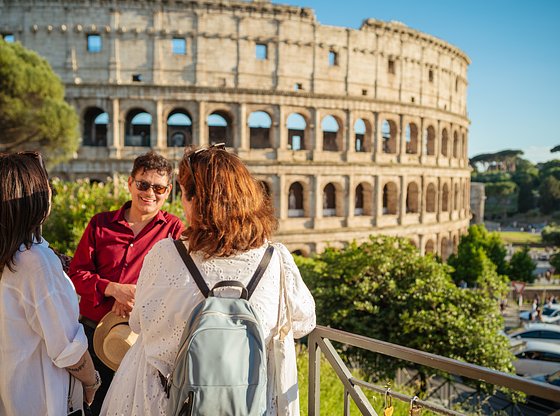
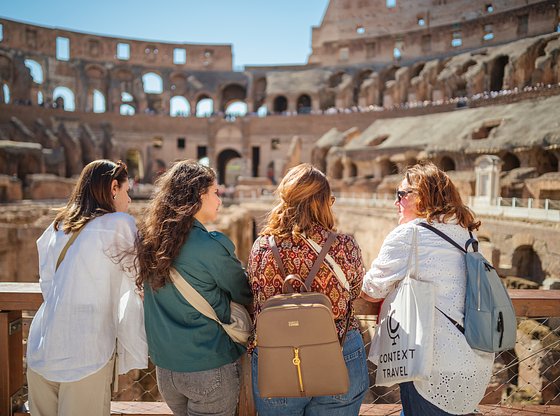
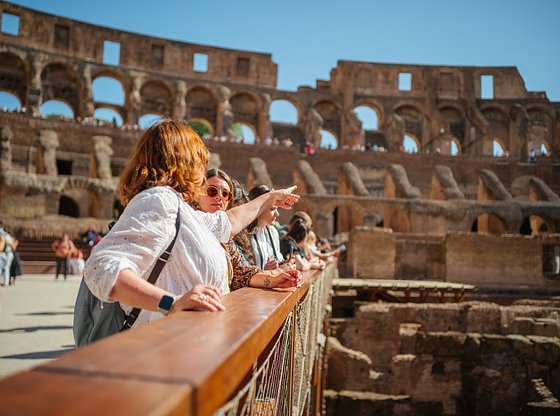
Landmarks such as the Colosseum, Roman Forum, and Pantheon reveal the political, engineering, and architectural achievements of the Roman Empire.
The Vatican and Papal Influence
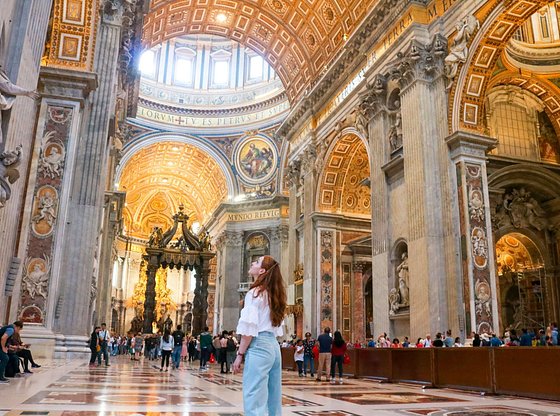
Rome is home to Vatican City, where St. Peter’s Basilica, the Vatican Museums, and the Sistine Chapel reflect centuries of religious authority and artistic patronage.
Renaissance and Baroque Art
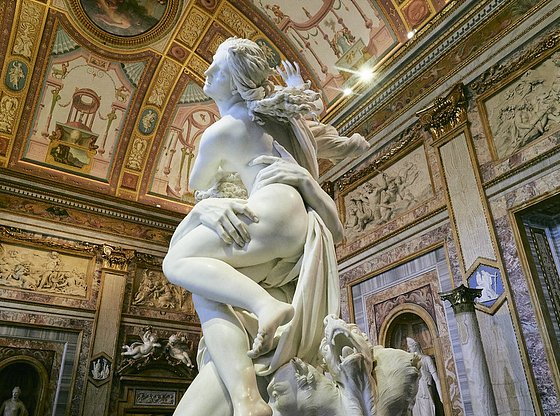
Artists such as Michelangelo, Bernini, and Caravaggio transformed Rome into one of Europe’s most important artistic capitals.
Archaeology and Urban Layers
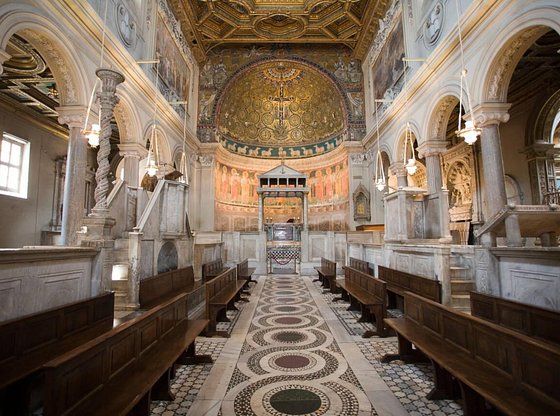
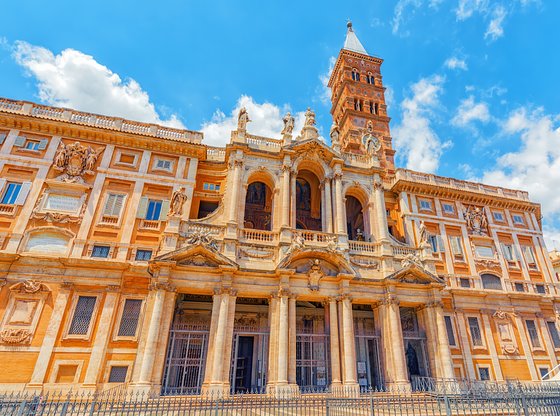
Roman streets, medieval churches, and Renaissance palaces exist side by side, revealing how the city evolved across centuries.
Food and Roman Culinary Culture
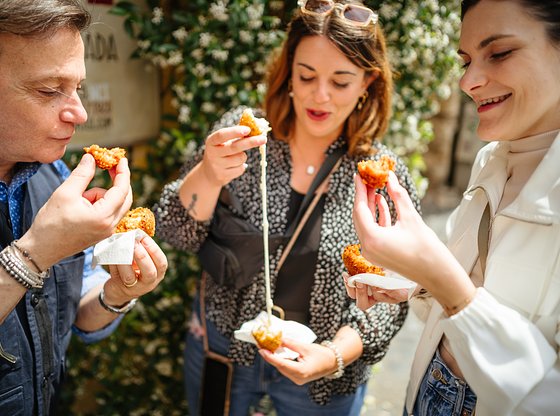
Rome’s cuisine reflects centuries of local traditions, from trattoria culture to classic dishes such as carbonara, cacio e pepe, and amatriciana.
For many travelers, it comes down to what kind of experience you’re looking for.
Context Travel’s Rome tours are designed for depth and clarity, led by historians, archaeologists, and art experts who help you understand not just what you’re seeing, but how it all connects. In a city like Rome, where history spans thousands of years, that context makes a meaningful difference.
We also offer a range of ways to explore depending on your travel style. Audio guides for independent travelers start under $20, small group tours begin around $140 per person, and private tours typically start around $350 for a more personalized experience.
If you want to move beyond surface-level sightseeing and truly understand Rome’s layers, from ancient empire to modern city, many travelers find that value well worth it.
Rome appeals to travelers interested in ancient history, art, architecture, and culinary culture. First-time visitors often begin with guided introductions to the city’s major archaeological sites and Vatican landmarks. Lifelong learners explore Rome’s museums, churches, and historic neighborhoods in greater depth, while repeat visitors discover the city’s food traditions and local districts that reveal the rhythms of everyday Roman life.
Rome’s historic center is highly walkable, though many major landmarks are spread across the city. Walking tours are often the best way to understand how ancient ruins, churches, and piazzas connect historically and geographically.
Most travelers spend three to four days in Rome, allowing time to explore major archaeological sites, Vatican landmarks, and historic neighborhoods. Many visitors also include day trips to destinations such as Tivoli or the Roman countryside.
Italian is the official language, though English is widely spoken in tourism areas. Italy uses the euro (€) as its currency.
Spring and fall are often considered the best times to visit Rome due to comfortable weather for guided tours.
Actively planning a trip to Rome? Grab our FREE Rome Travel Guide here.
How many days do you need in Rome?
Most travelers find 3 to 5 days ideal for Rome. This allows time to explore major sites like the Colosseum, Vatican Museums, and historic neighborhoods, while still leaving space for slower moments—meals, wandering, and discovery.
Are Rome walking tours worth it?
Yes. Rome’s history is dense and often invisible without context. Guided walking tours help travelers understand how ancient, medieval, and modern Rome overlap, turning ruins and churches into coherent stories rather than isolated sights.
Is Rome a walkable city?
Rome is highly walkable, especially within the historic center. While distances between major sites can be longer than expected, walking is often the best way to experience the city’s layers, details, and unexpected connections.
What is the best way to see Rome for the first time?
A guided orientation or city overview tour is one of the best ways to start. It helps you understand Rome’s geography, timelines, and cultural rhythms, making the rest of your visit more meaningful and easier to navigate.
Are private tours better than group tours?
Private tours offer flexibility, customization, and deeper discussion, especially for travelers with specific interests in art, archaeology, or history. Small-group tours can also work well when they are intentionally capped and led by expert guides.
Do I need skip-the-line tickets in Rome?
For popular sites such as the Colosseum, Vatican Museums, and St. Peter’s Basilica, advance tickets are strongly recommended, particularly during peak travel seasons. Guided tours often include timed entry to reduce waiting.
Is Rome suitable for families?
Yes. Rome is a rewarding destination for families when experiences are paced thoughtfully. Family-friendly walking tours use storytelling and observation to engage children while still offering depth for adults.
Is Rome safe for travelers?
Rome is generally safe, especially in central areas frequented by visitors. As with any major city, travelers should be mindful of their belongings in crowded areas. Local guides can also help navigate neighborhoods confidently and responsibly.
What language is spoken in Rome?
Italian is the primary language spoken in Rome. While English is widely understood in tourism settings, learning a few basic Italian phrases is appreciated and can enhance daily interactions.
What is the best time of year to visit Rome?
Spring (April–May) and fall (September–October) are often considered the best times to visit, offering comfortable weather and fewer crowds than summer. Winter is quieter and ideal for museum-focused travel, while summer brings longer days but heavier tourism.