Belfast is a city of sharp contrasts and long memory. In a single day, trace how it grew from a powerhouse of industry to a place marked by conflict, and how it continues to evolve today. With a local expert guiding you, the story unfolds with clarity, connecting places, people, and events into a narrative that makes the city legible.
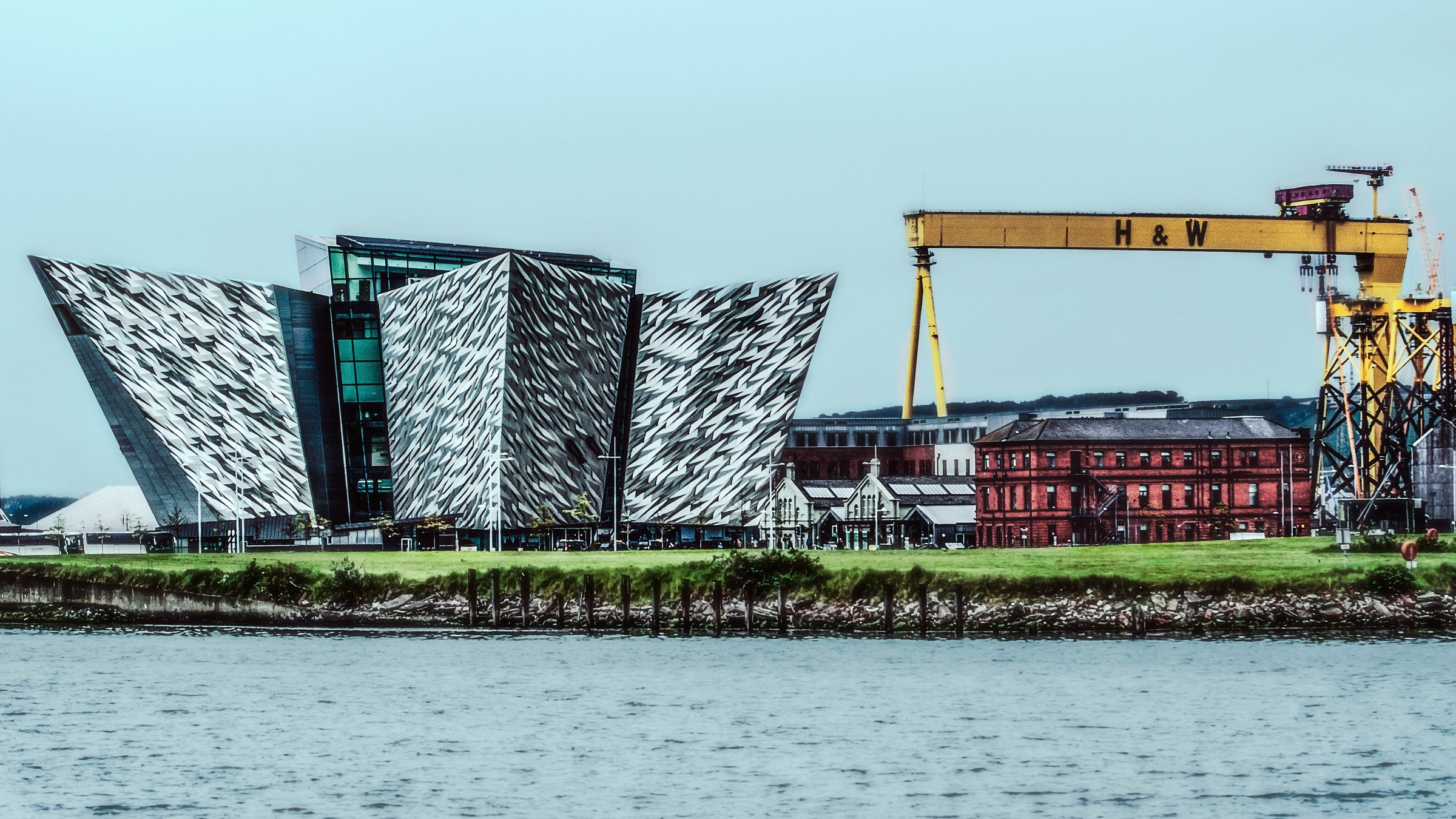
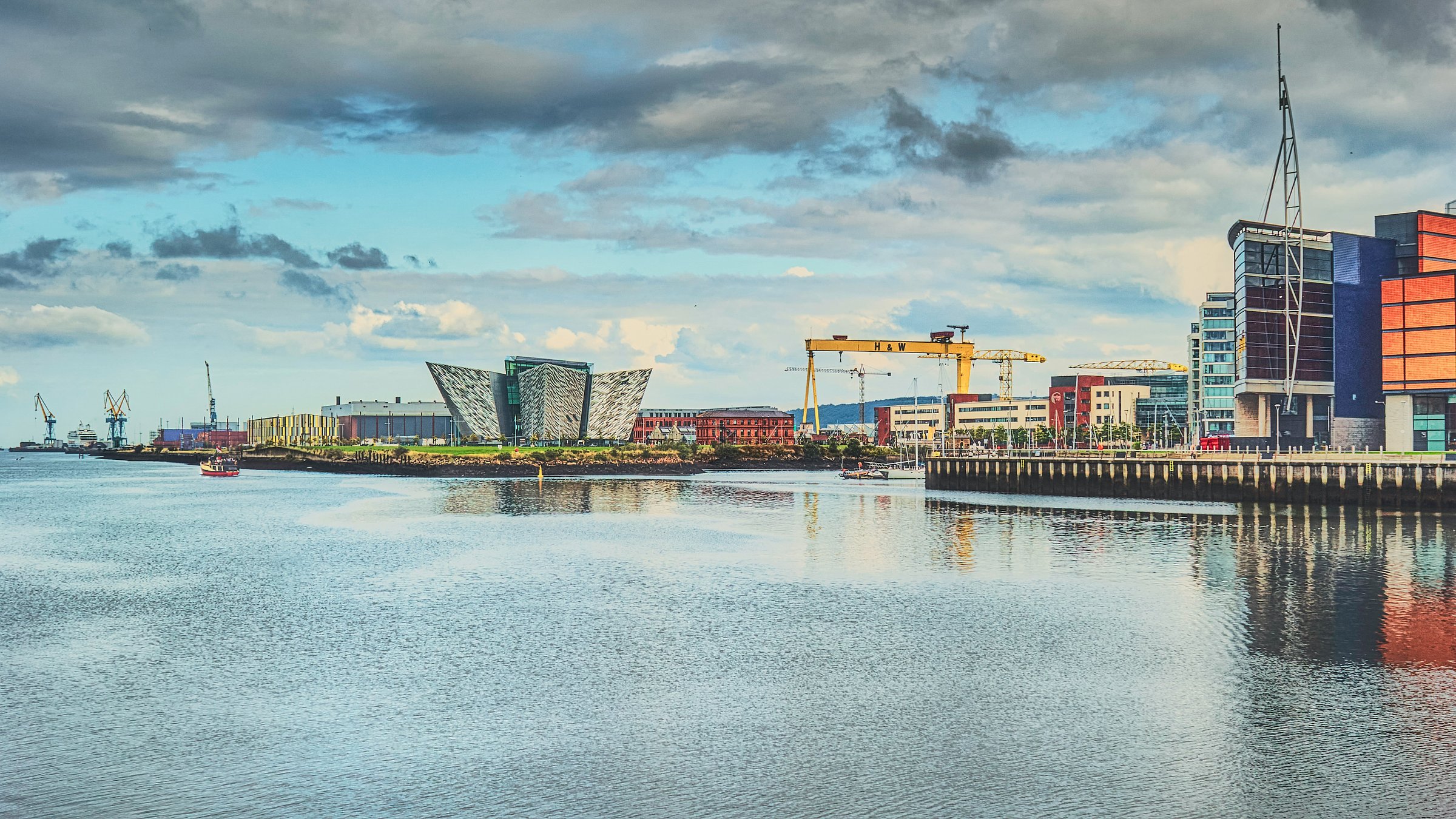
Begin in the Titanic Quarter, where shipbuilding defined Belfast’s economy and global reputation. At the slipways where the RMS Titanic was built, explore how industry shaped both ambition and identity, and how one disaster became part of its legacy.
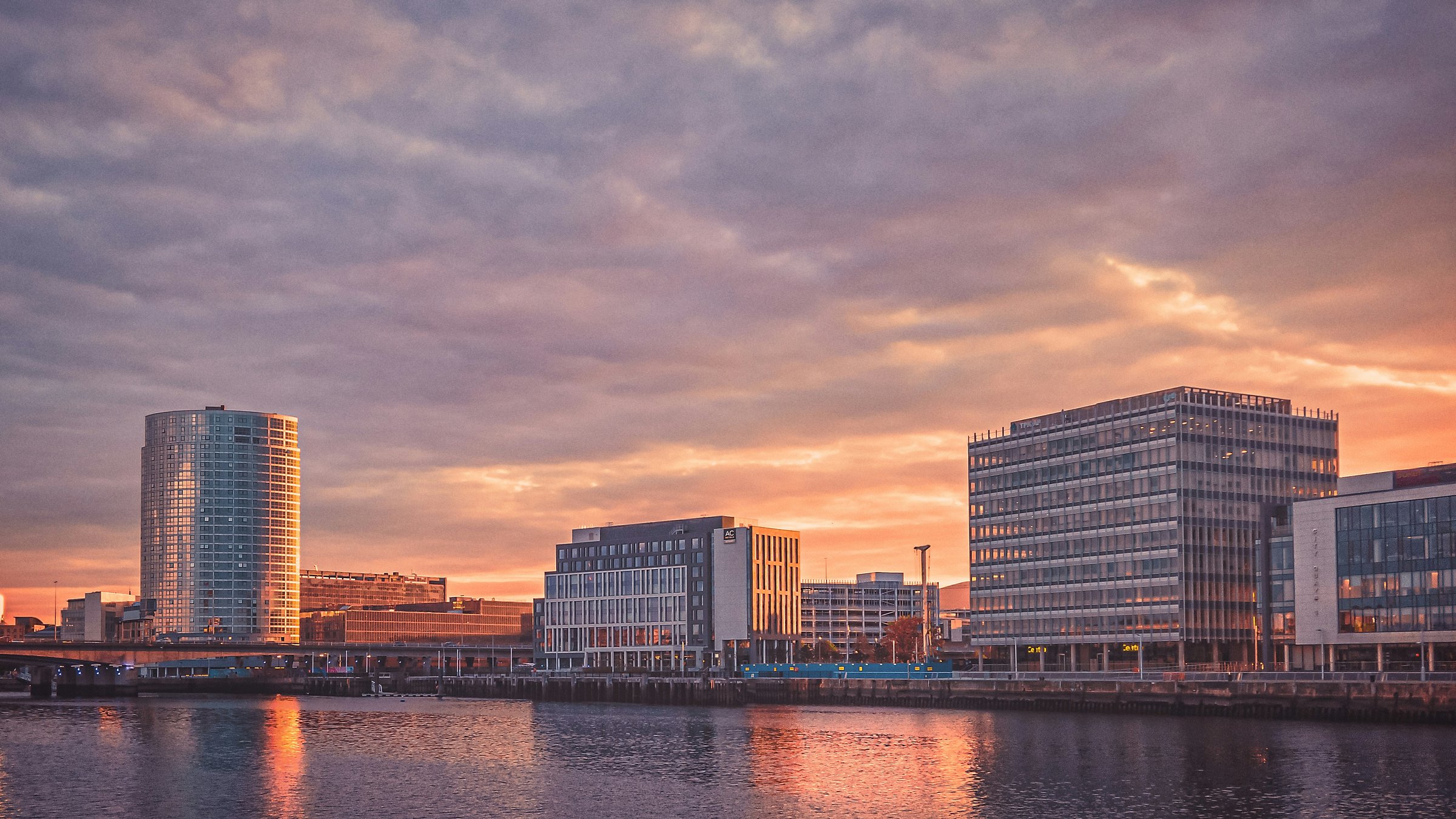
From there, continue into the Linen Quarter, where another industry drove Belfast’s rise. Textile production transformed the city into a commercial hub, linking local labor to international markets. Your guide draws connections between these industries, revealing how they shaped both opportunity and inequality across the city.
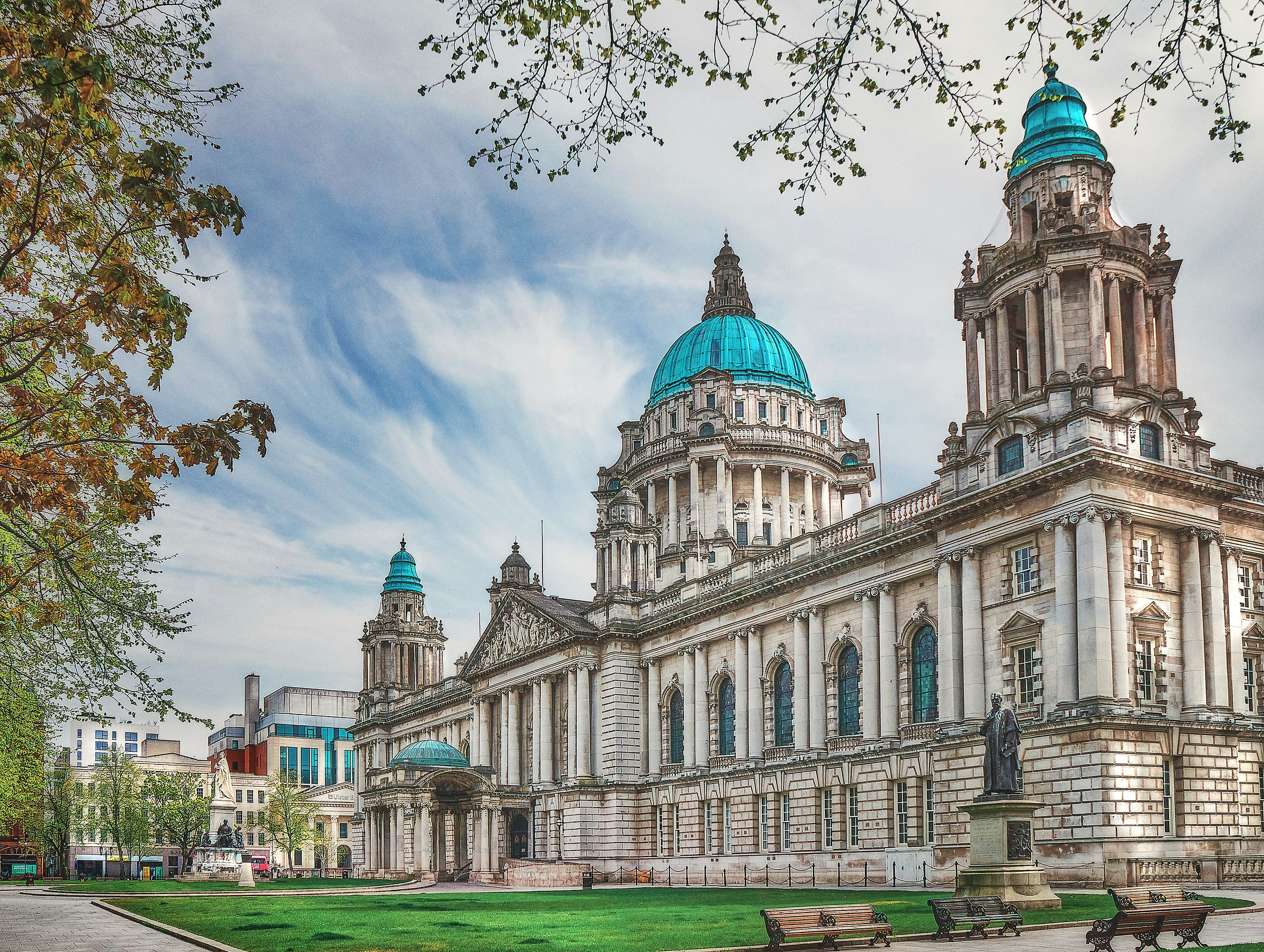
In the Cathedral Quarter, the focus shifts toward more recent history as social, religious, and political tensions come into view, setting the stage for the conflict that followed. Moving through the City Centre, your expert builds a clear framework for understanding the origins and impact of the Troubles, tracing its deeper roots and everyday effects so you can connect cause, consequence, and lived experience.
At St Anne’s Cathedral, attention turns to how Belfast has approached remembrance and reconciliation. The space opens a conversation about dialogue, memory, and the ways communities continue to navigate within a city shaped by a divided past.
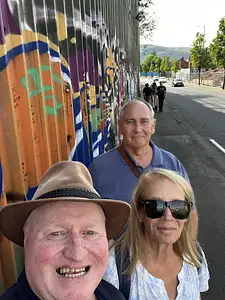
The day concludes at the Peace Wall, where the physical realities of division remain visible. It is a place to consider both the legacy of separation and the progress made since the Good Friday Agreement, leaving you with a fuller understanding of Belfast as it is today.
.jpg)
.jpg)