Excellent!!!
Nara Day Trip from Kyoto
Discover why Nara helped shape Japan's early identity
The Finer Details
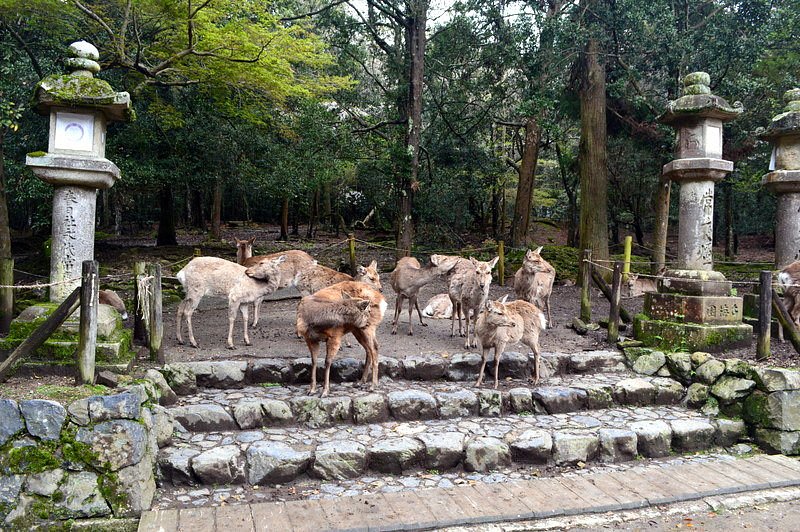
Just a short train ride from Kyoto lies quaint Naramachi, or Nara, home to Japan's largest bronze Buddha and famous for its wild deer. In this Nara tour, a day trip from Kyoto, we'll join a local guide visiting key temples such as Todai-ji, Kasuga Shrine, and Kofuku-ji and learn about the Nara period in Japanese history. Of course, we'll also drop in on the deer, famous for their comfort around humans—we may even walk up and feed a few.
Nara Tour - Cradle of Japanese Culture
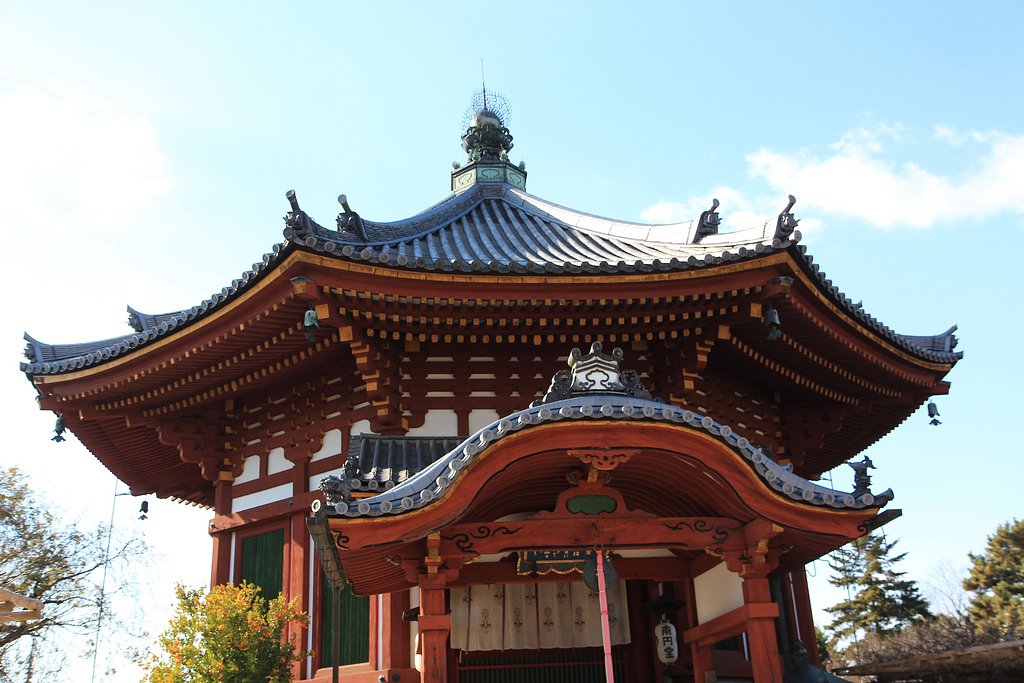
Our history lesson might begin at Temple Kofuku-ji, which has two pagodas and four great halls, inside one of which is a gleaming gilded Buddha. Although Kofuku-ji dates back to 669 (when it was built by a woman hoping her husband would recover from illness), the temple was actually built in Kyoto and then moved to Nara in 710. We will visit the Central Golden Hall (also known as ‘Chukondo’), which is the main building of Kofukuji. Originally built in the Tenpyo era, the Central Golden Hall was destroyed by war and fire, and it was rebuilt in 2018.
Kasuga Shrine
We'll also visit Kasuga Shrine (Kasuga-taisha), a Shinto shrine dedicated to protecting the city of Nara. The shrine has thousands of stone lanterns lining its entry path, and within are hundreds of bronze lanterns, donated by worshippers. Anyone who has visited Fushimi Inari Shrine in Kyoto will immediately recognize Kasuga Shrine’s orange torii gates.
The Giant Buddha
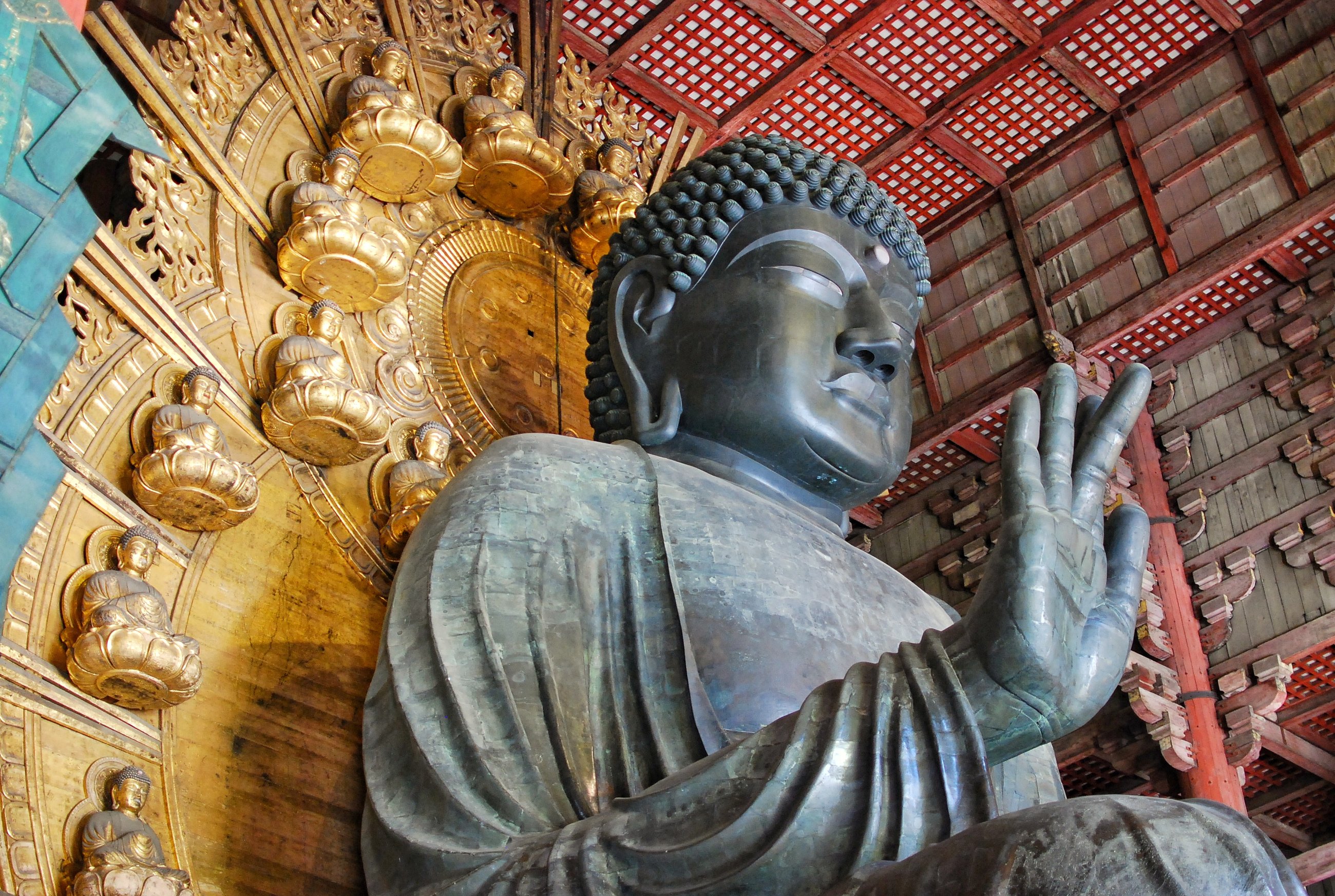
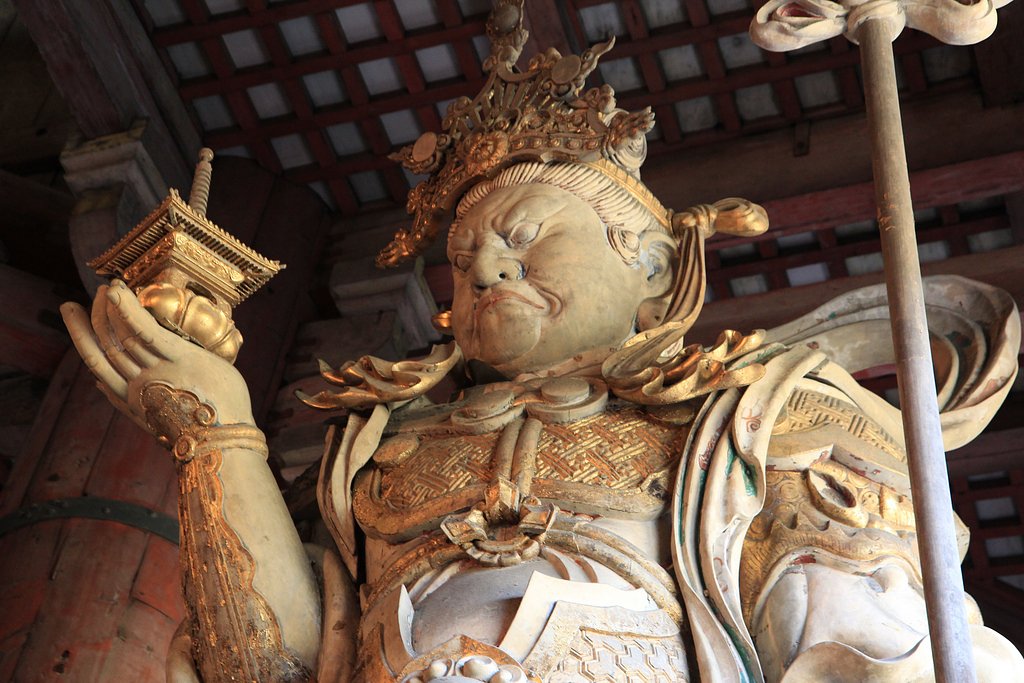
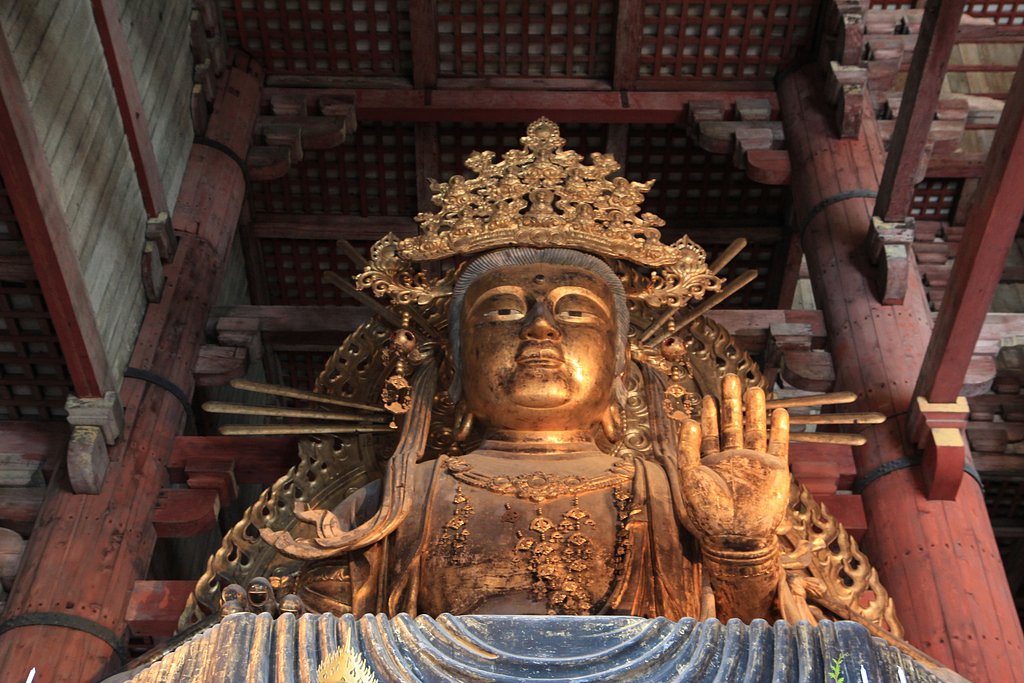
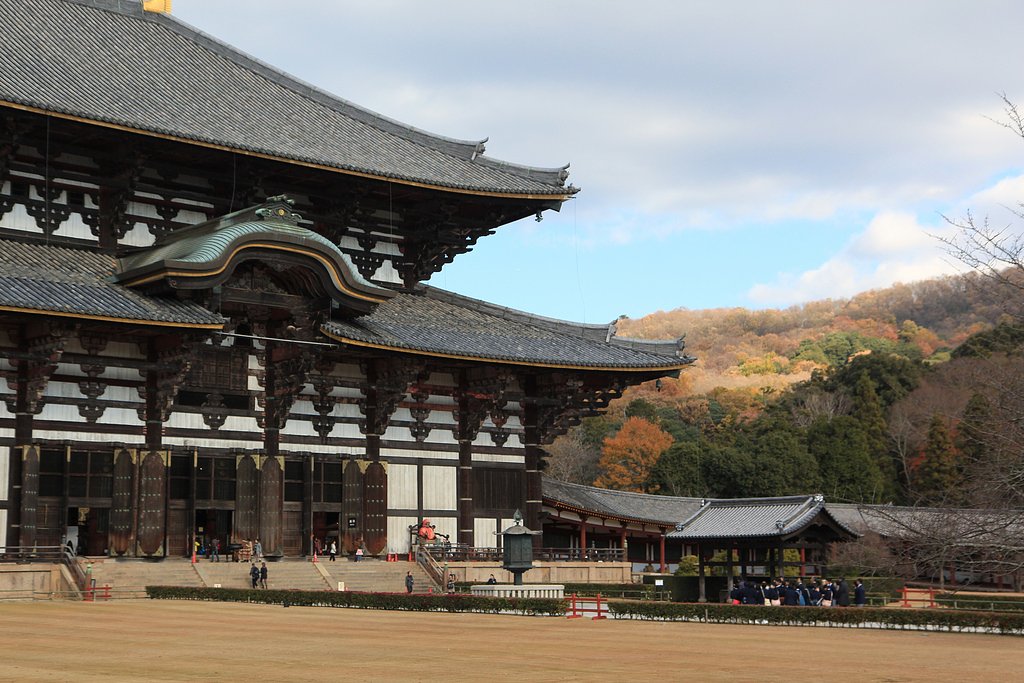
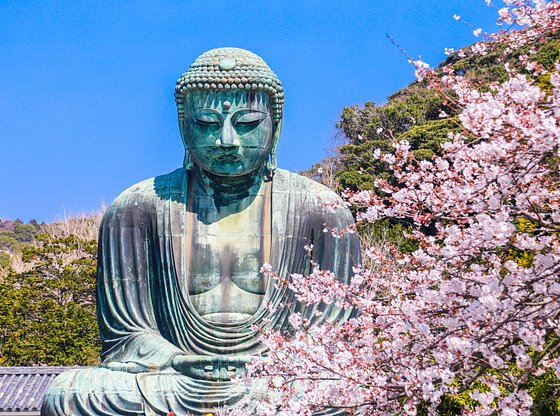
Our Nara tour wraps up at the temple Todai-ji, a Buddhist temple dating back to 750. It's home to the world’s largest Bronze Buddha Vairocana (a celestial Buddha). In Japanese, this Buddha is known simply as “Giant Buddha” (Daibutsu). It’s believed that more than 350,000 people worked on the Great Buddha’s construction. Todai-ji is the last stop on our tour, but we encourage you to have lunch or spend some of the afternoon visiting Nara's other attractions.
Take Aways
After our visit, we will have a better understanding of the importance of this historical city and the relevance of its temples and shrines.
Meet the Experts












Where You’ll Go
From iconic landmarks to tucked-away local favorites, these are the places you’ll explore and experience firsthand with your Expert.
-
Kofuku-ji
-
Kasuga Shrine
-
Todai-ji
What’s Included As Standard
Here’s a look at what your tour covers, plus anything you’ll want to consider arranging separately, so you can plan with confidence.
Included
-
English-speaking expert guideTours led in English, offering you unbroken understanding throughout.
-
Intentionally sized groupsA smaller group means more time for conversations and questions.
-
Tickets and entrance feesAll entry tickets included (unless clearly stated otherwise).
-
HeadsetsHeadsets are included on tours that need them, so every word can be heard.
Not Included
-
Food and drinkUnless booking a Food & Drink tour or tasting experience, refreshments are not included.
-
Transportation to and from the meeting pointUnless noted, pre- and post-tour transport isn’t included - this service can be added by request.
-
GratuitiesTips aren’t included, but we encourage tipping as a way to thank your guide after your experience.
-
Hotel pickup or drop-offUnless noted, travel to or from accommodation isn’t included - this service can be added by request.
Where You'll Explore
Make the Most of Your Tour
Some helpful advice for getting the most from your experience, from practical prep to small on-the-day tips.
Dos:
- Wear comfortable footwear
- Check the weather and dress appropriately
- Bring a bottle of water (no glass)
- Feel free to ask your Expert anything
Don'ts:
- Bring firearms or weapons
- Bring sharp objects (e.g. knives, swiss army knives, switchblades, hiking sticks)
- Dress inappropriately to enter religious sites or sacred monuments
Any questions? You can always
contact us.
Frequently Asked Questions
We meet near Kyoto Station. The tour ends in Nara. You can return to Kyoto after the tour (the guide usually returns after the tour) or stay and get lunch and explore Nara on your own.
No, the JR Pass trains will take you to a further (and different) station, extending unnecessarily the tour duration and disrupting the tight schedule. The Kintetsu train instead, is a lot more convenient for reaching the places that you visit on the tour. By booking our walks, all clients must adhere to our procedures to ensure the success of the tour. As this is a walking-intensive tour, using the Kintetsu train line is the best solution.
A one-way train ticket from Kyoto and Nara is included in the price of the tour, which will be bought for you by your guide on-site. We intend to allow you to have the opportunity to stay and explore Nara on your own after the tour ends.
Yes. Context clients generally tip anywhere from 10-25% of the purchase price of a personal service such as this, depending on the quality of the experience and their tipping habits.
Book with confidence — see Context's flexible cancellation policy here.
Don’t just take our word for it
Miyo was a great tour guide. Her English is amazing. It was nice to get a Japanese perspective on Nara and our questions. She was very knowledgeable and friendly. We enjoyed our time with her even though the weather did not cooperate
Wonderful day trip, well worth the time!
Let Your Curiosity Shape Your Journey
Join passionate experts on intimate walking tours that reveal a city’s unique stories, spark conversations, and leave you seeing the world—and yourself—a little differently.
Structured, never scripted
Your interests guide your Expert, leading to stories and perspectives that matter to you.
Crafted for conversation
With 12 or fewer guests, ask questions, engage with your Expert, and fully immerse yourself.
Experts, not guides
Explore with 1,200+ Experts—from historians and architects to archaeologists and chefs.
You May Also Be Interested In…

Discover Japan's First Capital on a Day Trip from Kyoto
A visit to Nara is often remembered for its friendly deer, but the city played a far more significant role in Japanese history.
On this private Nara day trip from Kyoto, you'll explore the country's first permanent capital, where Buddhism, Shinto, and imperial government helped shape the foundations of Japan. Traveling with a Context Expert, you'll move through temples, shrines, and sacred landscapes that reveal why Nara became one of the nation's most influential cities.
By the end of the day, the famous deer become only one part of a much larger story.
Why Visit Nara from Kyoto?
While Kyoto became Japan's imperial capital for more than a thousand years, Nara came first. During the eighth century, many of the political, religious, and artistic traditions that later flourished in Kyoto were established here.
Visiting both cities provides a deeper understanding of how Japanese history developed rather than treating them as separate destinations.
Travel Easily from Kyoto
One of the advantages of this experience is that your transportation is already planned.
Your Expert meets you at Kyoto Station before traveling together by train to Nara. Rather than navigating unfamiliar stations, comparing rail routes, or deciding which sites to prioritize, you can focus on understanding the city itself.
The return journey remains flexible. Many guests choose to stay in Nara after the tour for lunch or additional exploration before returning independently to Kyoto.
Meet Nara's Sacred Deer
Nara's deer are among Japan's most recognizable animals, but their significance is religious as much as cultural.
According to tradition, the deity enshrined at Kasuga Taisha arrived riding a white deer, and the animals have been regarded as sacred messengers ever since. Today, they continue to roam freely throughout Nara Park, connecting visitors with centuries of local belief.
Your Expert explains how these traditions developed and why the deer remain closely associated with the city's identity.
Explore Kofuku-ji
Kofuku-ji introduces the political and religious ambitions of early Nara.
Originally founded in the seventh century before relocating to Nara when the capital moved in 710, the temple became closely connected with the powerful Fujiwara clan. Its pagodas, reconstructed Central Golden Hall, and Buddhist sculptures illustrate the growing influence of Buddhism within Japan's first permanent capital.
Your Expert places the temple within the wider story of state formation and religious patronage.
Visit Kasuga Taisha
Kasuga Taisha offers a different perspective on Nara's sacred landscape.
Approaching the shrine beneath rows of stone lanterns, you'll encounter one of Japan's most important Shinto sanctuaries. Thousands of bronze and stone lanterns donated over centuries demonstrate the enduring relationship between worship, community, and civic identity.
The shrine also provides an opportunity to compare Shinto traditions with the Buddhist sites visited elsewhere during the day.
See the Great Buddha at Todai-ji
Todai-ji houses one of Japan's most extraordinary religious monuments.
Its Great Buddha, or Daibutsu, remains the world's largest bronze image of Vairocana Buddha. Commissioned during the eighth century, the project required enormous financial, artistic, and political resources, demonstrating the close relationship between Buddhism and the early Japanese state.
Standing before the statue, your Expert explains why the monument became a symbol of both spiritual devotion and imperial authority.
Understand the Nara Period
The Nara Period (710–794) marked a turning point in Japanese history.
Permanent government institutions developed, Buddhism became closely linked with the state, diplomatic exchange with China expanded, and many artistic traditions matured.
Rather than memorizing dates, you'll see how these developments appear in architecture, sculpture, urban planning, and religious practice throughout the city.
Compare Buddhism and Shinto
Nara offers one of Japan's clearest introductions to both major religious traditions.
By visiting Buddhist temples alongside an important Shinto shrine, you'll better understand how these belief systems developed together rather than existing as completely separate traditions.
Your Expert explains rituals, architecture, sacred imagery, and religious customs through the places where they are still practiced today.
A Private Day Trip Designed Around You
This is a private experience rather than a fixed group itinerary. Your Expert can adapt the discussion according to your interests, whether you're especially curious about Buddhism, Japanese history, architecture, politics, religion, or cultural traditions.
Questions are encouraged throughout the day, allowing the experience to become an ongoing conversation rather than a scripted presentation.
Led by a Japan History Expert
Your tour is led by a scholar or historian with expertise in Japanese history, religion, archaeology, or cultural heritage.
Rather than presenting isolated facts at each monument, your Expert connects the sites into one historical narrative, helping you understand why Nara remains essential for interpreting the rest of Japan.
Frequently Asked Questions
Is Nara worth visiting from Kyoto?
Yes. Nara is one of Japan's most rewarding day trips because it combines major Buddhist temples, Shinto shrines, historic monuments, and Nara Park within a compact area. It also introduces the country's first permanent capital, providing historical context that complements a stay in Kyoto.
How far is Nara from Kyoto?
Nara is less than an hour from Kyoto by train, making it an easy day trip. Your Expert meets you at Kyoto Station and travels with you to Nara.
Is transportation included?
Your Expert accompanies you from Kyoto Station to Nara, purchasing the one-way train tickets used for the planned route. Because the itinerary is carefully timed around a specific railway line, guests should use the tickets provided for the tour rather than alternative rail passes.
Do we return to Kyoto with the guide?
The guided portion ends in Nara. You're welcome to return to Kyoto with your Expert or remain in Nara to enjoy lunch, shopping, or further sightseeing before traveling back independently.
Which sites are included?
The tour visits Kofuku-ji, Kasuga Taisha, Todai-ji, and Nara Park.
Does the tour include the Great Buddha?
Yes. You'll visit Todai-ji and see the Daibutsu, the world's largest bronze Vairocana Buddha and one of Japan's most important Buddhist monuments.
Do we feed the deer?
You'll have opportunities to observe and interact with the deer in Nara Park. If deer crackers are available for purchase, your Expert can explain the local customs and help you enjoy the experience responsibly.
Are entrance fees included?
Yes. Admission to Kofuku-ji, Kasuga Taisha, and Todai-ji is included in the tour price.
Is lunch included?
No. The tour concludes in Nara, allowing you to choose where to have lunch or continue exploring before returning to Kyoto.
Is this tour suitable for first-time visitors to Japan?
Yes. The experience provides an excellent introduction to early Japanese history and religious traditions, making it especially valuable early in a trip to Japan.
Is this tour suitable for children?
Yes. Although it isn't specifically designed as a family tour, children are welcome. The deer, temples, and open spaces often make Nara especially enjoyable for younger travelers.
How much walking is involved?
The tour includes moderate walking through Nara Park and between temples and shrines. Comfortable walking shoes are recommended.
Is the tour accessible?
The standard route includes walking across park paths and temple grounds, but it can often be adapted for guests with mobility concerns. Please let Context know your requirements before booking so your Expert can adjust the route where possible.
What makes this different from visiting Nara independently?
Traveling independently makes it easy to see the deer and famous monuments, but much harder to understand why they matter together. Your Expert connects Nara's temples, shrines, political history, and religious traditions into one clear story while handling the day's logistics.