Sintra contains more palaces, symbols, and architectural styles than most visitors can comfortably absorb in one visit. This private Sintra tour offers a focused introduction through two contrasting residences: the National Palace of Sintra and Biester Palace.
At the National Palace, centuries of royal life emerge through painted ceilings, decorative symbols, and a blend of Moorish, Manueline, and Mudéjar influences. Biester Palace shifts the story into the Romantic era, where architecture, art, and spiritual symbolism create a more private and mysterious world.
Between them, a walk through Sintra’s historic center reveals why Portugal’s rulers, aristocrats, and writers were drawn to this misty mountain retreat. With a Context Expert connecting each setting, four hours feel substantial without consuming your entire day.
Why Choose a Half-Day Sintra Tour?
Sintra is close enough to Lisbon for a focused visit, but its many palaces can make planning difficult. Trying to see too much often means spending the day moving between sites without understanding any of them particularly well.
This Sintra half-day tour takes a more considered approach. Rather than racing through a checklist, you explore two palaces that reveal distinct periods in Sintra’s history, with time to notice the architecture, symbols, and personalities behind them.
Tickets and route planning are handled, allowing you to concentrate on the experience. The four-hour format also leaves part of your day free for
Lisbon, independent exploration, or other plans.
What Will You See on This Sintra Tour?
The tour combines the National Palace of Sintra, the historic center, and Biester Palace. Together, they create a clear progression from medieval royal life to the imaginative world of nineteenth-century Romanticism.
National Palace of Sintra
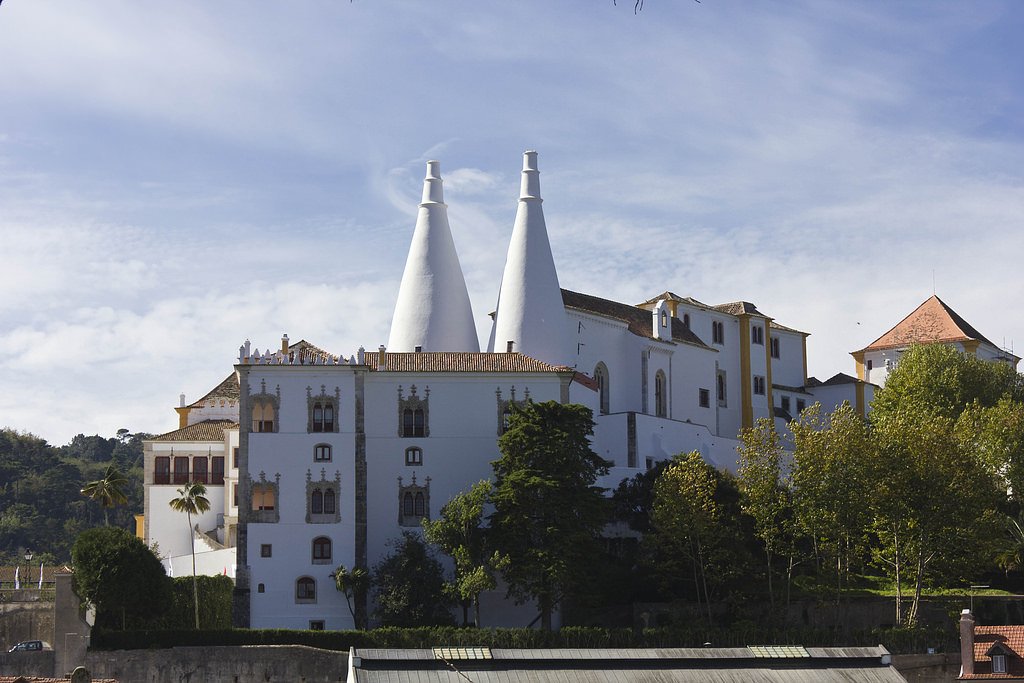
The National Palace of Sintra is one of the town’s most important royal residences and the best place to begin understanding its long relationship with the Portuguese monarchy.
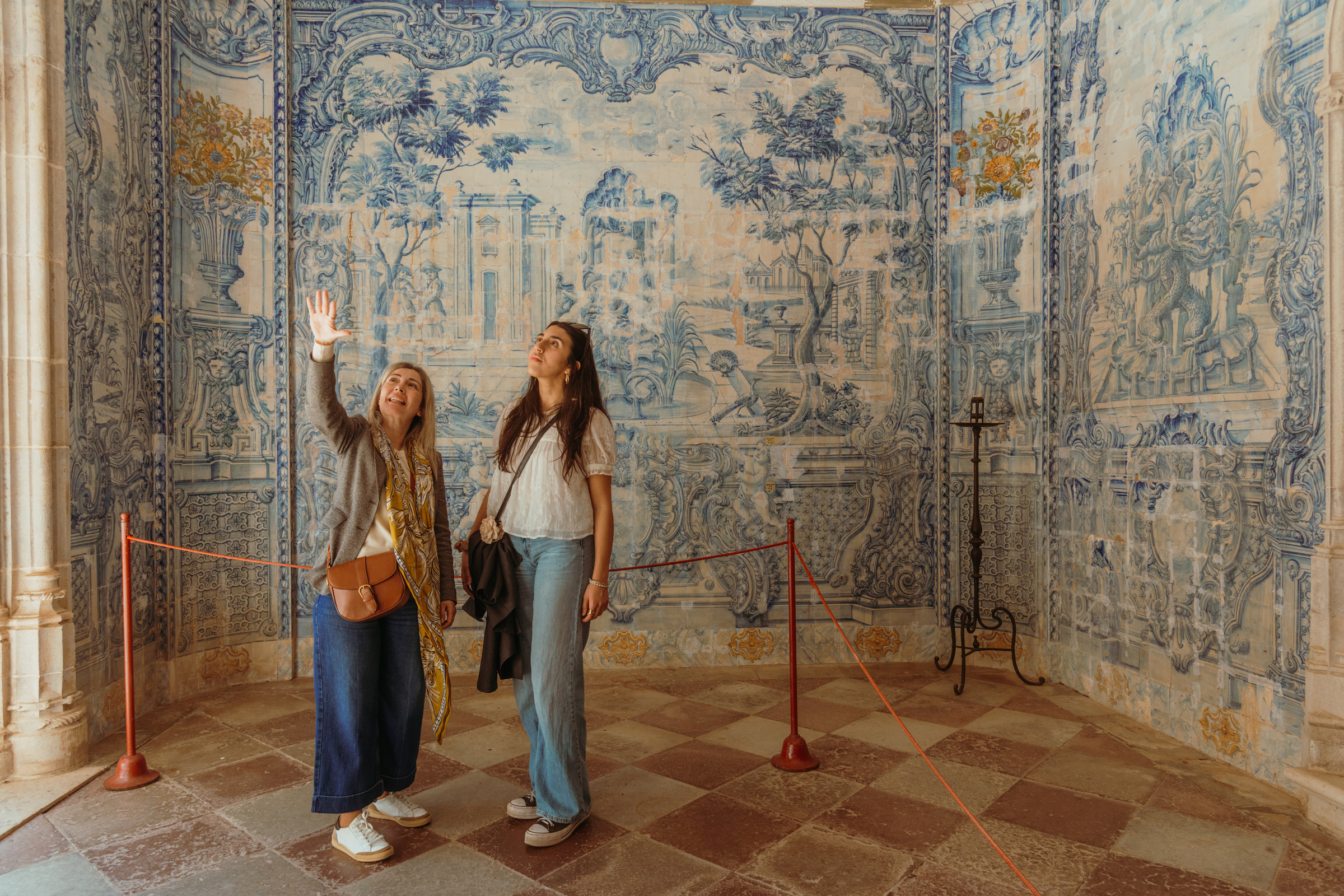
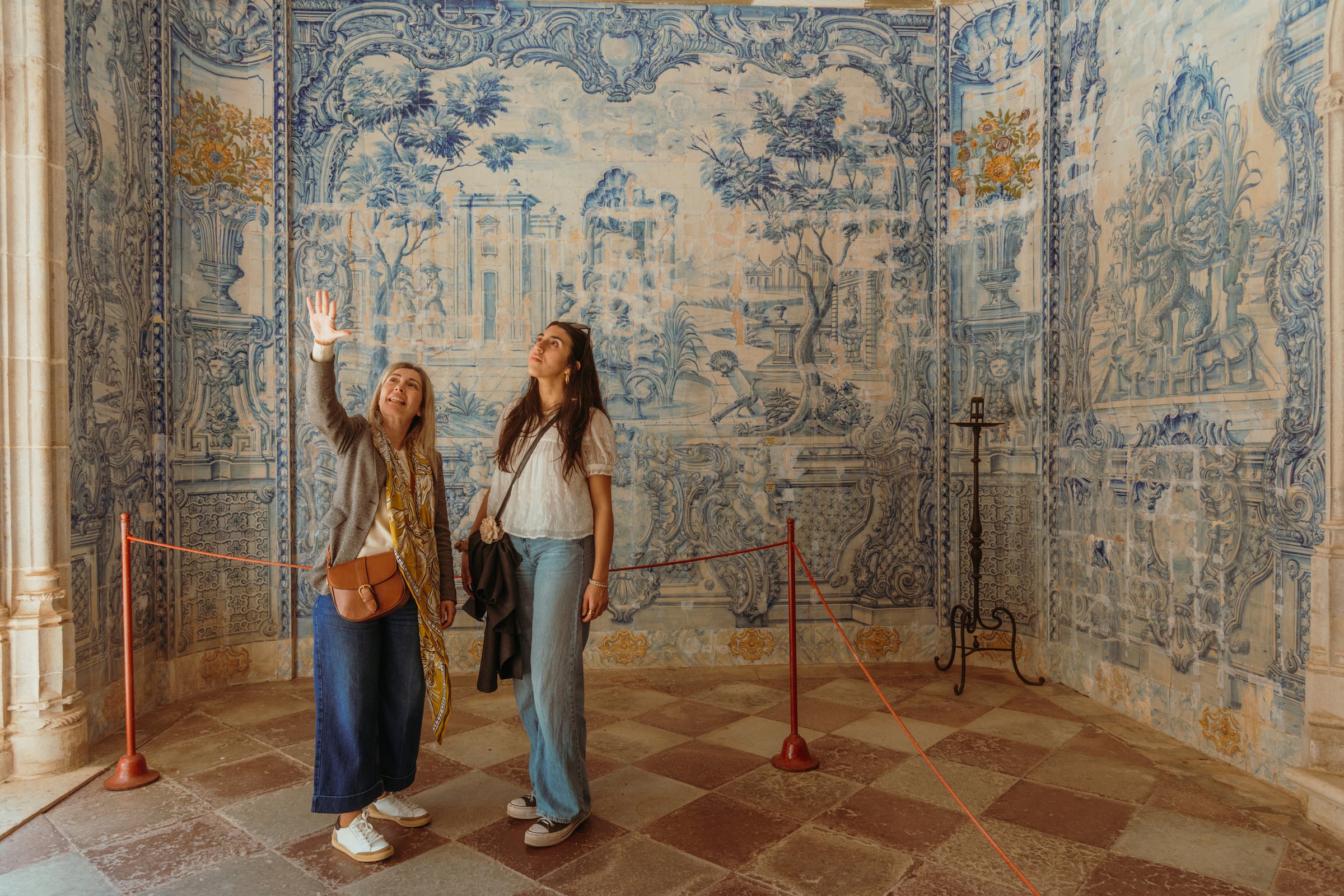
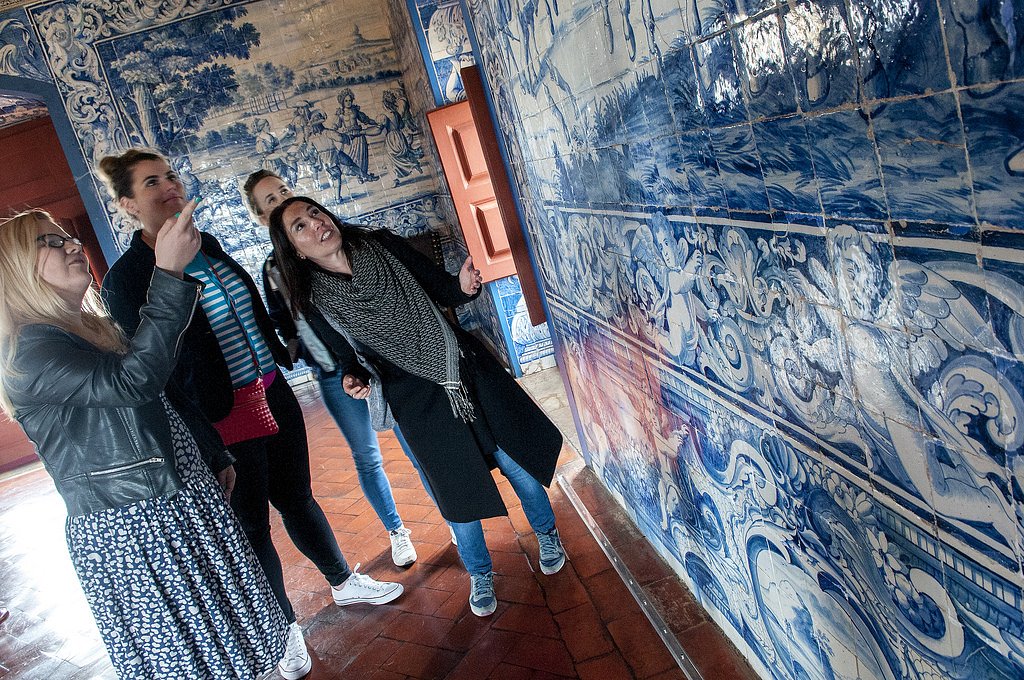
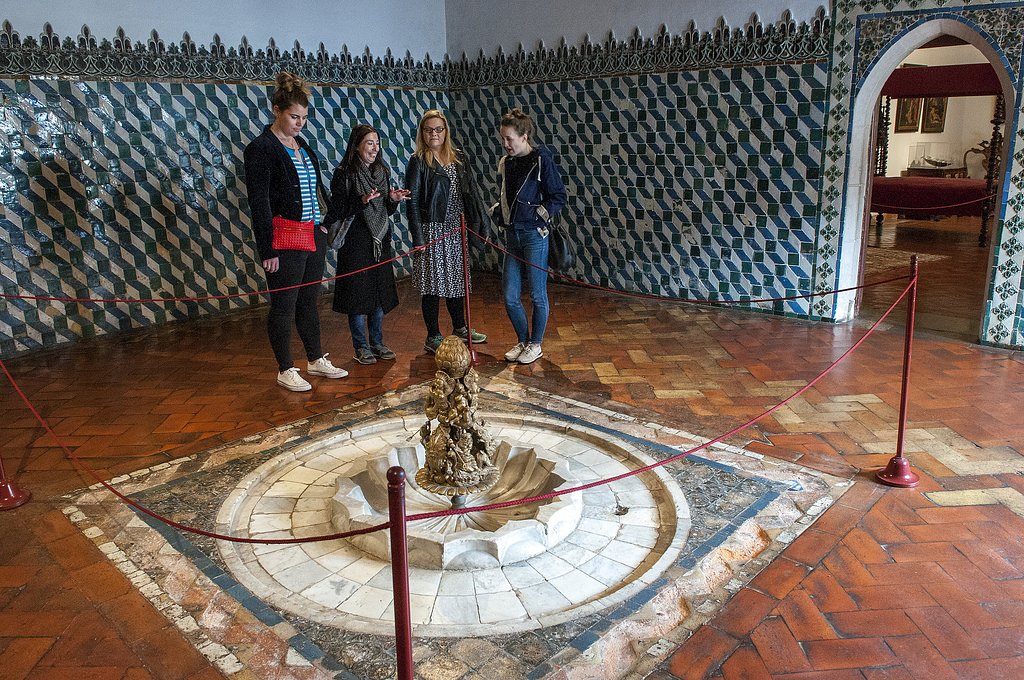
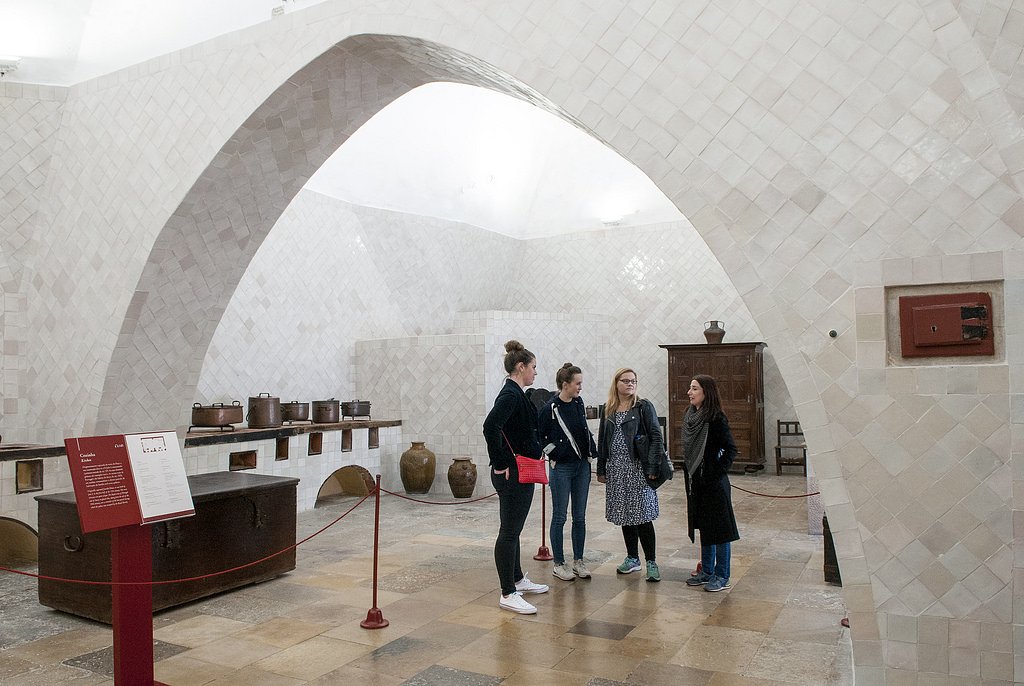
Inside, architectural styles from different periods meet beneath one roof. Your Expert helps you interpret Moorish, Manueline, and Mudéjar influences without reducing the palace to a list of dates and design terms.
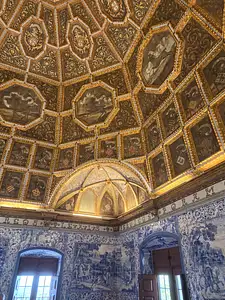
The Swan and Magpie Rooms are especially revealing. Their painted ceilings show how decorative motifs could communicate identity, reputation, and royal authority. By connecting these details to the people who lived here, the palace becomes a record of court life rather than simply a series of ornate rooms.
Sintra’s Historic Center
Beyond the palace, Sintra’s historic center places its royal history within the wider landscape.
Pastel villas sit against rocky hills, while steep streets and shifting views reveal the close relationship between the town and its mountain setting. Your Expert explains why Sintra became a retreat for rulers, aristocrats, and writers, and how its cooler climate and dramatic atmosphere influenced its development.
This part of the route also provides a pause between the two palaces, allowing the story to move naturally from royal history toward the Romantic imagination.
Biester Palace
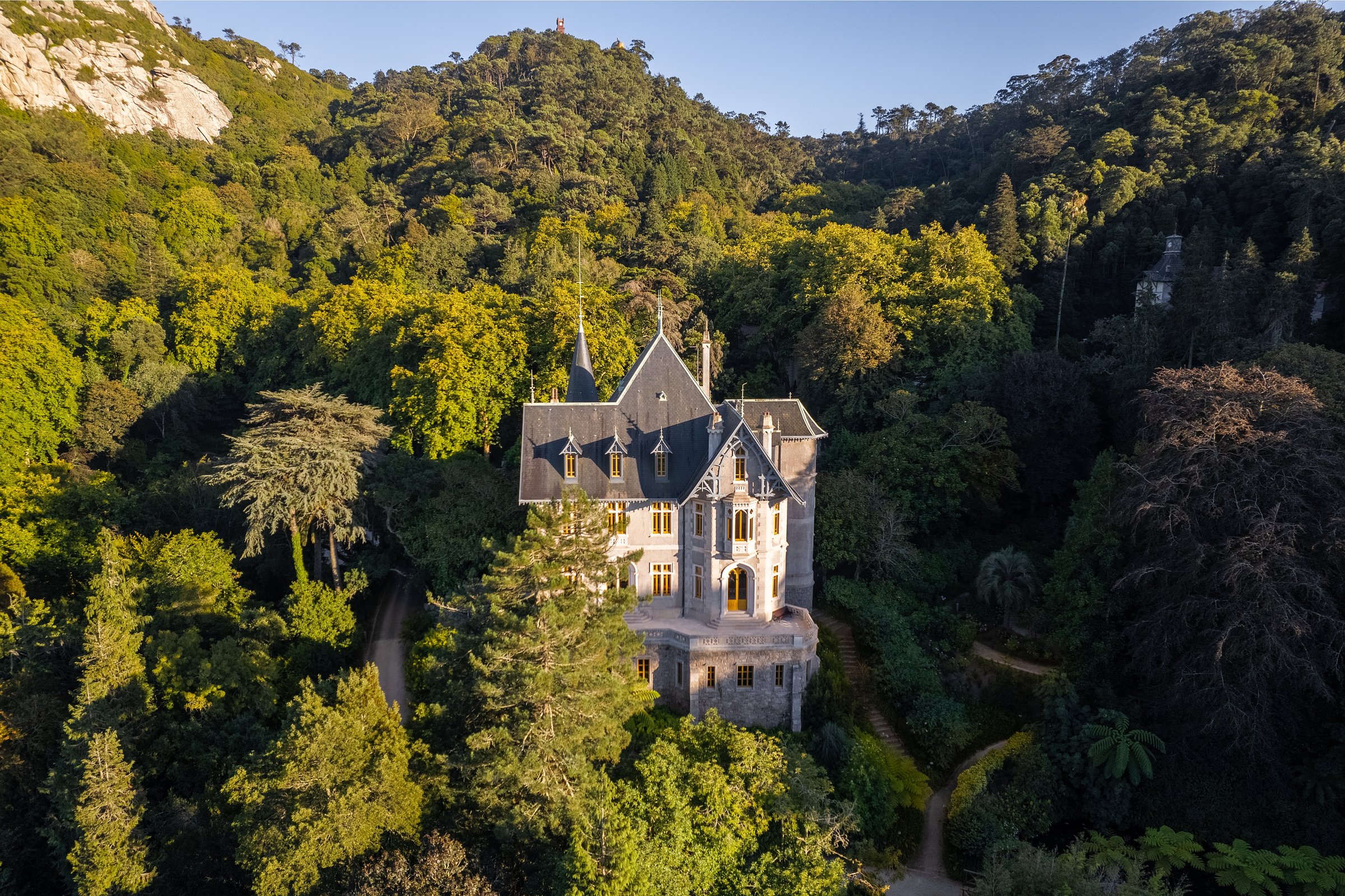
Biester Palace reveals a different side of Sintra.
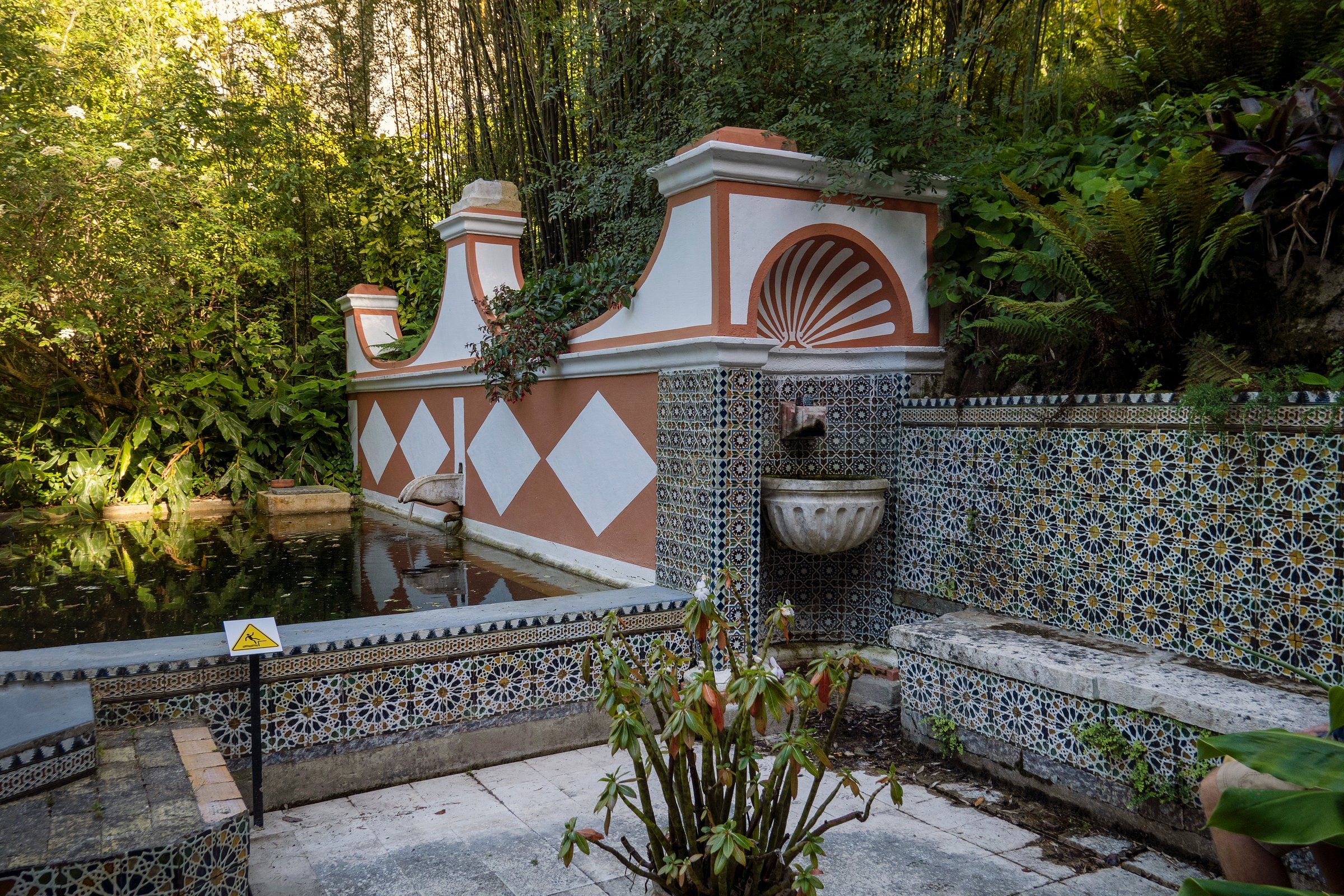
Where the National Palace reflects centuries of royal life, Biester belongs to a later world of artistic experimentation, personal symbolism, and spiritual curiosity. Its architecture, decoration, and atmosphere show how nineteenth-century patrons used their homes to express ideas as well as status.
Your Expert helps you examine the work of architect José Luiz Monteiro and consider the palace’s suggested connections to mysticism and esoteric traditions. Historical evidence and later legend are treated carefully, allowing you to appreciate the building’s sense of mystery without confusing atmosphere with fact.
Why Visit the National and Biester Palaces Together?
The value of this itinerary lies in the contrast.
The National Palace introduces Sintra through monarchy, court life, and architectural layers accumulated over centuries. Biester Palace offers a more intimate expression of Romantic-era taste, where art, architecture, and private belief come together.
Seeing both prevents Sintra from being defined by a single style or period. One palace helps explain how Portuguese rulers lived; the other shows why later architects and patrons treated Sintra as a landscape for imagination and symbolism.
Together, they provide a more balanced introduction to the town than either could offer alone.
Why Does Sintra Have So Many Palaces?
Sintra’s landscape has long made it feel separate from nearby Lisbon.
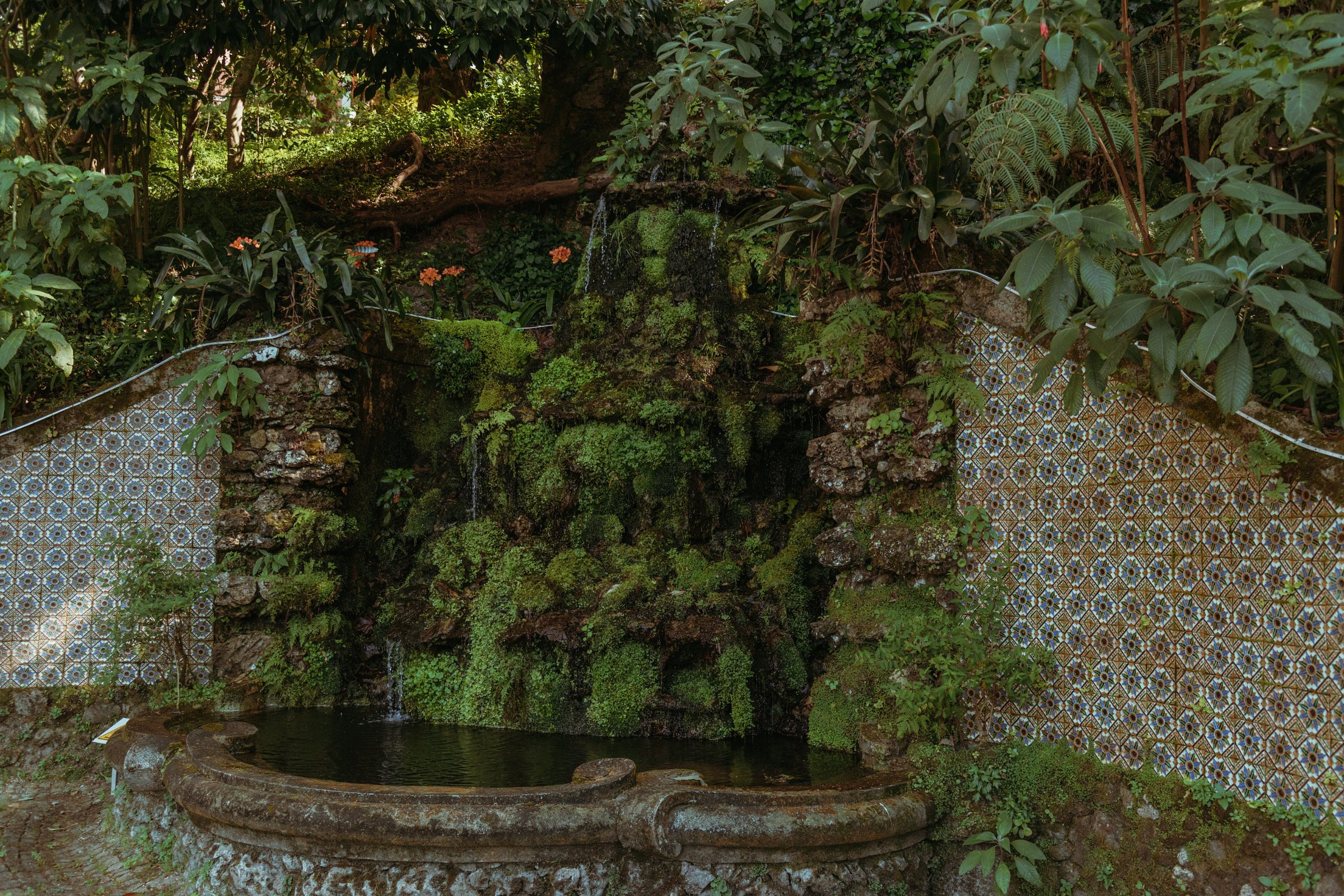
Its hills, cooler air, dense greenery, and frequent mist offered relief from the capital and created a setting well suited to retreat. Portuguese rulers established residences here, followed by aristocrats and wealthy families who built villas, gardens, and increasingly imaginative estates.
Over time, Sintra became both a center of royal life and a place where architecture could become more expressive. Medieval residences, decorative revival styles, Romantic palaces, and symbolic gardens now exist within the same compact landscape.
A knowledgeable Sintra tour guide helps make sense of those overlapping periods so the town feels layered rather than chaotic.
Is This a Pena Palace Tour?
No. This itinerary focuses on the National Palace of Sintra and Biester Palace rather than Pena Palace.
Pena Palace is Sintra’s most photographed monument, but it represents only one chapter of the town’s history. This tour offers a quieter and more focused alternative, combining Portugal’s best-preserved medieval royal residence with a lesser-known Romantic palace rich in art and symbolism.
Travelers primarily interested in Pena Palace should choose our full-day
Sintra Day Trip from Lisbon. Guests who want to understand a broader range of Sintra’s history, without devoting a full day to the region, may find this route more rewarding.
How Does This Differ from a Full-Day Sintra Tour?
This half-day Sintra tour is designed for travelers who want a concentrated introduction without losing an entire day.
It includes two palace interiors and the historic center, with a carefully planned route that keeps the experience rich but manageable. The focus is depth within Sintra itself rather than covering the greatest possible number of sites.
A
full-day tour is better suited to travelers who want to include Pena Palace, additional estates, more extensive gardens, or destinations beyond Sintra. The half-day format works best for those who prefer a selective experience and still want time for Lisbon or other plans.
Is a Sintra Tour Worth It?
Sintra is visually striking, but its meaning is not always immediately clear.
Without context, painted ceilings, ornamental façades, symbolic imagery, and shifting architectural styles can blend into a general impression of grandeur. With an Expert, those details become evidence of royal ambition, artistic fashion, personal identity, and changing ideas about nature and beauty.
This tour is particularly worthwhile for travelers who want to understand why Sintra feels so different from other Portuguese towns rather than simply photograph its palaces.
Why Take a Private Sintra Tour?
A private tour allows the conversation to respond to what interests you most.
You may want to spend more time discussing Portuguese monarchy, architectural influences, Romanticism, palace symbolism, or the line between historical fact and legend. Your Context Expert can adjust the emphasis while maintaining a coherent route through the two palaces and historic center.
The format also gives your party space to ask questions, pause over meaningful details, and move at a comfortable pace.
Who Is This Tour Best For?
This experience is particularly well suited to:
- first-time visitors seeking a focused introduction to Sintra;
- travelers who want to see more than one palace without spending a full day;
- guests interested in royalty, architecture, symbolism, or Romanticism;
- visitors looking for a quieter alternative to a Pena-centered itinerary;
- couples, families, and private groups with varied interests;
- travelers who want expert interpretation alongside handled logistics.
Frequently Asked Questions
Which palaces are included?
The itinerary includes interior visits to the National Palace of Sintra and Biester Palace.
Does this tour visit Pena Palace?
No. Pena Palace is not part of this itinerary. Travelers who want to visit Pena should select Context Travel's full-day
Sintra Day Trip from Lisbon.
Why does the tour visit Biester Palace?
Biester Palace offers a quieter introduction to Sintra’s Romantic-era architecture, art, and symbolism. Its contrast with the National Palace helps reveal how the town changed across different periods.
Are palace tickets handled?
The route and admission planning are arranged as part of the experience. The booking page should state clearly whether ticket costs are included in the listed price or charged separately.
Can I visit Sintra in half a day?
Yes. A half-day visit works well when the itinerary is selective and transportation between distant monuments is limited. This tour concentrates on two palaces and the historic center rather than attempting to cover all of Sintra.
Is this tour suitable for a first visit to Sintra?
Yes. The National Palace, historic center, and Biester Palace introduce the town’s royal, architectural, and Romantic history through three closely connected settings.
Should I choose this or a full-day Sintra tour?
Choose this half-day tour for a focused experience that leaves time for other plans. Choose a full-day tour to include Pena Palace, additional estates, gardens, or more of the surrounding region.
Is Sintra difficult to explore independently?
It is possible to visit independently, but choosing among its many palaces, arranging tickets, and understanding how the sites relate to one another can be challenging. A planned private route makes the visit easier to navigate and interpret.