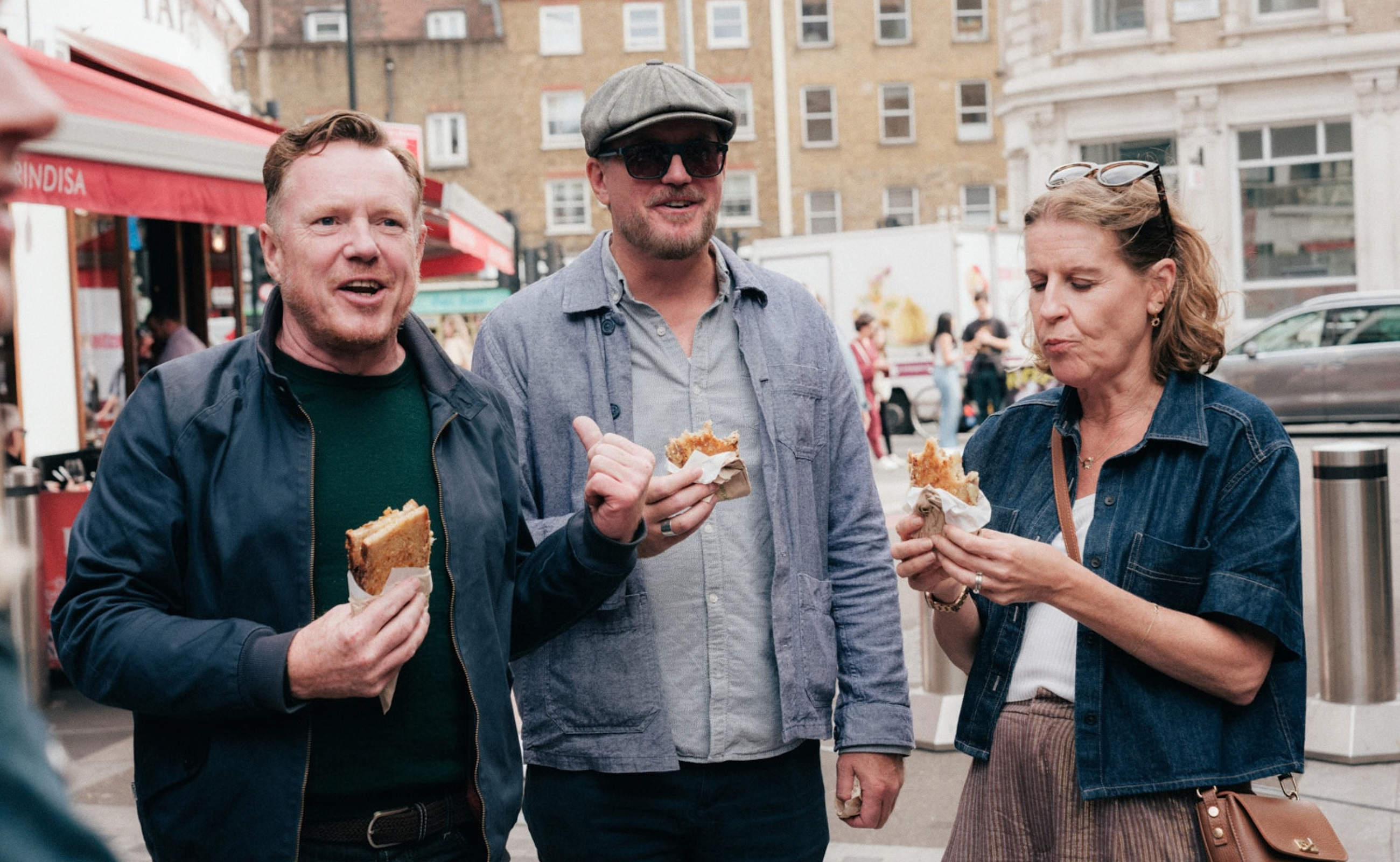
Entertaining. Helpful. Considerate of all our needs. Brought us to extremely interesting and tasty places. We all had a great time
.png)
London Food Tour: Essentials of British Cuisine
Taste local favorites while decoding British food culture
Move past the punchlines of British food. Here, cheese, coffee, curry, and cake reveal London’s appetite for trade and change.
Tour Highlights
- Debunk British food myths Discover how British food became richer and more diverse than what you might expect.
- Follow empire on the plate Connect sugar to empires, spice to trade, and tea and coffee to power.
- Let an Expert lead the way Go straight to standout bites in famous shops and easy-to-miss central London spots.
- Taste across London Sample cheese, coffee, global flavors, and market classics without the guesswork.
- Fit every appetite Your Expert helps balance preferences, allergies, and varied curiosity in the group.
- Ask what menus hide Unpack colonial legacies, wartime shifts, and the politics behind familiar foods.
Led by Experts, Shaped by You
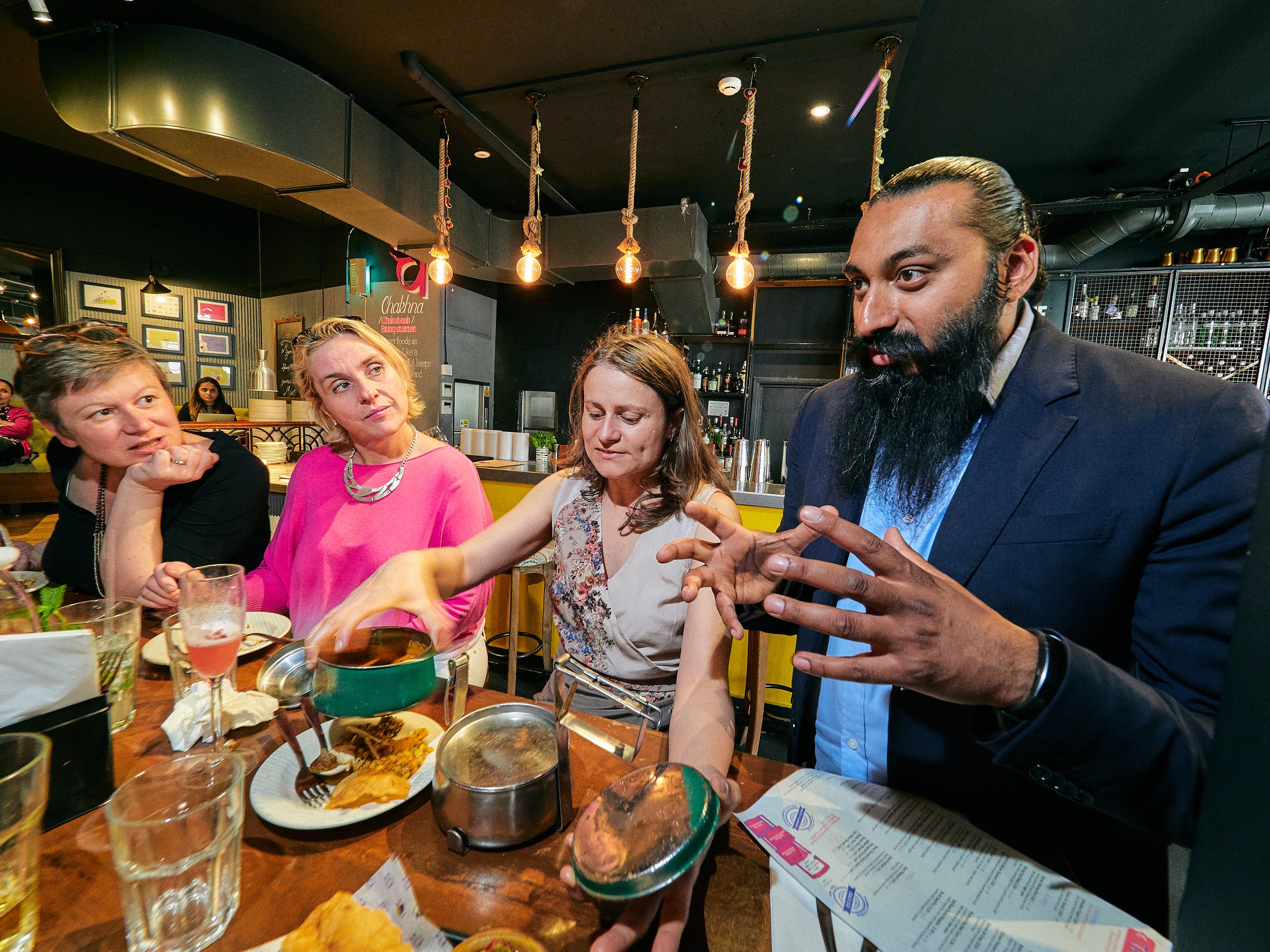
Explore with an expert guide who responds to your questions, your interests, and your pace. Reveal layers of meaning most visitors miss—go from seeing to understanding.
.png)
.png)
.png)
.png)
.png)

The Finer Details
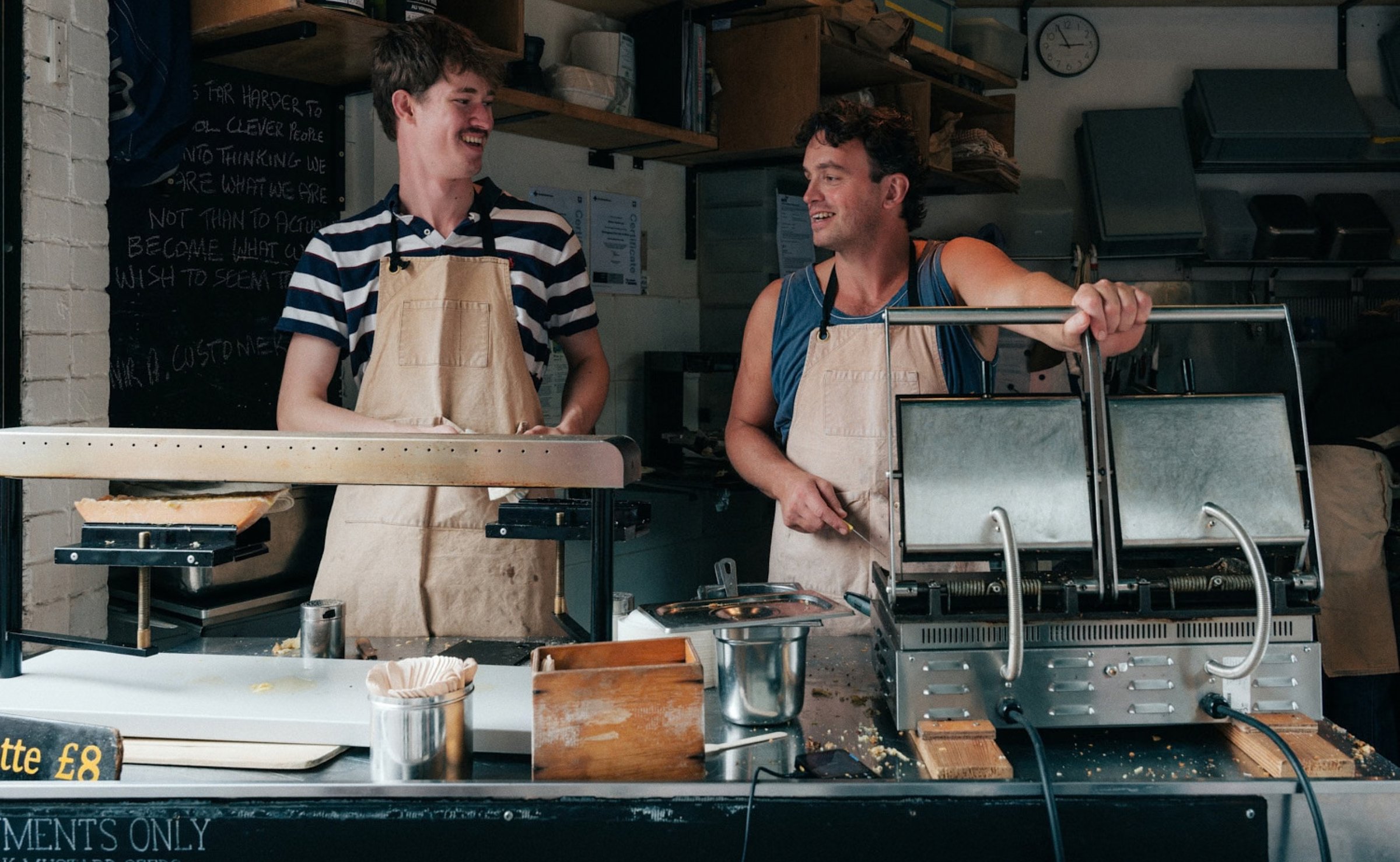
Malted vinegar, warm pastry, the sharp tang of a good pickle... Near Green Park, this London food tour begins around Fortnum & Mason, where gleaming counters and shelves of tea and preserves hint at a much bigger conversation about taste, class, and empire. With a local gastronomy expert, appetite becomes your map through central London. Scotch eggs, foaming pints of ale, and the sizzle of global cuisines become clues to a city built by trade, migration, scarcity, and invention.
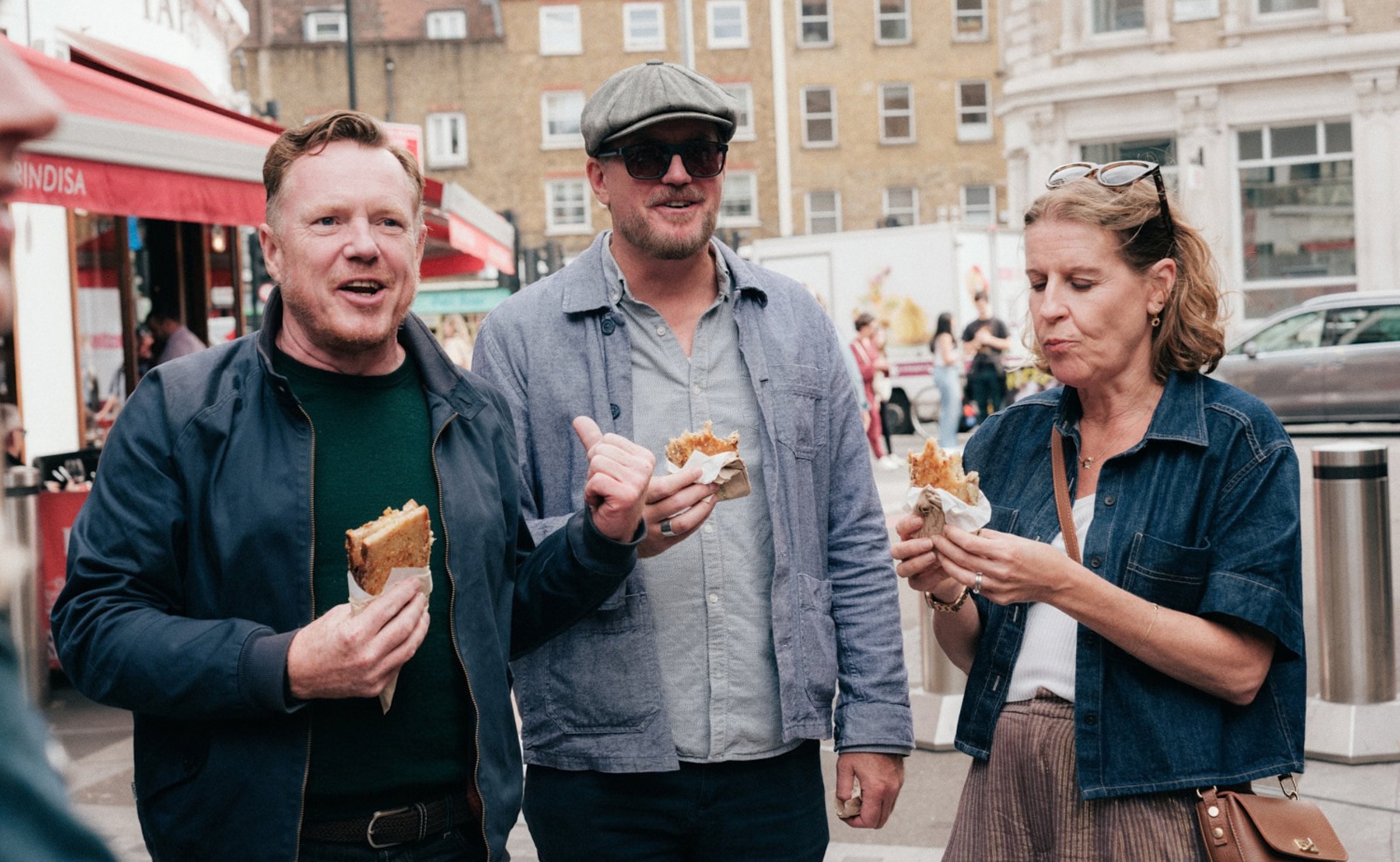
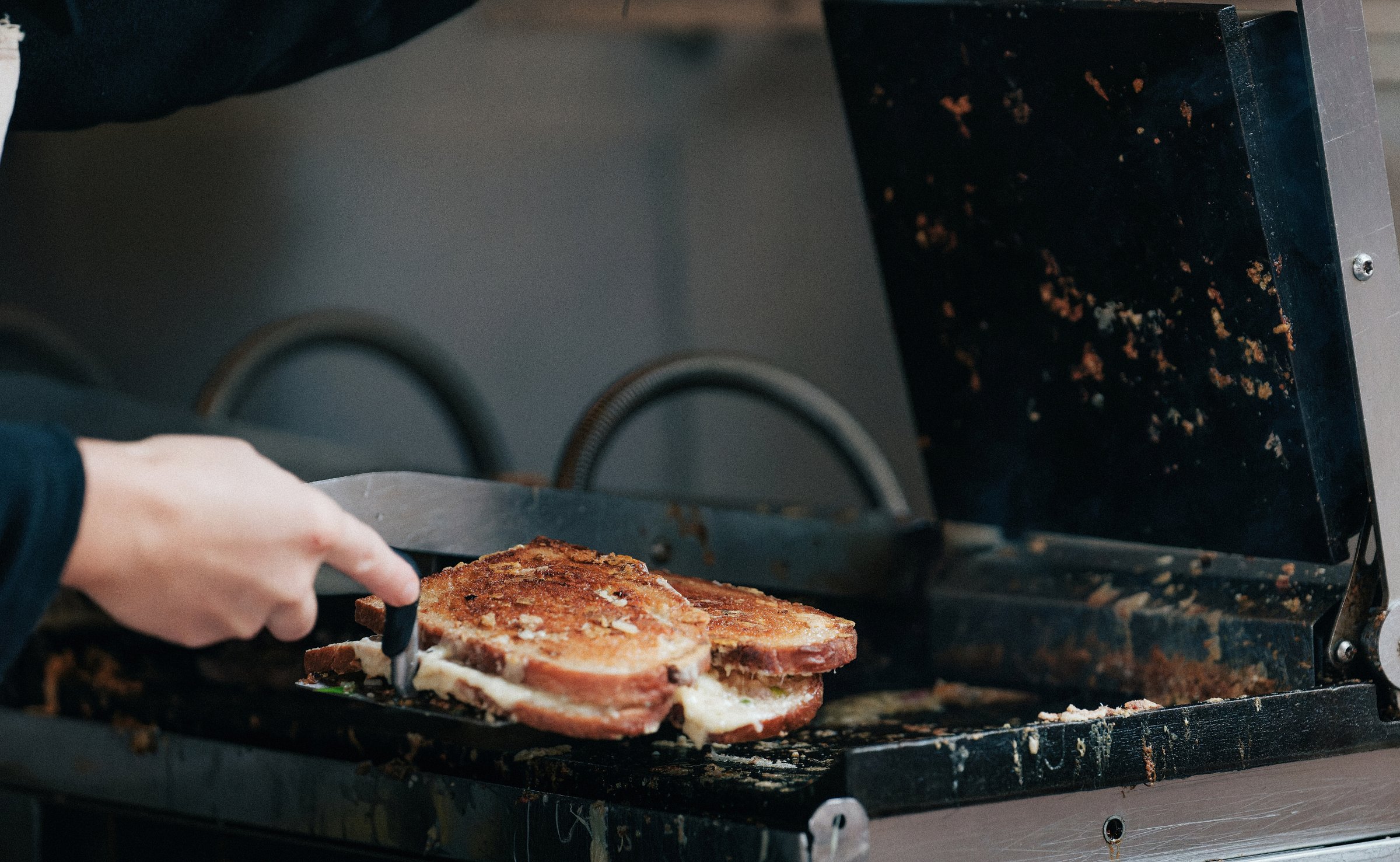
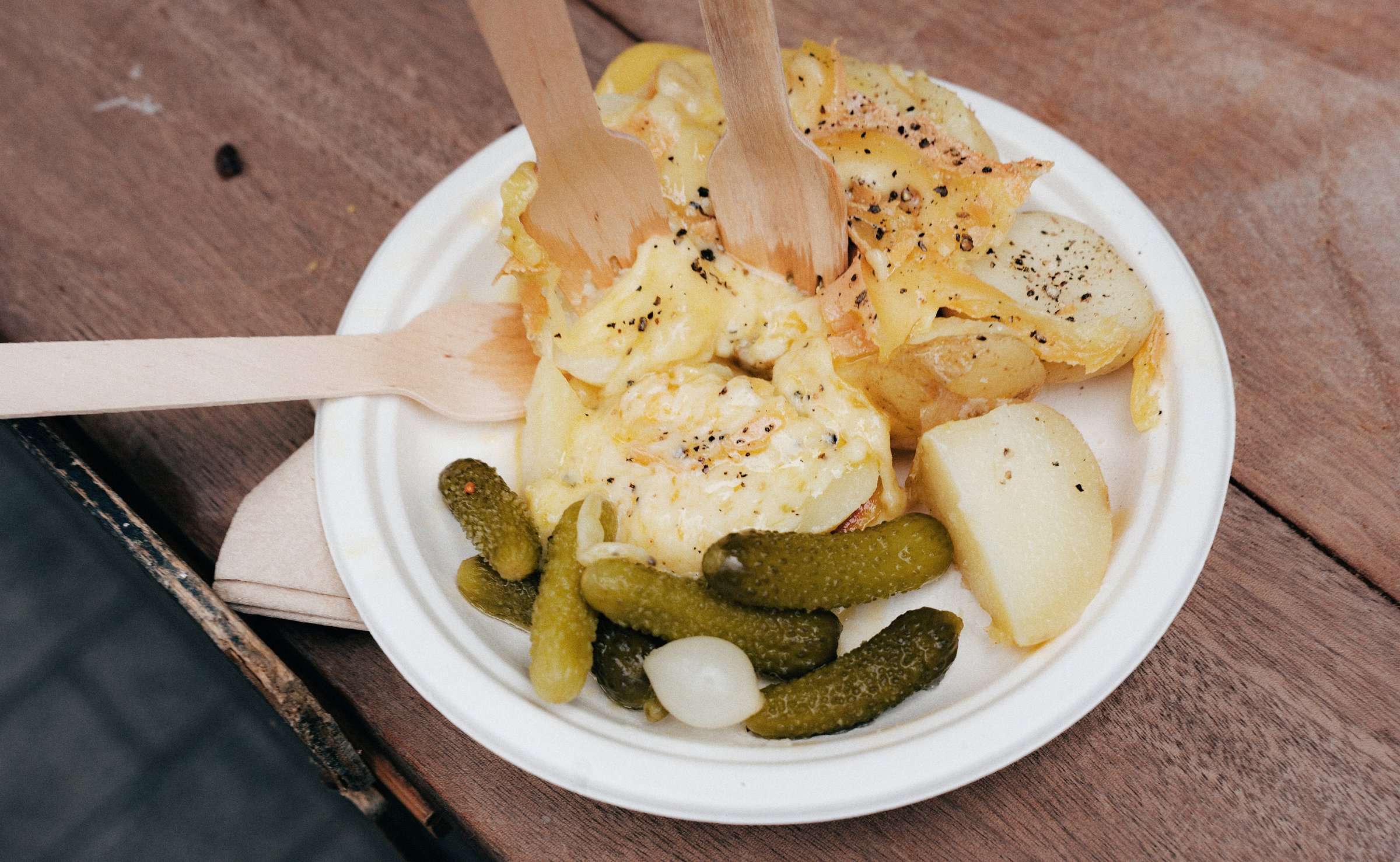
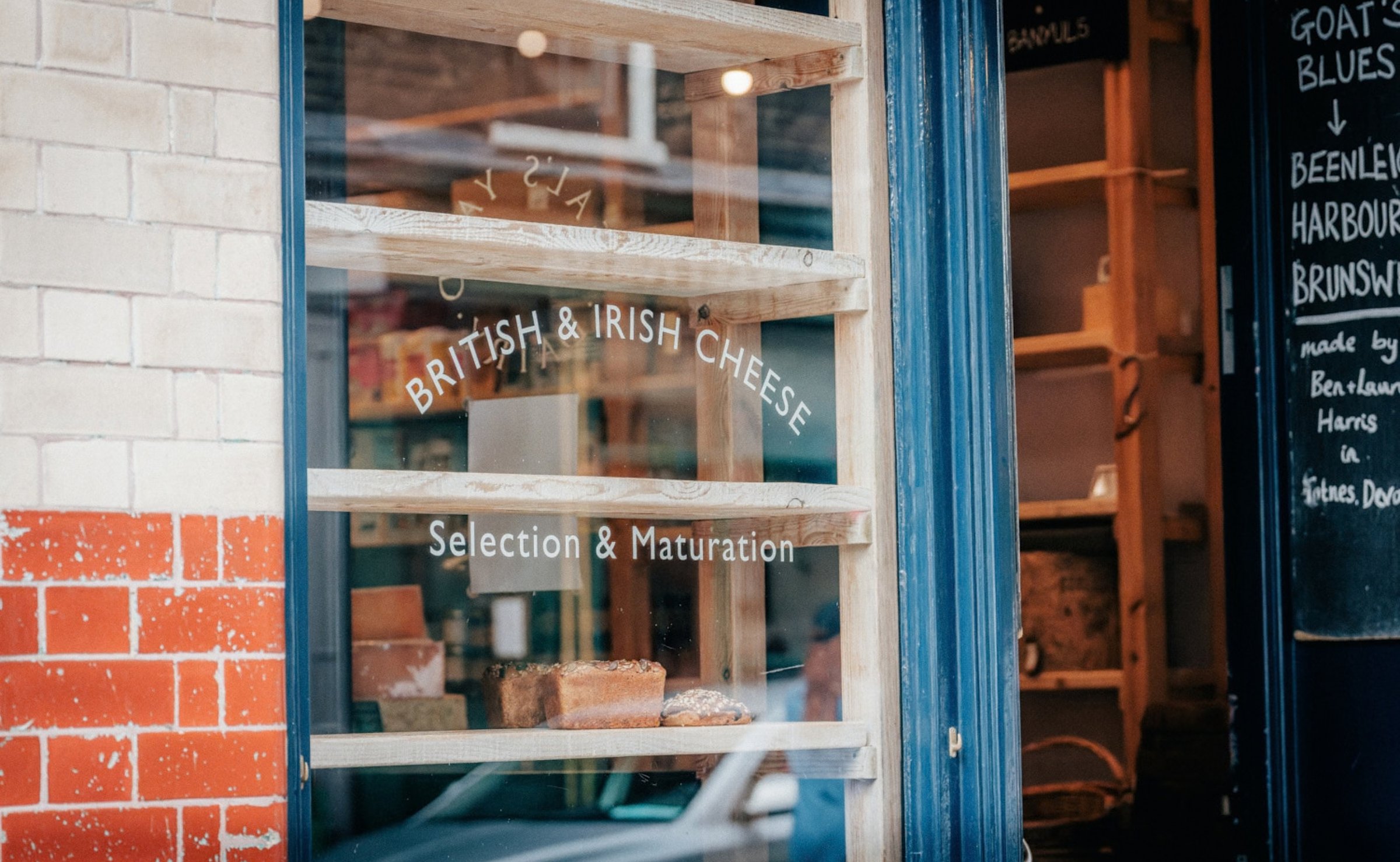
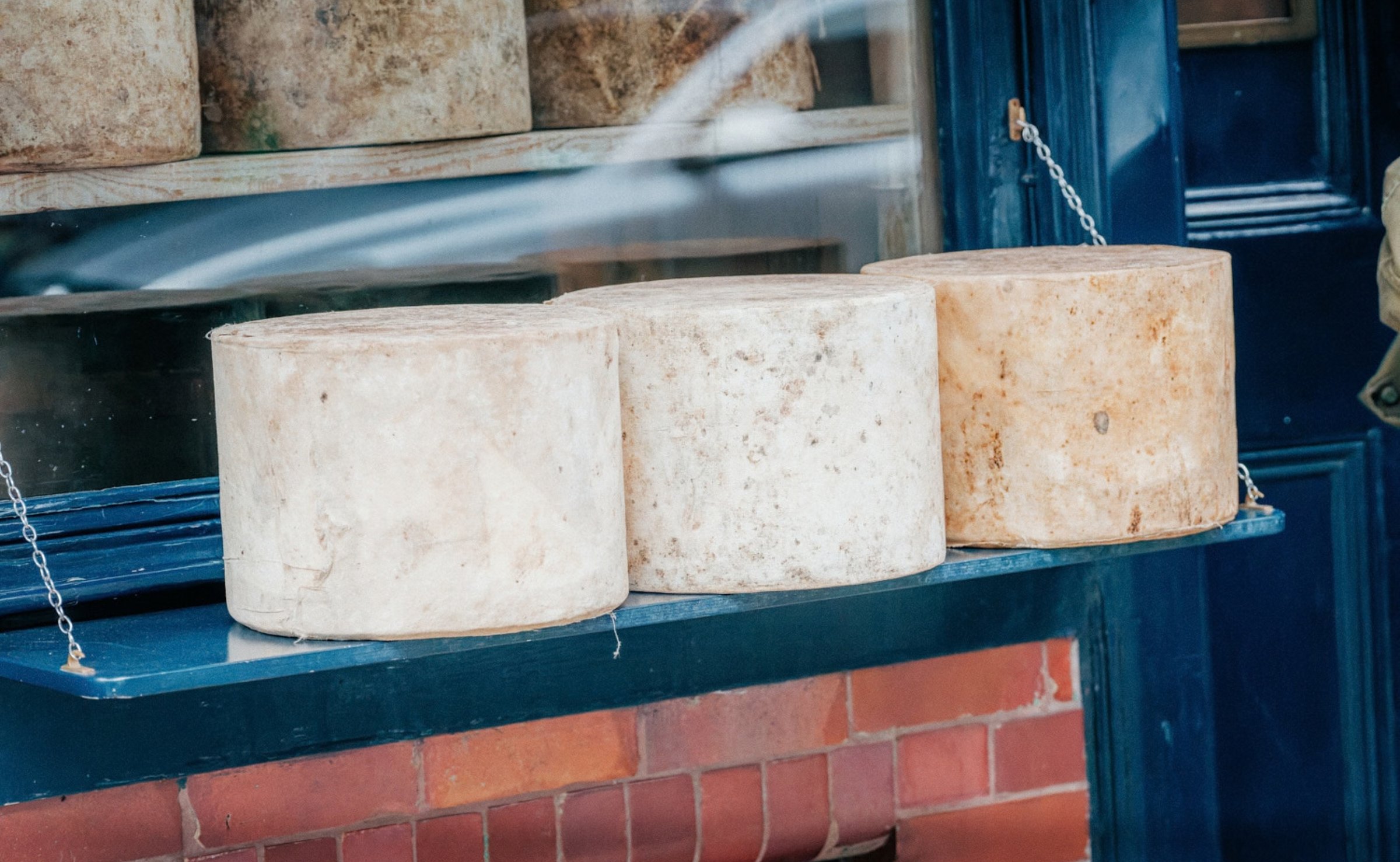
At a British cheese shop, the air turns sharp and earthy. Taste local selections chosen for the group while a trained cheesemonger walks you through regional styles. Cheese makes a useful provocation because it feels native, yet every wedge on the board carries a larger story of landscape, labor, and cultural exchange. Your Expert matches curiosity and preference across the group, allowing appetites and questions to shape the tasting rather than slow it down.
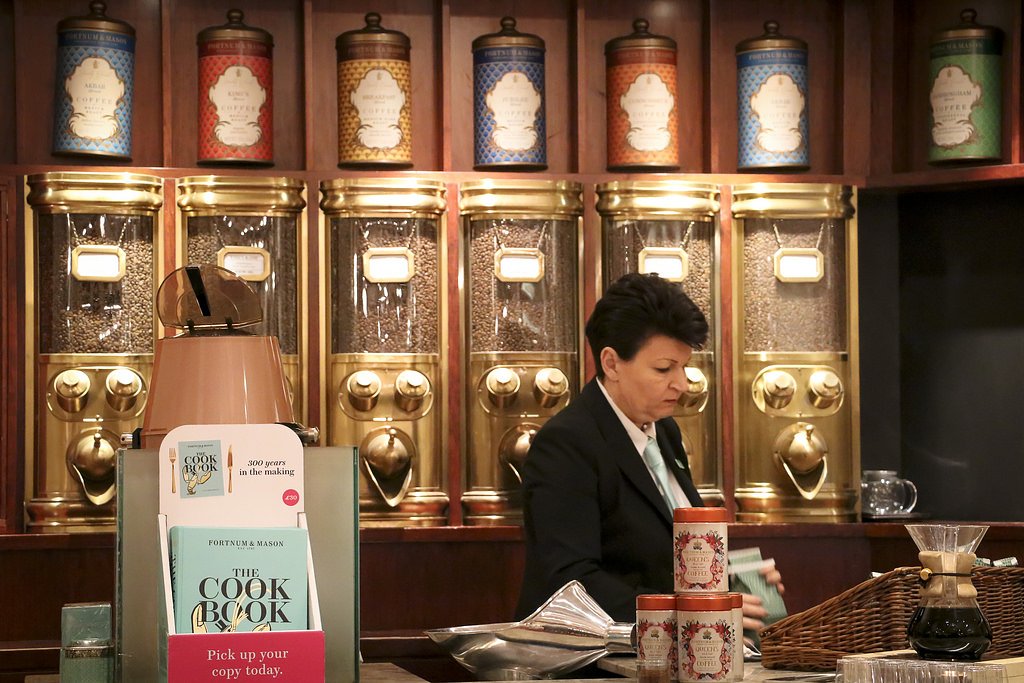
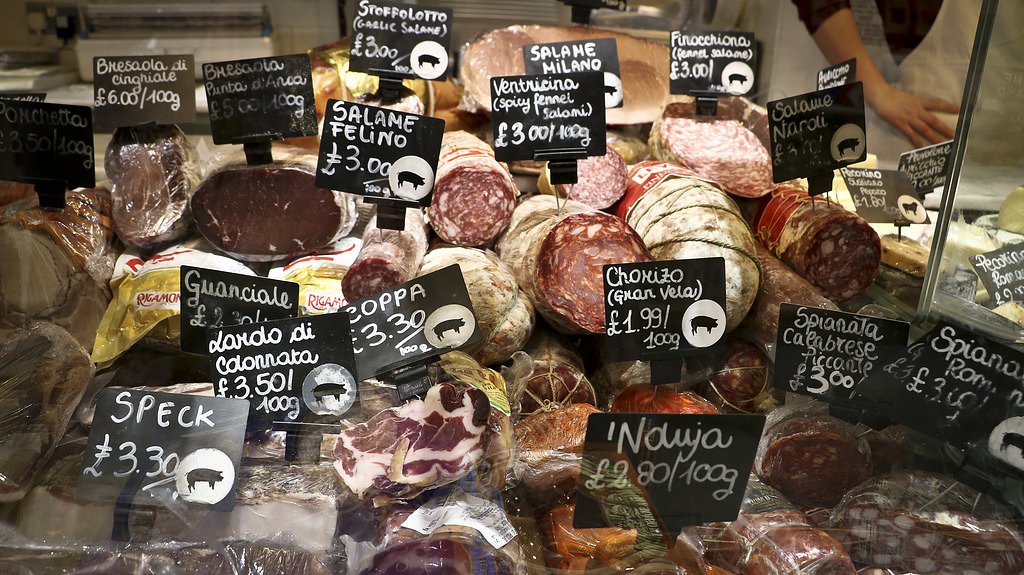
From there, head into Soho. The smell of cured meats and fresh pasta tells its own story of immigrant businesses that helped feed central London. Nip into a coffee store where the air shifts entirely; roasted beans, loose-leaf tea, and shelves stacked floor to ceiling open the door to discussions of trade history. Did you know that coffee reached English habits before tea ever did? The bigger questions about sugar, spice, colonial trade, and who really paid for the indulgence of a hot cup of tea lead you to a deeper understanding.
Your Expert brings local insight, steering you toward what's genuinely worth tasting in the well-known shops and the easy-to-miss ones tucked just past them. Throughout SoHo, be prepared to stumble into unexpected histories through flavors and textures. This neighborhood is the perfect backdrop for conversation about appetite, medicine, commerce, and power.
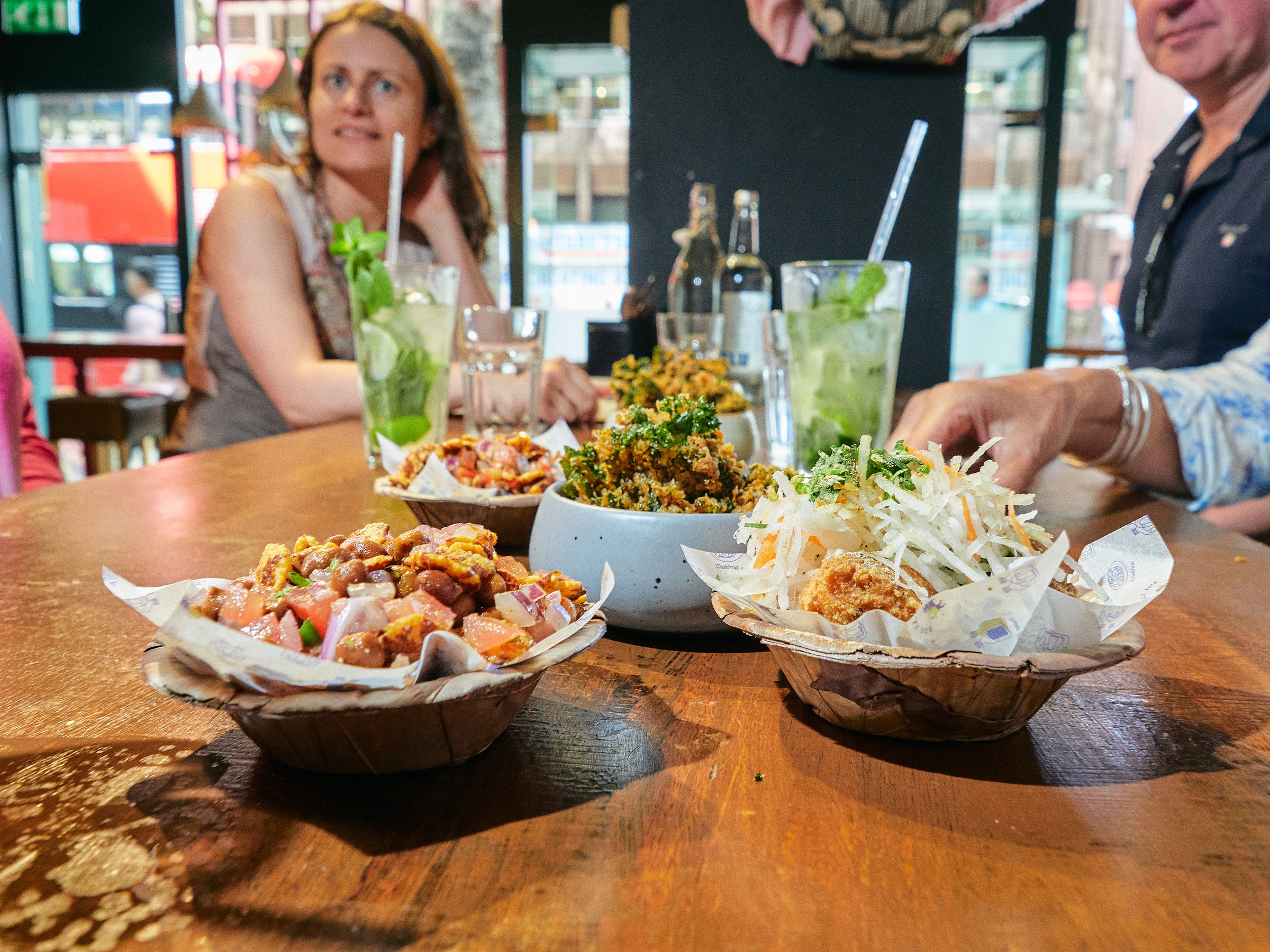
Dip into Chinatown, where the sizzle of woks and the smell of char siu hanging in shop windows show how thoroughly international cuisine has woven itself into London's culinary identity. The walk may continue into a small, bohemian courtyard, where a collection of shops each add their own note to the day's flavor. What does a city taste like when its pantry has been shaped by empire, war, immigration, and constant reinvention?
By the end, the old jokes about British cuisine have mostly lost their bite. Ingredients that were never native to Britain start to feel essential to its tables, and wartime scarcity reveals just how much modern habits were forged under pressure. Whether you're a serious foodie or just someone who likes to eat well, this walk turns central London into a layered tasting lesson. Leave with fuller senses, sharper stories, and a richer way of understanding what Britain actually eats.
Meet the Experts












Where You’ll Go
From iconic landmarks to tucked-away local favorites, these are the places you’ll explore and experience firsthand with your Expert.
-
Fortnum & Mason18th-century food hall known for tea, preserves, and ritual.
-
SohoGlobal district layered with immigration and invention.
-
ChinatownCentral hub for Chinese food shops, bakeries, and restaurants.
What’s Included As Standard
Here’s a look at what your tour covers, plus anything you’ll want to consider arranging separately, so you can plan with confidence.
Included
-
English-speaking expert guideTours led in English, offering you unbroken understanding throughout.
-
Intentionally sized groupsA smaller group means more time for conversations and questions.
-
Food and drinkThis tour includes tastings that replace a meal. Please list any dietary restrictions at checkout.
Not Included
-
GratuitiesTips aren’t included, but we encourage tipping as a way to thank your guide after your experience.
-
Transportation to and from the meeting pointUnless noted, pre- and post-tour transport isn’t included - this service can be added by request.
-
Hotel pickup or drop-offUnless noted, travel to or from accommodation isn’t included - this service can be added by request.
Where You'll Explore
Make the Most of Your Tour
Some helpful advice for getting the most from your experience, from practical prep to small on-the-day tips.
Dos:
- Wear comfortable footwear
- Check the weather and dress appropriately
- Bring a bottle of water (no glass)
- Feel free to ask your Expert anything
Don'ts:
- Bring firearms or weapons
- Bring sharp objects (e.g. knives, swiss army knives, switchblades, hiking sticks)
- Dress inappropriately to enter religious sites or sacred monuments
Any questions? You can always
contact us.
Frequently Asked Questions
The walk begins in the Piccadilly neighborhood and typically ends in Covent Garden. Your confirmation email will have the exact meeting point details along with a map.
Yes. If you have any specific allergies/intolerances please indicate these in the Travel Notes section when you are booking and your guide will do his or her best to accommodate.
Yes, this tour's tastings do cover a full meal.
Yes, especially if your children love trying new food and enjoy learning about the city through food. If your kids are under 13, we strongly recommend booking the walk privately, so we can better adjust the walk to their taste and interests.
Tours operate rain or shine, but in the case of inclement weather, your expert will modify the tour so more time is spent indoors. It never hurts to have an umbrella on hand.
This walk covers about 1 mile overall.
Book with confidence — see Context's flexible cancellation policy here.
We understand that some of our valued guests may have mobility concerns, and we want to ensure you have a comfortable and enjoyable experience throughout your tour. If there are any accessibility concerns that your tour guide will need to be aware of, please let our team know at the time of booking.
Is this tour wheelchair-friendly?
The tour is fast-paced and includes some narrow alleys and cobbled streets. We do not recommend this tour for clients with severe mobility issues.
Don’t just take our word for it
Doris was a delightful guide and expert. Because I had expressed interest in history and architecture, in addition to sharing a delightful selection of London food establishments she pointed out numerous historical and architectural points of interest as well as walked through London.
Our family had a wonderful tour with Alice. She got in touch ahead of time, was easy to find and customized the tour to exactly how we were feeling. Our kids (11 - 15) all loved the tour. It was a blend of food and history that was perfect both for the kids and the adults. And we were stuffed by the end of it!
Let Your Curiosity Shape Your Journey
Join passionate experts on intimate walking tours that reveal a city’s unique stories, spark conversations, and leave you seeing the world—and yourself—a little differently.
Structured, never scripted
Your interests guide your Expert, leading to stories and perspectives that matter to you.
Crafted for conversation
With 12 or fewer guests, ask questions, engage with your Expert, and fully immerse yourself.
Experts, not guides
Explore with 1,200+ Experts—from historians and architects to archaeologists and chefs.
.png)



London Food Tour
What exactly counts as British food? It is a harder question than fish and chips, roast dinners, or afternoon tea might suggest. London’s food culture has been shaped by centuries of trade, empire, immigration, scarcity, class, and experimentation. Ingredients once considered foreign became staples. Immigrant communities changed what Londoners ate. Tea and sugar became symbols of Britishness despite arriving through vast global trading networks. This London food tour uses those contradictions as its starting point. With a gastronomy Expert, familiar foods become evidence: cheese can reveal regional landscapes and agricultural traditions; tea and coffee open conversations about global trade and empire; and the cuisines of Soho and Chinatown show how migration has continually expanded the idea of British food. Rather than trying to prove that British food is “better than you think,” the experience asks a more interesting question: How did a global city develop the food culture it has today?
London has never eaten in isolation. Its position as a trading city connected it to ingredients, techniques, and tastes moving through Europe and eventually across a global empire. Tea, coffee, sugar, spices, citrus, chocolate, and countless other products entered British diets through commercial networks that stretched far beyond Britain.
Migration changed the city just as profoundly. Communities arriving from Italy, China, South Asia, the Caribbean, the Middle East, and elsewhere established restaurants, cafés, bakeries, grocery shops, and food businesses that gradually became part of everyday London life.
That history complicates the idea of an “authentic” London food. A curry eaten in Britain is not somehow outside British food culture. Neither is Italian coffee in Soho or Chinese roast meat in Chinatown. These foods tell the story of the people who made London home and the ways a city absorbs new traditions over time.
The tour deliberately moves through Soho and Chinatown for precisely this reason: food becomes a way to trace immigration and cultural exchange rather than simply a sequence of things to taste.
British food is often easier to understand through habits and traditions than through a fixed catalogue of dishes. Regional cheese, preserved foods, pastry, ale, tea, pickles, roast meats, puddings, and baked goods reflect local agriculture and older methods of storing and preparing food.
But British eating habits also reveal changing relationships with the wider world. Tea is one of the clearest examples. It became deeply embedded in British domestic and social life despite the plant itself being imported. Sugar followed a similarly global—and much more troubling—economic history.
Even the foods that feel most traditional often carry evidence of trade, industrialization, colonialism, migration, or wartime scarcity. That is why the live experience pairs tastings with questions about class, empire, commerce, migration, and power rather than presenting British cuisine as a timeless national menu.
Understanding those forces gives you a much more useful way to explore London’s food after the tour ends.
Choose the London Food Tour if you want the broadest introduction to how Britain eats. Its three-hour route uses cheese, tea, coffee, British staples, and London’s international food culture to explore the relationship between food and the city’s history. The tastings are substantial enough to cover a meal.
Choose the London Beer Tour if your primary interest is pubs, brewing, cask ale, and the history of British drinking culture. That experience goes much deeper into beer production and pub history rather than trying to provide an overview of London’s food culture.
What food is London actually known for?
London does not have one defining cuisine. Traditional British foods sit alongside dishes and ingredients introduced through trade and generations of immigration. That mix—from regional cheese and pastry to South Asian, Chinese, Italian, Caribbean, and other influences—is itself one of the defining features of eating in London.
Is there such a thing as authentic London food?
Yes, but authenticity in London is not limited to foods that originated in Britain. A dish can become part of London's food culture because communities have cooked, sold, adapted, and eaten it there for generations. Understanding London food therefore means looking at both older British traditions and the cuisines introduced by people who made the city home.
Why is Soho important to London’s food history?
Soho has long been shaped by immigration, entertainment, nightlife, and small independent businesses. Its restaurants, cafés, delis, and specialist shops make it a useful place to explore how immigrant communities influenced what central London eats. The current tour uses Soho specifically to connect food with migration and cultural exchange.
Why are tea and coffee important to British food history?
Neither tea nor coffee is native to Britain. Their popularity reflects Britain’s changing global trading relationships, imperial expansion, social rituals, and consumer culture. Following how they entered British life opens much larger questions about trade, sugar, class, and empire.
What should I look for when choosing a London food tour?
Look beyond the number of tastings. A strong food tour should help explain why particular foods are important, how neighborhoods changed, where ingredients came from, and how migration and history shaped local eating habits.
The best fit depends on whether you want broad culinary history, a market-focused experience, a specific neighborhood, or a specialist subject such as beer.
Is British food really as bad as its reputation?
The stereotype tends to flatten a much more complicated food culture. British cuisine includes strong regional traditions, excellent cheeses, baking, preserves, meat and fish dishes, and a modern dining culture heavily shaped by international influences. More importantly, London is not representative of one narrowly defined “British cuisine”—its food reflects centuries of movement and exchange.