Secure your spot on an upcoming Small Group Tour. See what's still available.
Naoshima Island

Naoshima Art Island Day Trip from Osaka

From environmentally damaged to global cultural icon

How did an industrial island become an art icon? Read Naoshima’s history and aesthetics through minimalism, landscape, and renewal.
Tour Highlights
  • Read the island through art Decode contemporary art through expert context, shaped to your interests.
  • See minimalism meet nature Trace Ando's concrete geometry as light, sea, and terrain become part of the work.
  • Enter Naoshima's art museums Explore Chichu and Benesse House to see art, architecture, and landscape in dialogue.
  • Art meets village life See Honmura's old homes become artworks while everyday island life carries on.
  • Understand an island renewed Connect industry, art, and regional revitalization across Naoshima's changing landscape.
  • Smooth the journey to art Let your Expert handle trains, ferry, and tickets so the island stays the focus.
Led by Experts, Shaped by You
Explore with an expert guide who responds to your questions, your interests, and your pace. Reveal layers of meaning most visitors miss—go from seeing to understanding.
The Finer Details
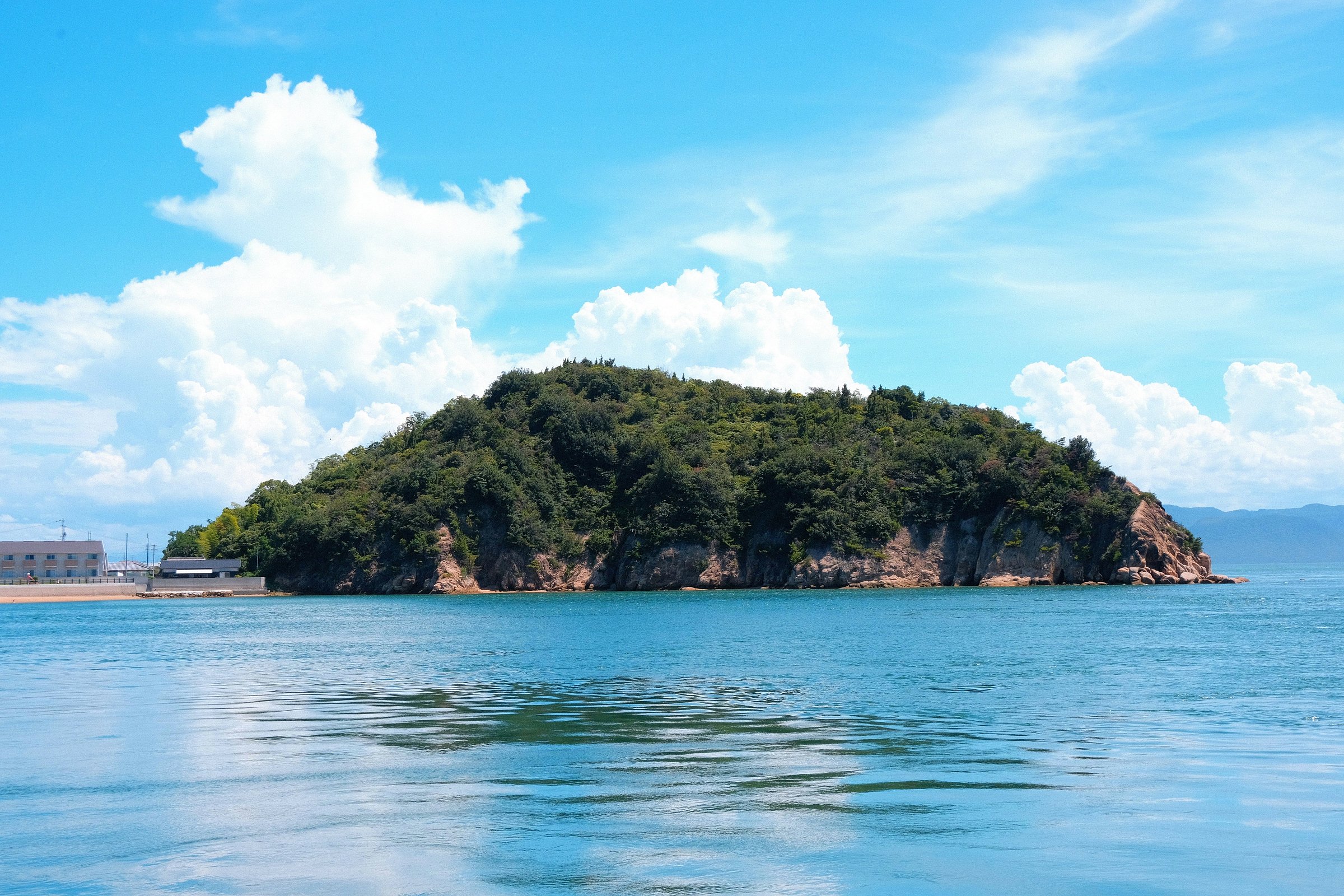
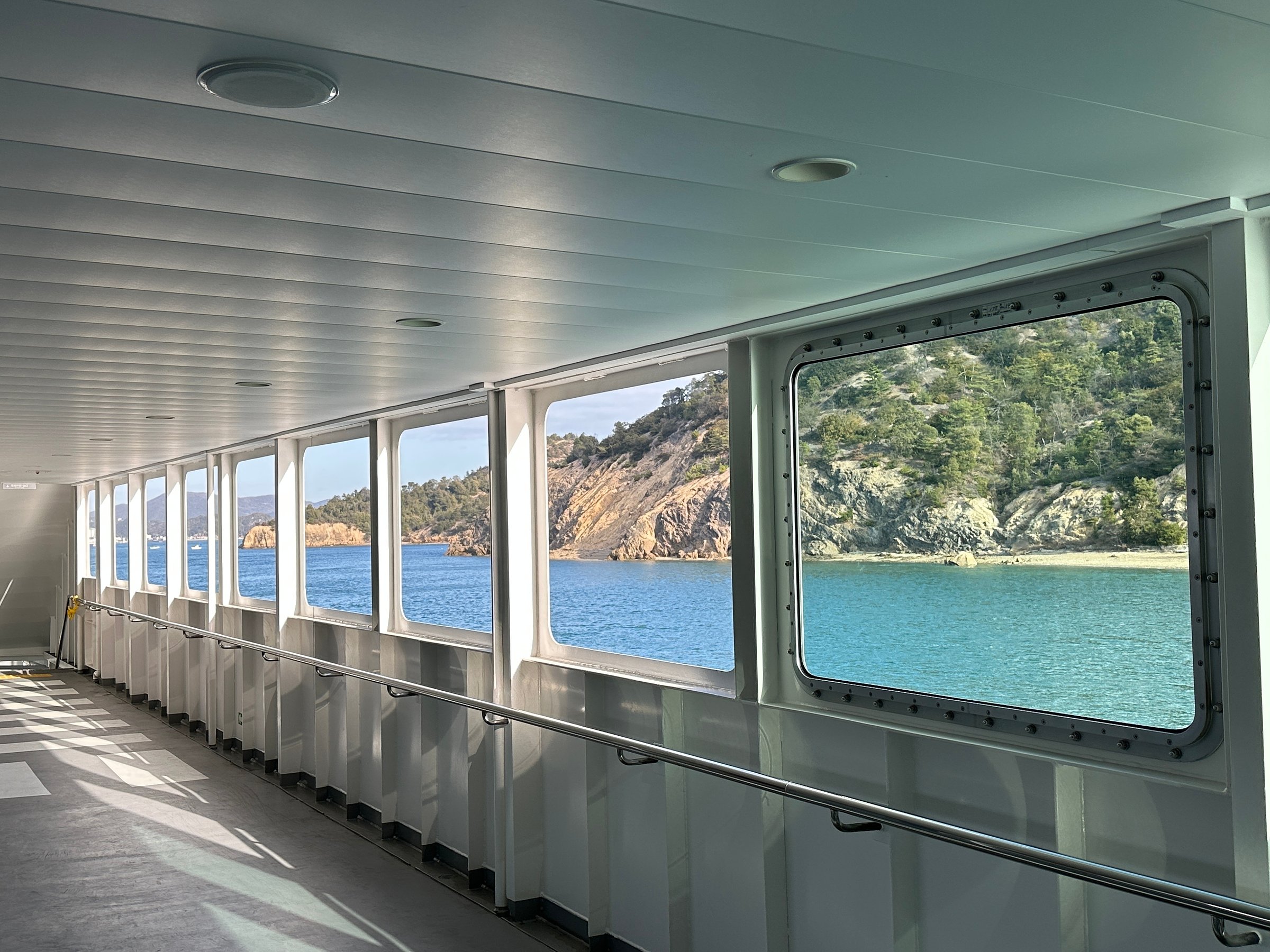
Naoshima’s reinvention is a story of striking contrasts. The Mitsubishi Materials Refinery was established here in 1917, tying the island to Japan's industrial growth while leaving deep environmental damage. Naoshima's reinvention began taking shape in the late 1980s, when Soichiro Fukutake's cultural vision developed into a long-term experiment in bringing art, architecture, and community together. Travel from Osaka by Shinkansen, then hop on local train, ferry, and watch the dense city give way to countryside, blue water, and the low green islands of the Seto Inland Sea.

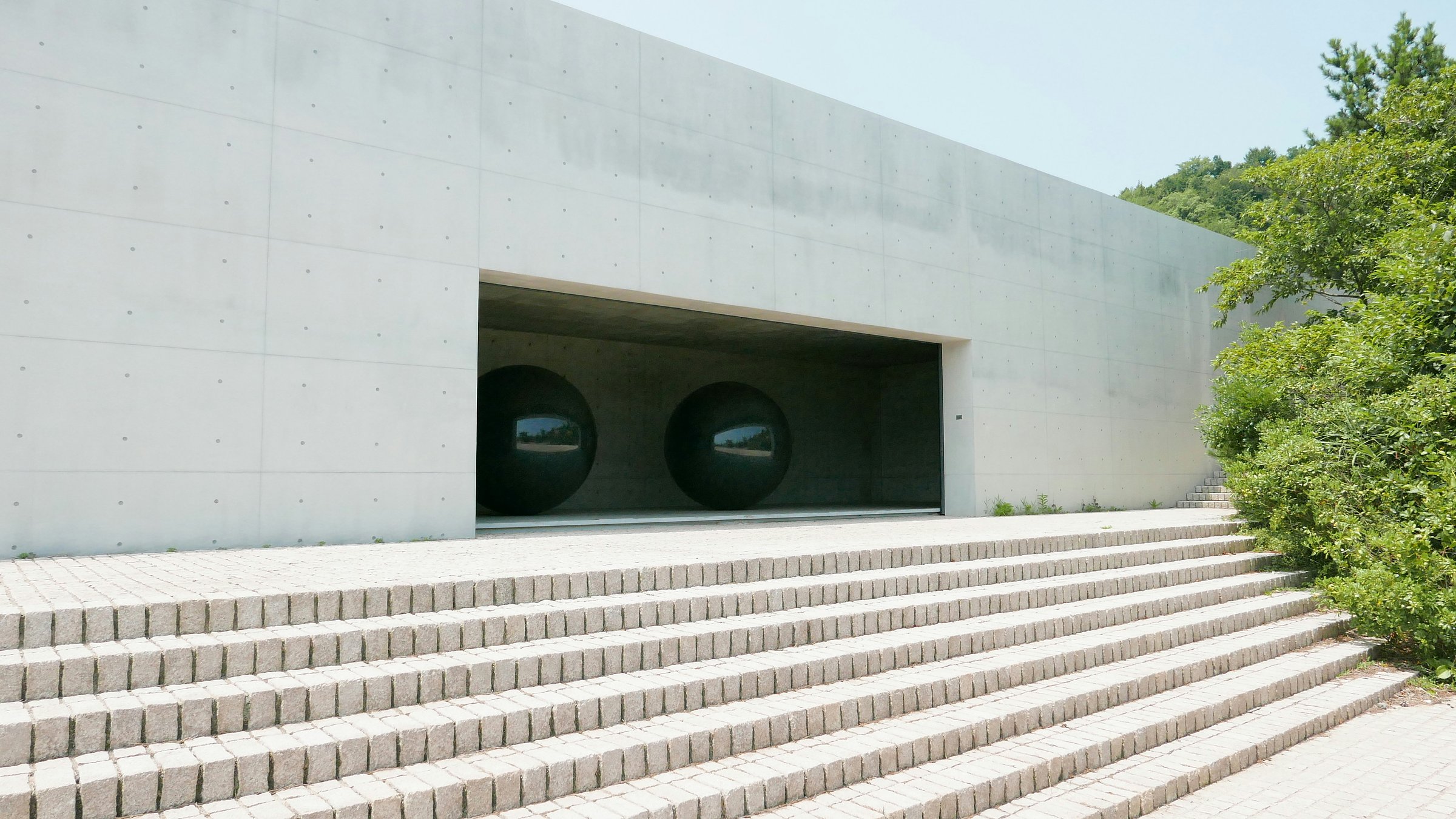
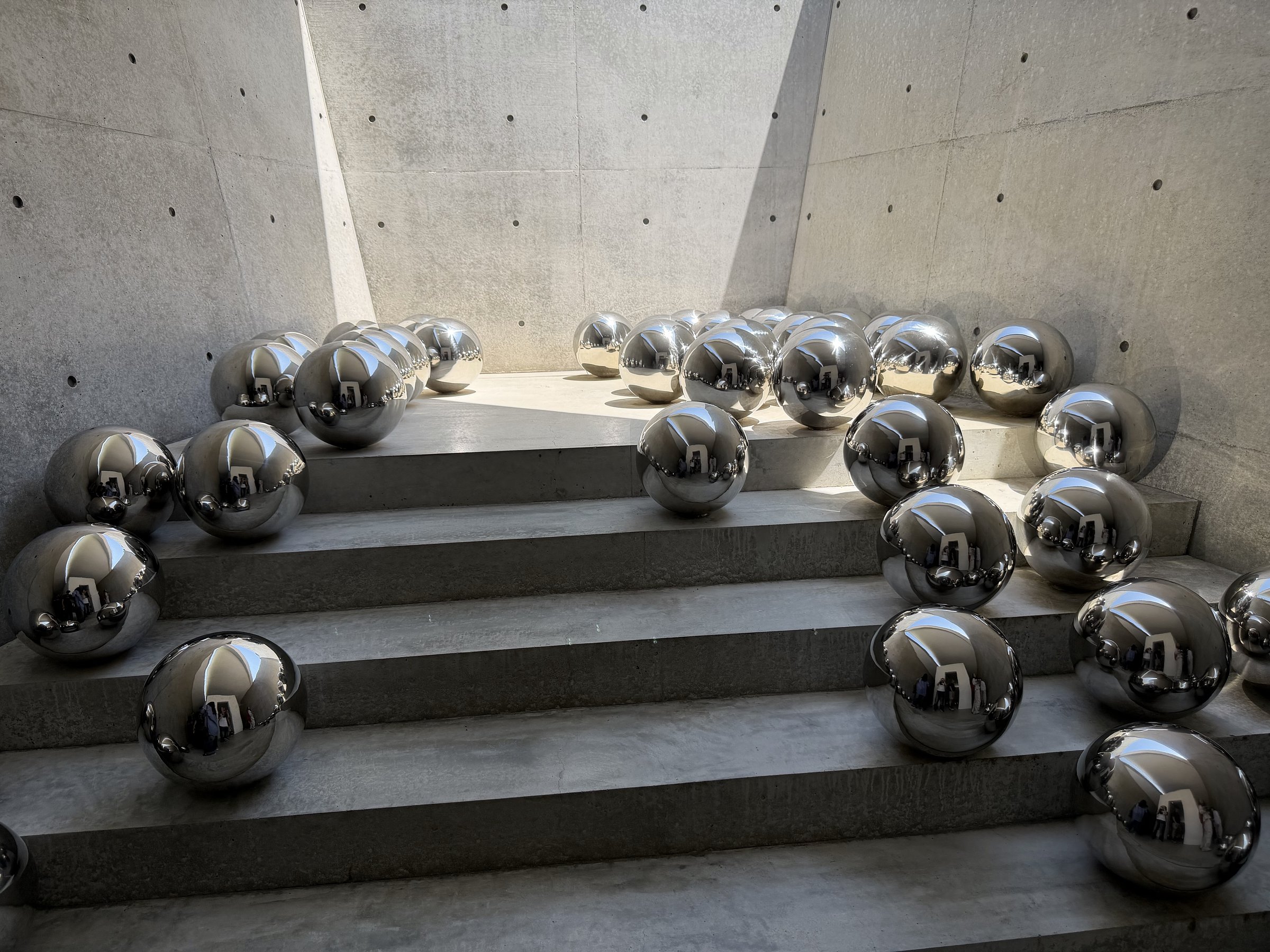
At Chichu Art Museum, aesthetics become inseparable from place. Tadao Ando built much of the museum underground so that architecture would disturb the island's scenery as little as possible. The use of concrete, changing natural light, and narrow passages with geometric openings, is an invite to rethink the relationship between people and nature. With your Context Expert as a visual translator, explore how minimalism can sharpen attention rather than strip experience away, and how the building itself changes the way art is seen.

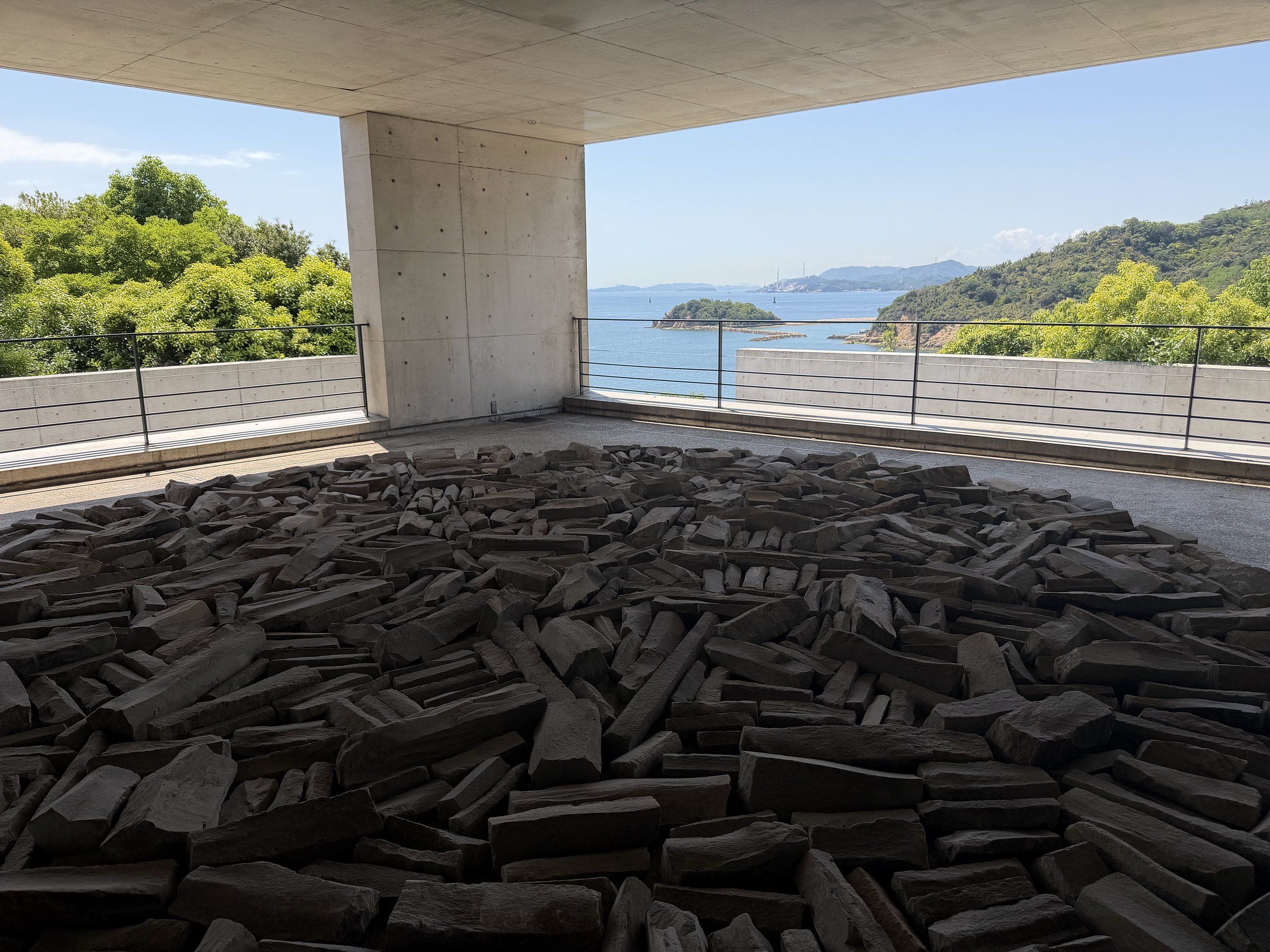
Benesse House Museum opens that conversation outward toward sea and horizon. Since its opening in 1992, the museum and hotel have embodied Ando's effort to bring art, architecture, and nature into close dialogue. Cool concrete is paired with stone, greenery, changing light, and expansive views on the Seto Inland Sea. With the background of blue water and green hillsides, discuss Ando's philosophy and the wider Japanese aesthetic of material simplicity, emptiness, and the careful framing of nature.

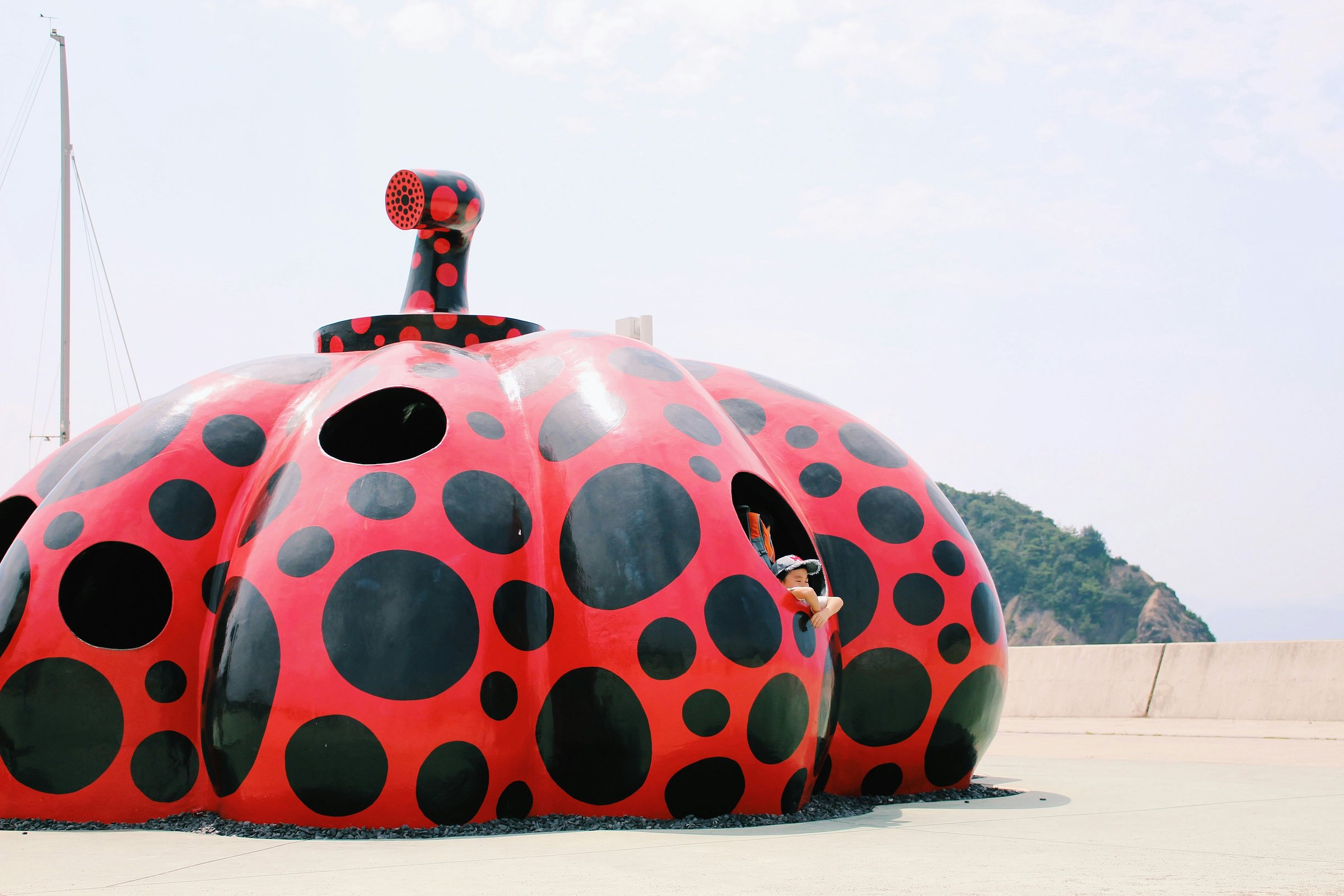
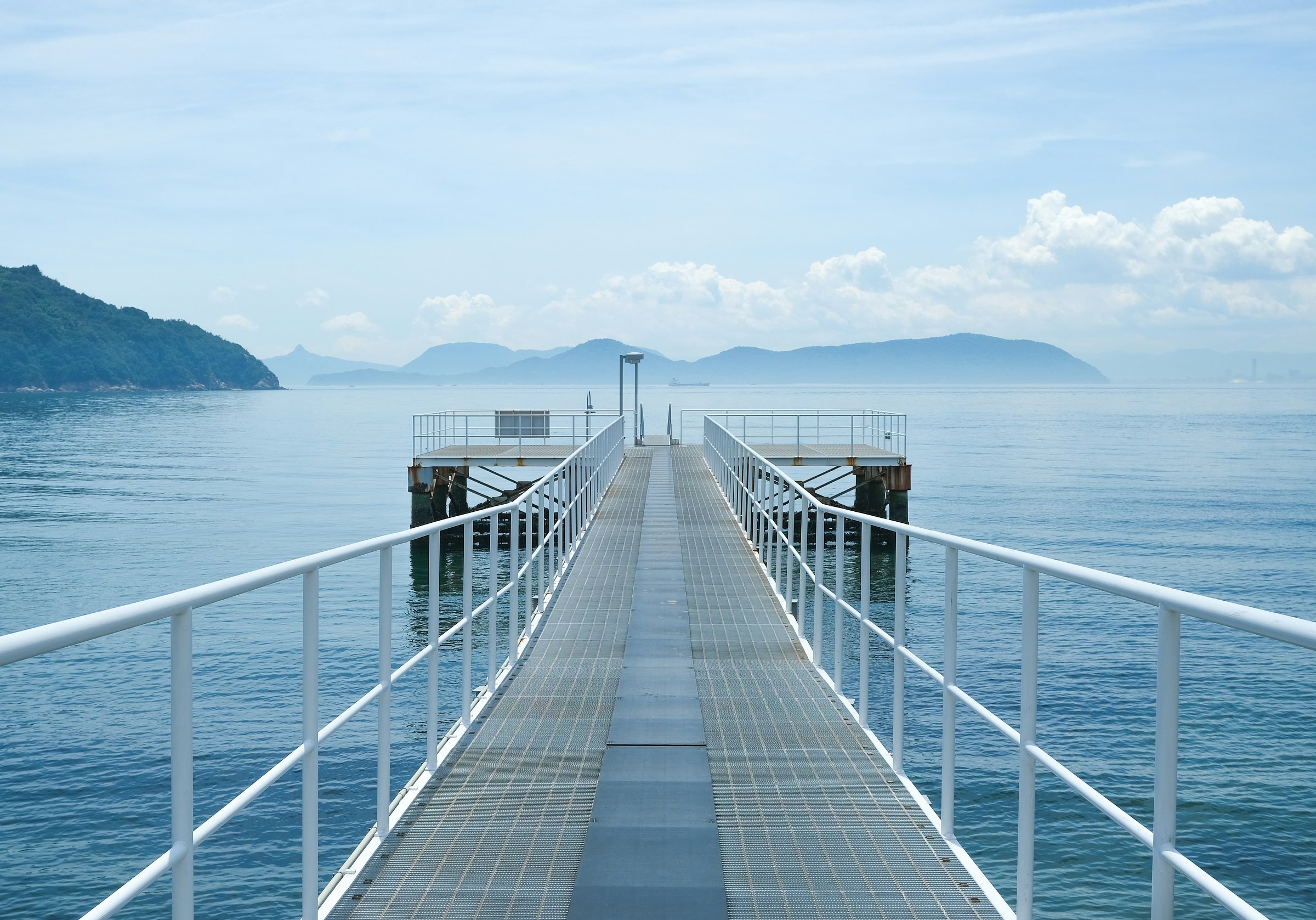
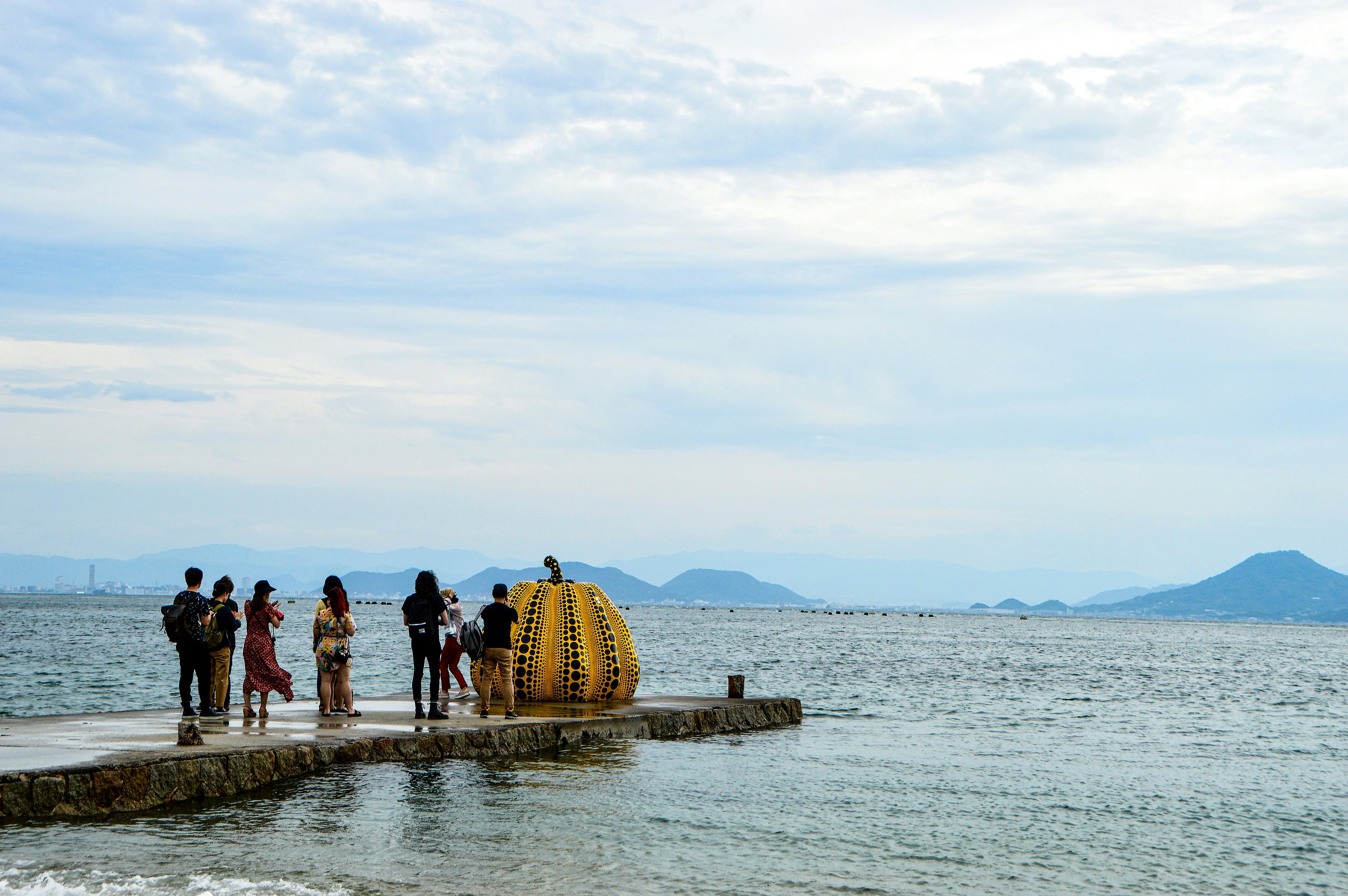
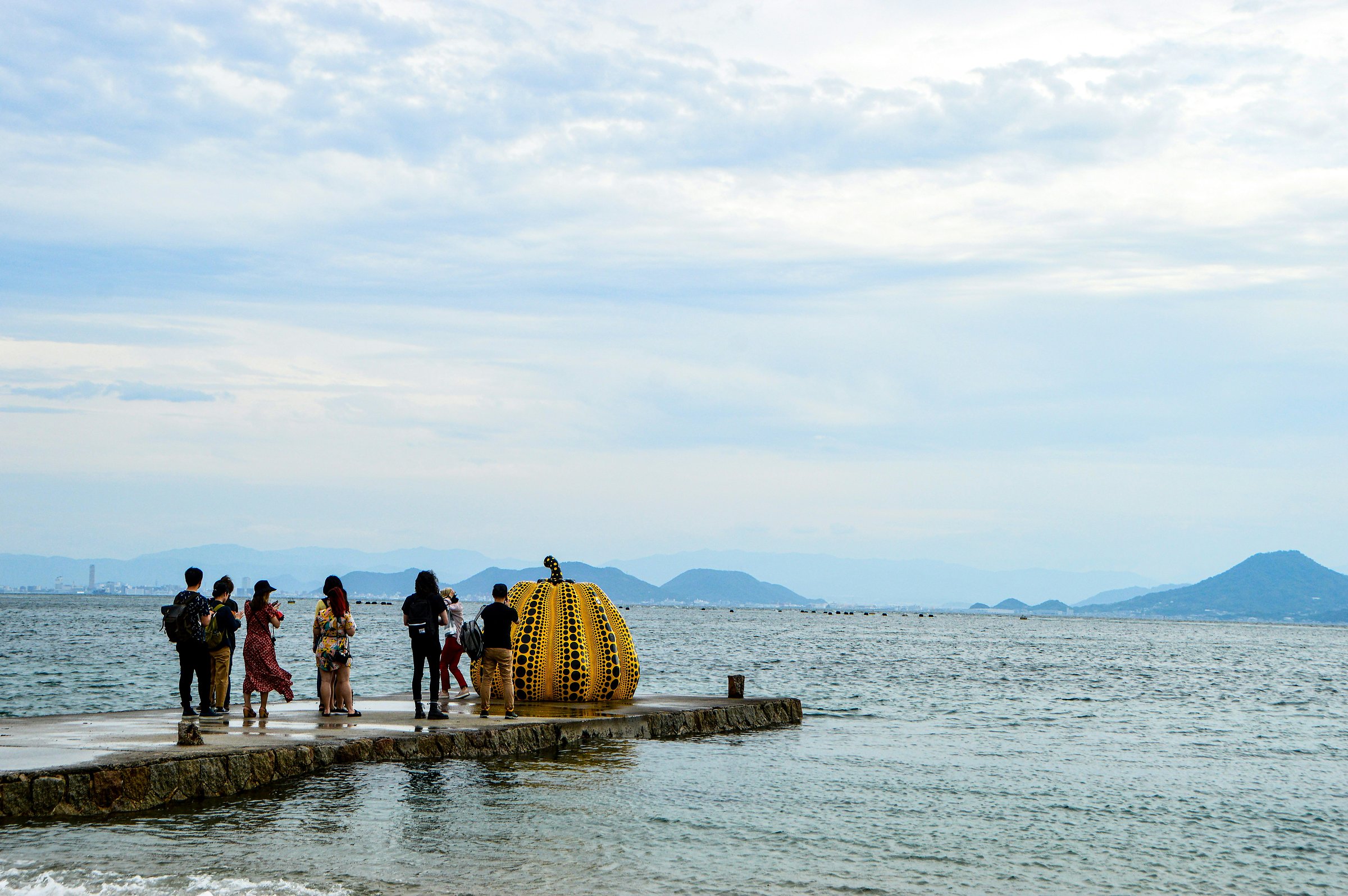
Beyond the museums, Naoshima's identity unfolds in bold contrasts. Yayoi Kusama's Yellow Pumpkin sits against an almost graphic composition of blue water, distant islands, and open sky, while the Red Pumpkin greets Miyanoura Port with glossy color and black polka dots against the working harbor. These playful forms sit within a much larger story about Japan's evolving cultural identity, where contemporary aesthetics, regional revitalization, and the rhythms of island life increasingly overlap.

Depending on your interests and pace, add another lens through the Art House Project, Ando Museum, Naoshima New Museum of Art, Lee Ufan Museum, or Valley Gallery. In Honmura, the Art House Project has transformed vacant traditional homes into artworks while retaining the memories of the rhythms of the village, making urban renovation feel personal. The Naoshima New Museum of Art extends that idea into the present, focusing on artists from Japan and across Asia while explicitly linking art, community, and regional revitalization.

The return by ferry, local train, and Shinkansen offers time for the ideas of the day to settle. Naoshima's visual language stays with you: grass-covered roofs, raw concrete shapes, and bright sculptures punctuating the quiet coastline. Leave with a clearer way to read contemporary art and architecture, and a deeper understanding of aesthetics, minimalism, and landscape in Japan.
Where You’ll Go

From iconic landmarks to tucked-away local favorites, these are the places you’ll explore and experience firsthand with your Expert.

  • Chichu Art Museum
  • Benesse House Museum
  • Kusama Yayoi's Red Pumpkin
  • Kusama Yayoi's Yellow Pumpkin
What’s Included As Standard
Here’s a look at what your tour covers, plus anything you’ll want to consider arranging separately, so you can plan with confidence.
Included
  • English-speaking expert guide
    Tours led in English, offering you unbroken understanding throughout.
  • Intentionally sized groups
    A smaller group means more time for conversations and questions.
  • Tickets and entrance fees
    All entry tickets included (unless clearly stated otherwise).
Not Included
  • Gratuities
    Tips aren’t included, but we encourage tipping as a way to thank your guide after your experience.
  • Food and drink
    Unless booking a Food & Drink tour or tasting experience, refreshments are not included.
  • Transportation
    Private car transportation is not included. You will be traveling by local transport.
Where You'll Explore
Map of Naoshima Art Island Day Trip from Osaka general meeting point area

Make the Most of Your Tour

Some helpful advice for getting the most from your experience, from practical prep to small on-the-day tips.

Dos:
  • Wear comfortable footwear
  • Check the weather and dress appropriately
  • Bring a bottle of water (no glass)
  • Feel free to ask your Expert anything
Don'ts:
  • Bring firearms or weapons
  • Bring sharp objects (e.g. knives, swiss army knives, switchblades, hiking sticks)
  • Dress inappropriately to enter religious sites or sacred monuments
Any questions? You can always contact us.

Frequently Asked Questions

No. We do not recommend trying to visit every museum and art venue in one day. There is too much to see, and rushing to check every box would take away from what makes Naoshima special. The landscape, architecture, outdoor artworks, villages, and the relationship between the art and the Seto Inland Sea are all part of the experience. For first-time visitors, the core priorities are Chichu Art Museum, Benesse House Museum, and the outdoor artworks, plus a third venue such as Lee Ufan Museum or the Naoshima New Museum of Art.
Yes, depending on the guests' pace and energy. Chichu Art Museum and Benesse House Museum are the core visits. A third venue can then be chosen according to your interests, as long as it fits that venue's admission hours and ticket availability. Options include the Art House Project, Ando Museum, Valley Gallery, Naoshima New Museum of Art, the Hiroshi Sugimoto Gallery, or island walking.
If you are interested in architecture, we can prioritize Ando-related sites. For guests interested in community regeneration and traditional village life, the Art House Project in Honmura is particularly recommended. It brings art into renovated homes and works especially well after the larger museums.
Yes. We can do a 10-hour day instead of a 12-hour day and focus on the essential highlights: Chichu Art Museum, Benesse House Museum, the Red and Yellow Pumpkins, and the outdoor artworks. The time in Naoshima will be approximately 4 hours.
Yes. Guests already on the island can meet the guide at Miyanoura Port at around 11:20 AM. Guests staying on Naoshima can leave the guide at Miyanoura Port at around 5:30 PM.
Not entirely. Walking the whole route is not practical, so we use the local buses and the free museum-area shuttle to move between the main areas. Some walking is still required between bus stops and museum entrances.
No, in order to give you more flexibility. Lunch is usually at the café at Chichu Art Museum, and you pay on-site. Your guide can also propose alternatives. For dietary restrictions, the guide will check lunch options against the guests' specific requirements, so please share any dietary needs in advance.
This tour is not easily accessible and is not recommended for guests with mobility issues. The local island buses are quite small, which makes the route difficult for wheelchair users and challenging with a stroller. The tour requires a lot of walking and covers a lot of ground, including walks between bus stops and museum entrances. Each accessibility request should be assessed individually before confirming the route.
Of course, children are always welcome on our tours. Please keep in mind that this is a very long day, and its focus on contemporary art may not be the most engaging for young children. It is a good fit for children who enjoy walking and whose parents feel they would be comfortable with a full day like this.
Yes. Context clients generally tip anywhere from 10–25% of the purchase price of a tour, depending on the quality of the experience and their tipping habits.

Don’t just take our word for it

0 Reviews

Let Your Curiosity Shape Your Journey

Join passionate experts on intimate walking tours that reveal a city’s unique stories, spark conversations, and leave you seeing the world—and yourself—a little differently.

Structured, never scripted

Your interests guide your Expert, leading to stories and perspectives that matter to you.

Crafted for conversation

With 12 or fewer guests, ask questions, engage with your Expert, and fully immerse yourself.

Experts, not guides

Explore with 1,200+ Experts—from historians and architects to archaeologists and chefs.

Naoshima Art Island Day Trip from Osaka

Naoshima is not simply an island with good museums. It is a place where art, architecture, landscape, industry, and village life have been deliberately brought into conversation. On this Naoshima Art Island day trip from Osaka, travel from the density of the city into the Seto Inland Sea, where Tadao Ando’s concrete architecture, contemporary installations, traditional houses, and coastal scenery have helped transform the island into one of Japan’s most important art destinations. The journey itself makes that contrast visible. Shinkansen, local train, and ferry gradually replace city streets with farmland, blue water, and the low islands of the Setouchi region. Once on Naoshima, the focus shifts from simply seeing major works to understanding why contemporary art took root here at all. That question is what makes the island more interesting than a collection of museum stops.

Naoshima’s contemporary identity developed against a much older industrial one. Copper smelting has been part of the island’s economy since the early twentieth century, and the northern side remains industrial today. Benesse Art Site Naoshima’s cultural project began taking shape in the 1980s, with the first international campsite opening in 1989 and Benesse House Museum following in 1992.

That history is important because the art project did not begin on an untouched resort island. Naoshima already had working communities, industry, environmental pressures, fishing, and an aging population. The cultural development that followed introduced a different model: contemporary art and architecture placed directly into the island landscape rather than isolated within a conventional museum district.

Over time, museums, site-specific installations, restored houses, and public artworks began appearing across the island. The result is why Naoshima now feels so distinctive.

The transformation is not simply from “industrial” to “artistic.” Both identities still coexist, making the island a useful case study in how culture can reshape a place without erasing what came before.
Tadao Ando’s architecture does not treat the island as scenery outside the museum. Landscape, light, concrete, sea, and art become part of the same experience.

Benesse House Museum, opened in 1992, was designed around the idea of bringing nature, art, and architecture together. Its galleries open toward the Seto Inland Sea, while artworks extend beyond the building into the surrounding landscape.

At Chichu Art Museum, opened in 2004, Ando pushed that idea even further. Much of the museum sits underground so that the building interferes as little as possible with the island landscape, while natural light becomes part of how works by Claude Monet, James Turrell, and Walter De Maria are experienced.

That relationship between architecture and artwork is central to understanding Naoshima. You are not simply moving from gallery to gallery. The sequence of compression and openness, darkness and natural light, concrete and landscape changes how you encounter the art.

For that reason, Naoshima is as significant for architecture as it is for contemporary art.
The most revealing part of Naoshima may be what happens when contemporary art enters an existing village. The Art House Project began in Honmura in 1998 and now incorporates several former homes and other structures into site-specific artworks. Rather than creating a separate contemporary-art district, artists worked within buildings embedded in the neighborhood’s existing streets and history.

That changes the relationship between visitor, artwork, and community. You move between art spaces while residents continue their everyday lives around them. Old wood, narrow lanes, domestic architecture, shrines, and contemporary interventions all occupy the same environment.

The project therefore asks a different question from a museum: what happens when the place itself becomes part of the artwork?

That is one reason the island’s cultural transformation feels more complicated than simply opening new galleries. Naoshima is still home to roughly 3,100 residents across several communities, with ongoing industries including copper smelting, aquaculture, tourism, and cultural activity. The art exists within that living island rather than replacing it.

Why is Naoshima called Japan’s Art Island?

Naoshima became internationally known through the concentration of contemporary museums, site-specific installations, architecture, and village-based projects developed largely through Benesse Art Site Naoshima. The combination of major artists, Tadao Ando architecture, outdoor works, and the island setting is what distinguishes Naoshima from a conventional museum destination.

What is special about Chichu Art Museum?

Chichu Art Museum is built largely underground so that the surrounding Seto Inland Sea landscape remains visually dominant. Tadao Ando designed the architecture around permanent installations by Claude Monet, James Turrell, and Walter De Maria, with natural light playing an important role in how the works are experienced.

What makes Benesse House Museum different from a normal museum?

Benesse House combines a museum and hotel and was designed around the idea that art, architecture, and nature should coexist. Works appear both inside the museum and throughout the surrounding landscape, making the environment part of the experience rather than merely a backdrop.

Is Naoshima mainly about contemporary art?

Contemporary art is what made Naoshima internationally famous, but the island also has an industrial history, fishing communities, traditional neighborhoods, and a long relationship with maritime trade in the Seto Inland Sea. Those layers make the island’s recent cultural transformation more meaningful.

What is the Art House Project?

The Art House Project turns former houses and other buildings in Honmura into site-specific artworks. Rather than separating art from everyday life, the project places contemporary works inside an existing residential neighborhood and incorporates local history and memory into the installations.

Is Naoshima worth visiting if I am more interested in architecture than art?

Yes. Naoshima contains an unusually concentrated body of work by Tadao Ando, including Benesse House Museum, Chichu Art Museum, Lee Ufan Museum, ANDO MUSEUM, and the newer Naoshima New Museum of Art. The architecture itself is one of the island’s strongest reasons to visit.