The Normandy landing beaches lie far beyond Paris, but a carefully coordinated rail journey makes it possible to experience their history in a single day.
This private Normandy tour from Paris begins with an independent train ride from Paris Saint-Lazare to Caen. On arrival, you meet your WWII Expert and private driver for an extended exploration of the D-Day beaches, battlefields, memorials, and military cemeteries. At the end of the tour, you are driven to Bayeux station for the return train to Paris.
The experience concentrates fully on the Allied invasion of Normandy in June 1944. It is not a general sightseeing tour of the region. Your time on the ground is reserved for the places that best explain how the landings unfolded, why individual sectors differed, and what the campaign cost.
A Full-Day D-Day Excursion Designed Around the Train
Travel between Paris and Normandy requires significant time. This itinerary is structured so that the longest portion of the journey takes place by train rather than in a vehicle navigating roads out of Paris.
The rail journey takes approximately two hours each way. Clients usually depart Paris between 8:15 and 8:45 a.m., meet the Expert and driver in Caen at around 11 a.m., and return to Paris at approximately 8:45 or 9 p.m. The complete day therefore lasts around 12 hours, including rail travel, even though the guided portion in Normandy is approximately seven to eight hours.
Round-trip tickets can be arranged in advance and emailed before departure. First-class tickets or private car service from Paris may also be available for an additional cost.
Understand D-Day Across Several Landing Sectors
The five D-Day beaches—Utah, Omaha, Gold, Juno, and Sword—formed part of one coordinated operation, but each sector presented different terrain, objectives, defenses, and outcomes.
A knowledgeable Expert helps place individual stops within that wider plan. Rather than treating every beach as an isolated memorial, the tour considers how naval bombardment, airborne operations, coastal defenses, weather, intelligence, logistics, and decisions made under pressure affected the invasion.
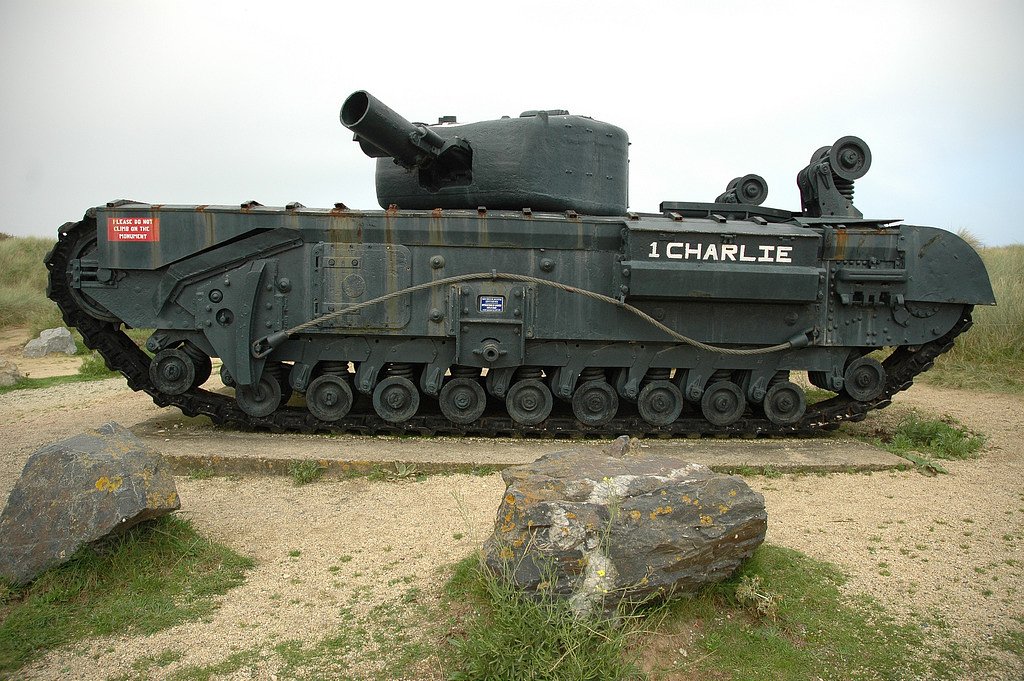
The itinerary varies by Expert and conditions, but may include Omaha Beach, Juno Beach, Arromanches, Pointe du Hoc, the Normandy American Cemetery, La Cambe German War Cemetery, and other sites along the Normandy coast.
Stand on the Ground That Shaped the Battle
Maps explain where troops landed. The terrain explains what they faced.
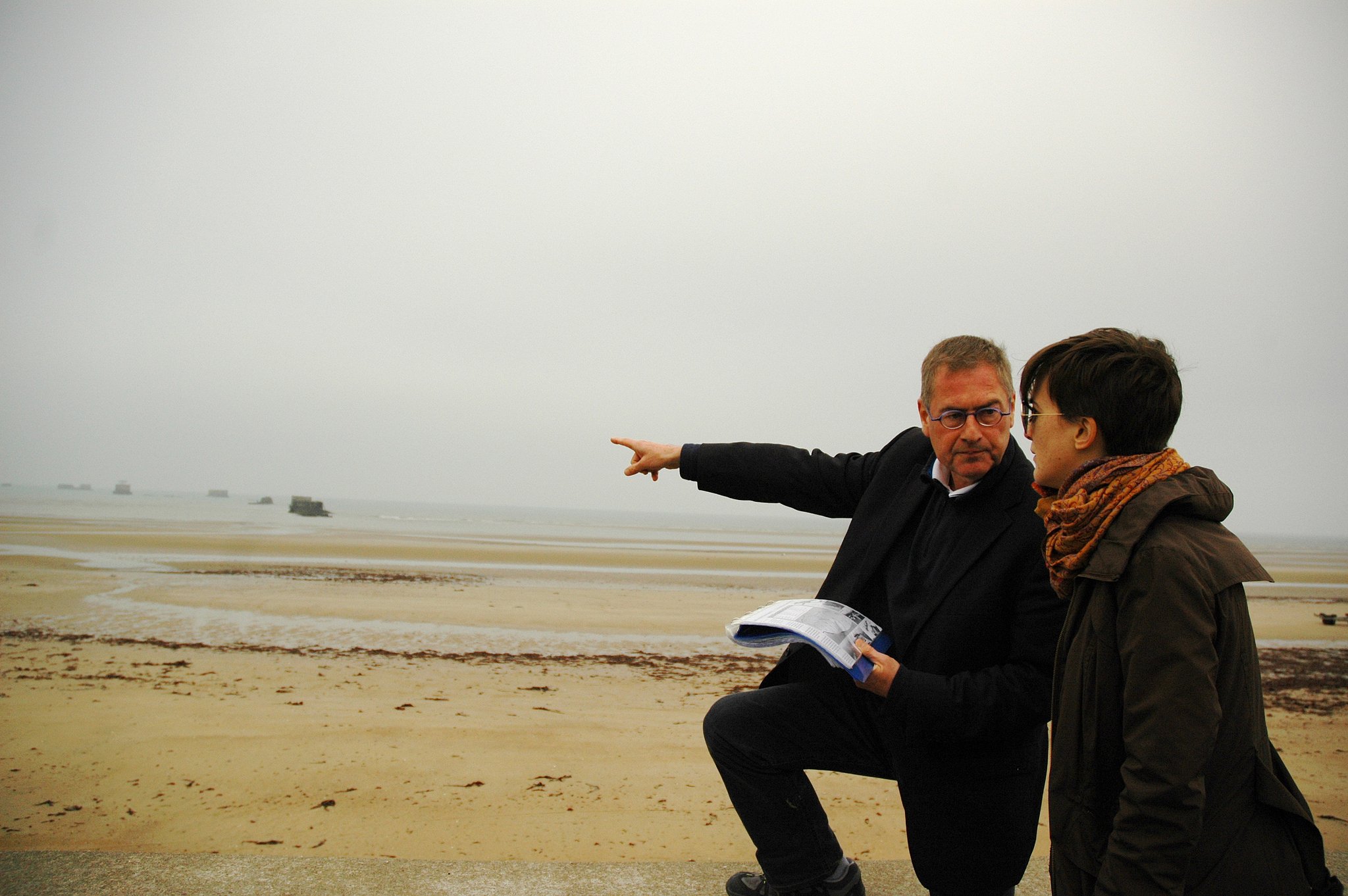
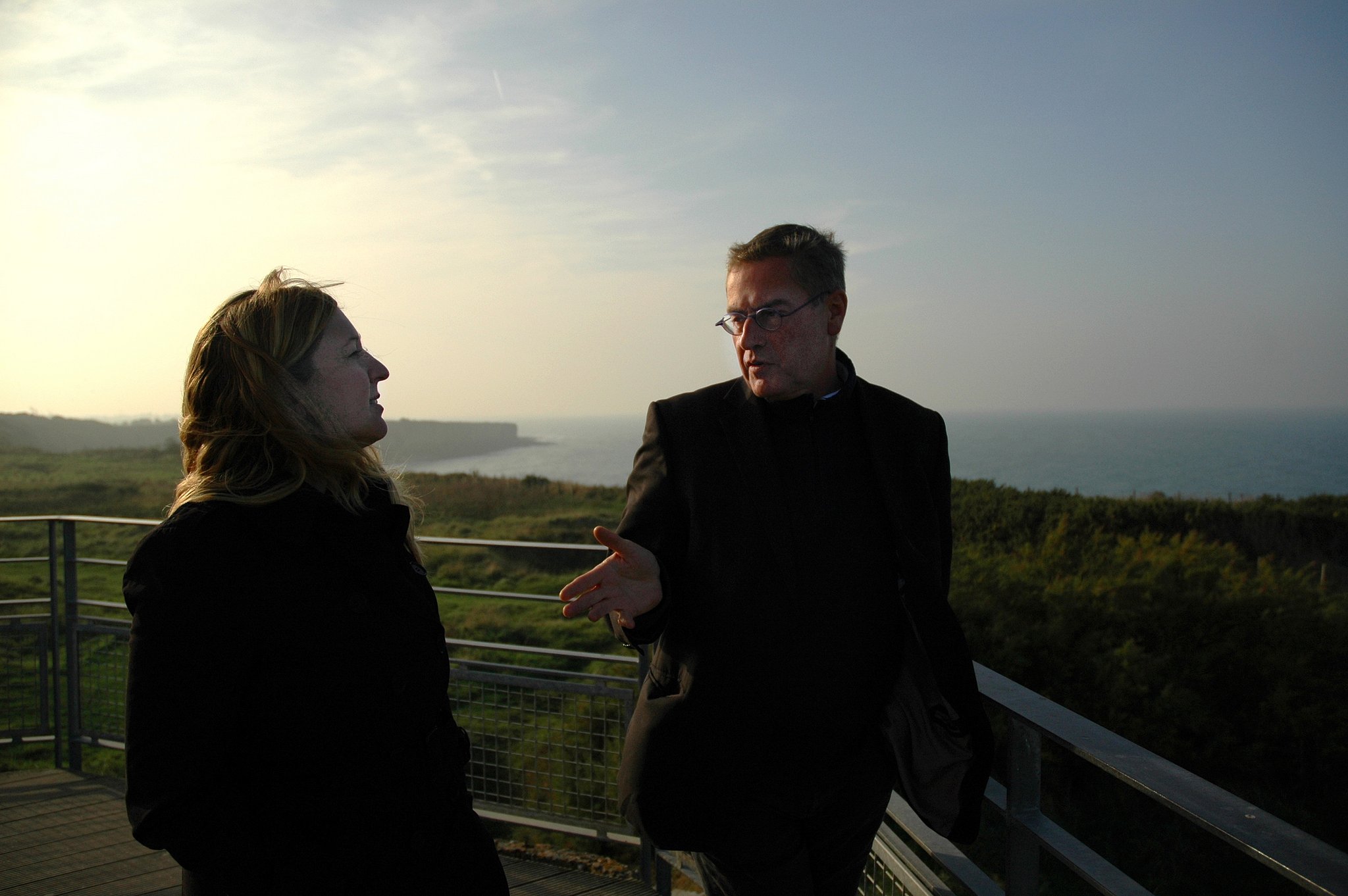
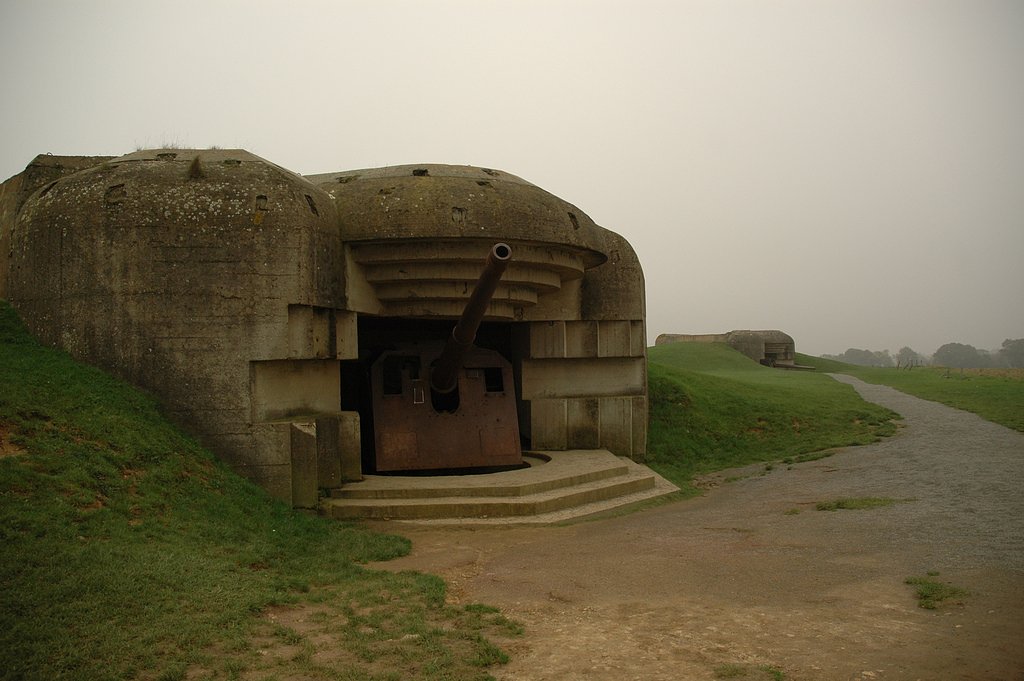
At Omaha Beach, the distance across the sand and the bluffs rising beyond it reveal why troops were so exposed. Pointe du Hoc preserves bomb craters, defensive positions, and the steep cliffs scaled by United States Army Rangers. At Arromanches, surviving elements of the artificial Mulberry Harbour make the logistical scale of the invasion visible.
Your Expert uses the landscape as historical evidence, connecting slopes, tides, roads, fields, and fortified positions to the decisions made on June 6, 1944.
Place Omaha Beach Within the Wider Campaign
Omaha Beach has become one of the best-known symbols of D-Day because of the severe resistance and casualties experienced there. Yet focusing on Omaha alone can obscure the scale and coordination of Operation Overlord.
This tour broadens the story to include other Allied sectors and the infrastructure required to sustain the landings. Juno Beach introduces the Canadian contribution. Arromanches demonstrates how supplies were brought ashore after the initial assault. Military cemeteries show how the campaign has been remembered by different nations.
Together, these sites reveal D-Day as both an intensely human experience and an enormous multinational undertaking.
Examine Strategy Without Losing the Human Story
Military history can become dominated by units, objectives, and movements on a map. Those details matter, but they do not fully communicate what happened on the Normandy coast.
Throughout the day, strategic interpretation is balanced with accounts of individual soldiers, medics, civilians, resistance members, and commanding officers. Your Expert may use maps, photographs, letters, eyewitness testimony, and local knowledge to connect large decisions with their consequences on the ground.
This approach gives experienced history enthusiasts room for detailed discussion while keeping the central story clear for visitors without prior expertise.
Consider How Different Nations Remember D-Day
The military cemeteries of Normandy are not interchangeable. Their design, inscriptions, symbols, and landscaping reveal different approaches to burial and commemoration.
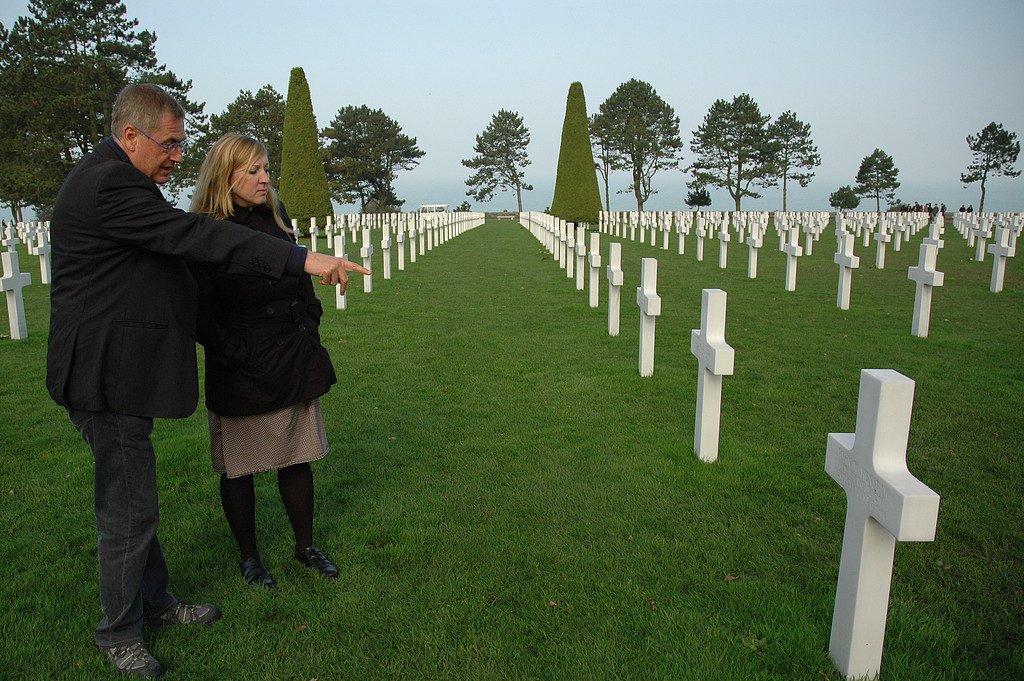
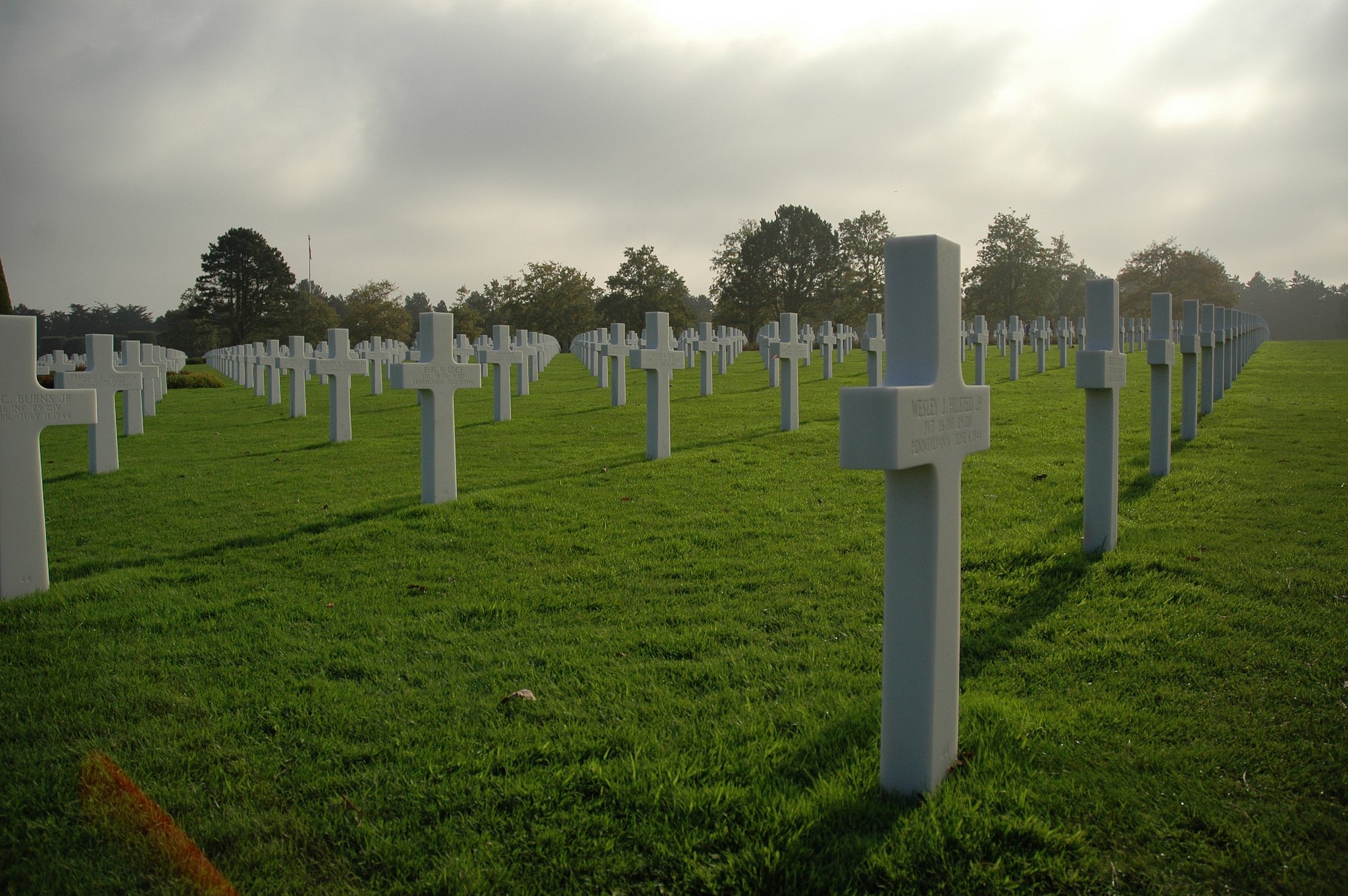
The Normandy American Cemetery overlooks Omaha Beach and contains the graves of thousands of American service members. La Cambe German War Cemetery presents a starkly different landscape and provides an opportunity to discuss loss, responsibility, reconciliation, and the challenges of remembering a war fought under a criminal regime.
Visiting both can deepen the tour beyond a straightforward account of military success. The discussion considers how nations construct memory and how Normandy continues to carry the legacy of the invasion.
Explore Normandy with a WWII Specialist
A
day trip from Paris leaves little room for a disorganized route or a generic commentary. The value of the experience depends on selecting the right sites and understanding how they relate to one another.
Context’s Normandy Experts include historians and specialists with detailed knowledge of the Second World War, the Allied landings, battlefield geography, and local history. The current page features several historians and includes more than 170 guest reviews, many of which specifically praise the depth of their knowledge and their ability to connect strategy with personal experience.
Because the tour is private, the Expert can adjust the level of detail to your existing knowledge and interests while keeping the itinerary realistic within the available time.
Keep the Day Focused on World War II
Normandy is a large region with medieval towns, coastal villages, museums, abbeys, and other historically important sites. Those places cannot be added to this itinerary without substantially reducing the time available at the D-Day locations.
The tour therefore remains focused on the events of June 1944 and their aftermath. Requests to add non-WWII attractions are better handled through a custom Normandy excursion or a separate stay in the region.
The Caen Memorial may be possible in some circumstances, but including it would require reducing the number of battlefield stops. For most guests, the coastal sites make better use of a single day because they offer direct access to the landscapes where events occurred.
Choose the Right Normandy Departure Point
This excursion is designed specifically for travelers based in Paris. The train and private Normandy transportation allow you to visit the landing beaches without changing hotels or organizing a multiday trip.
Travelers already staying in Bayeux, Caen, or elsewhere in the region should instead choose the dedicated
Normandy D-Day Tour from Bayeux, which begins locally and avoids the four hours of return rail travel.
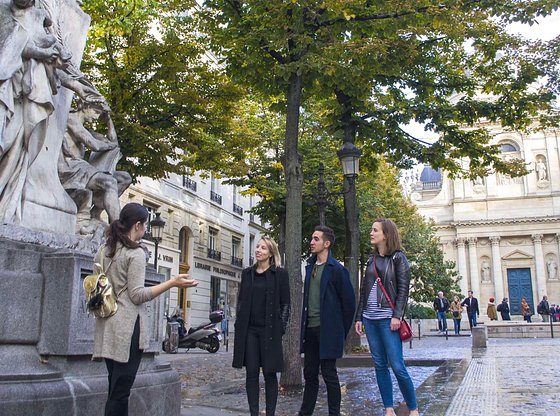
Continue Exploring World War II History in Paris
The D-Day landings formed part of a wider story that includes the occupation of France, resistance networks, collaboration, liberation, and the political rebuilding of Europe.
Frequently Asked Questions
Is this a Normandy tour from Paris by train?
Yes. Guests travel independently from Paris Saint-Lazare to Caen, where they meet their Expert and private driver. At the end of the guided tour, the driver takes them to Bayeux station for the return train to Paris.
Are the train tickets included?
Yes, round-trip tickets are included and emailed before the tour.
How long is the Normandy day trip from Paris?
The complete excursion lasts approximately 12 hours. The guided and driven portion in Normandy lasts approximately seven to eight hours, with around two hours of train travel in each direction.
The product card currently displays eight hours, which could mislead guests into thinking the full Paris-to-Paris experience is shorter. I recommend showing approximately 12 hours including train travel prominently on the page.
Where does the tour begin?
Guests depart independently from Paris Saint-Lazare station. The guided experience begins in Caen, where the Expert and driver meet the group outside the station near Hôtel La Consigne.
Where does the tour end?
The Expert and driver take guests to Bayeux station for the return train to Paris. The final train arrives at Paris Saint-Lazare.
Which D-Day beaches does the tour visit?
The itinerary may include Omaha Beach, Juno Beach, and other landing sectors, along with Pointe du Hoc, Arromanches, the Normandy American Cemetery, La Cambe German War Cemetery, and additional battlefield locations.
The precise route varies according to the Expert, opening conditions, traffic, and the historical interests of the group. The page should avoid promising all five beaches unless every itinerary reliably includes them.
Does the tour visit Utah Beach?
The supplied itinerary information mentions Utah Beach in the descriptive copy, but the operational route more consistently identifies Omaha, Juno, Arromanches, Pointe du Hoc, and the cemeteries. Utah Beach should only remain in customer-facing content if it is reliably included.
Does the tour include the Normandy American Cemetery?
Yes, the Normandy American Cemetery and Memorial is identified as a standard stop on the current tour page.
Does the tour visit a German military cemetery?
Yes. The standard itinerary includes La Cambe German War Cemetery, creating an opportunity to discuss how different nations bury and commemorate their war dead.
Is lunch included?
No. Time is provided for a brief lunch break, but the cost of food and drink is not included.
Can I upgrade to first-class train tickets?
Yes. First-class tickets may be arranged for an additional cost, subject to availability.
Can I travel from Paris by private car instead?
Yes. A private vehicle can collect guests from their Paris hotel and drive them to meet the Expert in Normandy. The drive usually takes approximately 2.5 to three hours each way and incurs an additional charge.
Is this a private Normandy tour?
Yes. The tour is designed for a private party with a dedicated WWII Expert and vehicle in Normandy. Larger groups may require a different vehicle and an additional fee.
Is this tour suitable for travelers without detailed knowledge of D-Day?
Yes. The Expert establishes the broader military and political context before moving into more detailed discussion. The content can be adapted for first-time learners as well as experienced military-history enthusiasts.
Can the Caen Memorial be added?
It may be possible, but the museum requires enough time that other sites would need to be removed. For a single-day excursion, visiting the beaches and battlefield landscapes generally provides a stronger sense of place.
Can non-WWII Normandy sites be added?
Not within the standard itinerary. Normandy is too large to combine the D-Day beaches meaningfully with unrelated regional attractions in one day from Paris. A custom excursion or an overnight stay would be better suited to broader interests.
Is this tour suitable for guests with limited mobility?
Most stops are accessible, and the route can be adapted. Context recommends considering private car service from Paris rather than the train when mobility is a concern. Guests should contact the team before booking to discuss specific requirements.
How is this different from the Normandy-based D-Day tour?
This excursion includes the logistics required for a same-day visit from Paris. The locally based tour begins in Normandy and is better for guests staying in Bayeux, Caen, or nearby, since it avoids the return train journey and allows the day to begin closer to the battlefields.