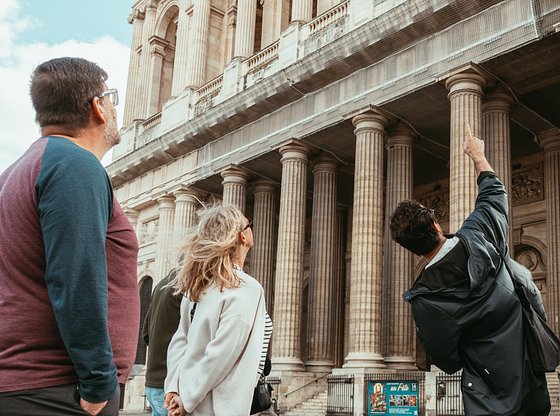
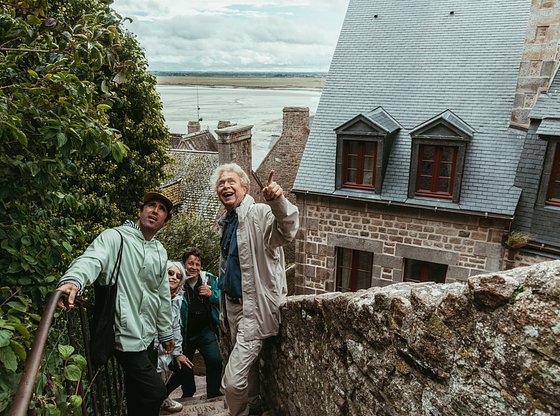
What an amazing day! Thank you, William, for making a bucket list trip for my husband so memorable. Your personal touches with regard to his grandfathers history of arriving here back in 1944 will never be forgotten. All of us thoroughly enjoyed our day spent with you and Sebastian! We look forward to seeing you again when we return!
Normandy D-Day Beaches Day Trip from Bayeux
See how geography shaped the D-Day landings
Understand the moving history and significance on this beaches of Normandy tour, where sand met sacrifice during World War II.
Tour Highlights
- Walk Omaha Beach with context Stand where soldiers landed, with stories that bring the landscape to life.
- Understand D-Day strategy Decode the Allied Forces’ tactics, timings, and turning points with clear context.
- Navigate Normandy with ease Focus on reflection and learning while we handle the local logistics.
- See more than empty beaches Go beyond the sand at your feet to understand June 6, 1944 through layered stories and analysis.
- Visit one of many cemeteries Reflect amongst a sea of memorials: a reminder of sacrifice and lasting legacies.
- Maximize your day in Normandy Spend meaningful time, focused at the important sites without any of the guesswork.
Led by Experts, Shaped by You
Explore with an expert guide who responds to your questions, your interests, and your pace. Reveal layers of meaning most visitors miss—go from seeing to understanding.
The Finer Details
History can feel distant until you stand where it happened. Along the Normandy coastline, broad stretches of sand hold stories that reshaped the 20th century. With your Expert and a private driver, move through these landscapes with both clarity and purpose. The beaches may be quiet now, but their silence carries weight.
This full-day Normandy D-Day tour steps into key coastal sites where planning, weather, and timing converged in the early hours of June 6, 1944. Through maps, firsthand accounts, and close attention to the terrain itself, you’ll examine why events did not always unfold as expected. The conversation moves beyond headlines into the human decisions made under extraordinary pressure. What does courage look like when uncertainty clouds every step?
Along stretches of open shoreline and beneath commanding bluffs, the geography becomes part of the story. Defensive positions, shifting objectives, and the staggering losses of the first waves are reconstructed with care. Without context, these beaches can feel like vast expanses of sand. With it, the landscape becomes testimony.
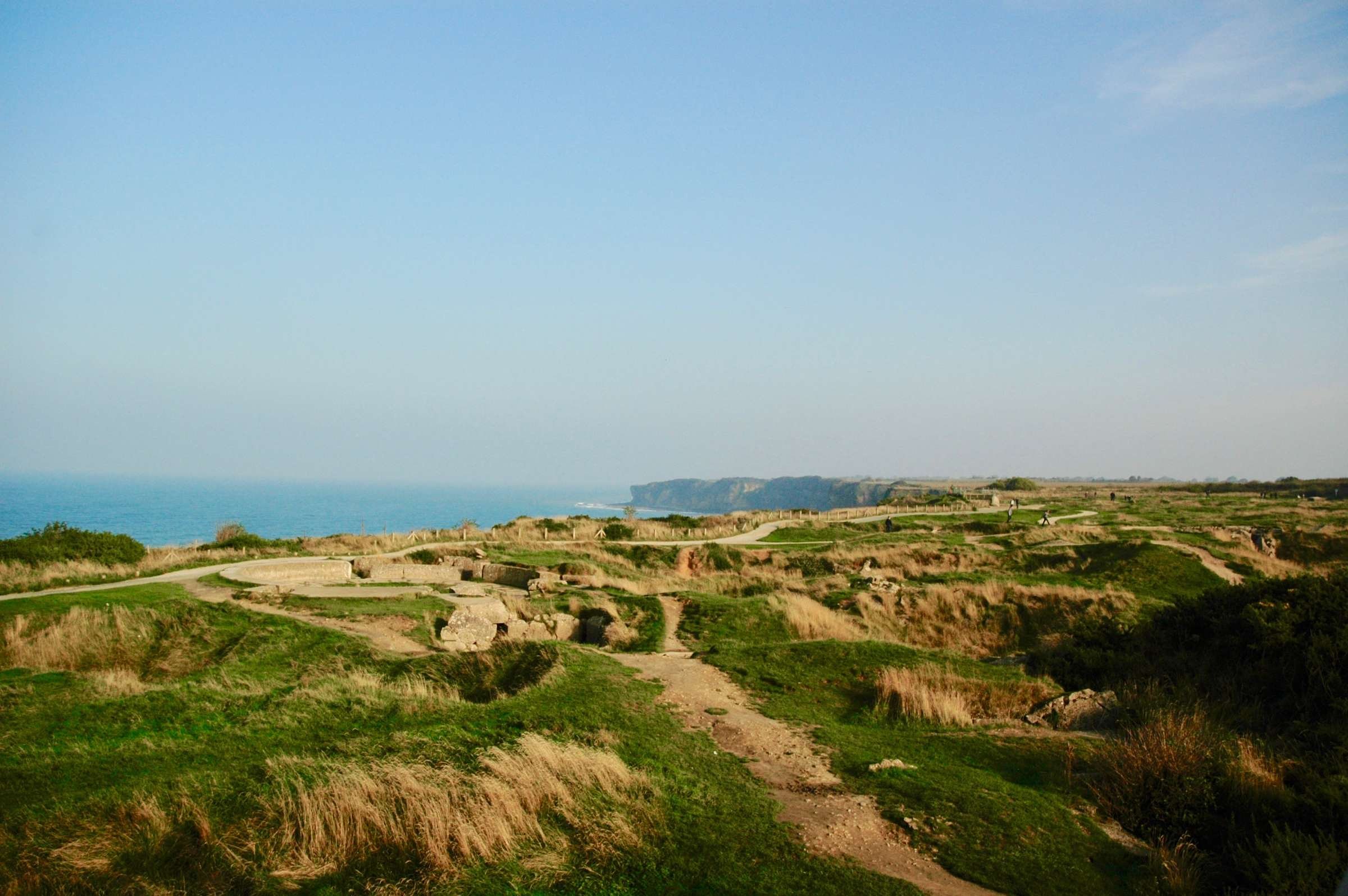
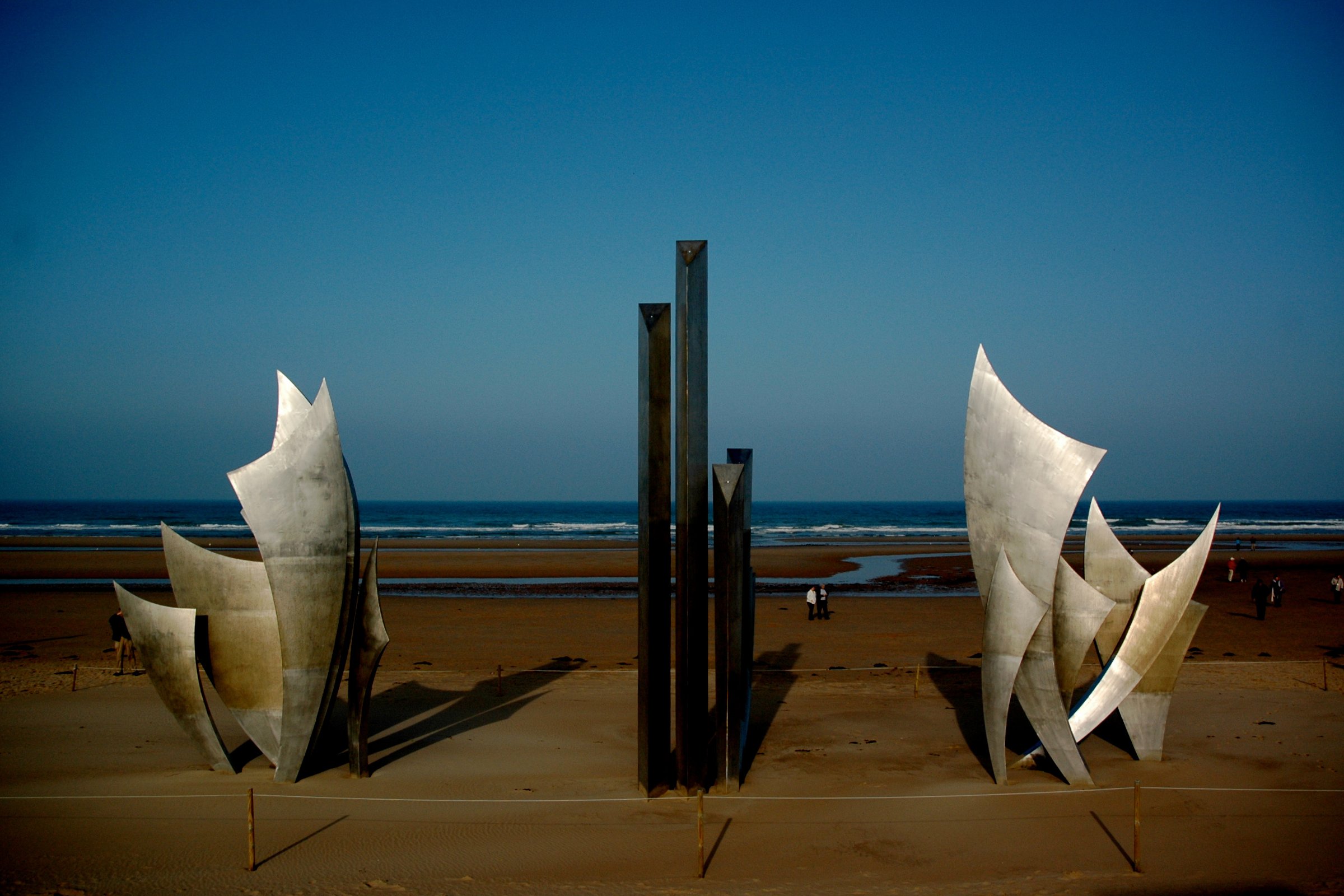
Across the sands of Utah Beach and Omaha Beach, and along the dramatic cliffs of Pointe du Hoc, consider how terrain shaped tactics and how plans shifted in real time. At Utah, airborne drops and tidal conditions altered the morning’s expectations. At Omaha, rising bluffs and entrenched defenses turned open sand into one of the most harrowing sectors of the invasion. At Pointe du Hoc, craters still mark the ground where U.S. Rangers scaled sheer cliffs under fire. Intelligence gaps, improvisation, and resilience thread through each location, revealing an operation both meticulously planned and profoundly human.
Take a moment to consider the remains of the Mulberry Harbor which still rest off the Normandy shore: fragments of an extraordinary engineering solution designed to sustain the Allied advance. Logistics may sound technical, yet here it becomes tangible. Concrete caissons and shifting tides remind us that victory relied not only on bravery, but on foresight, coordination, and thousands of unseen hands.
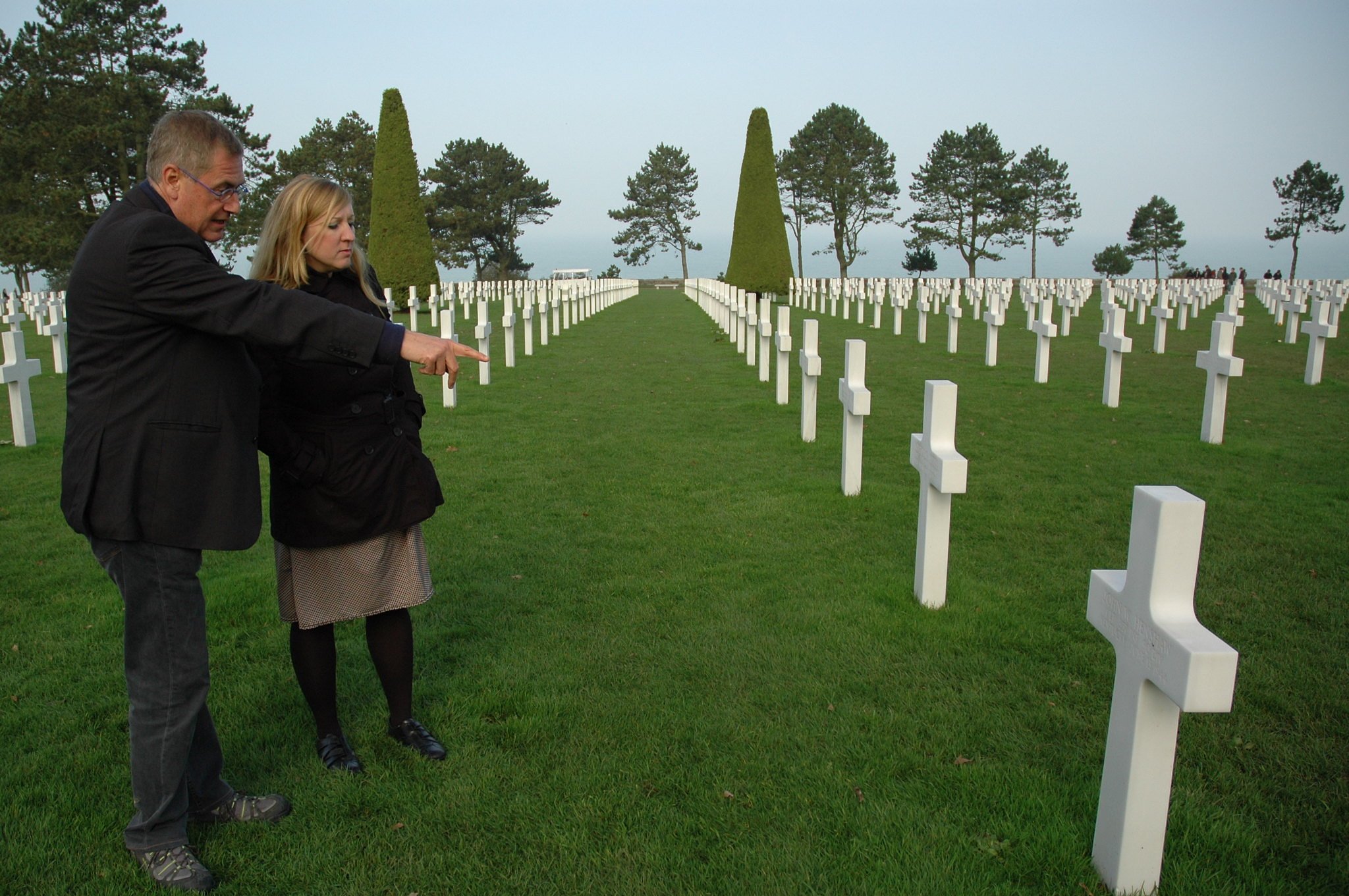
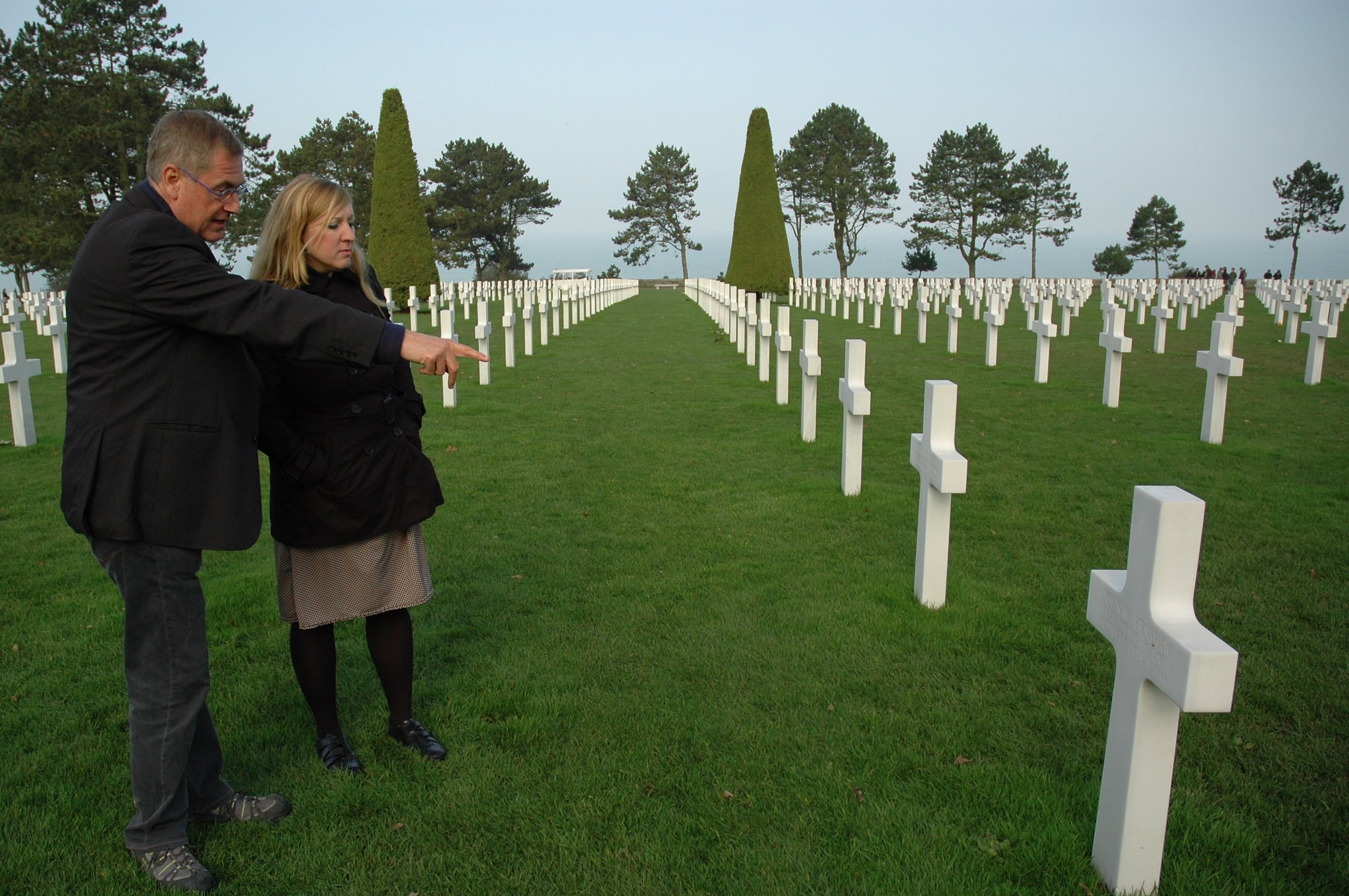
Time is set aside for a moment of observation at a military cemetery, where rows of headstones extend with deliberate stillness. For some visitors, this is a moment of family connection. For others, it is an act of witness. Standing among the names, the scale of history narrows to individuals, to lives barely begun, to hometowns oceans away. The landscape grows quiet. Strategy gives way to remembrance, and the meaning of the day settles differently.
Meet the Experts








Where You’ll Go
From iconic landmarks to tucked-away local favorites, these are the places you’ll explore and experience firsthand with your Expert.
-
Normandy Landing BeachesHistoric coastline where Allied forces landed in 1944, marked by memorials and sites.
-
Omaha BeachKey landing site of D-Day, now a memorial landscape with strong wartime significance.
-
Pointe du HocCliff-top site seized by US Rangers, with bunkers and cratered ground from the assault.
-
The Normandy American Cemetery and MemorialMemorial site honouring American soldiers fallen during the Normandy campaign.
-
Mulberry Harbour at ArromanchesRemains of the artificial harbour built for D-Day, still visible along the coast.
What’s Included As Standard
Here’s a look at what your tour covers, plus anything you’ll want to consider arranging separately, so you can plan with confidence.
Included
-
TransportationThis tour includes transportation from and to the meeting point.
-
English-speaking expert guideTours led in English, offering you unbroken understanding throughout.
-
Intentionally sized groupsA smaller group means more time for conversations and questions.
Not Included
-
GratuitiesTips aren’t included, but we encourage tipping as a way to thank your guide after your experience.
-
Food and drinkLunch is not included in the cost of the tour, however your expert will have recommendations at the ready.
-
Hotel pickup or drop-offTravel to or from accommodation isn’t included; however, this service can be added by request.
Where You'll Explore
Make the Most of Your Tour
Some helpful advice for getting the most from your experience, from practical prep to small on-the-day tips.
Dos:
- Wear comfortable footwear
- Check the weather and dress appropriately
- Bring a bottle of water (no glass)
- Feel free to ask your Expert anything
Don'ts:
- Bring firearms or weapons
- Bring sharp objects (e.g. knives, swiss army knives, switchblades, hiking sticks)
- Dress inappropriately to enter religious sites or sacred monuments
Any questions? You can always
contact us.
Frequently Asked Questions
The standard meeting and ending point for this tour is the city of Bayeux, however we can also arrange to meet you somewhere else dependent on where you are staying. Some additional fees may apply.
This tour is designed to start and end in central Bayeux. There are a few hotels along the route for which we can provide pick-up at no extra cost. We can also pick up at hotels outside of this zone, or at various cruise ports for an additional fee.
Please see our D-Day and Normandy Beaches Excursion from Paris tour.
Book with confidence — see Context's flexible cancellation policy here.
Itinerary
- The itinerary is adaptable for clients with mobility issues, please let us know if you have mobility concerns
Wheelchair accessibility
- Most of the sites are wheelchair accessible.
- If you have mobility concerns, please contact us to discuss the best tour option for you.
Don’t just take our word for it
If you are lucky enough to have William Jordan as your guide for the Full Day D-Day and Normandy Beaches, you will never forget it, or him. All of the Context Travel Guides we have had have been exemplary and William Jordan took it to another level. Thank you William for a very special day.
Jonathan, our tour guide, was outstanding. His knowledge of D-Day, Normandy, and so many other historical and cultural topics was remarkable—like spending the day with a talented college professor who brings history to life with clarity and enthusiasm. He and our driver were a terrific team: professional, punctual, warm, and genuinely enjoyable to be with. The conversations with both made the entire experience smooth, meaningful, and memorable.
Let Your Curiosity Shape Your Journey
Join passionate experts on intimate walking tours that reveal a city’s unique stories, spark conversations, and leave you seeing the world—and yourself—a little differently.
Structured, never scripted
Your interests guide your Expert, leading to stories and perspectives that matter to you.
Crafted for conversation
With 12 or fewer guests, ask questions, engage with your Expert, and fully immerse yourself.
Experts, not guides
Explore with 1,200+ Experts—from historians and architects to archaeologists and chefs.