

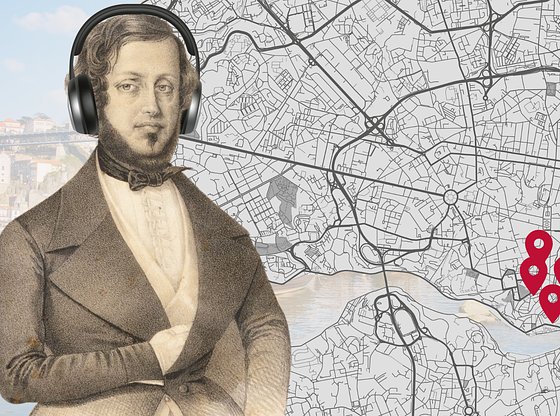

Jelena was lovely. She lead us through Porto with her clear love for the city. Her knowledge of architecture and the history of Porto were exactly what we were looking for. We enjoyed our time with her. She included thoughtful touches and information. Her recommendation list is one will began using immediately after our tour. Thanks Jolena. See you in NYC for Sushi - our treat. ❤️
Porto Tours
Expert-led Porto walking tours that turn riverside history and wine traditions into meaningful discoveries
Let Your Curiosity Shape Your Journey
Join passionate experts on intimate walking tours that reveal a city's unique stories, spark conversations, and leave you seeing the world—and yourself—a little differently.
Experts, not guides
Explore with 1,200+ Experts, from historians and architects to chefs and archaeologists.
Crafted for conversation
With fewer than 12 guests, engage your Expert through questions and immerse fully.
Structured, never scripted
Your interests guide your Expert, leading to stories and perspectives that matter to you.
Curious or connoisseur
First-time visitor or seasoned explorer, our tours span city highlights to deep-dives.
Porto, Seen with Context
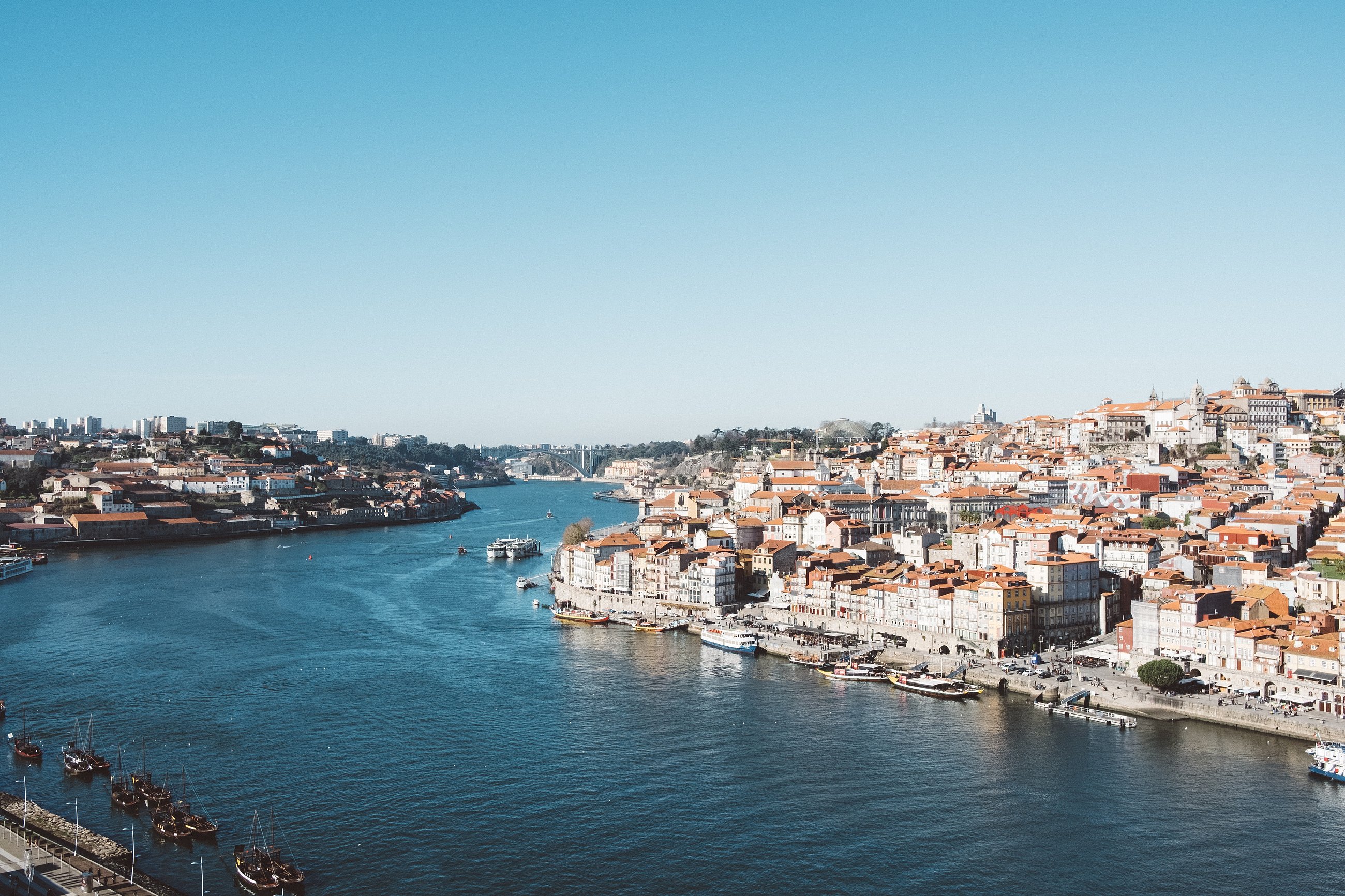
Porto isn’t simply colorful buildings along the river. Walk with an expert to discover how merchants, winemakers, and maritime trade shaped the city.
Ready to see more?
Add more to your Portugal itinerary
Hear from our customers
Wow. My dad and I booked this trip the morning we got into Portugal. I was worried we would be too tired after flying overnight. Not to worry! Nadia was so engaging and informative that we barely felt the jet lag. She knows so so much about Portuguese history and tells it in such an interesting way. She also was kind enough to push back our tour by one hour so we didn’t worry about getting through customs and to Porto. Thank you so much! We will book again!
Jelena was prepared, researched and genuinely interested in making our time together educational and memorable. She is a knowledgeable, insightful and personable guide. Could not have wished for a better experience. Thank you Jelena!
Porto Tours
Porto sits along the Douro River in northern Portugal, where its port once served as a gateway for trade between the Iberian Peninsula and the Atlantic world. Founded during the Roman period and later shaped by medieval commerce and maritime expansion, the city developed into one of Portugal’s most important economic centers. Its riverfront warehouses and hillside neighborhoods reflect centuries of connection to shipping, wine trade, and regional agriculture.
Today, Porto is known for its historic architecture, port wine cellars, and the dramatic landscape of the Douro Valley that surrounds it. The city’s historic center, a UNESCO World Heritage Site, preserves narrow medieval streets, churches, and civic buildings that tell the story of northern Portugal’s cultural identity. Context Travel’s Porto tours are led by historians and cultural experts who help travelers understand how commerce, architecture, and regional traditions shaped this remarkable city.
Porto is known for its port wine, historic riverfront, and its role as a center of Portuguese commerce and culture.
Port Wine Trade
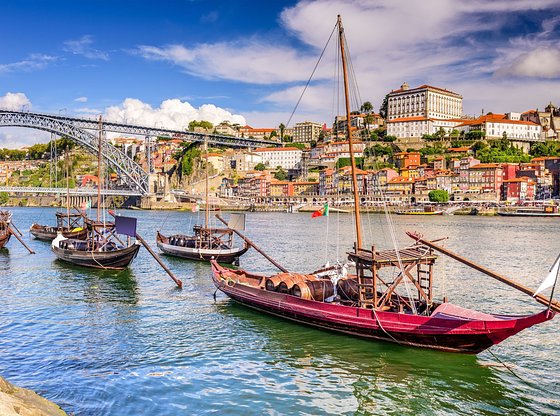
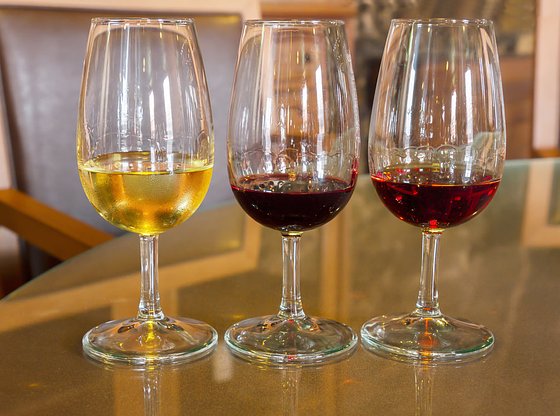
Porto’s name is closely tied to port wine, a fortified wine produced in the nearby Douro Valley and traditionally aged in riverside cellars across the river in Vila Nova de Gaia.
Historic Center (Ribeira District)
Porto’s UNESCO-listed historic center features medieval streets, colorful buildings, and riverfront squares that reflect centuries of trade and urban life.
Maritime and Commercial Heritage
Porto’s development was shaped by maritime trade and its role as a major commercial hub linking Portugal to global markets.
Architectural Landmarks
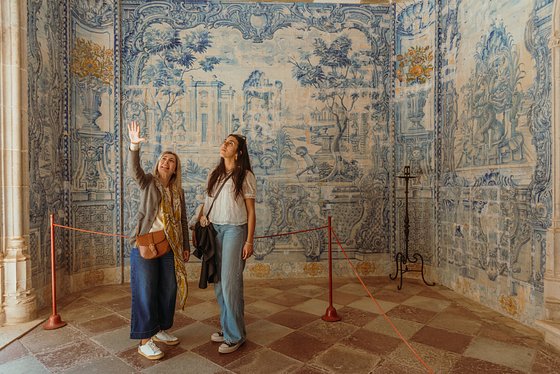
Notable sites include the Dom Luís I Bridge, São Bento railway station with its azulejo tile murals, and Baroque churches that reflect Portugal’s artistic traditions.
Gateway to the Douro Valley
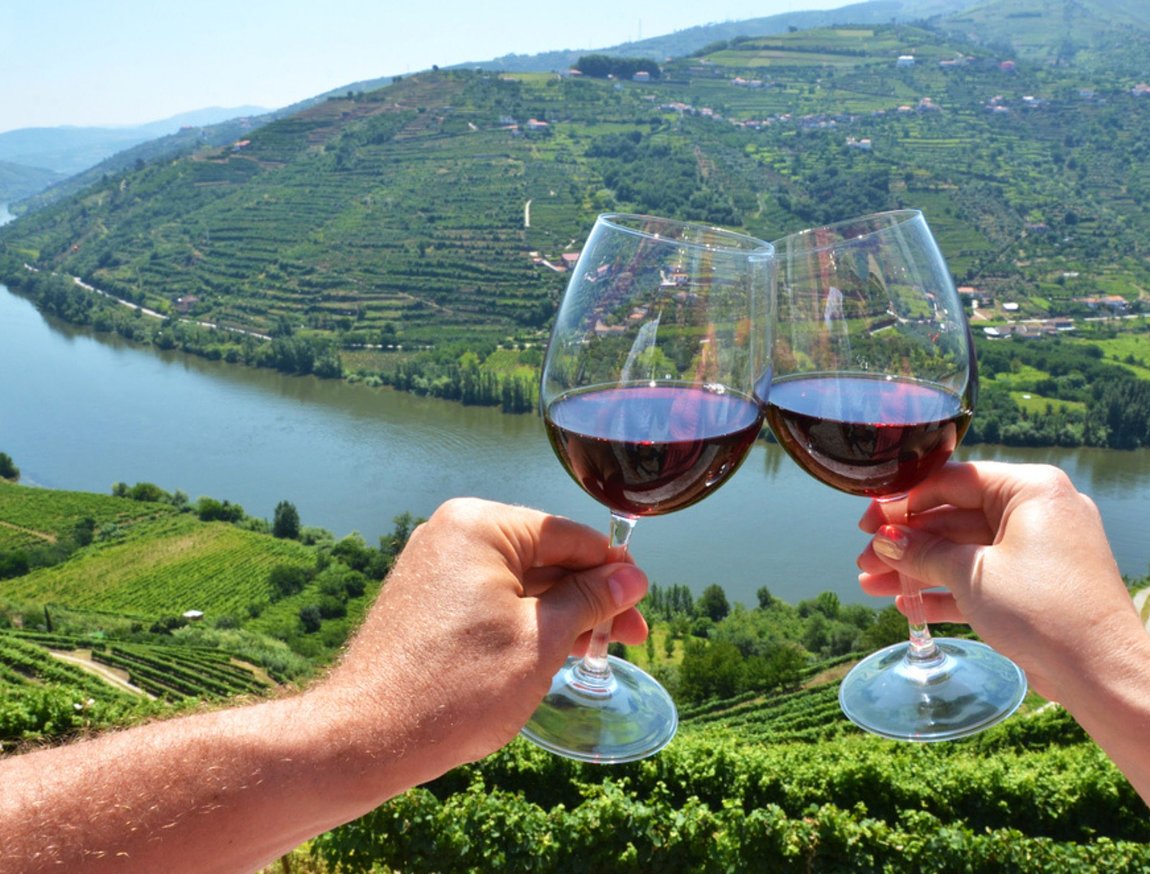
Porto serves as the starting point for exploring the Douro Valley, one of the world’s oldest regulated wine regions.
Porto appeals to travelers interested in architecture, regional food and wine, and historic European cities. First-time visitors often begin with guided introductions to the Ribeira district and the Douro riverfront to understand the city’s history and layout. Lifelong learners appreciate deeper discussions about the port wine trade and Portugal’s maritime heritage, while travelers exploring Portugal often use Porto as a base for discovering the Douro Valley and northern regions.
Porto’s historic center is compact and best explored on foot, though the city’s steep hills mean that walking tours often include short climbs between neighborhoods.
Most travelers spend two to three days in Porto, allowing time to explore the historic center, visit port wine cellars, and take an excursion into the Douro Valley.
Portuguese is the primary language spoken in Porto, though English is widely spoken in tourism areas. Portugal uses the euro (€) as its currency.
Spring and autumn offer particularly comfortable weather for exploring Porto’s streets and riverfront.
What is Porto known for?
Porto is known for port wine, its historic riverfront district, and its role as one of Portugal’s most important cultural and commercial cities.
Is Porto worth visiting?
Yes. Porto offers historic architecture, excellent food and wine, and access to the scenic Douro Valley.
How many days should you spend in Porto?
Most travelers spend two to three days exploring Porto and its surrounding wine region.
Is Porto walkable?
Yes. Porto’s historic districts are walkable, though the city’s hills can make some routes steep.
What is the Douro Valley known for?
The Douro Valley is known for vineyards that produce the grapes used to make port wine and other Portuguese wines.
Is Porto safe for travelers?
Porto is generally considered safe for visitors, particularly in central neighborhoods and historic districts.