Valencia Private Walking Tours
Context Travel Valencia Tours
Valencia is a city shaped by layers of exchange, Roman foundations, Islamic ingenuity, maritime trade, and modern experimentation woven together along the Mediterranean coast. Often overshadowed by Spain’s larger capitals, Valencia rewards travelers who take time to understand how its history, architecture, and food culture evolved on their own terms.
With Context Travel’s Valencia tours, you’ll explore the city through the guidance of local historians, architects, and food specialists who help make sense of what you see. Our Valencia walking tours are designed not as highlight checklists, but as structured introductions that connect streets, buildings, and flavors into a coherent story of place.
Why Choose Context Travel for Your Valencia Tour?
Context Travel’s Valencia private tours are built for travelers who value understanding over speed. Our tours are led by experts who live and work in the region and are capped at ten travelers, allowing for thoughtful pacing, conversation, and questions.
Rather than following a fixed script, our guides adapt each tour to your interests, whether that means spending more time unpacking the city’s architectural evolution, discussing food traditions tied to agriculture and trade, or offering practical recommendations you can use throughout your stay.
As a Certified B Corporation, we also approach Valencia with care, prioritizing walkable routes, local businesses, and experiences that respect the city’s everyday rhythms.
What to Do in Valencia with Context Travel
Valencia’s identity comes into focus when history, design, and daily life are experienced together. Our expert-led tours offer different entry points into the city, depending on how you want to explore.
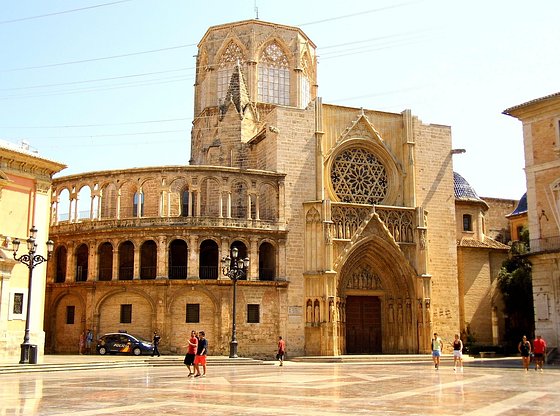
This tour is the ideal starting point for first-time visitors. Walk through Valencia’s historic center with a local expert who introduces the city’s long history, from Roman Valentia to Islamic Balansiya to modern Spain, while offering practical orientation and insider recommendations.
You’ll leave with a clear mental map of the city and a deeper understanding of how Valencia’s past shapes its present.
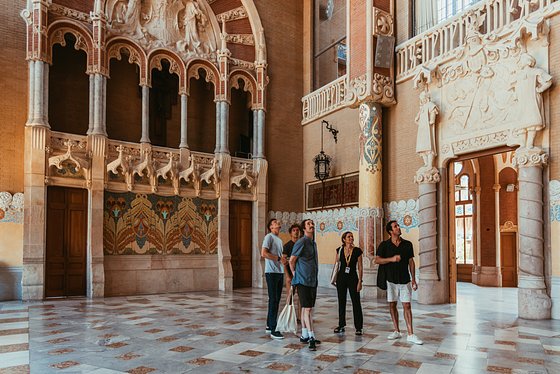
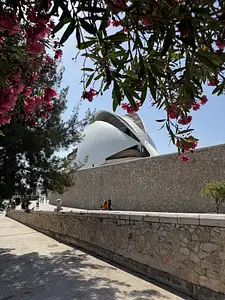
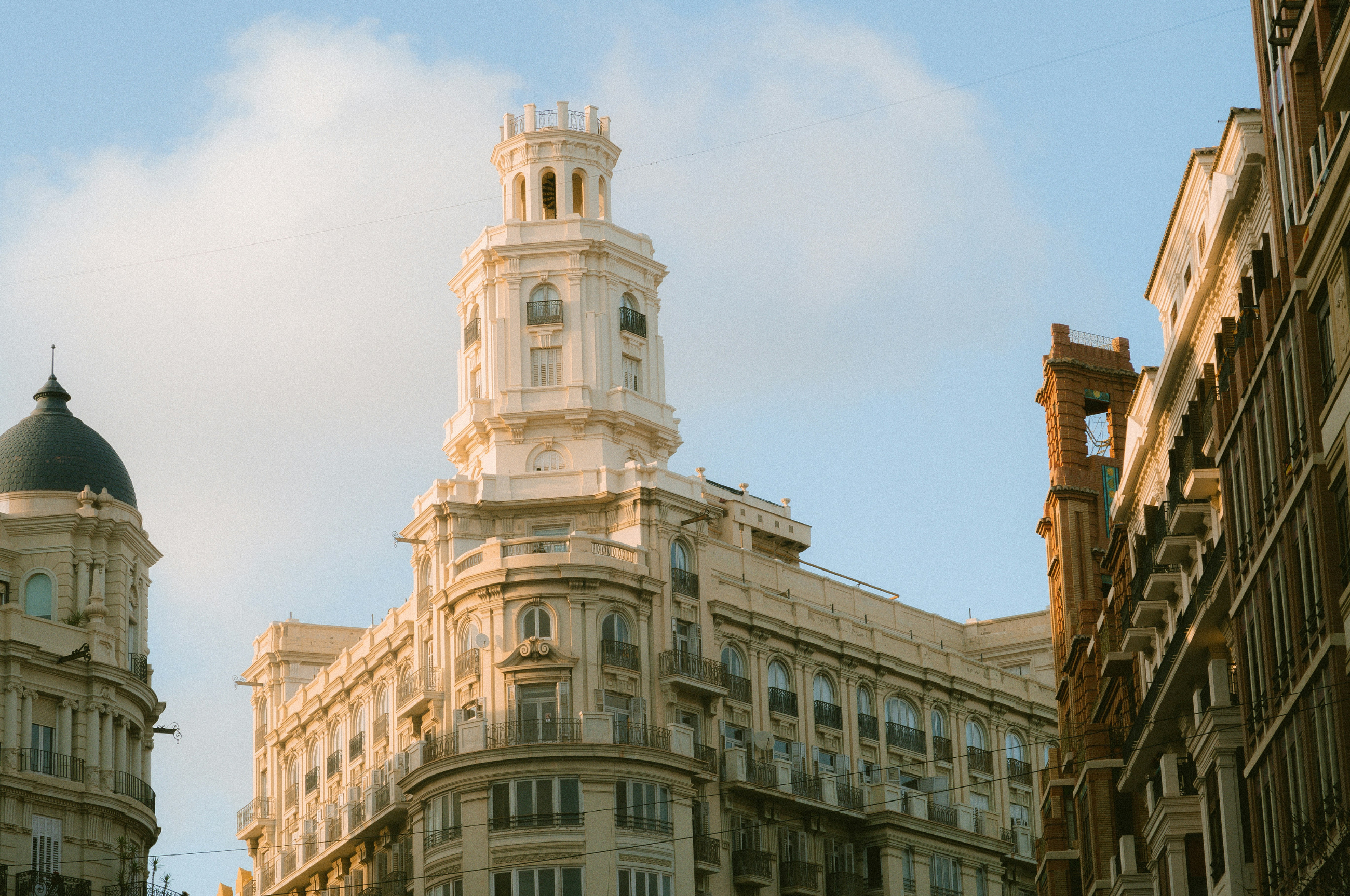
Valencia’s architecture tells a story of reinvention. This tour traces the city’s evolution from early 20th-century civic buildings to bold contemporary landmarks, including the City of Arts and Sciences.
Led by an architecture expert, the tour explores how political change, urban planning, and technological ambition reshaped Valencia’s skyline, making it one of Spain’s most architecturally forward-looking cities.
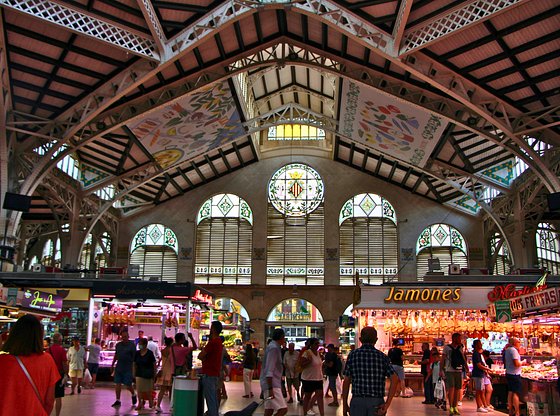
Food in Valencia reflects climate, geography, and tradition more than trends. On this guided food tour, a local expert leads you through the Central Market and surrounding streets, explaining how regional products, seasonal habits, and local tastes define Valencian cuisine.
Rather than focusing on a single iconic dish, the tour builds a broader understanding of how and why people eat the way they do here, offering insights you’ll carry into every meal that follows.
Practical Planning for Valencia
Most travelers spend 2–3 days in Valencia, combining time in the historic center, the Central Market, and modern landmarks like the City of Arts and Sciences. The city is highly walkable, with excellent public transportation for longer distances.
Valencia’s historic neighborhoods—such as El Carmen and Ruzafa—are popular places to stay, offering easy access to cultural sites, markets, and restaurants.
Why Explore Valencia with Context Travel?
- Expert Guides: Historians, architects, and food specialists with local insight
- Thoughtful Pacing: Tours that prioritize understanding over volume
- Cultural Context: We connect food, buildings, and history into a cohesive story
- Responsible Travel: As a B Corp, we prioritize meaningful, low-impact experiences
FAQs About Visiting Valencia
What is Valencia best known for?
Valencia is best known for its food culture, historic trade routes, and architectural evolution. It is the birthplace of paella, but local cuisine extends far beyond a single dish, shaped by agriculture, rice cultivation, and proximity to the sea. Architecturally, Valencia spans Roman foundations, medieval silk-trade wealth, early-20th-century civic design, and bold contemporary projects like the City of Arts and Sciences.
Context Travel guides help explain how these layers developed independently from Madrid and Barcelona, giving Valencia a distinct cultural identity.
What are the best things to do in Valencia?
The most meaningful experiences in Valencia combine history, daily life, and food culture. Walking through the historic center, visiting the Central Market, and understanding the city’s modern architectural expansion provide a well-rounded introduction. Expert-led walking tours help connect these experiences into a coherent story, rather than isolated stops.
Many travelers also appreciate starting their visit with an orientation tour to gain context and practical recommendations for the rest of their stay.
Is Valencia worth visiting compared to other cities in Spain?
Yes—especially for travelers seeking depth without crowds. Valencia offers world-class architecture, a deeply rooted culinary tradition, and a relaxed pace that differs from Spain’s larger capitals. Its historic center is compact and walkable, while modern landmarks show how the city continues to evolve.
Valencia is particularly appealing to travelers interested in food culture, urban design, and cities shaped by trade rather than imperial power alone.
How many days should I spend in Valencia?
Most travelers find 2 to 3 days ideal. This allows time to explore the historic center, experience the Central Market and local food culture, and visit modern architectural landmarks. Travelers with a strong interest in architecture or cuisine often benefit from an additional day.
Context Travel tours are designed to help you prioritize what matters most based on your interests and schedule.
Is Valencia a good city for walking tours?
Yes. Valencia’s historic center is flat, compact, and well-suited to walking. Many of the city’s most important sites—markets, churches, civic buildings, and neighborhoods—are best understood on foot. Walking tours also allow guides to explain how streets, food stalls, and buildings function together as part of daily life.
What food is Valencia known for besides paella?
Valencian cuisine reflects seasonality and regional agriculture. Beyond paella, local specialties include rice dishes prepared in different styles, seafood from the Mediterranean, vegetable-based dishes influenced by Islamic irrigation systems, and products sold daily in the Central Market.
A guided food tour helps travelers understand how and when locals eat, not just what dishes are famous.
Where is the best area to stay in Valencia?
Most travelers prefer to stay in or near the historic center, including neighborhoods such as El Carmen or Ruzafa. These areas offer walkable access to cultural sites, markets, and restaurants. Staying centrally also makes it easier to explore Valencia on foot and take advantage of guided walking tours.
Are guided tours in Valencia worthwhile?
Guided tours are especially valuable in Valencia because much of the city’s significance lies in how history, food, and urban planning intersect. Without context, key sites can feel understated. With an expert guide, streets, buildings, and markets become legible, revealing how Valencia developed differently from other Spanish cities.
When is the best time to visit Valencia?
Spring and fall offer the most comfortable weather for walking and outdoor exploration. Summer is lively but hotter, particularly in the historic center. Valencia’s food markets and architecture can be enjoyed year-round, and local festivals add seasonal texture to the experience.