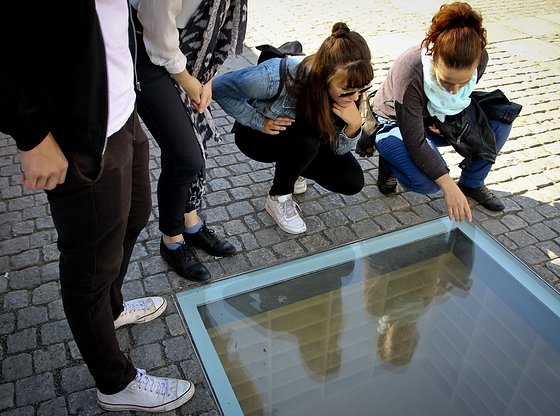


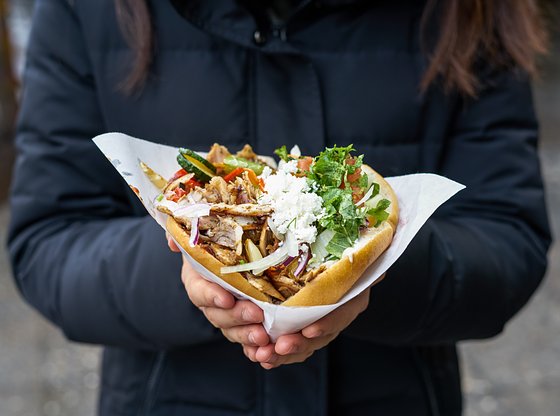
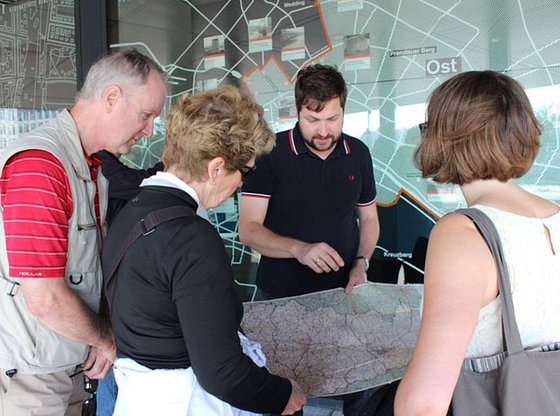
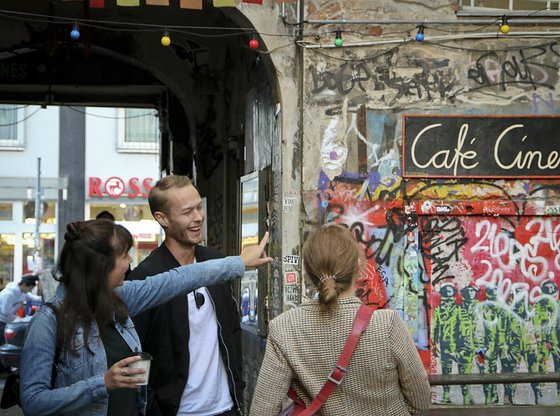
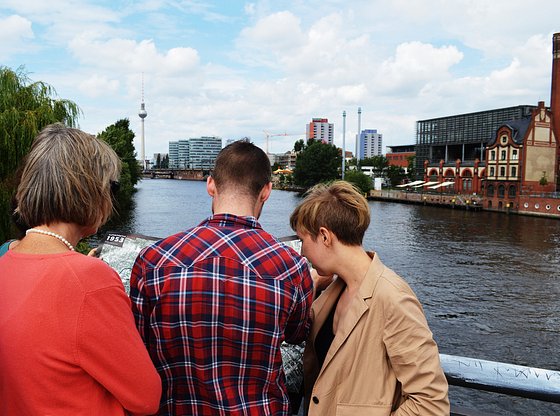
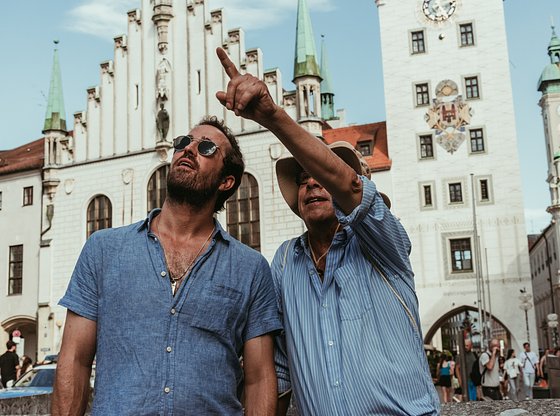
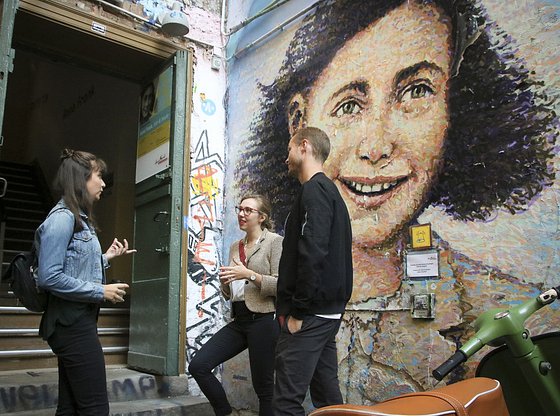
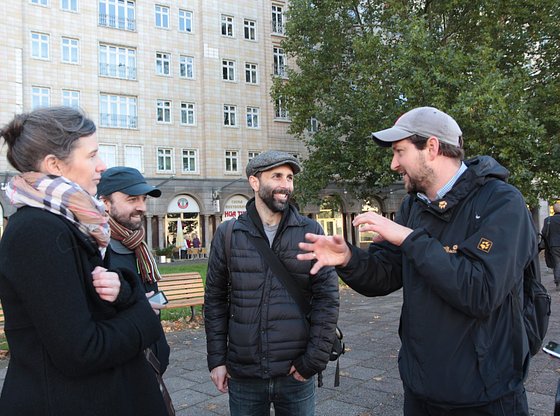
It was a pleasure to tour Munich with Brendan. We couldn’t have asked for a better experience.
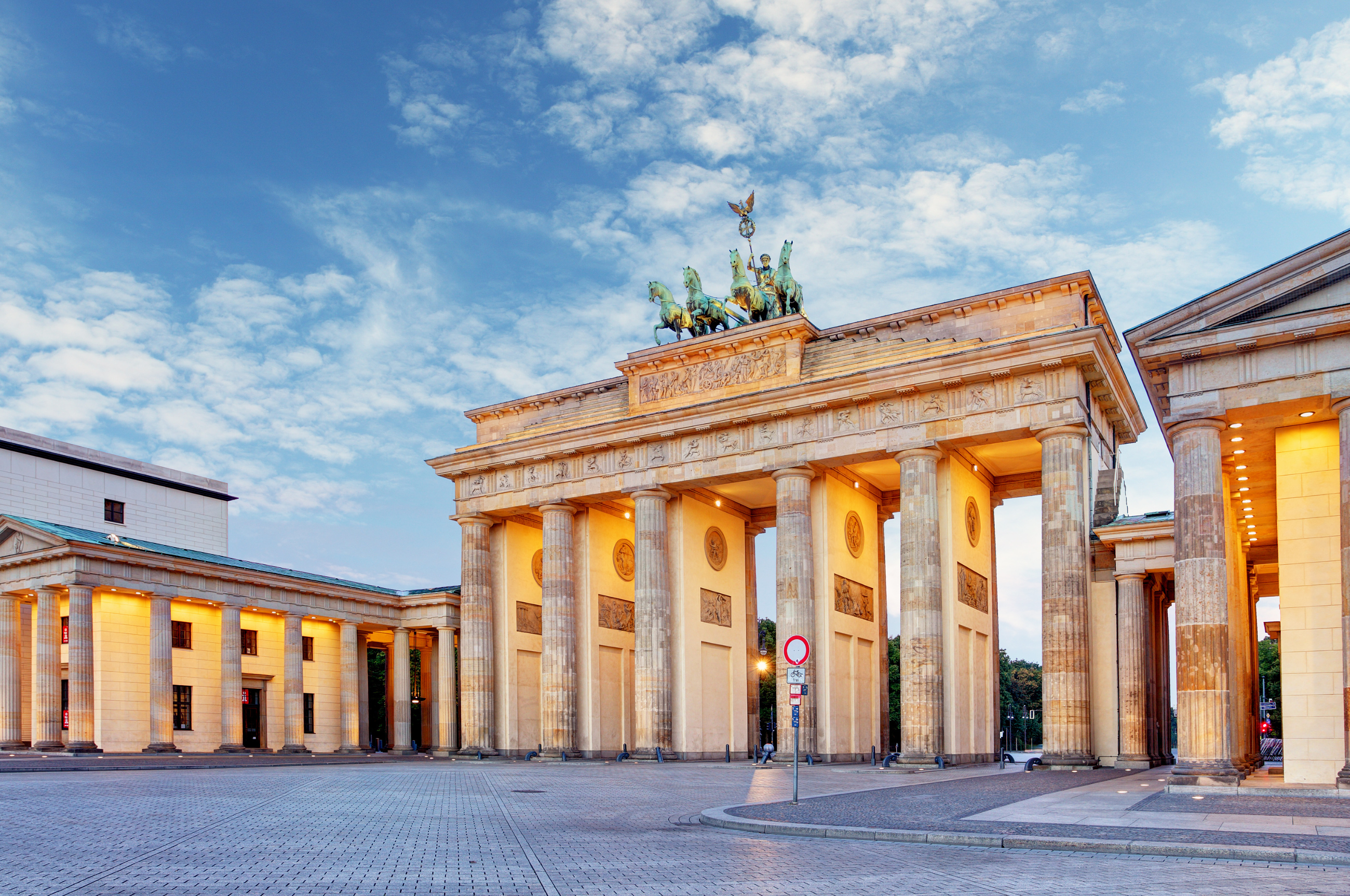
Germany
Expert-led Germany guided tours that turn history, culture, and innovation into meaningful discoveries.
Dive into Germany
Discover These Cities
The land of philosophy and modernism awaits... Where will you go?
Berlin
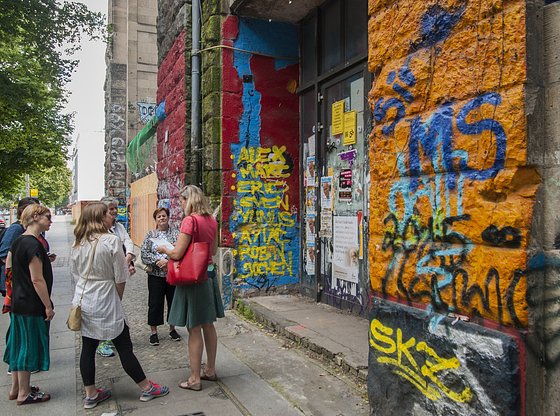
Berlin's districts bring together wall fragments, wartime pasts, and architectural reinvention in this city of civic ambition.
Munich
Streets wind through Munich’s squares and beer gardens where art, music, and industrial history converge into vibrant city life.
Let Your Curiosity Shape Your Journey
Join passionate experts on intimate walking tours that reveal a city's unique stories, spark conversations, and leave you seeing the world—and yourself—a little differently.

Experts, not guides
Explore with 1,200+ Experts, from historians and architects to chefs and archaeologists.
Crafted for conversation
With fewer than 12 guests, engage your Expert through questions and immerse fully.
Structured, never scripted
Your interests guide your Expert, leading to stories and perspectives that matter to you.
Curious or connoisseur
First-time visitor or seasoned explorer, our tours span city highlights to deep-dives.
Germany, Seen with Context
Germany isn’t just modern cities and historic sites. Travel with an expert to explore how philosophy, industry, and political change shaped the country.
Hear from our customers
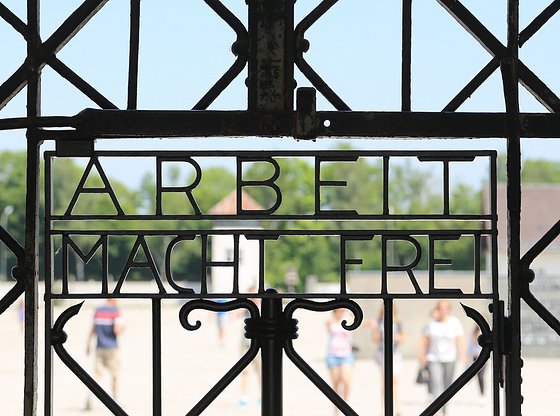
Our tour guide, Franz was so knowledgeable about the history and tragedy of this part of history. He was able to impart the importance of what happened at Dachau in a way that helped me put it into better perspective. I highly recommend.
Nice tour, guide was very knowledgeable.
Germany Tours
Germany rewards travelers who want to understand how the past shapes the present. Few countries carry such visible layers of history: imperial ambition, artistic experimentation, war, dictatorship, division, rebuilding, reunification, and contemporary cultural life all remain close to the surface. Berlin and Munich offer two very different ways into that story. Berlin is a city of rupture and reinvention, where the traces of the Berlin Wall, World War II, Jewish history, Cold War division, and contemporary culture often sit within a short walk of one another. Munich offers a different lens: Bavarian identity, royal history, food traditions, and the difficult legacy of the rise of National Socialism. The best Germany tours help travelers approach these histories with clarity and care. Context Travel’s Germany tours are led by historians, architecture experts, food specialists, local scholars, and family-friendly guides who help connect sites, neighborhoods, memorials, and museums into a deeper understanding of the country.
The right Germany tour depends on what you want to understand: World War II, Cold War history, Jewish heritage, architecture, food, politics, or local identity.
Best for First-Time Visitors
If this is your first trip to Germany, Berlin and Munich offer a strong pairing.
- Sites and Insights: An Expert-Led Berlin Welcome Tour
- Berlin in a Day Tour with Brandenburg Gate and the Berlin Wall
- Introduction to Munich Tour
Berlin gives travelers a powerful introduction to Germany’s 20th-century history and contemporary culture. Munich adds an important Bavarian perspective through architecture, public squares, food traditions, and the city’s role in the early history of National Socialism.
Together, the two cities show how different Germany can feel from region to region.
Best for WWII, Nazi History & Memorial Sites
Germany’s 20th-century history requires careful, informed interpretation.
- Berlin WWII Nazi History Tour: Topography of Terror
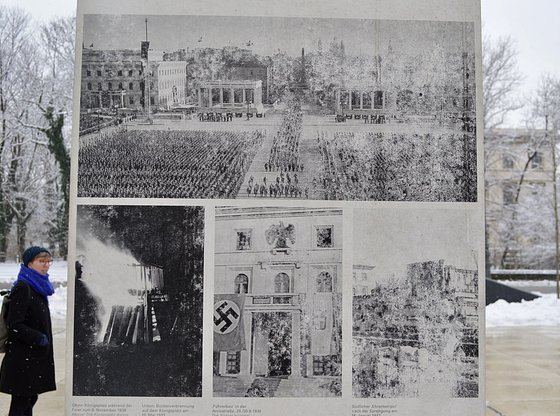
- WWII Nazi Munich Tour: Hitler and the Third Reich
- Half-Day Sachsenhausen Camp Day Trip from Berlin
- Half-Day Dachau Concentration Camp Memorial Day Trip from Munich
- Full-Day Munich WWII History Day Trip with Dachau Memorial Site
These tours approach difficult history with seriousness, accuracy, and space for reflection. In Berlin and Munich, travelers can trace the rise, mechanisms, and aftermath of the Nazi regime. At Dachau and Sachsenhausen, the focus shifts to memorial culture, persecution, forced labor, and the responsibility of remembrance.
Best for Berlin Wall, Cold War & Modern Germany
Berlin remains one of the most important cities in the world for understanding the Cold War.
- Berlin Wall Tour
- Berlin Wall Biking Tour
- Berlin Cold War History Tour
- Berlin Wall History Tour for Kids
These experiences explore what division meant in daily life, not just on a map. A historian can help connect escape stories, surveillance, political pressure, family separation, and reunification into a clearer picture of modern Germany.
Best for Architecture, Food & Local Culture
Germany’s cultural life is not defined only by difficult history.
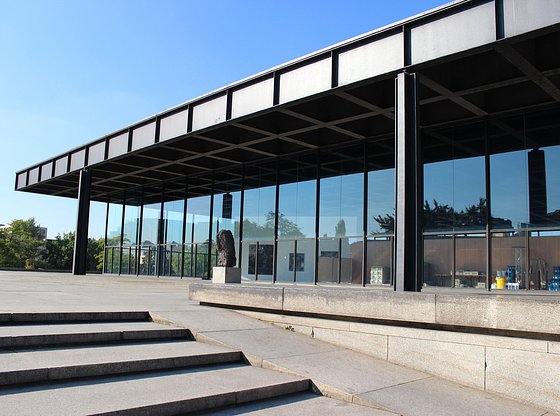
- Berlin Architecture Tour: From Bauhaus to Futurism
- Berlin Food Tour: German Traditions and Immigrant Influences
- Munich Food Tour: Bavarian Traditions
- Half-Day Potsdam City Day Trip from Berlin
Architecture, food, and city life reveal how Germany has changed across centuries. Berlin’s built environment reflects modernism, destruction, reconstruction, and experimentation. Munich’s food culture offers a direct way into Bavarian identity. Potsdam adds royal history, gardens, and Prussian power just outside Berlin.
Best for Jewish History & Deeper Context
Jewish history is central to understanding Germany, especially in Berlin.
- Jewish Berlin History Tour
- Berlin WWII Nazi History Tour
- Sachsenhausen Camp Day Trip
These experiences help travelers understand Jewish Berlin as a long and diverse cultural history, not only through the lens of persecution. They also provide context for how memory, memorials, and public history shape Germany today.
Berlin is best for travelers who want to understand Germany’s modern history, especially World War II, the Cold War, the Berlin Wall, Jewish history, architecture, and contemporary culture. It is layered, direct, and often emotionally demanding.
Munich offers a different experience. It is closely tied to Bavarian identity, beer halls, food traditions, royal squares, and Alpine proximity, but it also has a deeply important role in the history of National Socialism. Travelers who visit both cities gain a more balanced view of Germany: Berlin as a capital of rupture and reinvention, Munich as a regional capital where tradition and difficult history intersect.
If you have limited time, choose Berlin for modern history and political context. Choose Munich for Bavarian culture, food, and access to Dachau.
Germany is a place where expert guidance matters.
Many of the country’s most important sites involve difficult histories, contested memory, and layers of political meaning. A memorial, wall fragment, public square, or train platform may carry stories that are not immediately visible. Without context, it is easy to reduce Germany’s past to a sequence of events rather than understanding the people, systems, decisions, and consequences behind them.
Context Travel’s Germany tours are led by historians, scholars, architecture experts, food specialists, and local Experts who approach these subjects with depth and care. Rather than following a large group through a scripted overview, travelers have space to ask questions, engage thoughtfully, and understand how history still shapes German cities today.
For travelers who want more than surface-level sightseeing, Context offers a more thoughtful way to experience Germany.
For many travelers, yes, especially in Berlin and Munich.
Germany’s major historical sites can be difficult to understand without expert interpretation. The Berlin Wall is more than a remnant of concrete. Dachau and Sachsenhausen are not simply sites to visit, but places of remembrance that require historical care. Munich’s relationship to the rise of National Socialism is complex and often hidden in plain sight. Berlin’s architecture can reveal ideology, destruction, rebuilding, and reinvention across the same cityscape.
A guided tour helps travelers approach these places responsibly.
Context Travel’s Germany tours are designed for curious travelers who want to understand how history, memory, architecture, food, and identity intersect. If you want to leave Germany with more than photographs and dates, many travelers find expert-led tours well worth it.
What are the best Germany tours?
The best Germany tours depend on your interests. Berlin is especially strong for World War II history, Cold War history, the Berlin Wall, Jewish heritage, architecture, and contemporary culture. Munich is ideal for Bavarian traditions, food, and understanding the early history of National Socialism. Many travelers also consider destinations beyond Context’s cities, such as Hamburg for maritime history, Dresden for art and reconstruction, Cologne for its cathedral, and the Rhine Valley for castles and wine.
What are the best cities to visit in Germany?
Berlin and Munich are the two strongest starting points for many first-time visitors. Berlin offers modern history, politics, museums, memorials, and nightlife. Munich offers Bavarian culture, food, architecture, and access to Dachau and the Alps. Beyond them, Hamburg, Cologne, Dresden, Heidelberg, and Nuremberg are also highly rewarding depending on your interests.
How many days do you need in Germany?
Most travelers benefit from at least seven to ten days in Germany. With limited time, you might choose Berlin and Munich, or focus deeply on one region. With two weeks, you can add smaller cities, castles, wine regions, or Alpine landscapes. Germany rewards both city-focused and region-based travel.
Who offers the best private tours in Germany?
The best private tours in Germany are led by specialists who can adapt the experience to your interests. Context Travel offers private tours in Berlin and Munich with historians, architecture experts, food specialists, local scholars, and family-friendly Experts.
Is Berlin or Munich better for first-time visitors?
Berlin is usually the stronger choice for travelers interested in modern history, museums, politics, and contemporary culture. Munich is better for Bavarian traditions, food, architecture, and access to Dachau or the Alps. Many first-time visitors choose both for a more balanced view of Germany.
Is Dachau worth visiting from Munich?
Yes, but it should be approached with care. Dachau is one of the most important memorial sites in Germany, and visiting with a historian can help travelers understand the site’s history, its role in the Nazi camp system, and the importance of remembrance today.