Japan has 26 UNESCO World Heritage Sites. Try to see them all and you might miss the depth and nuance.
Instead, curate your own personal voyage through a selection of Japan's UNESCO sites by focusing on what you love. Are you captivated by sacred landscapes and centuries-old rituals? Do you linger over architecture, tracing how wood, stone, and space shape meaning? Or does art—gardens, calligraphy, composition, and light—guide the way you experience a place?
This guide doesn’t ask you to see everything. Instead, it helps you discover which UNESCO sites align with how you travel, whether you’re an art lover, a history devotee, an architecture enthusiast, or a cultural connoisseur. Because in Japan, the most meaningful journeys begin not with a list, but with curiosity.
UNESCO Itinerary #1: For Art Lovers
Historic Monuments of Ancient Kyoto
Kyoto is the aesthetic heart of Japan, where painting, poetry, garden design, and architecture converge. Temples like Kinkaku-ji and Ryoan-ji shaped visual culture for centuries, influencing everything from ink painting to contemporary minimalism. Visiting with an expert helps decode proportion, symbolism, and seasonal design choices.
Mount Fuji
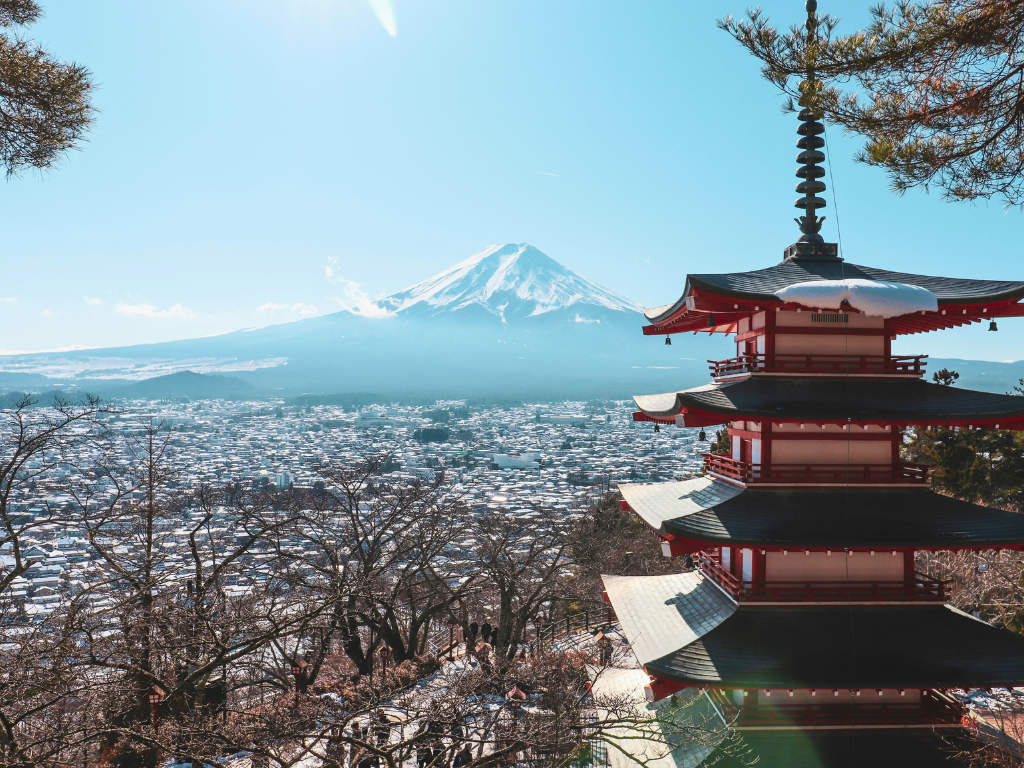
Mount Fuji’s UNESCO status is rooted in art and spirituality, not geology. It inspired generations of painters, poets, and printmakers, most famously Hokusai. Viewing Fuji from lakes, shrines, or traditional towns reveals how artists framed the mountain emotionally, not just visually.
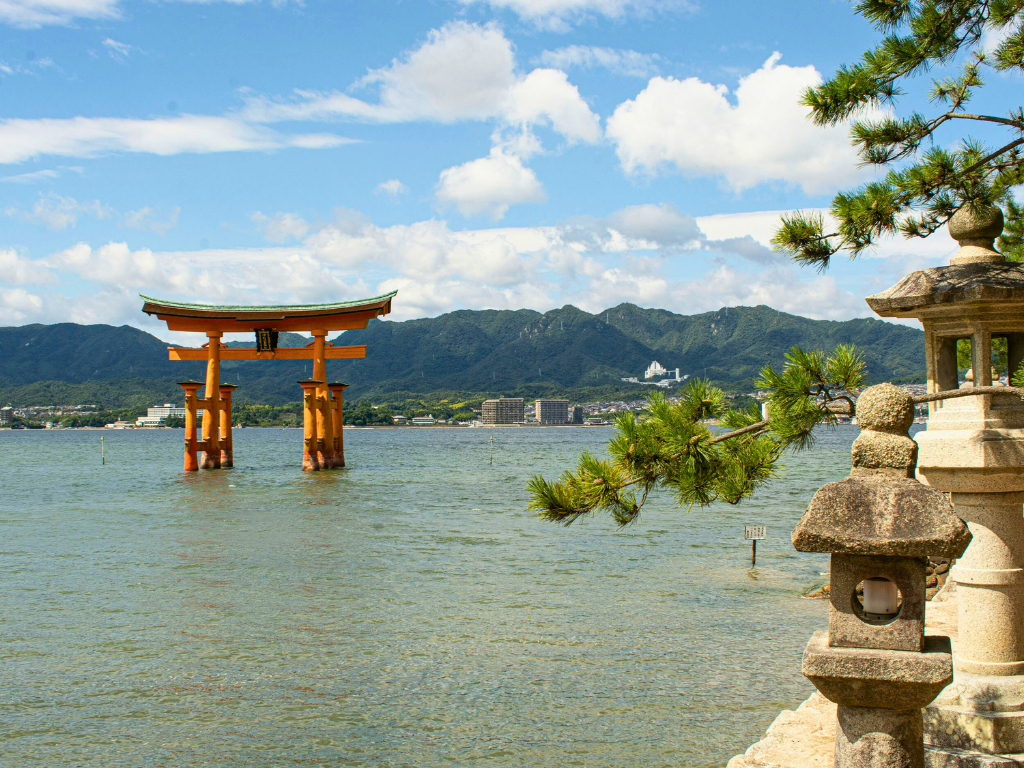
Itsukushima Shinto Shrine
This shrine is a masterpiece of spatial composition, where architecture, water, and mountains form a single visual field. Artists have depicted its floating torii gate for centuries as an expression of impermanence and harmony. Timing a visit with the tide transforms the experience.
Hiraizumi
Designed as a three-dimensional expression of Buddhist paradise, Hiraizumi’s gardens translate belief into landscape art. Though understated, the site rewards close looking and historical context. It’s ideal for travelers who appreciate subtlety over spectacle.
Best for: painters, photographers, museum lovers, travelers drawn to visual culture
Ideal length: 7–10 days
UNESCO Itinerary #2: For History Lovers
Buddhist Monuments in the Horyu-ji Area
Hōryū-ji preserves Japan’s earliest state-sponsored Buddhism and some of the oldest wooden buildings in the world. It marks the moment Japan began shaping a centralized identity. Visiting here grounds the entire historical arc of the country.
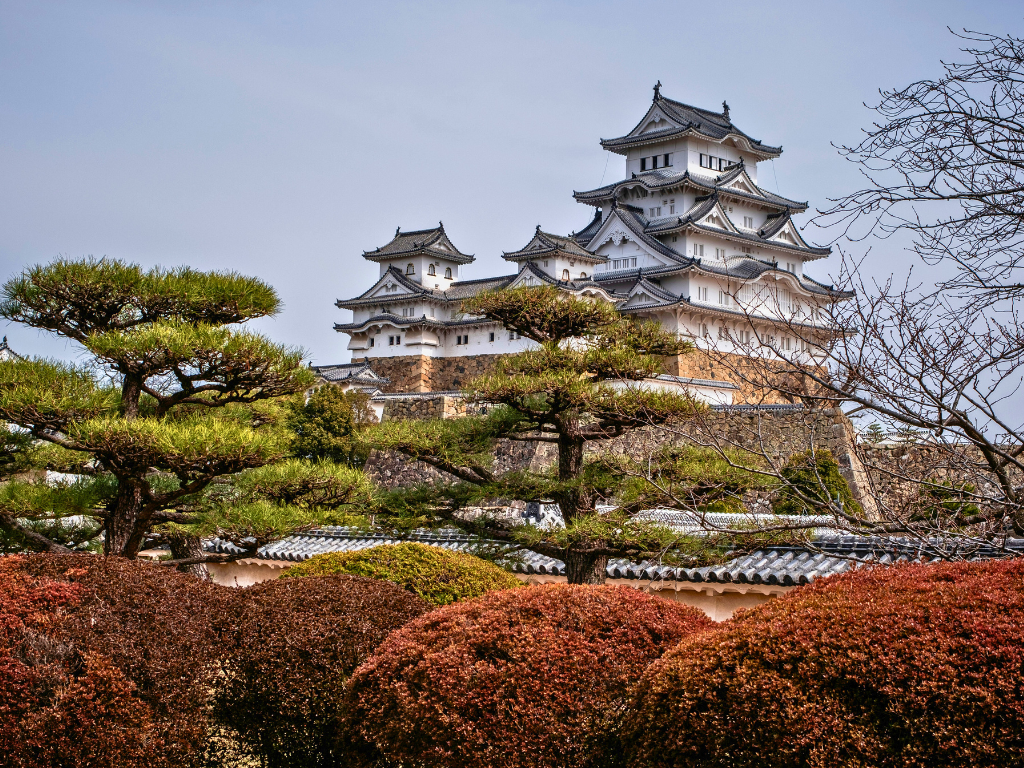
Himeji Castle
Himeji is Japan’s most complete surviving feudal castle, revealing how power, defense, and hierarchy functioned in the samurai era. Walking its interior is a physical history lesson in warfare and governance. Unlike reconstructed castles, this one is authentic throughout.
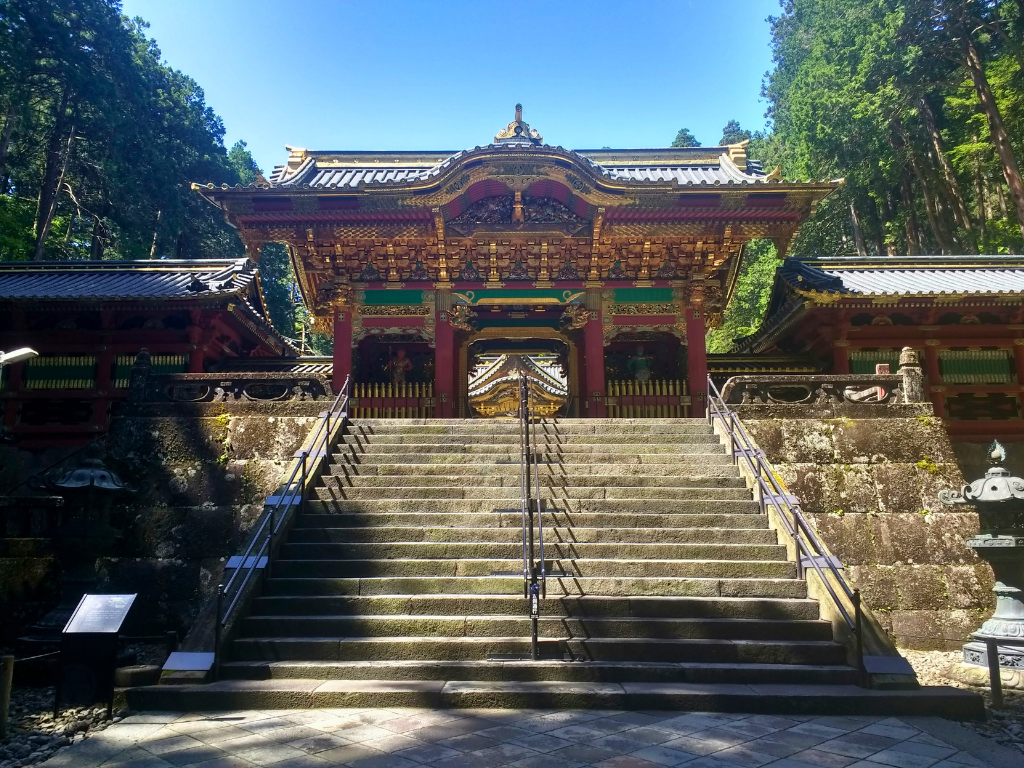
Shrines and Temples of Nikko
Built to honor Tokugawa Ieyasu, Nikko’s shrines express political authority through religious architecture. Lavish decoration reflects the peak of shogunal power. The contrast with earlier, simpler religious sites is historically striking.
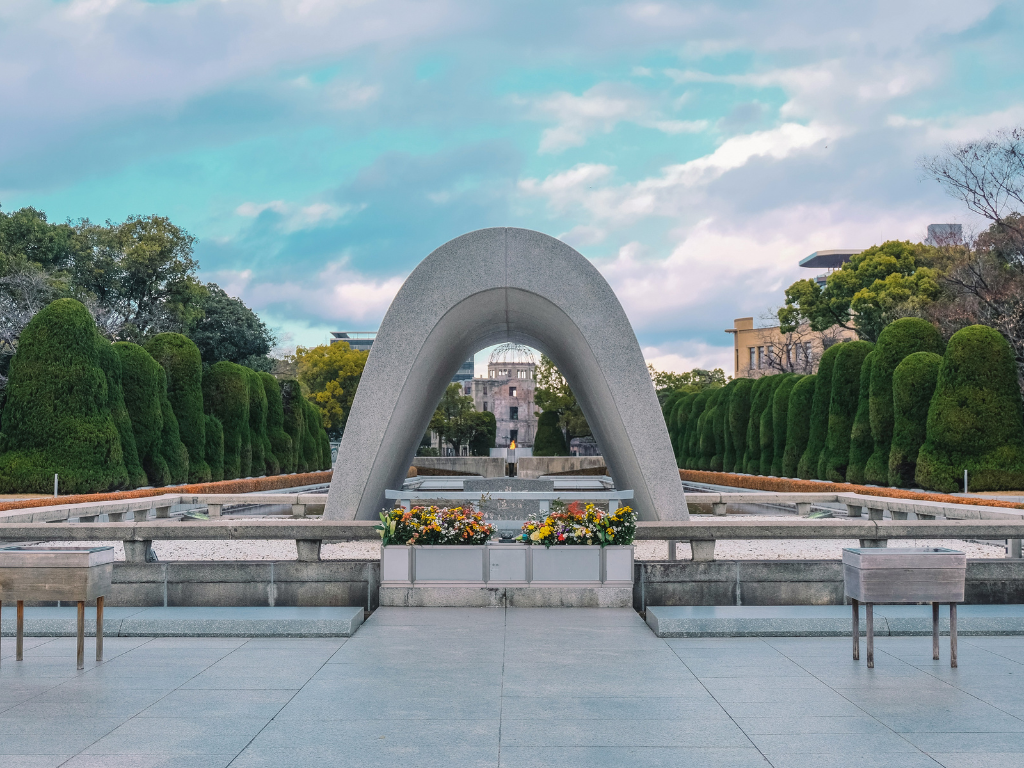
Hiroshima Peace Memorial
This site anchors Japan’s modern history in global context. The preserved dome and surrounding museum confront the consequences of war and technological power. It’s an essential visit for understanding Japan after 1945.
Best for: historians, educators, intellectually curious travelers
Ideal length: 8–12 days
UNESCO Itinerary #3: For Architecture Lovers
Himeji Castle
A masterclass in defensive design, Himeji reveals how architecture and strategy intertwine. Its labyrinthine paths, sightlines, and elevation shifts are as intentional as its beauty. Visiting inside is essential for understanding its brilliance.
Historic Villages of Shirakawa-go and Gokayama
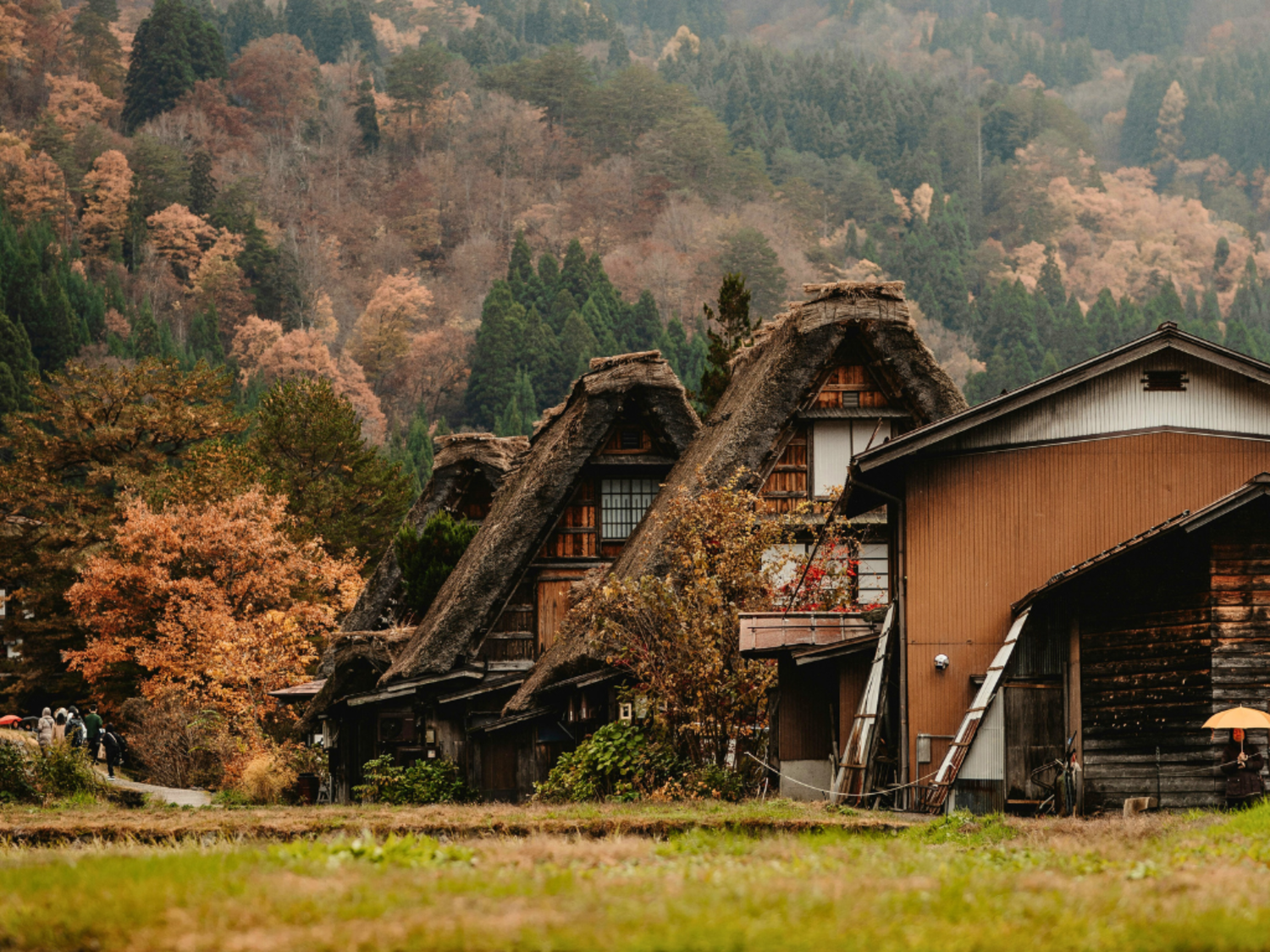
These villages showcase vernacular architecture adapted perfectly to environment. Steep thatched roofs shed snow while communal layouts supported survival. Staying overnight allows visitors to experience architecture as lived space, not museum object.
Shrines and Temples of Nikko
Nikko’s ornate carvings, layered roofs, and bold color palette stand apart from minimalist Zen architecture. They illustrate how architecture communicates authority and cosmology. Details reward slow observation.
Buddhist Monuments in the Horyu-ji Area
Hōryū-ji is foundational for understanding Japanese wooden construction. Joinery techniques and proportions here shaped centuries of temple design. It’s essential context for everything that followed.
Best for: architects, designers, preservation enthusiasts
Ideal length: 7–10 days
UNESCO Itinerary #4: For Cultural Connoisseurs
Sacred Sites and Pilgrimage Routes in the Kii Mountain Range
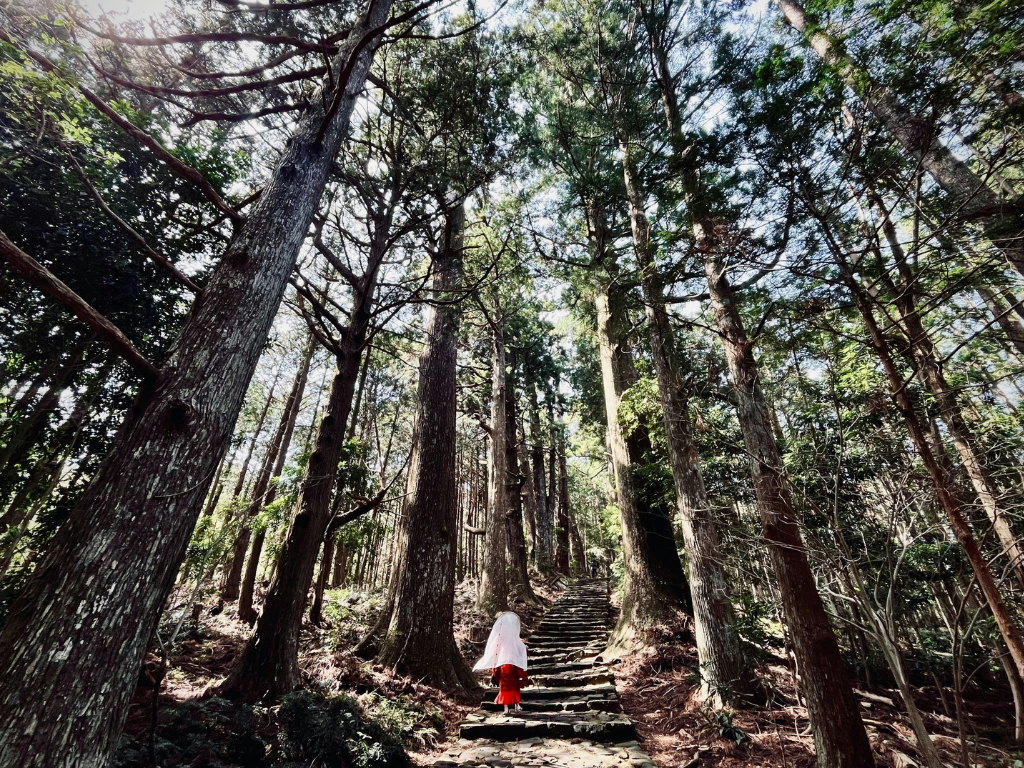
The Kumano Kodo pilgrimage routes embody Japan’s syncretic spiritual traditions. Walking these forested paths connects belief, nature, and ritual. Even short sections convey deep cultural meaning.
Itsukushima Shinto Shrine
This shrine demonstrates how Shinto belief manifests spatially, not doctrinally. Sacredness is expressed through placement, materials, and environment. It’s one of the clearest expressions of Japanese spirituality in physical form.
Hidden Christian Sites in the Nagasaki Region
These sites tell a quiet, complex story of faith practiced in secrecy for centuries. They reveal how foreign belief systems adapted to Japanese culture under persecution. Visits are emotionally resonant and historically rich.
Hiraizumi
Hiraizumi’s landscapes reflect philosophical ideals more than political power. It rewards travelers attuned to symbolism, belief, and spatial meaning. A guide helps translate what remains unseen.
Best for: repeat visitors, slow travelers, spiritually curious guests
Ideal length: 9–12
So, Which UNESCO Sites Should You Visit?
Japan’s UNESCO World Heritage Sites compose a constellation of beliefs, landscapes, ambitions, and artistic visions shaped over thousands of years. Some reward looking close and contemplating quietly; others confront you with history’s turning points or invite you to walk the same paths pilgrims once did. What makes them meaningful isn’t simply their UNESCO designation, but how they resonate with you.
Whether you’re drawn to the visual poetry of gardens and temples, the layered narratives of castles and capitals, the ingenuity of wooden architecture, or the lived traditions that still shape daily life, Japan offers a UNESCO experience that aligns with your way of seeing the world.