Perfect Pair Savings: Book 2+ Tours, Get 10% Off. Ends June 14, 2026.
cordoba walking tours

Córdoba Tours

Expert-led Córdoba walking tours that turn religious heritage, architectural fusion, and Andalusian history into meaningful discoveries

Let Your Curiosity Shape Your Journey

Join passionate experts on intimate walking tours that reveal a city's unique stories, spark conversations, and leave you seeing the world—and yourself—a little differently.

Experts, not guides

Explore with 1,200+ Experts, from historians and architects to chefs and archaeologists.

Crafted for conversation

With fewer than ten guests, engage your Expert through questions and immerse fully.

Structured, never scripted

Your interests guide your Expert, leading to stories and perspectives that matter to you.

Curious or connoisseur

First-time visitor or seasoned explorer, our tours span city highlights to deep-dives.

Córdoba, Seen with Context

Córdoba isn’t just a city of layered architecture and quiet courtyards. Walk with an expert to discover how Roman rule, Islamic scholarship, and centuries of cultural exchange shaped one of Spain’s most influential cities.

Context is not currently running tours in Córdoba.
Explore our other destinations.

Hear from our customers

0 Reviews

Córdoba Tours

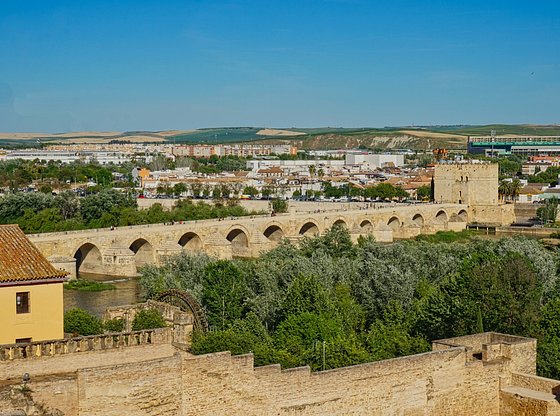
Córdoba is one of the most historically layered cities in Spain. Roman foundations, Islamic scholarship, Jewish intellectual life, and Christian rule all shaped the city across centuries, often leaving visible traces within the same streets and buildings.

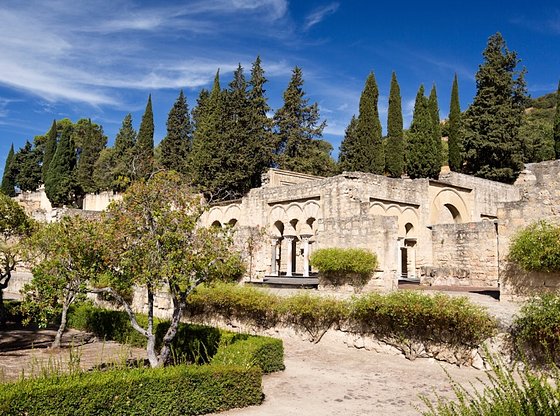
At its height under Al-Andalus, Córdoba was among the largest and most intellectually influential cities in Europe. Philosophers, astronomers, physicians, poets, and architects transformed the city into a center of learning and cultural exchange that connected Europe, North Africa, and the Middle East.

Today, Córdoba still moves at a slower rhythm than many larger Spanish cities. Courtyards overflow with flowers. Narrow lanes open suddenly into quiet plazas. Daily life unfolds beside some of the most important monuments in Spain.

The best Córdoba tours help travelers understand how these different layers of history continue to shape the city today. Context Travel’s Córdoba walking tours are led by historians and local experts who connect architecture, religion, food, and urban life into a fuller story about coexistence, cultural exchange, and political change in medieval Spain.

The Mezquita-Catedral

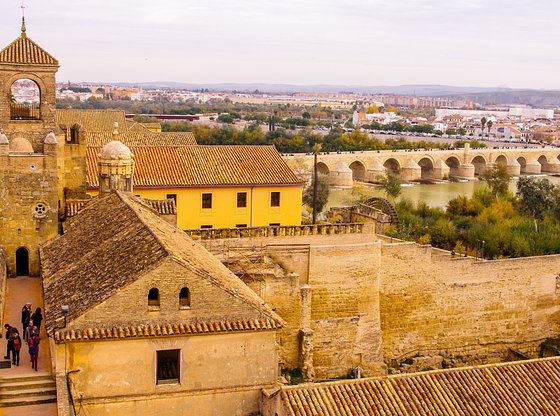
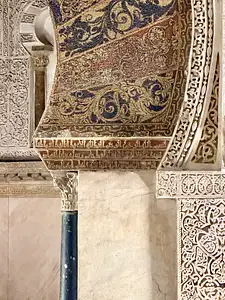
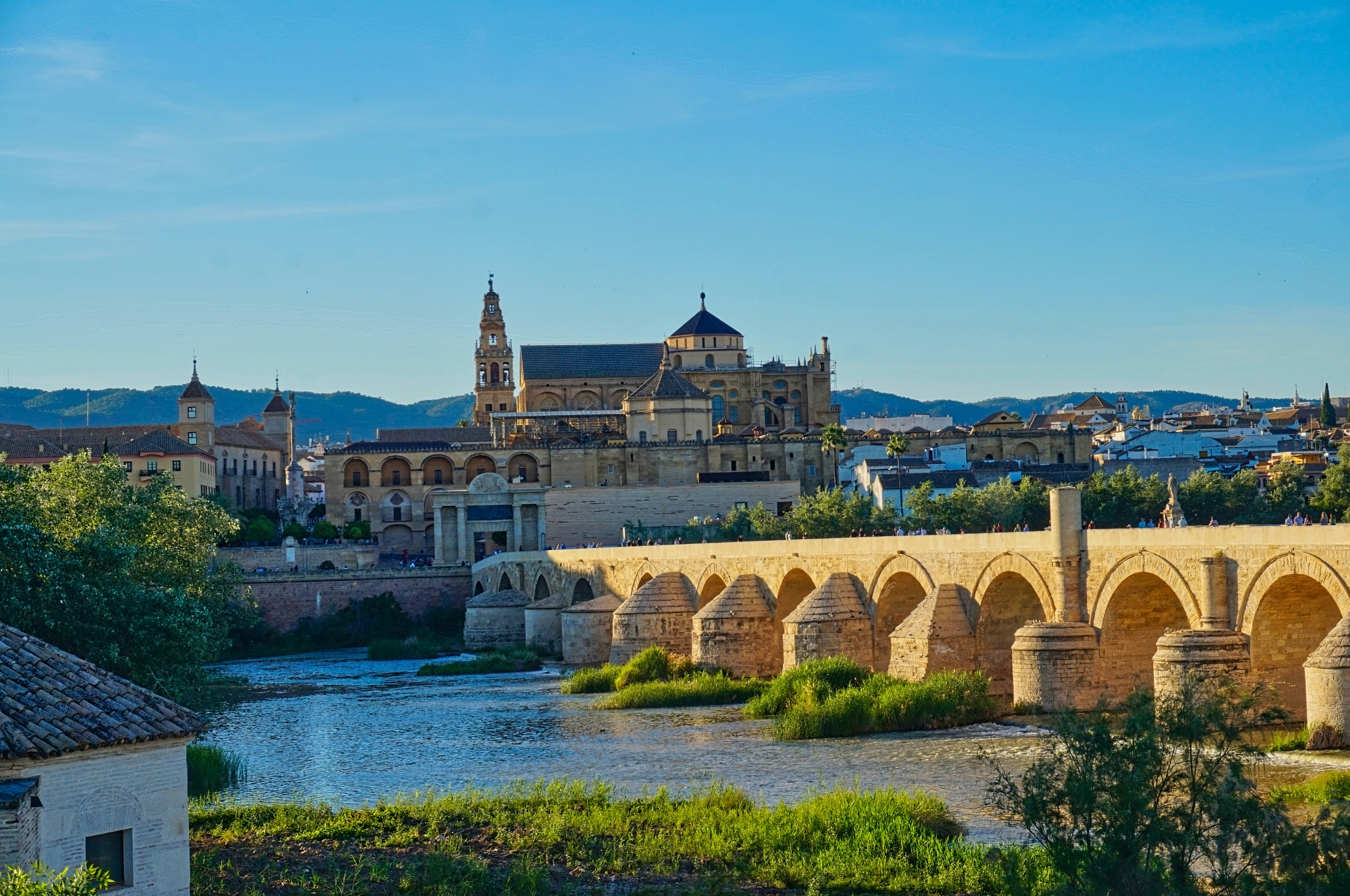
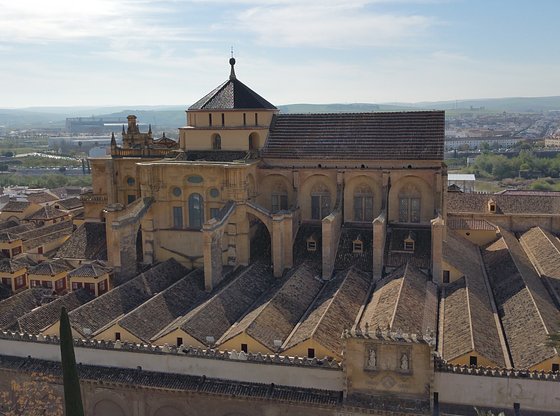
The Mosque–Cathedral of Córdoba is one of the most extraordinary religious buildings in Europe. Originally constructed as a mosque during Islamic rule and later transformed into a cathedral after the Christian Reconquest, it reflects centuries of religious and political change within a single structure.

Al-Andalus & Islamic Spain

Córdoba became one of the intellectual and cultural capitals of the Islamic world during the medieval period. The city played a major role in philosophy, science, medicine, mathematics, and architecture.

Jewish Heritage

Córdoba was also home to an important Jewish community, including the philosopher Maimonides. The Judería neighborhood still preserves traces of this history today.

Patios & Courtyard Culture

The city’s famous patios reflect both climate adaptation and social life in Andalusia. Flower-filled courtyards remain an important part of Córdoba’s local identity and daily rhythm.

Andalusian Food & Olive Oil

Córdoba’s cuisine reflects Andalusia’s agricultural traditions, with olive oil, cured meats, local wines, and cold soups like salmorejo playing central roles.

First-Time Visitors to Andalusia

Córdoba offers one of the clearest introductions to the layered history of southern Spain. Travelers interested in Islamic Spain, medieval history, and Andalusian culture often find Córdoba easier to navigate and understand than larger cities.

Art, Architecture & History Lovers

Travelers interested in architecture, religion, archaeology, and cultural exchange will find Córdoba especially rewarding. The Mezquita-Catedral alone offers centuries of political and religious history within a single structure.

Travelers Seeking Slower, More Atmospheric Cities

Compared to larger Spanish destinations like Madrid or Barcelona, Córdoba moves at a quieter pace. Narrow streets, shaded patios, and evening plazas create a more reflective style of travel centered around conversation, walking, and observation.

Food & Cultural Travelers

Córdoba is especially appealing for travelers interested in Andalusian food traditions, olive oil culture, wine, and local markets. Meals here tend to feel more regional and less internationally influenced than in Spain’s larger cities.

Day-Trippers from Seville or Madrid

Because Córdoba’s historic center is compact and walkable, it works well as either an overnight stay or a high-quality day trip from Seville or Madrid via high-speed rail.

How Many Days Should You Spend in Córdoba?

Many travelers spend one to two days in Córdoba. A single day allows time for the Mezquita, Jewish Quarter, and historic center, while an overnight stay offers a quieter experience once day-trip crowds leave.

When Is the Best Time to Visit Córdoba?

Spring and autumn typically offer the best weather for walking tours and outdoor exploration. May is especially popular during the Patio Festival, when many private courtyards open to visitors.

Summers can become extremely hot, particularly in July and August.

Is Córdoba Walkable?

Yes. Córdoba’s historic center is highly walkable, and many major sites sit within a relatively compact area. Comfortable shoes are still recommended due to uneven historic streets.

How Do You Get to Córdoba?

Córdoba is well connected by Spain’s high-speed AVE train network:
  •  About 45 minutes from Seville 
  •  About 1 hour 45 minutes from Madrid 
  •  About 1 hour 45 minutes from Málaga 

This makes Córdoba one of the easiest historic cities to include within a broader Andalusia itinerary.

Is Córdoba Family Friendly?

Yes. Córdoba works especially well for families because of its manageable size, pedestrian-friendly historic center, and visually engaging architecture. Courtyards, fountains, Roman ruins, and the Mezquita often hold children’s attention more naturally than larger museum-heavy cities.
What is Córdoba known for?

Córdoba is known for the Mezquita-Catedral, its Islamic and Jewish heritage, flower-filled patios, and its importance during the period of Al-Andalus.

Is Córdoba worth visiting from Seville or Madrid?

Yes. Many travelers visit Córdoba as a day trip from Seville or Madrid because of its unique historical importance and compact, walkable historic center.

How long should you spend in Córdoba?

Many travelers spend one to two days in Córdoba, though history and architecture enthusiasts may want longer.

What are the best Córdoba walking tours?

The best Córdoba walking tours typically include the Mezquita-Catedral, the Jewish Quarter, and the historic center with guidance from local historians or cultural experts.

Is the Mezquita worth visiting with a guide?

Many travelers find guided tours valuable because the building contains multiple layers of religious, architectural, and political history that are difficult to fully understand independently.
Córdoba offers a different experience from Spain’s larger destinations.

Where cities like Madrid feel expansive and political, and Barcelona often feels energetic and cosmopolitan, Córdoba remains quieter and more inward-looking. The city rewards slower exploration. Its scale encourages walking rather than rushing. Many of its most memorable moments happen not inside major monuments, but in transitions between them: shaded alleys, tiled courtyards, evening church bells, and conversations spilling out into small plazas.

That slower rhythm is part of what many travelers remember most.