Hiroshima Highlights Tour: Shukkei-en to Peace Park
See Hiroshima’s landmarks through history, renewal, and reflection
- See Hiroshima in full Trace the city before, during, and after the war through one carefully shaped narrative.
- Navigate culture confidently Gain context for local rituals, beliefs, and traditions without feeling out of place.
- Make a short visit count Cover key sites efficiently, then keep the freedom to explore independently afterward.
- Understand why Hiroshima Examine why Hiroshima was chosen and what that decision meant for those who lived here.
- Connect memory and renewal Connect memorial sites with gardens, faith, and renewal to see how the city lives today.
- Learn with a local perspective Let an Expert give shape to a difficult history with warmth, nuance, and local insight.
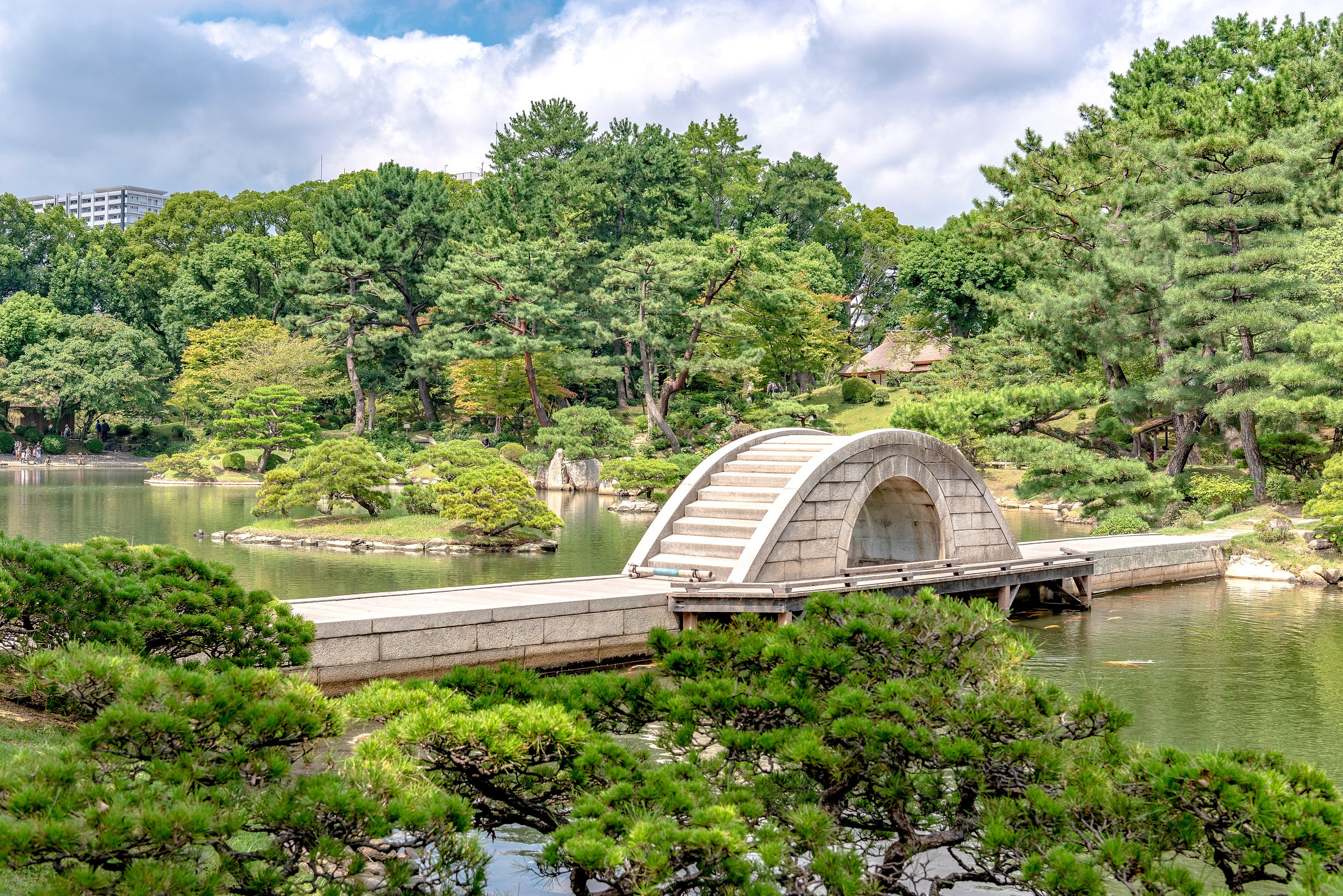
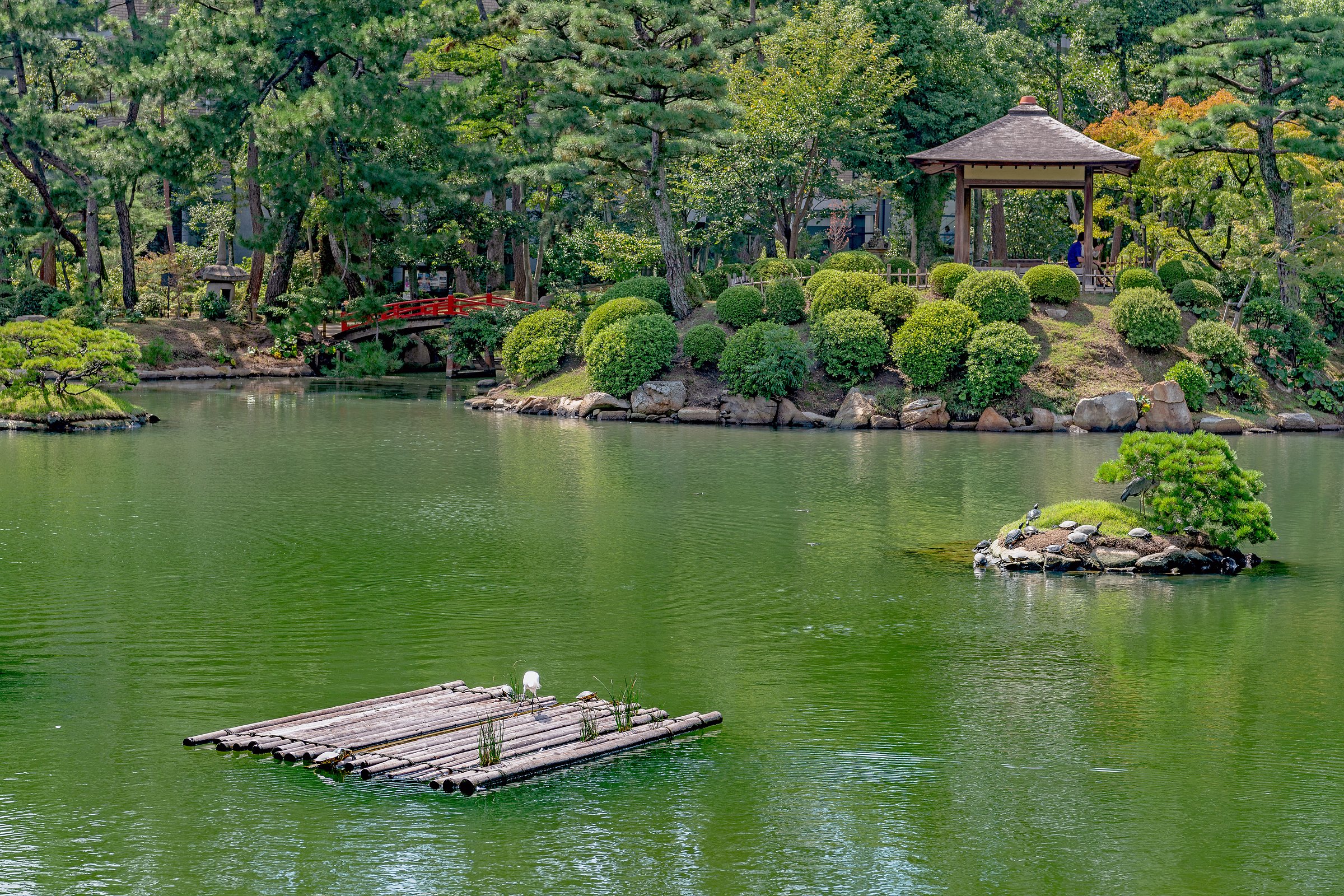
At Shukkei-en Garden, water, stone, bridges, and carefully framed views slow the pace. Its miniature landscapes offer a way into Japanese ideas about nature, design, symbolism, and representation, with your Expert helping unfamiliar traditions feel legible rather than distant. What can a garden reveal about how a city understands beauty, continuity, and renewal? Spend about an hour reading the landscape while considering how this serene place also carries the memory of destruction and recovery.
The route then brings faith into the story at World Peace Cathedral, a sight many visitors might not expect to encounter in Japan. Rebuilt after the bomb and connected with stories of survival, the cathedral opens a conversation about Christianity, remembrance, and the spiritual life of postwar Hiroshima. Your Expert provides the cultural context to approach these traditions respectfully, while connecting sacred practice to the experiences of contemporary residents.
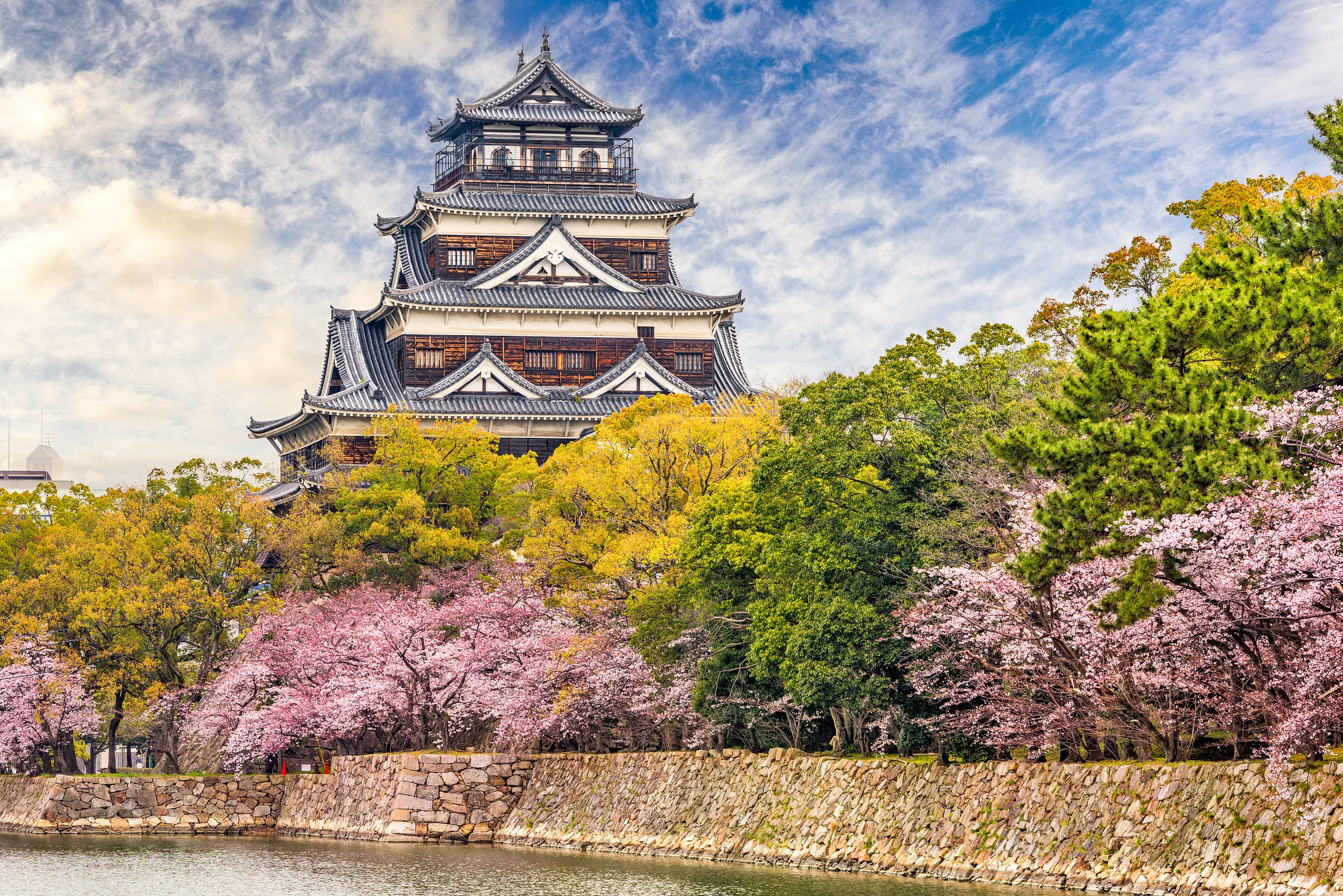
At the Hiroshima Castle Grounds, the lens shifts from belief to political power. Although the castle interior is closed, its exterior and grounds help reveal how authority shaped Hiroshima before the 20th century. Continue to a historical bunker where young girls working for the military survived the bombing, then to Gokoku-jinja Shrine, rebuilt after its destruction near the epicenter. Together, these places show how military history, civic identity, faith, and rebuilding became intertwined after the war.
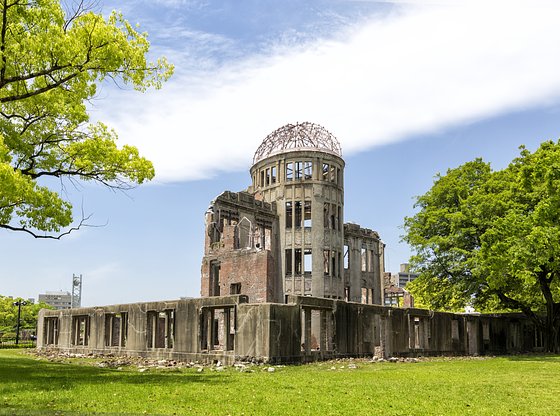
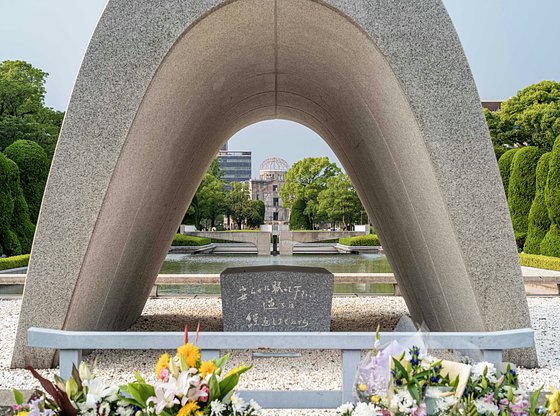
Walking toward Peace Park brings those earlier threads into direct conversation with August 1945. At the A-Bomb Dome, T-bridge, epicenter, and memorials along the peace line, examine why Hiroshima was chosen as a target and, more importantly, what that decision meant for the people who called the city home. How does a city remember catastrophic loss while continuing to function as an ordinary place to work, worship, raise families, and rebuild? Thoughtful interpretation gives structure to a difficult subject without reducing Hiroshima to it.
The tour concludes around the Hiroshima Peace Memorial Museum, where the shared route gives way to personal reflection. By this point, garden aesthetics, spiritual practice, political history, wartime destruction, peace, and urban renewal sit within one clearer picture of contemporary Hiroshima. Ending here also protects your time on a short visit, leaving you free to enter the Museum independently, continue exploring Peace Park, or shape the rest of your day at your own pace.




From iconic landmarks to tucked-away local favorites, these are the places you’ll explore and experience firsthand with your Expert.
-
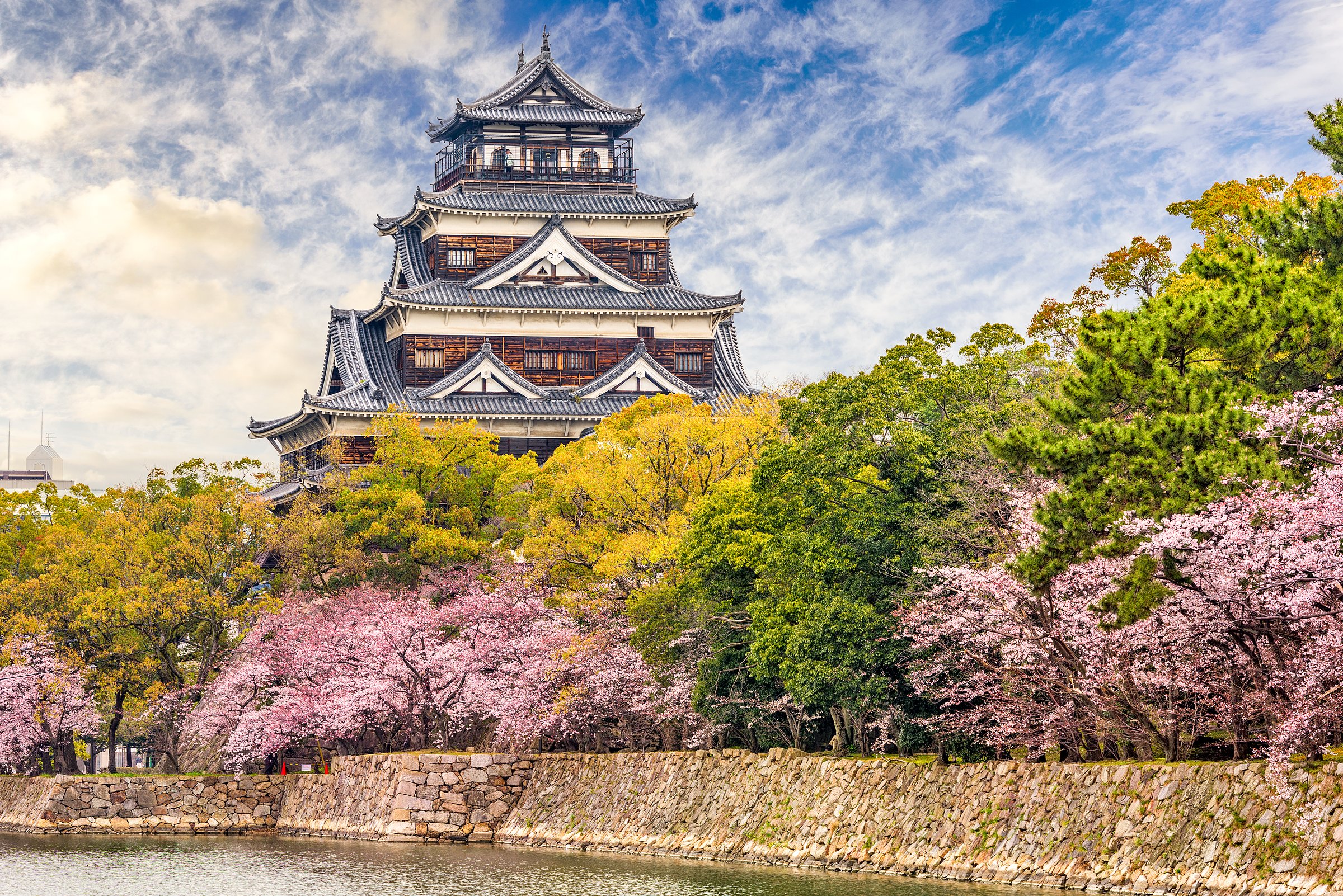
Hiroshima Castle Grounds
-
Shukkei-en Garden
-
World Peace Cathedral
-
Peace Memorial Park
-
A-Bomb Dome
-
English-speaking expert guideTours led in English, offering you unbroken understanding throughout.
-
Intentionally sized groupsA smaller group means more time for conversations and questions.
-
Tickets and entrance feesAll entry tickets included (unless clearly stated otherwise).
-
HeadsetsHeadsets are included on tours that need them, so every word can be heard.
-
GratuitiesTips aren’t included, but we encourage tipping as a way to thank your guide after your experience.
-
Food and drinkUnless booking a Food & Drink tour or tasting experience, refreshments are not included.
-
Transportation to and from the meeting pointUnless noted, pre- and post-tour transport isn’t included - this service can be added by request.
-
Hotel pickup or drop-offUnless noted, travel to or from accommodation isn’t included - this service can be added by request.
Make the Most of Your Tour
Some helpful advice for getting the most from your experience, from practical prep to small on-the-day tips.
- Wear comfortable footwear
- Check the weather and dress appropriately
- Bring a bottle of water (no glass)
- Feel free to ask your Expert anything
- Bring firearms or weapons
- Bring sharp objects (e.g. knives, swiss army knives, switchblades, hiking sticks)
- Dress inappropriately to enter religious sites or sacred monuments
Frequently Asked Questions
Don’t just take our word for it
Let Your Curiosity Shape Your Journey
Join passionate experts on intimate walking tours that reveal a city’s unique stories, spark conversations, and leave you seeing the world—and yourself—a little differently.
Structured, never scripted
Your interests guide your Expert, leading to stories and perspectives that matter to you.
Crafted for conversation
With 12 or fewer guests, ask questions, engage with your Expert, and fully immerse yourself.
Experts, not guides
Explore with 1,200+ Experts—from historians and architects to archaeologists and chefs.