Secure your spot on an upcoming Small Group Tour. See what's still available.
Hiroshima history tour

Hiroshima WWII History Tour: The Bomb and Beyond

Understand wartime history through memory, loss, and renewal

Read Hiroshima beyond the dates, through survival stories, memorials, and an Expert who makes space for questions and reflection.
Tour Highlights
  • Hiroshima in 1945 Revisit WWII through local sites, expert insight, and room for deeper questions.
  • Follow stories of survival See where people endured the blast and connect wartime history to human experience.
  • Reflect at your own pace Take time for quiet thought or thoughtful discussion, with no pressure to move quickly.
  • Understand memory in place Explore how Hiroshima preserves loss, survival, and peace across its memorial landscape.
  • Notice what others might miss Learn why the dome, Peace Flame, and oleander carry meaning beyond what you first see.
  • Ask what history leaves open Use your Expert as a conversation partner for difficult questions Hiroshima still raises.
Led by Experts, Shaped by You
Explore with an expert guide who responds to your questions, your interests, and your pace. Reveal layers of meaning most visitors miss—go from seeing to understanding.
The Finer Details
Hiroshima asks more of visitors than remembering a date. Meet your Context Expert at the fountain outside the Hiroshima Peace Memorial Museum, where the exterior becomes a starting point for placing the city within the final months of World War II. From here, begin refreshing what you know while opening space for the questions, interpretations, and complexities you want to explore.

Along Peace Boulevard, the history becomes strikingly personal through A-bomb survivor trees and a bank that endured the bombing. See the basement vault where people survived, while your Expert draws attention to details that are easy to pass without understanding. These physical traces connect the wider history of August 6, 1945, to individual experiences of survival and the extraordinary conditions on the ground.

At the epicenter marker, the scale and geography of the bombing come into sharper focus. Nearby memorial sites, a cemetery, and an A-bombed Jizo statue reveal different ways loss, belief, and remembrance became embedded in the city itself. Your Expert helps distinguish what each site represents and places these details within the larger military and civilian history, leaving room to examine familiar narratives more closely.

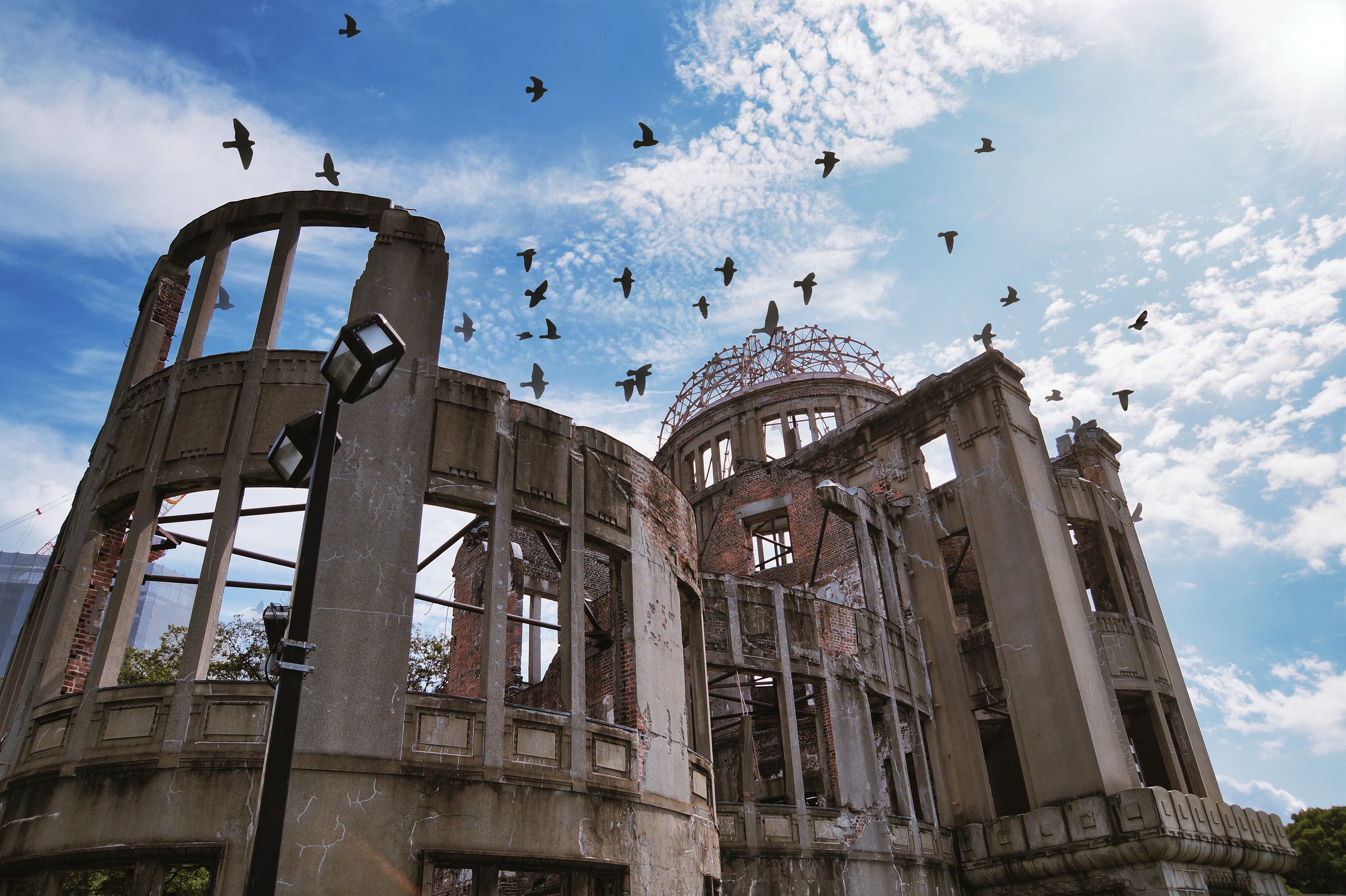
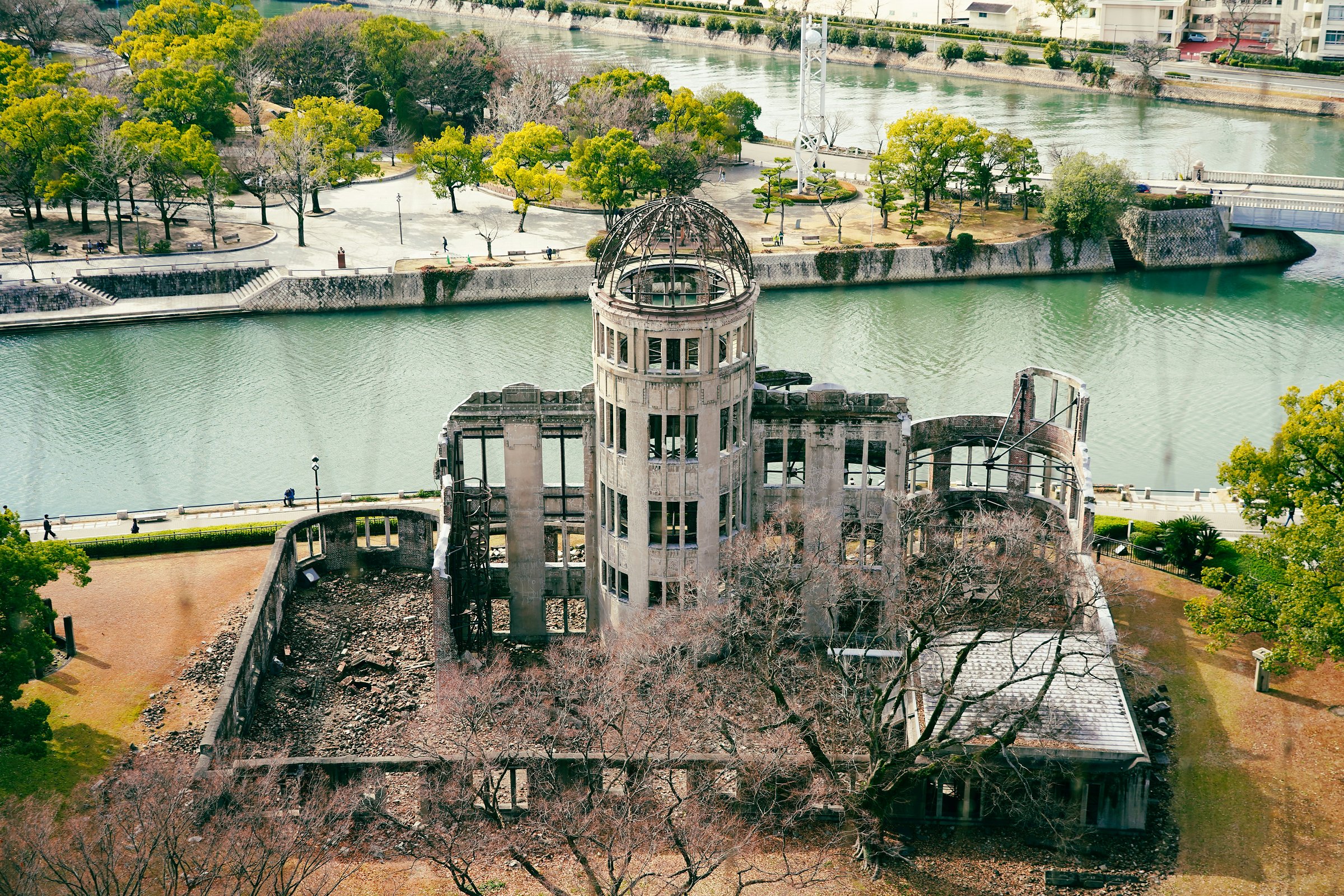
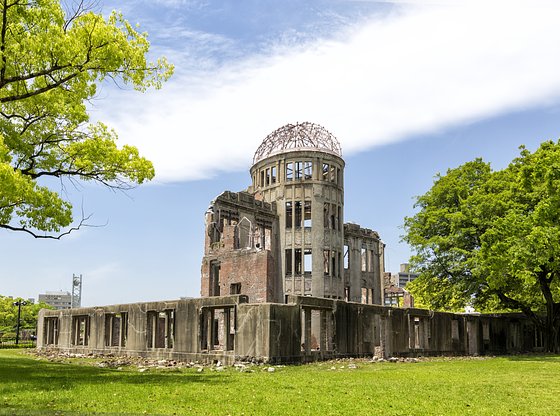
Peace Memorial Park opens the discussion into a wider landscape of destruction, survival, and commemoration. At the Atomic Bomb Dome, consider how parts of the building, including its distinctive steel dome frame, remained standing close to the blast center while much of the surrounding area was destroyed. The T-bridge adds another layer to the geography of the attack, while the ruins and museum at Honkawa Elementary School bring the experience back to civilians and children. What changes when the history is read through the places that physically endured it?
The extended walk in Peace Park continues through the Anonymous Victims Mound, Korean monument, Peace Bell, Children's Monument, and the Rest House, where one person survived the bombing. Each site carries a different aspect of memory, from unidentified victims and Korean lives lost to children, survival, and later acts of commemoration. Rather than treating these memorials as a checklist, your Expert helps connect them to the people and historical circumstances they represent, with time for discussion or quiet reflection as needed.

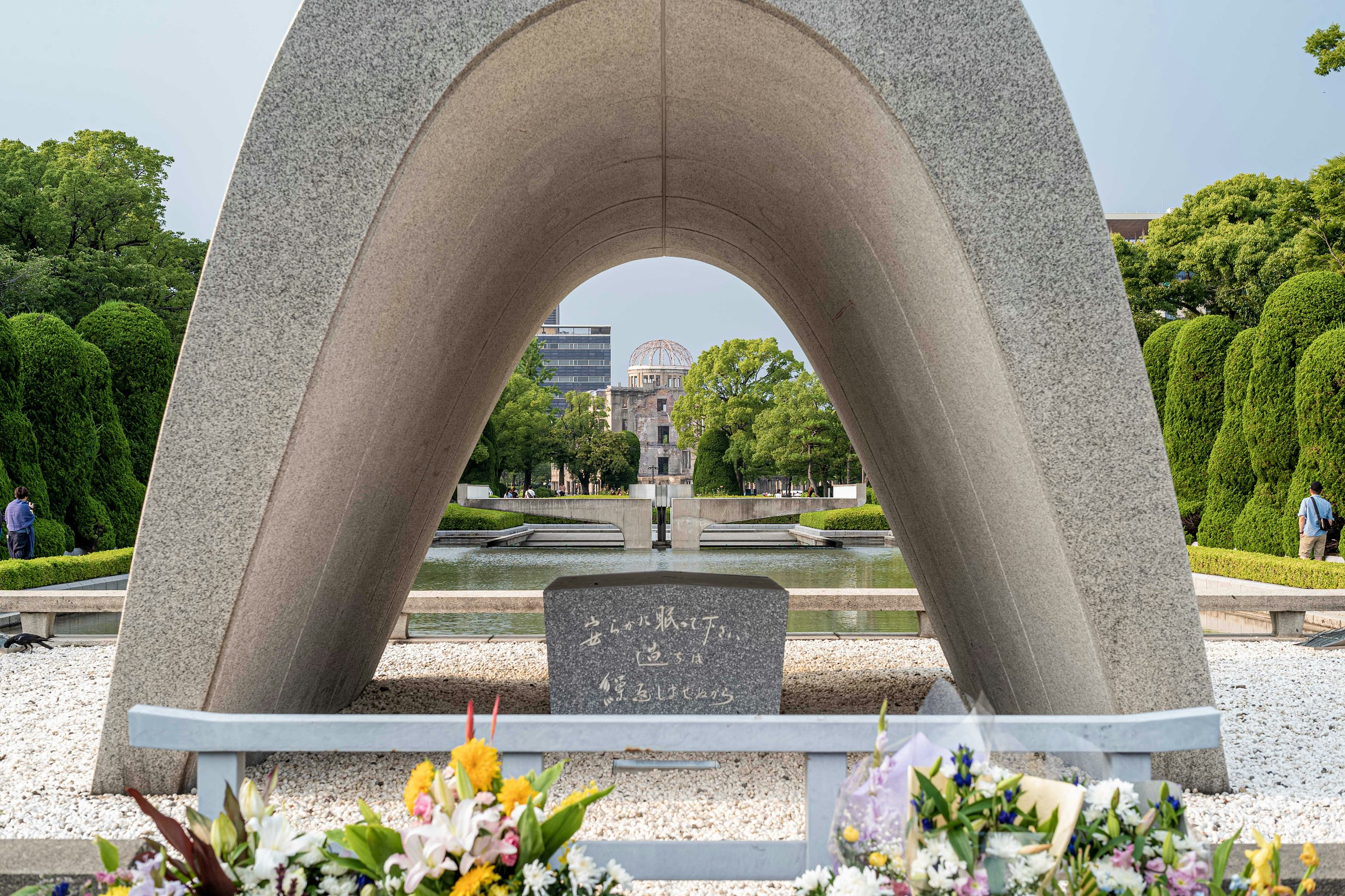
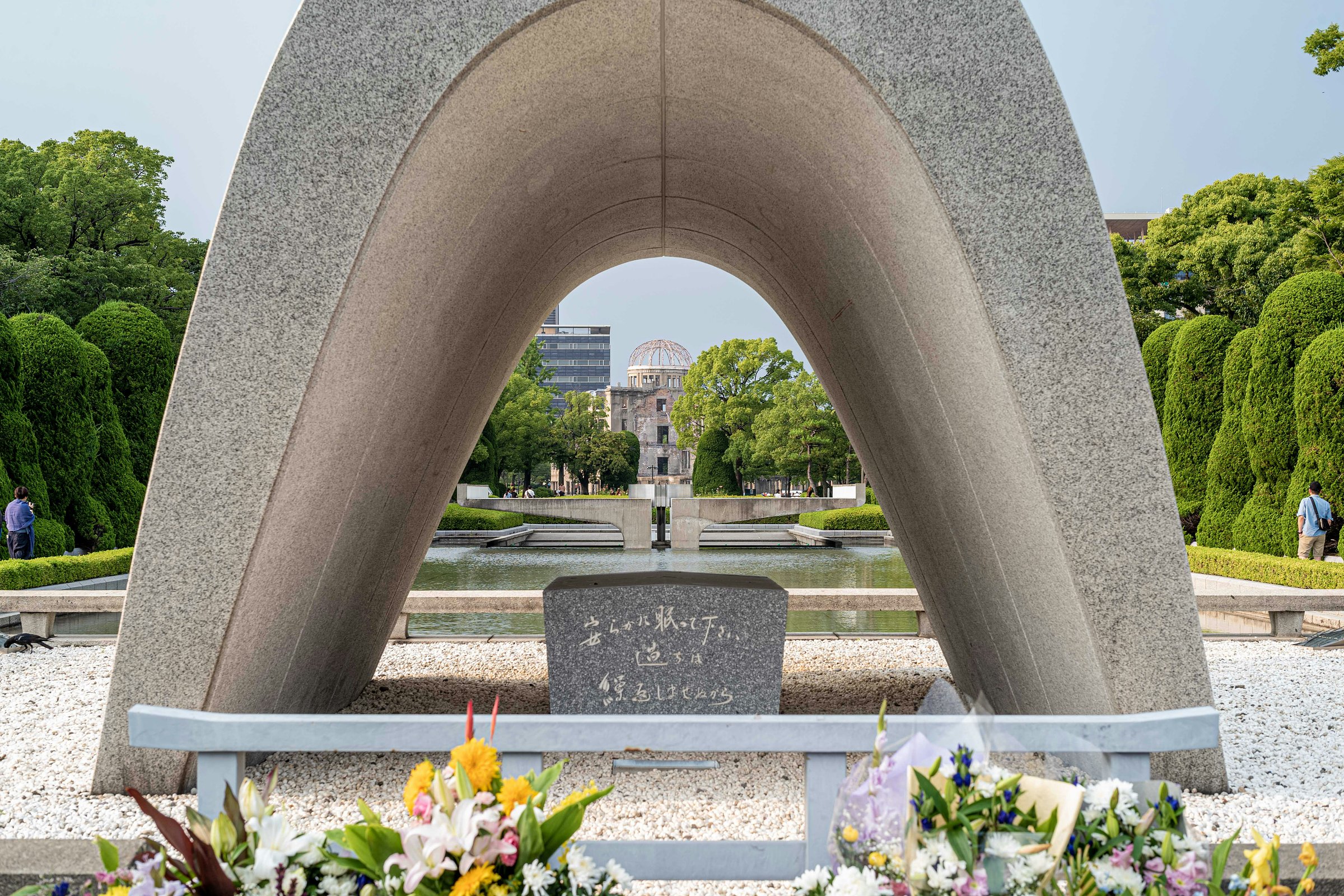
At the Peace Flame, learn why a fire lit in 1964 is intended to burn until nuclear weapons no longer exist anywhere in the world. The Cenotaph and A-bomb Victims Memorial bring the walk toward its close, returning the focus to those who were lost, and to the ways Hiroshima continues to remember them. The tour ends with a clearer framework for understanding Hiroshima, grounded in evidence, individual experience, and the difficult questions this history continues to raise.
Where You’ll Go

From iconic landmarks to tucked-away local favorites, these are the places you’ll explore and experience firsthand with your Expert.

  • Honkawa Elementary school
  • Peace Memorial Park
  • A-Bomb Dome
  • Hiroshima Peace Memorial Museum
  • Epicenter Marker
  • Peace Flame
What’s Included As Standard
Here’s a look at what your tour covers, plus anything you’ll want to consider arranging separately, so you can plan with confidence.
Included
  • English-speaking expert guide
    Tours led in English, offering you unbroken understanding throughout.
  • Intentionally sized groups
    A smaller group means more time for conversations and questions.
  • Tickets and entrance fees
    All entry tickets included (unless clearly stated otherwise).
  • Headsets
    Headsets are included on tours that need them, so every word can be heard.
Not Included
  • Gratuities
    Tips aren’t included, but we encourage tipping as a way to thank your guide after your experience.
  • Food and drink
    Unless booking a Food & Drink tour or tasting experience, refreshments are not included.
  • Transportation to and from the meeting point
    Unless noted, pre- and post-tour transport isn’t included - this service can be added by request.
  • Hotel pickup or drop-off
    Unless noted, travel to or from accommodation isn’t included - this service can be added by request.
Where You'll Explore
Map of Hiroshima WWII History Tour: The Bomb and Beyond general meeting point area

Make the Most of Your Tour

Some helpful advice for getting the most from your experience, from practical prep to small on-the-day tips.

Dos:
  • Wear comfortable footwear
  • Check the weather and dress appropriately
  • Bring a bottle of water (no glass)
  • Feel free to ask your Expert anything
Don'ts:
  • Bring firearms or weapons
  • Bring sharp objects (e.g. knives, swiss army knives, switchblades, hiking sticks)
  • Dress inappropriately to enter religious sites or sacred monuments
Any questions? You can always contact us.

Frequently Asked Questions

Yes. Context clients generally tip anywhere from 10-25% of the purchase price of a tour, depending on the quality of the experience and their tipping habits.

No, being only a 3 hours experience, this tour does not include a break for lunch. Your guide will be more than happy to recommend restaurants and locations to further explore independently at the end of the tour.

Yes, absolutely! Families are always welcome on our tours. Please keep in mind that while children of all ages can join, our WWII Hiroshima itinerary covers sensitive historical topics and somber themes that may require parental discretion for younger guests.


No, this tour is only 3 hours long and does not include a visit to Miyajima. If you are interested in Miyajima, we recommend checking out the Hiroshima in a Day tour instead.

Book with confidence — see Context's flexible cancellation policy here.
Hiroshima is highly accessible and welcoming for all participants, including wheelchair users and families with strollers. Hiroshima offers an excellent public transportation network with wheelchair-accessible streetcars, buses, and readily available accessible taxis or rideshare options (such as Uber). Most museums, monuments, and sites along the itinerary feature full elevator access, ramps, and paved pathways. If any walking stretch between landmarks feels too intense, the guide can easily adjust the itinerary using taxis.

Don’t just take our word for it

0 Reviews

Let Your Curiosity Shape Your Journey

Join passionate experts on intimate walking tours that reveal a city’s unique stories, spark conversations, and leave you seeing the world—and yourself—a little differently.

Structured, never scripted

Your interests guide your Expert, leading to stories and perspectives that matter to you.

Crafted for conversation

With 12 or fewer guests, ask questions, engage with your Expert, and fully immerse yourself.

Experts, not guides

Explore with 1,200+ Experts—from historians and architects to archaeologists and chefs.