Our guide was terrific, super outgoing and in good storytelling
Arashiyama Day Trip from Kyoto
Uncover the deeper meaning behind Arashiyama’s temples & bamboo paths
The Finer Details
The Heian period is for the Japanese as the Ancient Greek and Roman eras are for Europeans. Many of the foundational ideas, beliefs, and customs, as well as defining paintings, poetry, and works of literature, were developed during that period, leading some to consider the Heian period as the primary period of development for Japanese culture. Not coincidentally, Heian-Kyo is also the former name of Kyoto, which was at the center of this profound period of development. On our Arashiyama Tour, you travel back in time to this integral period of growth on an excursion to the quiet enclave of Arashiyama on the outskirts of Kyoto, visiting villas, temples, and unspoiled forests to unearth how Japanese identity came about during this fertile period.
Staying in Arashiyama? You may meet your guide in Arashiyama directly. Please see the Logistics section below for more information.
Staying in Arashiyama? You may meet your guide in Arashiyama directly. Please see the Logistics section below for more information.
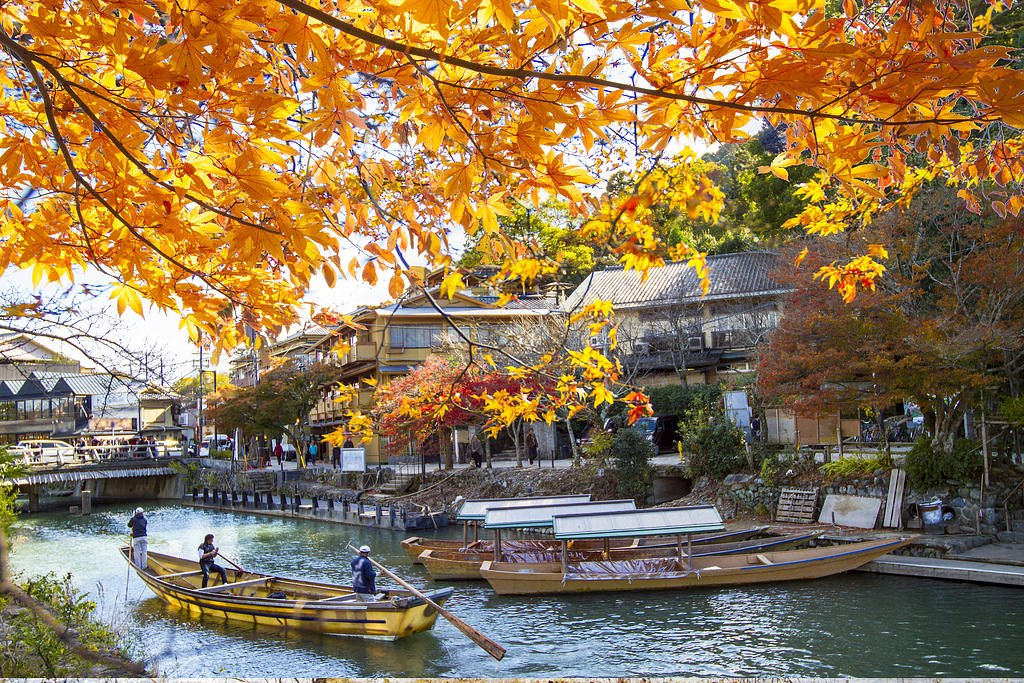
Meeting in front of Hankyu Kawaramachi Station, our guide will join us for the 20-minute train ride to Arashiyama, during which we’ll review the history of Kyoto, the important role that Arashiyama played in its development, and how it remains a tranquil enclave in a thoroughly urbanized society. Upon our arrival, we’ll walk to, and then across, Togetsu Bridge, the area's iconic landmark. The bridge, the name of which translates to “a bridge where the moon crosses," is surrounded by lush forests and is adjacent to a cherry tree grove, it provides a fittingly tranquil way to begin our exploration of Arashiyama.
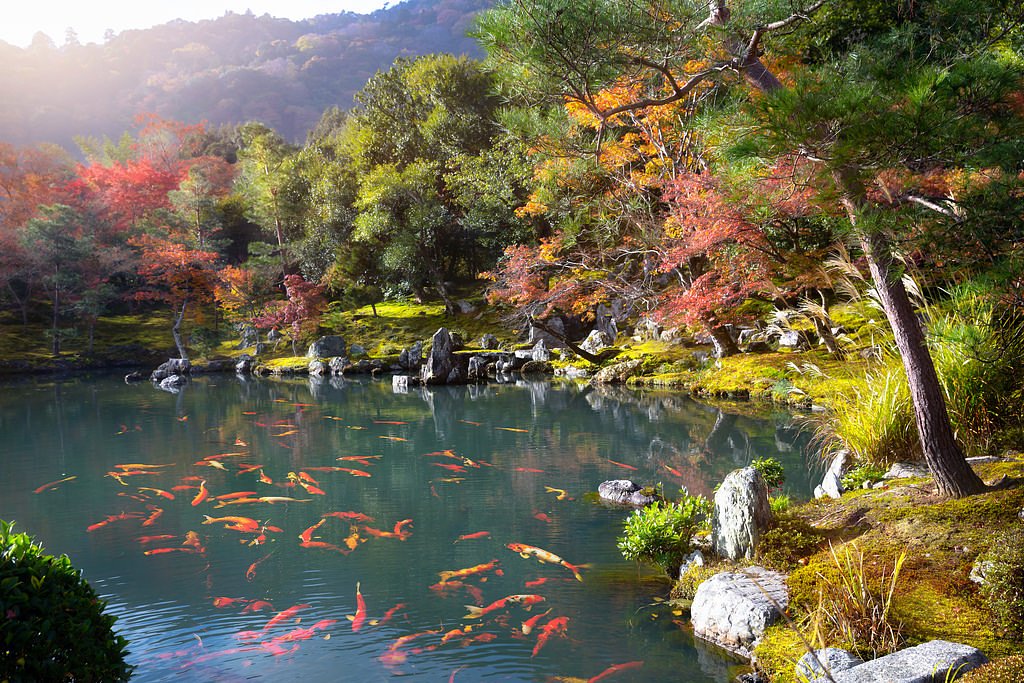
Having passed over the bridge like monks have done for hundreds of years, we’ll move on to Tenryuji Temple, one of the most important Zen temples in the city and a UNESCO World Heritage Site. A Rinza-sect Zen temple, it is known in particular for its garden, which has remained virtually unchanged since its inception, created by famed garden designer Muso Soseki in the 14th century. Exploring the sprawling grounds with our guide on our Arashiyama Tour, we’ll learn about the power struggle that led to the temple’s inception, the foundations of Zen landscape design, and how Zen Buddhism shaped and continues to influence Japanese society today.
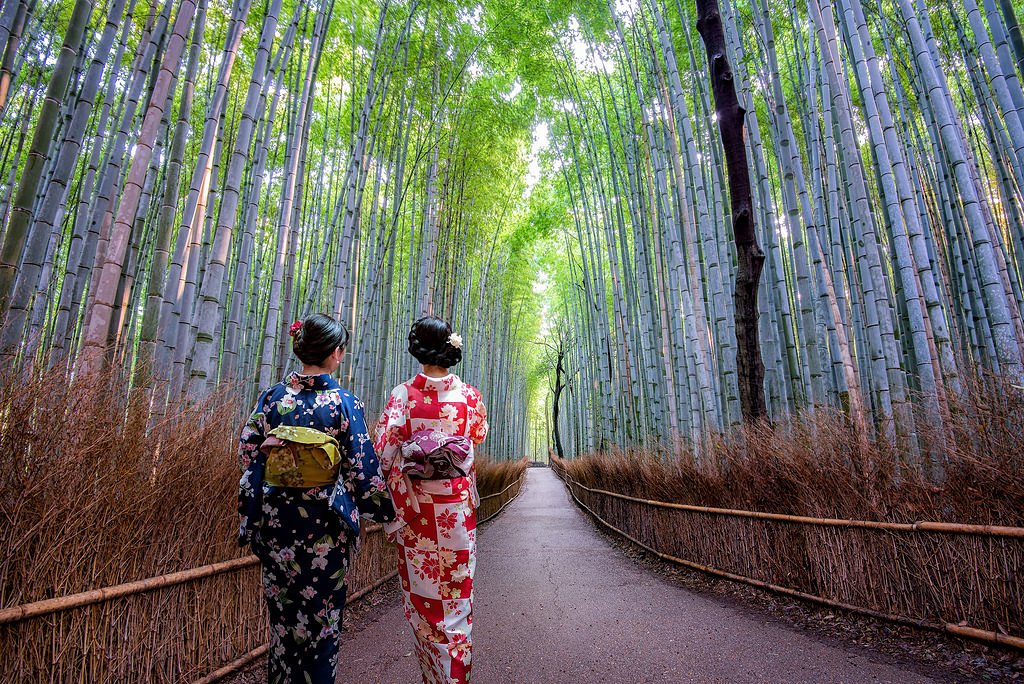
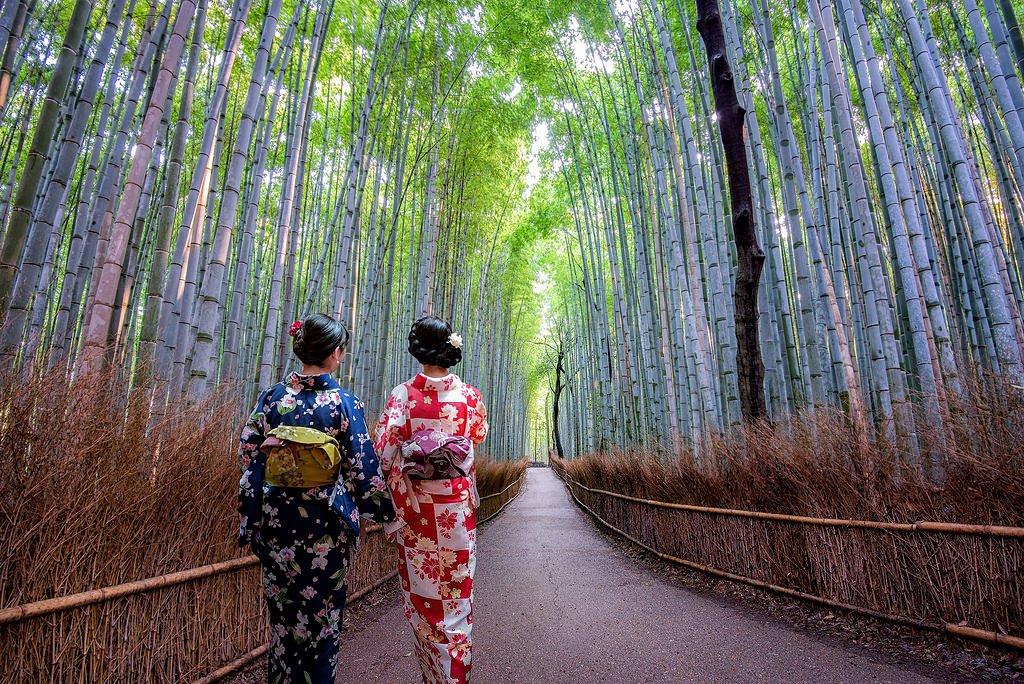
Our Arashiyama Tour will, at this point, proceed into the famed bamboo grove. Wandering through this otherworldly place, we’ll spend some time appreciating the serene sensation of being surrounded by bamboo—it’s difficult to convey the particular sensation that comes from finding oneself surrounded by soaring shoots of bamboo. You may also visit a small shrine called Nonomiya Shrine in the middle of the forest. Originally, this was where an imperial princess purified herself before becoming a high priestess at Ise Grand Shrine. Notably, the shrine makes an appearance in The Tale of Genji, an 11th-century masterpiece of Japanese literature considered by some to be the world’s first novel.
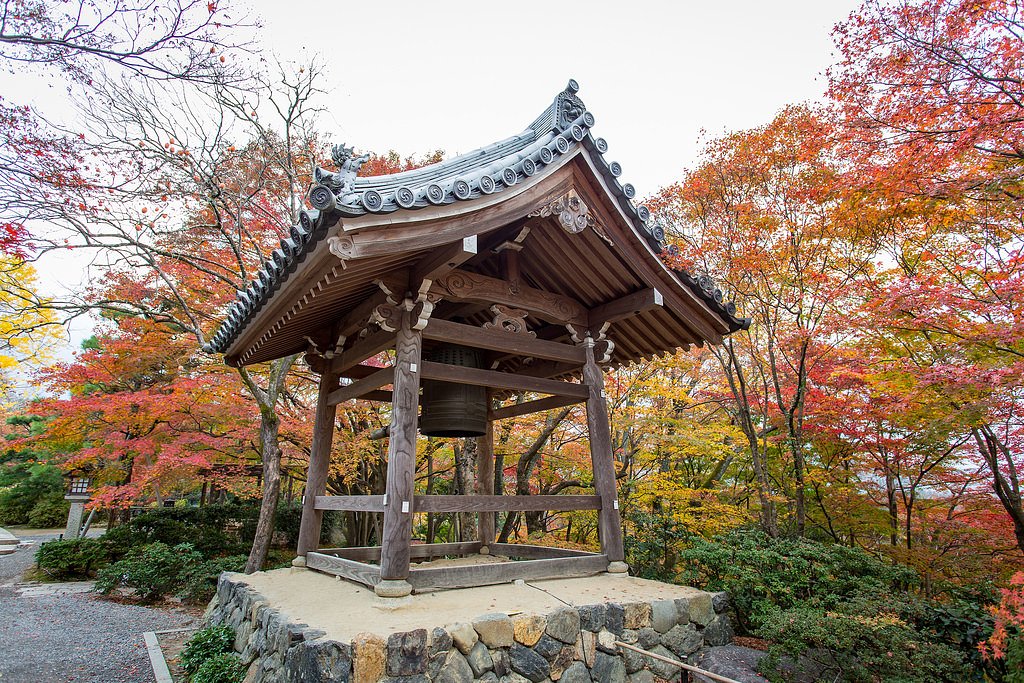
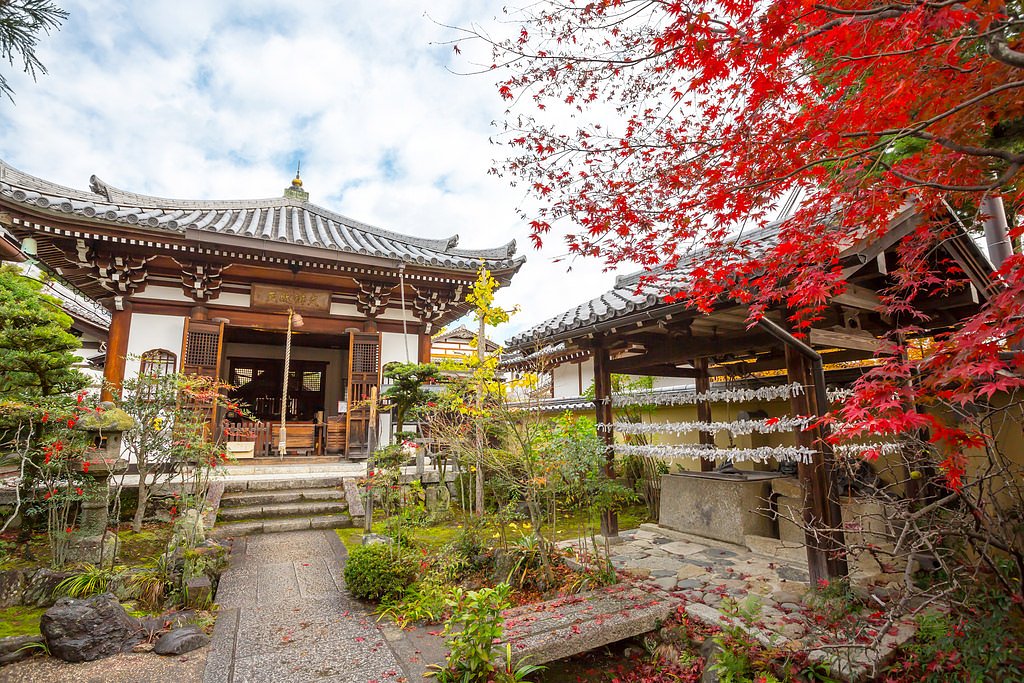
Exiting the grove, we’ll walk about ten minutes to the northern part of Arashiyama, stopping at Jojakkoji Temple. Built in the 16th century, this Buddhist temple is famous for its quiet, yet breathtaking scenery, lovely moss garden, and two hundred maple trees. Enjoying a quiet respite from the more famous sites nearby, we’ll drink in the views of Kyoto as you contemplate the important religious sites and natural beauty you have experienced on our Arashiyama Tour.
We'll wrap up at Jojakkoji Temple, having gained a deeper appreciation for Japanese culture, as well as a better understanding of the forces that shaped it. You will also have the opportunity to see some of the most strikingly beautiful examples of nature in the city, from the finely manicured garden inside Tenryuji Temple to the unforgettable bamboo grove.
Choose this tour if...
- You're a culture lover interested in immersing yourself and your family in Japanese culture
- You’re hoping to discover Arashiyama through the eyes of a local expert
Meet the Experts













Where You’ll Go
From iconic landmarks to tucked-away local favorites, these are the places you’ll explore and experience firsthand with your Expert.
-
Jojakko-ji Temple
-
Tenryu-ji Temple
-
Bamboo Grove
-
Sogenchi Gardens
What’s Included As Standard
Here’s a look at what your tour covers, plus anything you’ll want to consider arranging separately, so you can plan with confidence.
Included
-
English-speaking expert guideTours led in English, offering you unbroken understanding throughout.
-
Intentionally sized groupsA smaller group means more time for conversations and questions.
-
Tickets and entrance feesAll entry tickets included (unless clearly stated otherwise).
-
HeadsetsHeadsets are included on tours that need them, so every word can be heard.
Not Included
-
Food and drinkUnless booking a Food & Drink tour or tasting experience, refreshments are not included.
-
Transportation to and from the meeting pointUnless noted, pre- and post-tour transport isn’t included - this service can be added by request.
-
GratuitiesTips aren’t included, but we encourage tipping as a way to thank your guide after your experience.
-
Hotel pickup or drop-offUnless noted, travel to or from accommodation isn’t included - this service can be added by request.
Where You'll Explore
Make the Most of Your Tour
Some helpful advice for getting the most from your experience, from practical prep to small on-the-day tips.
Dos:
- Wear comfortable footwear
- Check the weather and dress appropriately
- Bring a bottle of water (no glass)
- Feel free to ask your Expert anything
Don'ts:
- Bring firearms or weapons
- Bring sharp objects (e.g. knives, swiss army knives, switchblades, hiking sticks)
- Dress inappropriately to enter religious sites or sacred monuments
Any questions? You can always
contact us.
Frequently Asked Questions
We meet near Hankyu Kawaramachi Station. The tour ends in Arashiyama.
Yes, all the venue entrance fees and round-trip train tickets from Kyoto are included.
Unfortunately, not - the only way for you to sit with the guide on the train is by using tickets bought directly by the guide; therefore, you must purchase tickets through us.
Yes. Context clients generally tip anywhere from 10-25% of the purchase price of a personal service such as this, depending on the quality of the experience and their tipping habits.
Book with confidence — see Context's flexible cancellation policy here.
We understand that some of our valued guests may have mobility concerns, and we want to ensure you have a comfortable and enjoyable experience throughout your tour. If there are any accessibility concerns that your tour guide will need to be aware of, please let our team know at the time of booking.
Don’t just take our word for it
Fabulous tour and Kaura was a terrific guide. Very fun very knowledgeable and she gave us great tips for how to explore Kyoto after the tour
Dafne was perfect. She expertly guided us and knew exactly how to cater the tour to my teenage/preteen children. Her stories were interesting and she was super knowledgeable on all the “extra” questions we had! We wish we could tour more with her!
Book a Tour
Let Your Curiosity Shape Your Journey
Join passionate experts on intimate walking tours that reveal a city’s unique stories, spark conversations, and leave you seeing the world—and yourself—a little differently.
Structured, never scripted
Your interests guide your Expert, leading to stories and perspectives that matter to you.
Crafted for conversation
With 12 or fewer guests, ask questions, engage with your Expert, and fully immerse yourself.
Experts, not guides
Explore with 1,200+ Experts—from historians and architects to archaeologists and chefs.
You May Also Be Interested In…
Experience Arashiyama Beyond the Bamboo Grove
For many visitors, Arashiyama means one thing: the famous Bamboo Grove.
But this western district of Kyoto has been a place of beauty, retreat, and artistic inspiration for more than a thousand years. Long before it became one of Japan's most photographed destinations, emperors, monks, poets, and artists came here seeking something quieter than the city itself.
On this private Arashiyama tour, a local historian helps you see the district as more than a collection of scenic landmarks. As you move between temples, gardens, forests, and mountain paths, you'll discover how nature helped shape Japanese religion, aesthetics, and everyday life.
Visit Kyoto's Bamboo Grove
The Arashiyama Bamboo Grove is one of Kyoto's most recognizable sights.
Towering bamboo creates a remarkable natural corridor where shifting light, movement, and sound transform an ordinary walk into something unexpectedly immersive.
Rather than stopping only for the familiar photographs, your Expert leads you beyond the busiest section to quieter viewpoints where you can better appreciate the grove's atmosphere while learning why bamboo has held practical, artistic, and spiritual importance throughout Japanese history.
Explore Tenryu-ji, a UNESCO World Heritage Site
Tenryu-ji is among Kyoto's most important Zen temples.
Founded in the fourteenth century, its famous Sogenchi Garden remains largely unchanged and demonstrates the Japanese concept of shakkei, or "borrowed scenery," where distant mountains become part of the garden's design.
Your Expert explains how Zen philosophy influenced both the architecture and the landscape, revealing why the temple continues to be considered one of Japan's great cultural treasures.
Discover Arashiyama's Hidden Corners
Most visitors experience Arashiyama along a predictable route between the station, the Bamboo Grove, and Togetsu Bridge.
This tour goes further.
Quieter temples, forest paths, and lesser-visited viewpoints reveal another side of the district, where traditional neighborhoods and wooded hillsides create a slower rhythm than Kyoto's busiest attractions.
These places provide many of the day's most memorable moments—and often its best photographs.
Understand Nature in Japanese Culture
In Arashiyama, nature is not simply a beautiful backdrop.
Forests, rivers, gardens, and mountains have long been understood as places of spiritual significance within both Shinto and Buddhism. Throughout the walk, your Expert explains how these traditions influenced temple design, religious practice, literature, and Japanese aesthetics.
Instead of viewing each site separately, you'll begin to see Arashiyama as a landscape where nature and culture have developed together for centuries.
Visit Nonomiya Shrine
Hidden beside the Bamboo Grove, Nonomiya Shrine preserves traditions that reach back to Kyoto's imperial past.
Once associated with purification rituals for imperial princesses, the shrine also appears in The Tale of Genji, one of the world's earliest novels.
Its understated architecture and forest setting provide an opportunity to discuss Shinto traditions, court life, and the literary heritage that helped shape Japanese culture.
Climb to Jojakko-ji
Jojakko-ji rewards visitors willing to leave the busiest streets behind.
Known for its hillside setting, moss-covered grounds, and brilliant autumn foliage, the temple offers broad views across Kyoto together with a quieter atmosphere than many of the city's better-known landmarks.
Its location illustrates how Buddhist temples were often positioned to encourage reflection through movement, changing perspectives, and close engagement with the surrounding landscape.
A Different Side of Kyoto
Arashiyama offers a contrast to central Kyoto's famous shrines and crowded shopping streets.
Here, mountains meet temples, rivers define neighborhoods, and historic gardens blend into the surrounding forest. The district invites a slower pace that helps visitors understand why generations of artists, monks, and aristocrats sought inspiration here.
By the end of the tour, Arashiyama feels less like a famous destination and more like a key to understanding Kyoto itself.
Led by Local Historians
Your tour is led by a local historian with expertise in Kyoto's history, religion, and cultural traditions.
Rather than simply identifying landmarks, your Expert connects architecture, Zen Buddhism, Shinto beliefs, literature, and landscape into one continuous story—helping you understand not only what you're seeing, but why Arashiyama has remained one of Kyoto's most significant cultural landscapes for centuries.
Frequently Asked Questions
What is Arashiyama best known for?
Arashiyama is famous for the Bamboo Grove, but it is also home to Tenryu-ji Temple, Togetsu Bridge, historic gardens, traditional neighborhoods, and some of Kyoto's most beautiful mountain scenery.
Does this tour include the Bamboo Grove?
Yes. The Bamboo Grove is one of the highlights of the tour. Your Expert also guides you beyond the busiest section to experience quieter areas that many visitors miss.
Is the Bamboo Grove worth visiting?
Absolutely. The grove is one of Kyoto's iconic sights, but its significance goes beyond photography. Visiting with an Expert provides historical and cultural context that most independent visitors never encounter.
Which temples are included?
The tour includes Tenryu-ji, Nonomiya Shrine, and Jojakko-ji, with discussions connecting Zen Buddhism, Shinto traditions, landscape design, and Kyoto's history.
Is this mostly a walking tour?
Yes. After taking the train from central Kyoto, the experience continues on foot through Arashiyama's temples, gardens, and forest paths.
Is Arashiyama crowded?
The Bamboo Grove can become busy during peak travel periods. Your Expert helps navigate the area efficiently while incorporating quieter locations that provide a more relaxed experience.
When is the best time to visit Arashiyama?
Arashiyama is beautiful year-round. Spring brings cherry blossoms, summer offers lush greenery, autumn is famous for brilliant maple foliage, and winter provides a quieter atmosphere.
Do I need to be interested in Buddhism?
No. The tour is designed for anyone interested in Kyoto's history, gardens, architecture, or culture. Religious traditions are explained through the places you visit, making them accessible regardless of prior knowledge.
What makes this different from visiting on my own?
Most visitors see Arashiyama as a series of famous photo stops. A historian helps you understand how the Bamboo Grove, Zen gardens, temples, Shinto shrines, literature, and surrounding landscape are connected, turning one of Kyoto's most popular districts into one of its most meaningful.