Small Group Tours are now booking for summer and fall. Book yours today.
belem tour

Belém Tour: Jerónimos and Maritime Power

Unpack Portugal’s age of exploration through Belém’s monuments

Read Belém like a map of power, faith, and ambition, with an expert connecting Portugal's voyages to the world they reshaped.
Tour Highlights
  • Decode Portugal's sea power Discover how defense, trade, and ambition converged along Lisbon's strategic riverfront.
  • Read Manueline architecture Learn to read ropes, anchors, and coral as evidence of Portugal's maritime worldview.
  • Connect monuments to empire Link celebrated voyages to colonial power, global trade, and the people left behind.
  • Follow your interests Test assumptions and talk about what interests you with an expert who welcomes complexity.
  • Navigate with clarity Follow a purposeful riverside route that turns four landmarks into one coherent story.
  • See Belém like a local Notice the details, perspectives, and neighborhood stories that guidebooks often miss.
Led by Experts, Shaped by You
Explore with an expert guide who responds to your questions, your interests, and your pace. Reveal layers of meaning most visitors miss—go from seeing to understanding.
The Finer Details
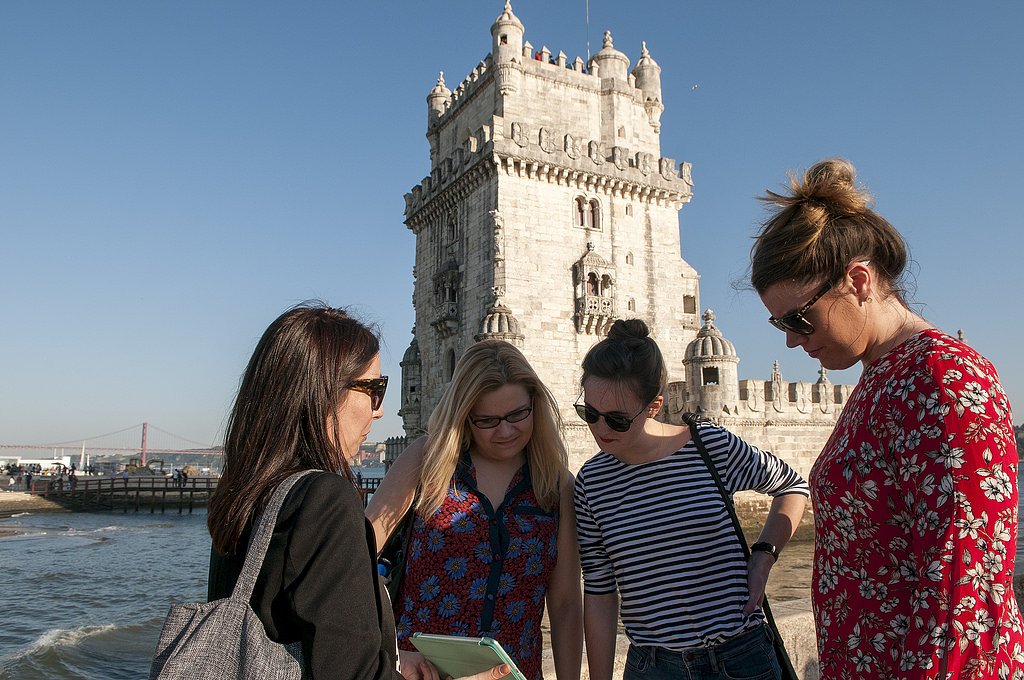
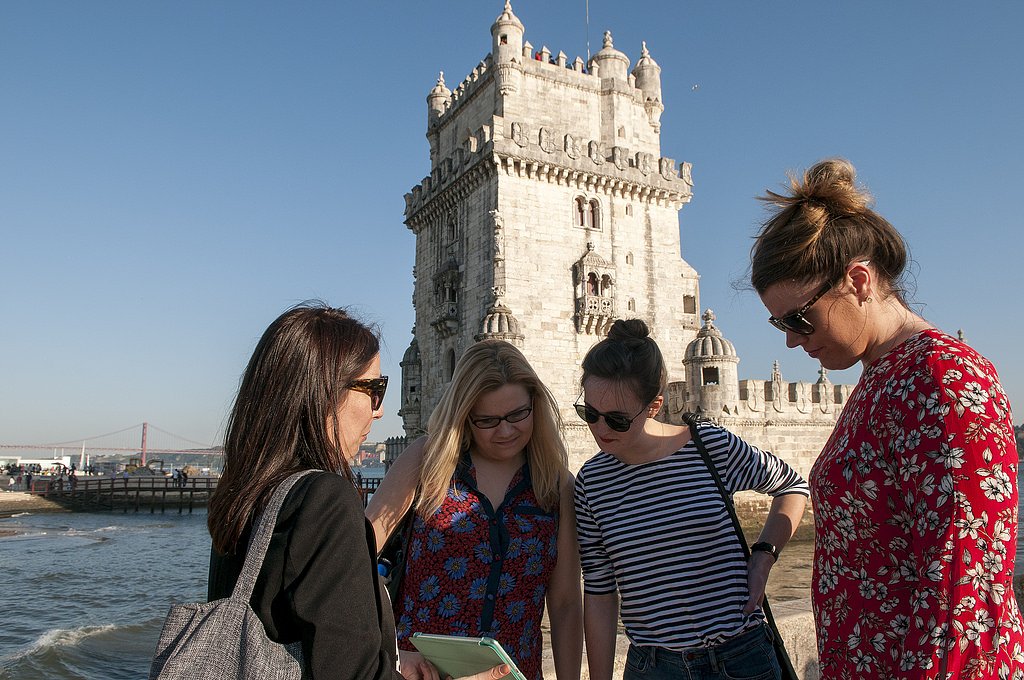
How did a fortress at the edge of the Tagus come to embody Portugal’s global ambitions? Begin this Belém Tour at Belém Tower, where your Context Expert reveals how a working defense became a national symbol, using its Manueline ropes, anchors, coral, and shells to illuminate the Age of Discovery and the conflicts behind it.

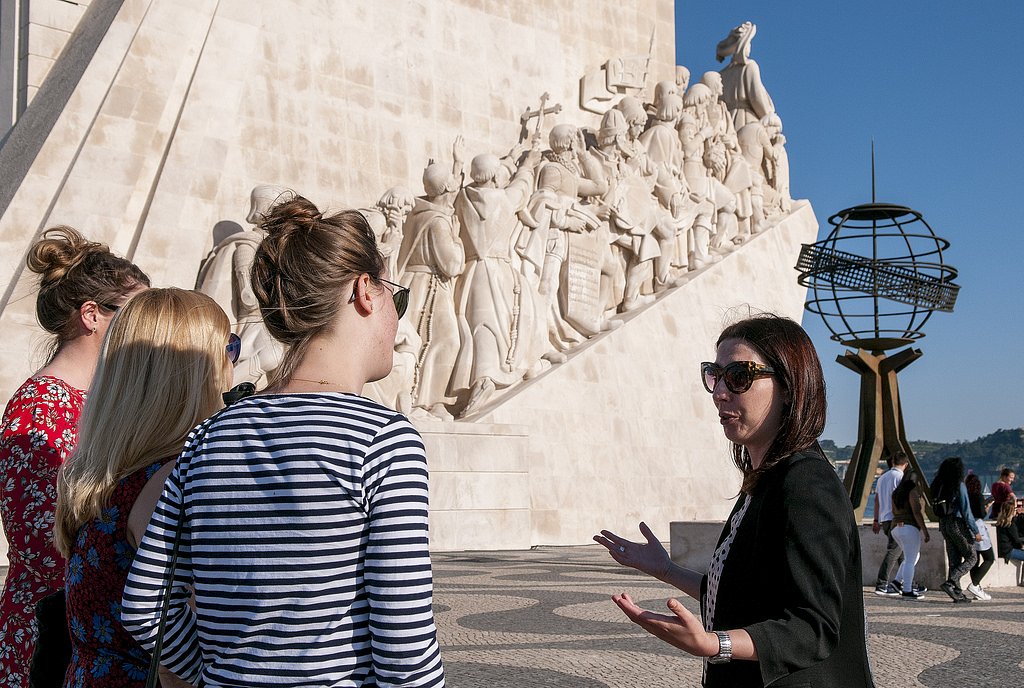
That story takes on a different scale at the Padrão dos Descobrimentos, where Portugal’s maritime past is recast in monumental form. Set beside the Tagus, it brings Belém’s strategic importance into focus as a place of navigation, military defense, and departures into the Atlantic. Moving between monument and river, the wider history becomes visible in the landscape itself.

Look closely at the explorers carved into the monument and trace the routes they pioneered. Your Expert may unpack the celebrated achievements, then widen the frame to colonial power, global trade, and the dangers of months or years at sea. What did these voyages mean for the families, workers, and communities who remained in Lisbon?

Near the monastery, Pastéis de Belém adds a sweeter layer to the district's history. The bakery has made its custard tarts since 1837 from a recipe originally created by monks at Jerónimos Monastery, and its complete formula remains closely guarded. Because crowds can consume valuable tour time, hear the story as you pass and return afterward to taste one for yourself.

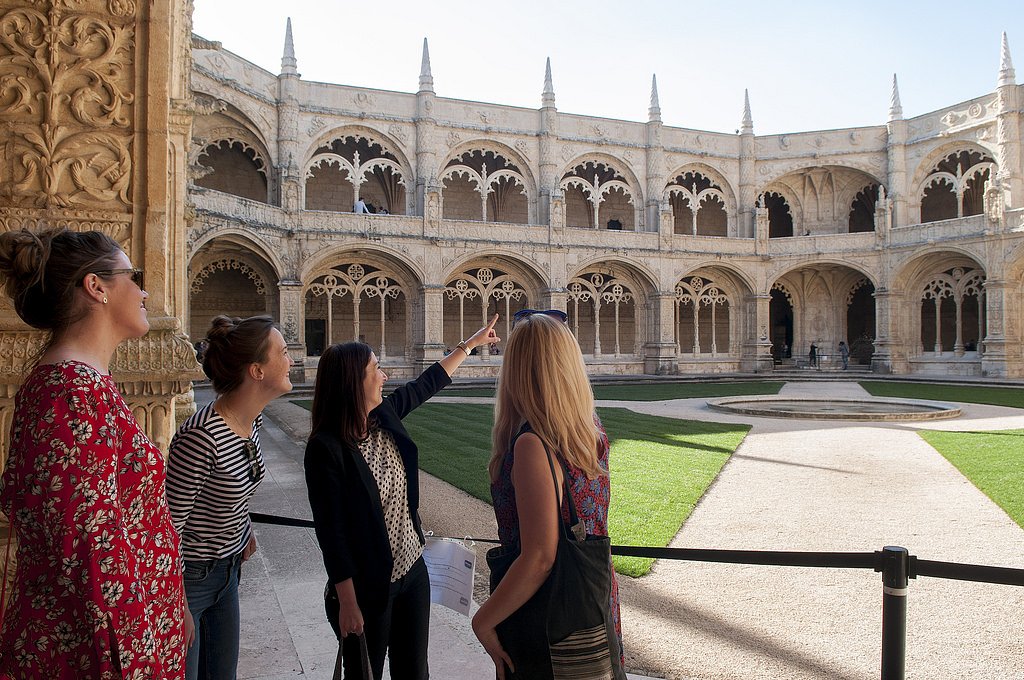
Jerónimos Monastery brings faith, architecture, and maritime expansion into one richly carved setting. With prepaid tickets, enter one of Lisbon's defining examples of Manueline Gothic architecture and examine how seafaring symbols turn stone into a statement of power. Portuguese sailors attended Mass here before dangerous expeditions, and the monastery later became a lasting tribute to Portugal’s Age of Discovery and its global ambitions.

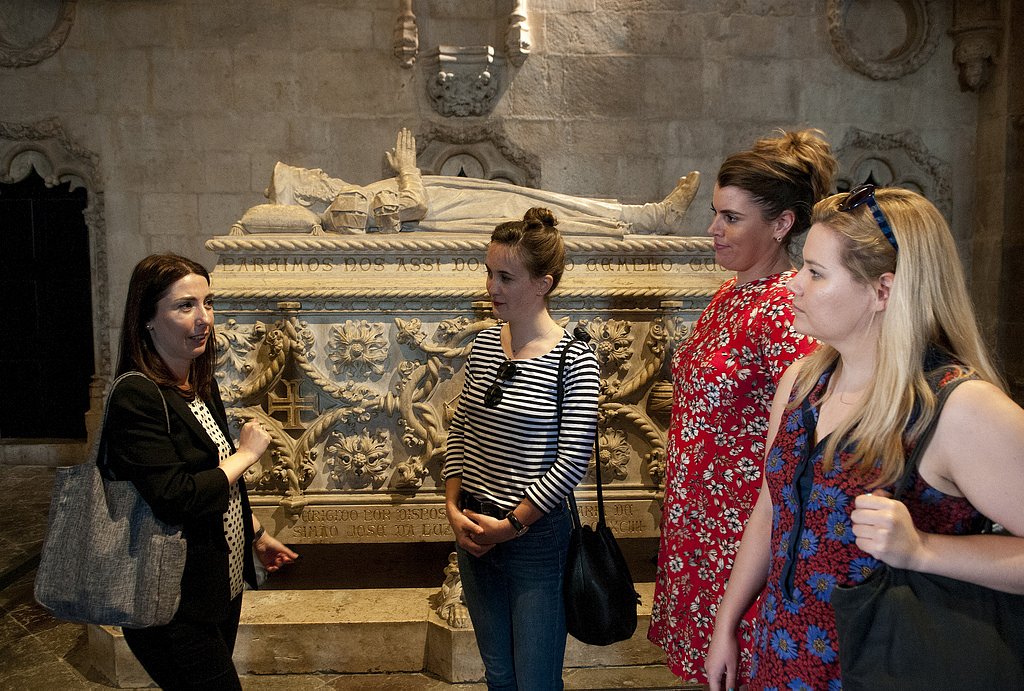
Inside the monastery, pause at Vasco da Gama's tomb and consider how individual lives become national symbols. Stories of the building's other illustrious inhabitants reveal how religion, monarchy, exploration, and colonial history converged in Belém. Leave with a clearer vocabulary for discussing Portugal's achievements, contradictions, and enduring impact on the modern world.
Meet the Experts


Expertly Led,

Personally Delivered

“ In today's globalized world where standardization, homogenization, and the rapid and superficial consumption of knowledge are the norm, I seek to showcase the hidden corners, the true richness and uniqueness, and the essence of my city. ”

Where You’ll Go

From iconic landmarks to tucked-away local favorites, these are the places you’ll explore and experience firsthand with your Expert.

  • Jerónimos Monastery
    Manueline monastery tied to voyages, faith, and colonial history.
  • Padrão dos Descobrimentos (Monument to the Discoveries)
    Waterfront monument to explorers, routes, and maritime ambition.
  • Belém Tower (exterior)
    Riverside fortress shaped by defense, voyages, and Manueline art.
What’s Included As Standard
Here’s a look at what your tour covers, plus anything you’ll want to consider arranging separately, so you can plan with confidence.
Included
  • English-speaking expert guide
    Tours led in English, offering you unbroken understanding throughout.
  • Intentionally sized groups
    A smaller group means more time for conversations and questions.
  • Tickets and entrance fees
    All entry tickets included (unless clearly stated otherwise).
  • Headsets
    Headsets are included on tours that need them, so every word can be heard.
Not Included
  • Food and drink
    Unless booking a Food & Drink tour or tasting experience, refreshments are not included.
  • Transportation to and from the meeting point
    Unless noted, pre- and post-tour transport isn’t included - this service can be added by request.
  • Gratuities
    Tips aren’t included, but we encourage tipping as a way to thank your guide after your experience.
  • Hotel pickup or drop-off
    Unless noted, travel to or from accommodation isn’t included - this service can be added by request.
Where You'll Explore
Map of Belém Tour: Jerónimos and Maritime Power general meeting point area

Make the Most of Your Tour

Some helpful advice for getting the most from your experience, from practical prep to small on-the-day tips.

Dos:
  • Wear comfortable footwear
  • Check the weather and dress appropriately
  • Bring a bottle of water (no glass)
  • Feel free to ask your Expert anything
Don'ts:
  • Bring firearms or weapons
  • Bring sharp objects (e.g. knives, swiss army knives, switchblades, hiking sticks)
  • Dress inappropriately to enter religious sites or sacred monuments
Any questions? You can always contact us.

Frequently Asked Questions

The bakery is discussed during the walk, but the tour does not normally stop to purchase pastries because queues can be lengthy. Your Expert will recommend returning afterward if you'd like to try them. 
No. They limit their capacity, and it's not possible to skip the line, which means a long waiting time. The interior is also not overly impressive; we choose to focus on the exterior with its immense facades and interesting carvings. 
Yes. Prepaid admission allows you to enter Jerónimos Monastery with your Context Expert, where the architecture and symbolism become a central part of the tour.
Yes. Belém introduces many of the themes that shaped Portugal's history and provides valuable context for understanding the country's wider cultural identity.
Book with confidence — see Context's flexible cancellation policy here.
We understand that some of our valued guests may have mobility concerns, and we want to ensure you have a comfortable and enjoyable experience throughout your tour. If there are any accessibility concerns that your tour guide will need to be aware of, please let our team know at the time of booking.

Don’t just take our word for it

175 Reviews

Jose was an outstanding guide. His knowledge of Belém and the Jerónimos Monastery was exceptional, and he brought the history to life with engaging stories and fascinating details. He paced the tour perfectly, answered every question thoughtfully, and made the experience both educational and enjoyable. We left with a much deeper appreciation of Portugal’s history and would highly recommend Jose to anyone visiting Lisbon.

Jose was an extremely knowledgeable, passionate and engaging guide. We learned about the fascinating history of Portugal from the Phoenicians until present day. He clearly answered questions and shared stories that made the history come alive. We would highly recommend!

Ze was great and very knowledgeable. Great time for ourselves and kids.

Book a Tour

Let Your Curiosity Shape Your Journey

Join passionate experts on intimate walking tours that reveal a city’s unique stories, spark conversations, and leave you seeing the world—and yourself—a little differently.

Structured, never scripted

Your interests guide your Expert, leading to stories and perspectives that matter to you.

Crafted for conversation

With 12 or fewer guests, ask questions, engage with your Expert, and fully immerse yourself.

Experts, not guides

Explore with 1,200+ Experts—from historians and architects to archaeologists and chefs.
Understand Belém Beyond the Monuments

Belém is where Portugal's Age of Discovery becomes tangible.

Its monastery, riverside fortifications, monuments, and waterfront all tell parts of the story of how a small Atlantic kingdom became one of the world's great maritime powers. This private Belém tour connects those places into a single narrative, exploring not only exploration and navigation, but also religion, empire, trade, and the lasting consequences of overseas expansion.

Walking beside the Tagus River with a Context Expert, you'll learn why Belém became the symbolic gateway between Portugal and the wider world—and why its monuments still provoke discussion today.

Why Visit Belém?

Many of Lisbon's most famous monuments stand in Belém, but they were never intended as isolated attractions.

The tower guarded the river. The monastery welcomed sailors before dangerous voyages. The Monument to the Discoveries celebrated exploration and later became part of Portugal's national identity. Even the famous custard tarts have roots in the religious communities that once shaped the district.

A guided Belém walking tour reveals how these landmarks relate to one another, allowing you to understand the neighborhood as a coherent historical landscape rather than a series of separate stops.

What Will You See on This Belém Tour?

This experience explores Belém's principal monuments through the themes that connect them: navigation, faith, architecture, political power, and the global consequences of maritime expansion.

Belém Tower
Standing beside the Tagus, Belém Tower originally functioned as part of Lisbon's river defenses rather than simply as a decorative monument.

Viewed from the exterior, it illustrates how military architecture and symbolic design merged during Portugal's maritime expansion. Your Expert helps interpret Manueline details—ropes, anchors, shells, coral, and botanical carvings—that celebrated both navigation and imperial ambition.

The tower also raises broader questions about how nations choose to remember periods of conquest and exploration.

Monument to the Discoveries
The Padrão dos Descobrimentos presents Portugal's explorers as national heroes, looking outward toward the Atlantic.

Created during the twentieth century, the monument reflects not only the fifteenth and sixteenth centuries it commemorates but also the era in which it was built. Your Expert examines the explorers represented here while placing their achievements within the larger histories of colonialism, trade, slavery, cultural exchange, and scientific knowledge.

Rather than offering a single interpretation, the discussion considers why this period continues to inspire both pride and debate.

Pastéis de Belém
One of Lisbon's most famous culinary traditions also begins in Belém.

The bakery has produced its celebrated custard tarts since 1837, using a recipe associated with the monks of Jerónimos Monastery. While the tour does not stop for tasting in order to avoid lengthy queues, your Expert explains the bakery's origins and recommends returning afterward if you wish to try them.

The story provides another example of how religious life continued to shape the neighborhood long after Portugal's great voyages had ended.

Jerónimos Monastery
The Jerónimos Monastery is the architectural centerpiece of Belém and one of Portugal's greatest monuments.

Built during the height of overseas expansion, the monastery was funded largely through wealth generated by maritime trade. Sailors prayed here before embarking on long expeditions, making it closely associated with the voyages that transformed Portugal's relationship with the wider world.

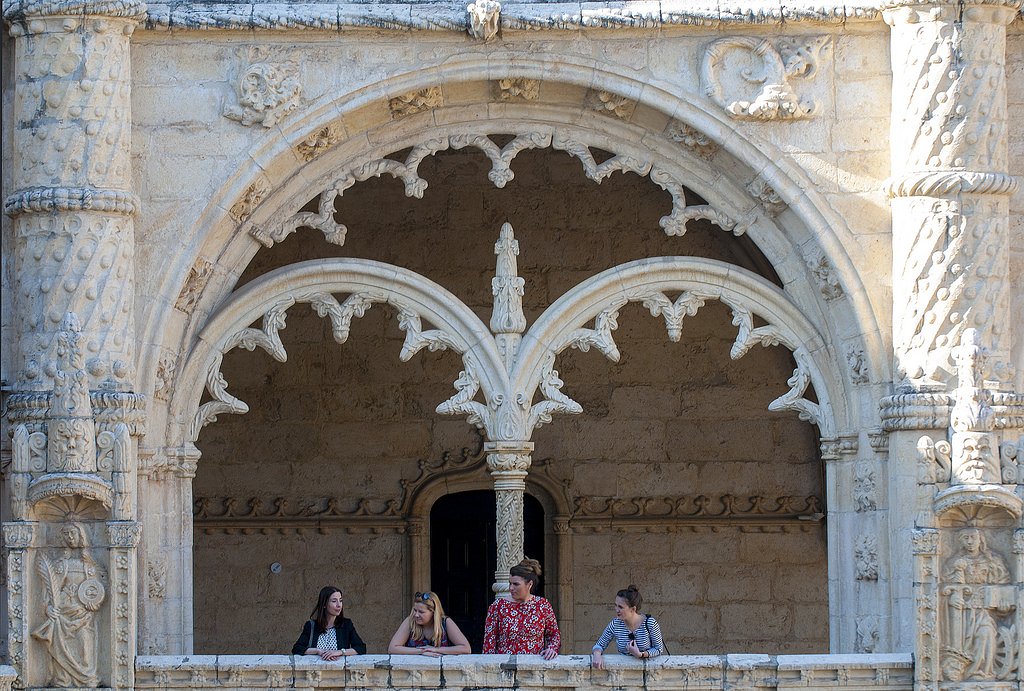
Inside, your Expert interprets the extraordinary Manueline decoration, where maritime symbols become architectural language. Carved ropes, sea creatures, botanical forms, and intricate stonework celebrate both faith and navigation, revealing how deeply exploration shaped Portugal's artistic identity.

What Is Manueline Architecture?

Belém offers the finest introduction to Manueline architecture, Portugal's distinctive late Gothic style.

Developed during the reign of King Manuel I, the style combines Gothic structure with imagery inspired by the sea, exploration, religion, and the natural world. Rather than relying only on decorative beauty, Manueline buildings communicate the ambitions of a kingdom whose identity had become inseparable from maritime expansion.

Learning to recognize these details transforms Belém from a collection of impressive buildings into a place that can be read almost like a visual language.

Why Is Belém Important to Portugal's Age of Discovery?

During the fifteenth and sixteenth centuries, Belém stood at the edge of Lisbon where the Tagus River opened toward the Atlantic.

Ships departing for Africa, Asia, and the Americas passed this stretch of river. Monasteries, defensive structures, and royal patronage all concentrated here, making Belém both a practical departure point and a symbolic stage for Portugal's overseas ambitions.

Today, the neighborhood preserves many of the monuments most closely associated with that era, allowing visitors to understand how geography, politics, religion, and commerce came together in one place.

How Does This Tour Approach Portugal's Colonial History?

Portugal's maritime expansion produced remarkable achievements in navigation, cartography, and global exchange, but it also depended on systems of conquest, exploitation, and colonial rule.

This tour explores both dimensions. Rather than presenting the Age of Discovery as either heroic triumph or historical condemnation, your Context Expert examines the evidence, encourages thoughtful discussion, and places Portugal's empire within its wider global context.

For many travelers, this balanced approach is one of the most valuable parts of the experience.

Why Choose a Private Belém Tour?

Belém raises questions that rarely have simple answers.

Some visitors want to focus on architecture. Others are interested in exploration, empire, religion, or Portugal's role in global history. A private format allows those conversations to develop naturally.

Your Expert can spend more time unpacking symbolism within Jerónimos Monastery, discussing changing interpretations of the discoveries, or exploring how Belém continues to shape Portuguese identity today.

Is a Belém Tour Worth It?

Belém contains some of Lisbon's most recognizable monuments, but their importance is easy to underestimate when visited independently.

Without context, the monastery, tower, and waterfront appear as beautiful landmarks. With an Expert, they become evidence of the ideas, ambitions, beliefs, and contradictions that reshaped the world during the fifteenth and sixteenth centuries.

This tour is particularly worthwhile for travelers who want to understand not only what Portugal accomplished, but how those achievements continue to influence conversations about history today.

Frequently Asked Questions


Do we go inside Jerónimos Monastery?
Yes. Prepaid admission allows you to enter Jerónimos Monastery with your Context Expert, where the architecture and symbolism become a central part of the tour.

Do we enter Belém Tower?
No. They limit their capacity, and it's not possible to skip the line, which means a long waiting time. The interior is also not overly impressive; we choose to focus on the exterior with its immense facades and interesting carvings. 

Does the tour include Pastéis de Belém?
The bakery is discussed during the walk, but the tour does not normally stop to purchase pastries because queues can be lengthy. Your Expert will recommend returning afterward if you'd like to try them. 

What is Manueline architecture?
Manueline architecture is Portugal's distinctive late Gothic style, characterized by maritime motifs such as ropes, shells, botanical forms, and navigational symbols. Jerónimos Monastery is one of its greatest surviving examples.

Does the tour discuss Portugal's colonial history?
Yes. The experience examines both the achievements of Portuguese exploration and the wider consequences of empire, trade, and colonial expansion, encouraging a balanced understanding of this period.

Is this suitable for a first visit to Lisbon?
Yes. Belém introduces many of the themes that shaped Portugal's history and provides valuable context for understanding the country's wider cultural identity.

Why Is Belém a UNESCO World Heritage Site?
Belém is a UNESCO World Heritage Site because it preserves two of Portugal's most important monuments from the Age of Discovery: Jerónimos Monastery and Belém Tower. Together, they represent the period when Portuguese voyages connected Europe with Africa, Asia, and the Americas, reshaping global trade, navigation, and cultural exchange. UNESCO recognizes Belém not only for its exceptional Manueline architecture, but also for its importance in understanding one of the defining eras of world history.

Why Is Jerónimos Monastery Important?
Jerónimos Monastery is one of Portugal's greatest architectural achievements and a powerful symbol of the country's Age of Discovery. Built in the early sixteenth century, it was funded by wealth generated through maritime trade and became the spiritual home of many Portuguese voyages, where sailors prayed before setting out across the Atlantic and beyond. Today, its remarkable Manueline architecture, maritime symbolism, and association with figures such as Vasco da Gama make it one of Lisbon's most significant historic landmarks and an essential stop for understanding Portugal's maritime past.